How Electricians Diagnose Burning Smells and Flickering Lights
An emergency electrician treats a burning smell from an outlet, switch, light fixture, or electrical panel as a possible fire risk. The electrician first makes the area safe and shuts off the affected circuit. Next, the electrician checks for heat, damage, wiring faults, and loose connections. Flickering lights may come from loose wires, overloaded circuits, bad fixtures, or panel problems. Electrical fault diagnosis can take 30 minutes or several hours. The time depends on access, circuit size, and damage.
Get a Free Estimate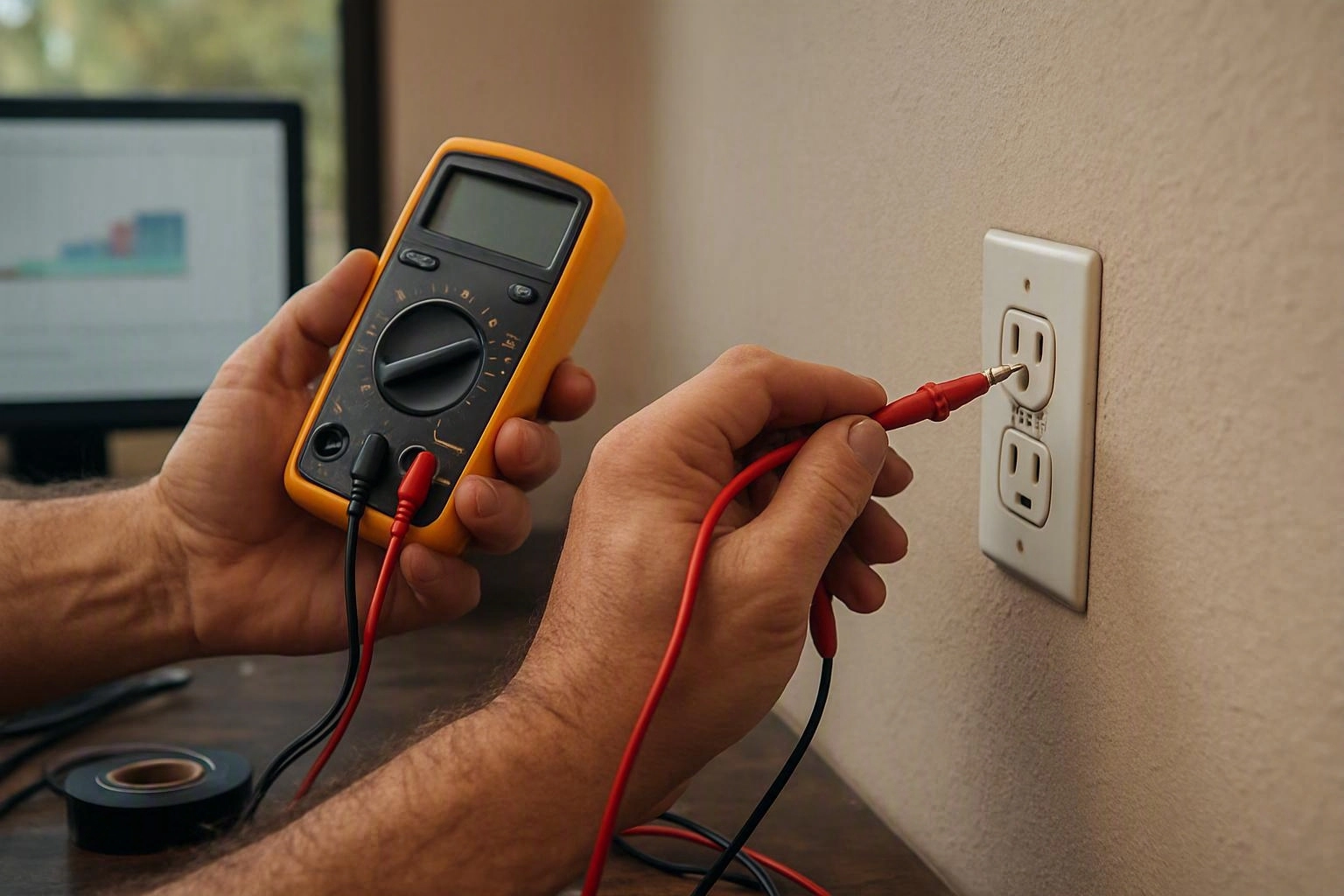
Chris Miller Electric helps homeowners understand urgent electrical problems before work starts. A burning smell or repeated light flicker can signal a fault in the wiring, branch circuit, or electrical panel. This guide explains what to do and what testing may involve. It also explains when a safe repair needs more than a part change.
Is a Burning Smell from an Outlet an Emergency?
A burning smell from an electrical outlet is an emergency because it can signal overheating, loose wires, damaged insulation, arcing, or an overloaded circuit. Stop using the outlet and keep people away. Contact an emergency electrician. Don't remove the cover or keep resetting a tripped breaker.
The smell may come from a loose terminal inside the outlet, a damaged plug, or a failing appliance connection. It may also come.arc fault. Heat can build behind a wall before smoke or flames appear. Older outlets may have worn contacts that hold plugs poorly. An overloaded circuit can also heat wires and outlets past safe limits.
Don't assume the smell is harmless because the outlet still works. A working device may still have heat damage or a loose connection. Burning smell outlet diagnosis should include nearby switches, connected loads, junction points, and the breaker.
Turn off only the affected circuit if you can identify it safely. Do this only when there is no smoke, flame, or spreading heat. Leave the property and call the fire department if smoke grows, flames appear, walls feel hot, or the source can't be controlled. Safety comes before your appliances or belongings.
What to Do Before the Electrician Arrives?
Why Are My Lights Flickering?
Flickering lights often come from a loose wire, failing bulb, bad LED dimmer, faulty fixture, overloaded circuit, or loose panel connection. One brief flicker may be minor. Ongoing or widespread flickering needs prompt electrical troubleshooting. Buzzing, heat, or a burning smell makes the problem more urgent.
A loose connection can interrupt power as it moves through a switch, fixture, junction box, or panel. The problem may affect one light or several devices on the same branch circuit. Breaker trips can add another warning. Lights that dim when an appliance starts may point to a larger load problem.
LED bulbs can also flicker for several reasons. The bulb may be failing or seated poorly. It may not work with the dimmer or fixture. Replacing the bulb may help. Repeated flicker means an electrician should check the fixture, switch, wiring, and circuit.
Aging outlets, new lights, appliance connections, and overloaded circuits all need attention. Our team checks if the fixture is bad or if the panel and wiring need more testing. Flickering Light Repair may be simple when the fault is easy to see. Hidden wiring or heat damage can make the repair larger.
Homeowners seeking Burning Smell Electrical Diagnostics in Fort Wayne should follow the same safety rule. Treat flickering with a burning odor, buzzing, warmth, or a tripped breaker as an urgent fault. 24/7 Emergency Electricians may be needed when symptoms are active or getting worse.
What Does an Emergency Electrician Do When There Is a Burning Smell?
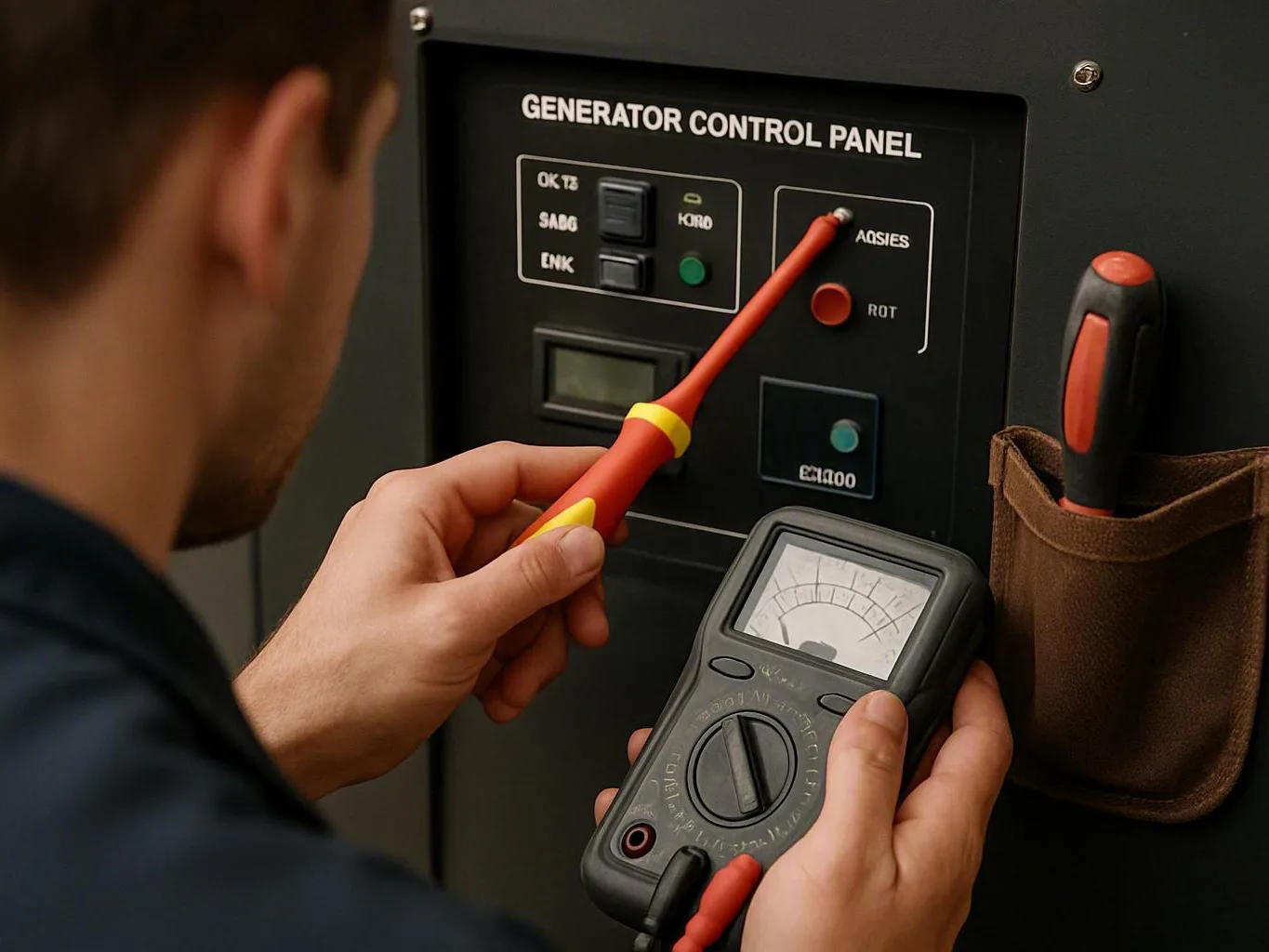
An emergency electrician makes the area safe and shuts off the affected circuit. The electrician checks outlets, fixtures, wiring, and the electrical panel. Tests can show bad voltage, heat, arcing, or broken connections. The electrician then explains the fault, suggests a repair, and tests the system before restoring power. Severe fire damage may need more review.
Diagnosis and repair are separate steps. Diagnosis finds and checks the fault. Repair fixes or replaces the damaged part. Hidden or fire-damaged wiring may be hard to reach. In that case, the electrician may first make the circuit safe and give a repair estimate.
Fire or smoke damage may spread beyond the first outlet or fixture. Safe restoration may then require access to wall spaces and new sections of wiring. Insulation may also need a check. Other qualified workers may need to help. The goal isn't just to remove the smell. The goal is to stop the hazard from returning.
The Five Steps of an Emergency Electrical Diagnosis
A full emergency electrical diagnosis has five stages. These are safety checks, circuit ID, visual inspection, electrical testing, and repair checks. Each stage answers a different question. Skipping one may leave a hidden fault active.
- Initial safety assessment: We check for smoke, flame, sparks, spreading heat, or panel danger. If the area is unsafe, emergency services come first.
- Circuit identification: We match the symptom to the correct breaker. We note which outlets, fixtures, appliances, and switches lose power when that circuit is off.
- Visual inspection: We look for melted plastic, dark marks, loose terminals, damaged insulation, wrong connections, moisture, overloaded outlets, and past breaker trips.
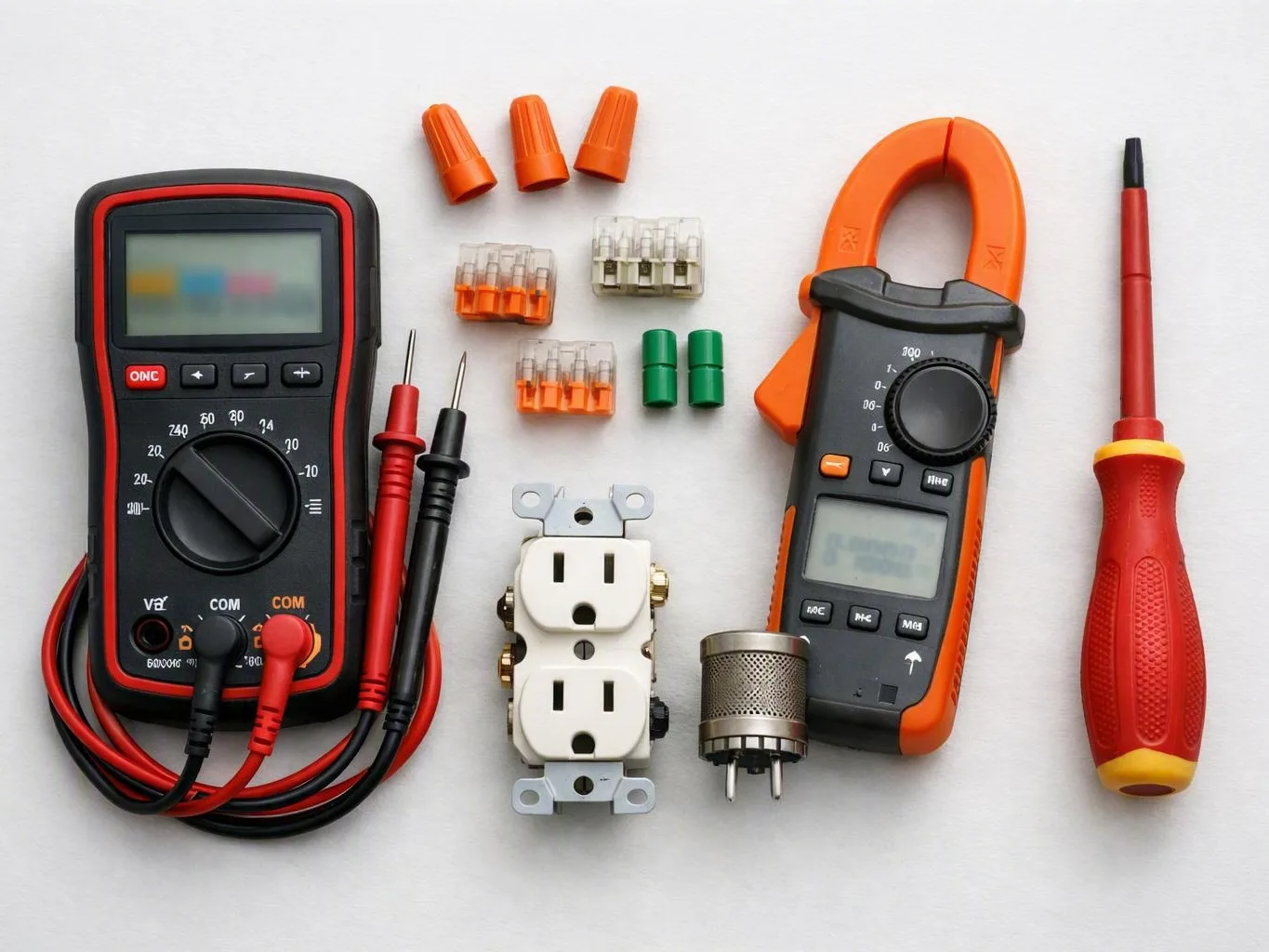
- Electrical testing: We use voltage tests and continuity checks. When conditions allow, we check load behavior and use thermal tools to find unusual heat.
- Fault repair and verification: We repair or replace the approved part. We test the circuit, check safety devices, and explain any limits or follow-up work before restoring power.
This process helps separate a fixture problem from a wider electrical fault. An LED change may need a matching dimmer. An appliance connection may reveal a weak branch circuit. A panel concern needs extra care because many circuits share one enclosure.
Homeowners should receive a clear report of what was found. They should also know what couldn't be reached. Hidden wiring, hard-to-reach damage, parts, and panel safety can change the repair plan. Testing after the work matters. Power shouldn't return based only on appearance.
How Long Does Electrical Troubleshooting Take?
Electrical troubleshooting may take about 30 minutes for a simple fault. It may take several hours when wiring is hidden or heat damage is present. The visit and repair may take different amounts of time. Parts, access, circuit size, and safety needs can affect the schedule.
Most small jobs take about 30 minutes to 1 hour. This range fits one outlet, switch, bulb, fixture, or clear connection. Larger jobs take longer when symptoms affect several rooms. They also take longer when the fault returns after a breaker reset.
| Project size | Typical duration | Scope |
|---|---|---|
| Small | About 30 minutes to 1 hour | Single outlet, switch, bulb, fixture, or clearly identified connection |
| Average | About 1 to 3 hours | Multiple flickering fixtures, a branch circuit, suspected overload, or accessible wiring fault |
| Large | Several hours or more | Panel-related issue, concealed wiring, extensive heat damage, repeated faults, or multiple circuits |
These times are planning ranges, not promises. Junction box access, panel condition, parts, and finished walls can change the schedule. Diagnosis may end during one visit. The repair may still need a later visit.
How Much Does Electrical Fault Diagnosis Cost?
Electrical fault diagnosis cost depends on the service call, diagnostic fee, urgency, travel, access, testing time, and fault size. A simple outlet check usually costs less than hidden wiring work or panel damage checks. Ask if diagnosis, labor, parts, and emergency charges are separate.
A service call may cover travel and the first check. A diagnostic fee may cover testing and tracing. Emergency electrician pricing may also include after-hours work, hard access, or safety work before the cause is found.
Ask for a repair estimate after the fault is found. Parts and labor may cover an outlet, fixture, breaker, wiring, or panel component. Widespread or hidden damage may only allow the first visit to set a safe next step.
Our team should explain the cost before repair approval. Don't choose a service only because its first fee is low. That fee may not include testing or safety work. A clear diagnosis helps you choose immediate repair or later work.
When Is Electrical Repair Safe to Complete Immediately?
Electrical repair is safe to complete at once when the fault is known and the circuit is off. The damaged parts must also be easy to reach. The repair must not hide heat or fire damage. An electrician may replace an outlet, fix wiring, correct a light connection, or repair a panel part. The circuit is tested before power returns.
Repair approval should follow a clear explanation of the cause, work, parts, and tests. A loose terminal or bad outlet can often be fixed during the first visit. A matching LED control or new fixture may solve a light problem after the circuit is confirmed safe.
Immediate work isn't safe when smoke continues or the panel has severe damage. It also isn't safe when wall insulation is burned or water entered the system. The source may also be hard to isolate. These cases may need open walls, new wiring, or more testing.
After any repair, we check voltage, connections, grounding, safety devices, and equipment behavior. Power returns only after testing shows that the circuit is safe.
Questions About 24/7 Emergency Electricians
Is a Burning Smell from an Outlet an Emergency?
A burning smell can signal overheating, arcing, damaged insulation, or fire risk. Stop using the outlet and stay away. Turn off the circuit only when there is no smoke, flame, or spreading heat. Leave and call the fire department if conditions get worse.
How Much Does Electrical Fault Diagnosis Cost?
The cost depends on the service call, urgency, access, testing time, circuit size, and repair needs. Ask if the diagnostic fee, labor, parts, travel, and emergency charges are separate.
Why Are My Lights Flickering?
Possible causes include a bad bulb, loose wire, loose connection, poor LED dimmer, faulty fixture, overloaded circuit, or panel problem. Flickering with buzzing, heat, a burning smell, or breaker trips needs prompt inspection.
How Long Does Electrical Troubleshooting Take?
A simple fault may take about 30 minutes to 1 hour. Several circuits, hidden wiring, panel problems, or heat damage can take hours. Repairs may take longer if parts or access are limited.
What Does an Emergency Electrician Do When There Is a Burning Smell?
The electrician makes the area safe and shuts off the circuit. The electrician checks outlets, fixtures, wiring, and the panel. Voltage and heat tests help find the fault. The electrician explains the repair and checks the system before restoring power.
If you notice a burning odor, ongoing flicker, heat, smoke, or repeated breaker trips, keep the circuit off. Arrange an urgent electrical inspection. Our team can explain the difference between a quick repair and a larger restoration plan.
Contact our team for electrical safety help
Get a Free EstimateRelated Resources
How Much Does an Emergency Electrician Cost in Fort Wayne?
emergency electrician cost Fort Wayne IN
What It CostsCircuit Breaker and Fuse Replacement: What It Costs and How It Works
circuit breaker replacement cost emergency electrician
What It CostsCommercial Emergency Electrical Repairs: Cost, Response, and Process
commercial emergency electrical repair cost Fort Wayne
Compared ToEmergency Electrician vs. Regular Electrician: Which Service Do You Need?
emergency electrician vs regular electrician