
What is Branch Circuit?
Branch Circuit is the wiring path that carries electricity from a service panel or distribution panel to outlets, lights, appliances, or other connected loads. A branch circuit includes conductors, overcurrent protection, and the connected equipment. Circuit voltage, breaker size, wire gauge, and load determine how much power the circuit can safely deliver.
Quick Facts About Branch Circuit
Category
Electrical distribution component
Used for
Supplying power to connected loads
Common confusion
A branch circuit is not the same as a service entrance
Main risk
Overload, overheating, or fault current
Also called
Branch circuit wiring, Final circuit
Often discussed with
Electrical Wiring Repair, Electrical Code Corrections
Key Takeaways About Branch Circuit
- A branch circuit starts at a panel breaker and ends at connected outlets, lights, or equipment.
- The breaker, wire gauge, voltage, and connected load must match each other.
- Overloaded or damaged branch circuits can cause overheating, nuisance trips, shocks, or fires.
- Dedicated branch circuits serve equipment that needs its own protected power path.
- A circuit map helps identify which rooms and devices share each branch circuit.
Understanding Branch Circuit
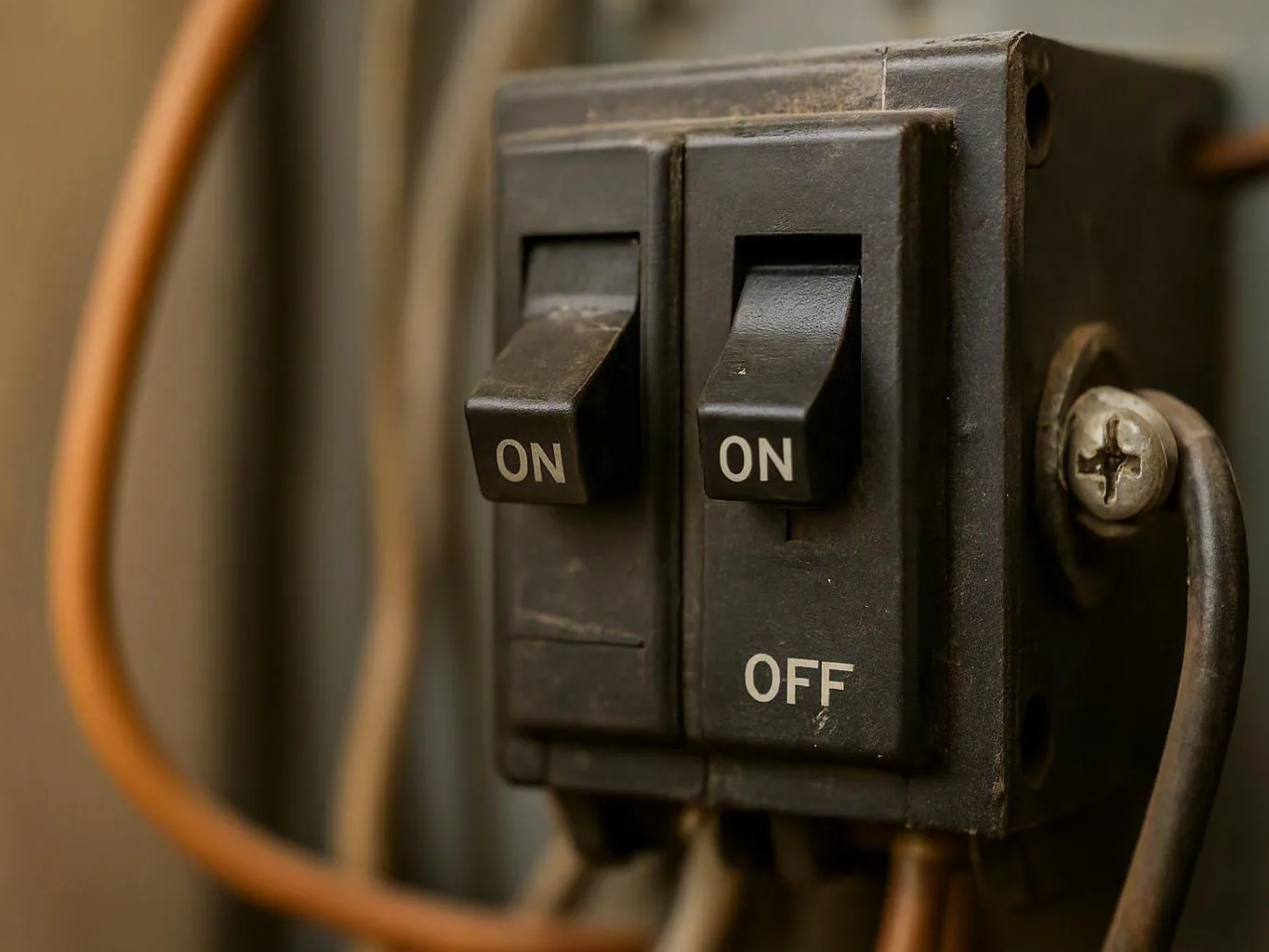
Branch Circuit describes part of an electrical system. It runs from a circuit breaker or fuse to points where electricity is used. These points may include receptacles, lighting outlets, fixed appliances, or equipment. The circuit normally contains an ungrounded conductor. It also contains a grounded conductor when required. It contains an equipment grounding conductor.
Related glossary terms: Arc-Fault Circuit Interrupter, Electrical Load Calculation, Ground-Fault Circuit Interrupter.
The service panelsupplies several branch circuits throughout a building. Each circuit has protection against excessive current. This protection usually comes through.circuit breaker or fuse. A standard residential circuit might serve bedroom receptacles. A kitchen range, water heater, or air conditioner often needs a dedicated circuit. This equipment draws more current.
How Branch Circuit Works, Is Measured, or Is Used?
Electricity leaves the panel on the circuit's energized conductor. It returns through the neutral conductor when the load requires one. The equipment grounding conductor provides a low-resistance path for fault current. This path helps the protective device open the circuit. A breaker responds when current exceeds its rating. It also responds when a fault creates a dangerous current path.
Electricians size a branch circuit by comparing the expected load. They also check the circuit's voltage, ampacity, and wire gauge. Ohm's law relates voltage, current, and resistance. Power calculations help estimate demand. For example, a 1,500-watt load on a 120-volt circuit draws 12.5 amperes. This happens before other loads are added. The breaker rating, conductor ampacity, equipment instructions, and electrical code affect the final design.
Testing may include checking voltage at the panel and outlets. It may include inspecting connections and measuring continuity. It may also confirm correct polarity. A technician may check for voltage drop when lights dim. Motors may struggle during startup because of voltage drop. Circuit directories and load measurements show which devices share a circuit. They also show whether a new load needs a separate path.
Why Branch Circuit Matters?
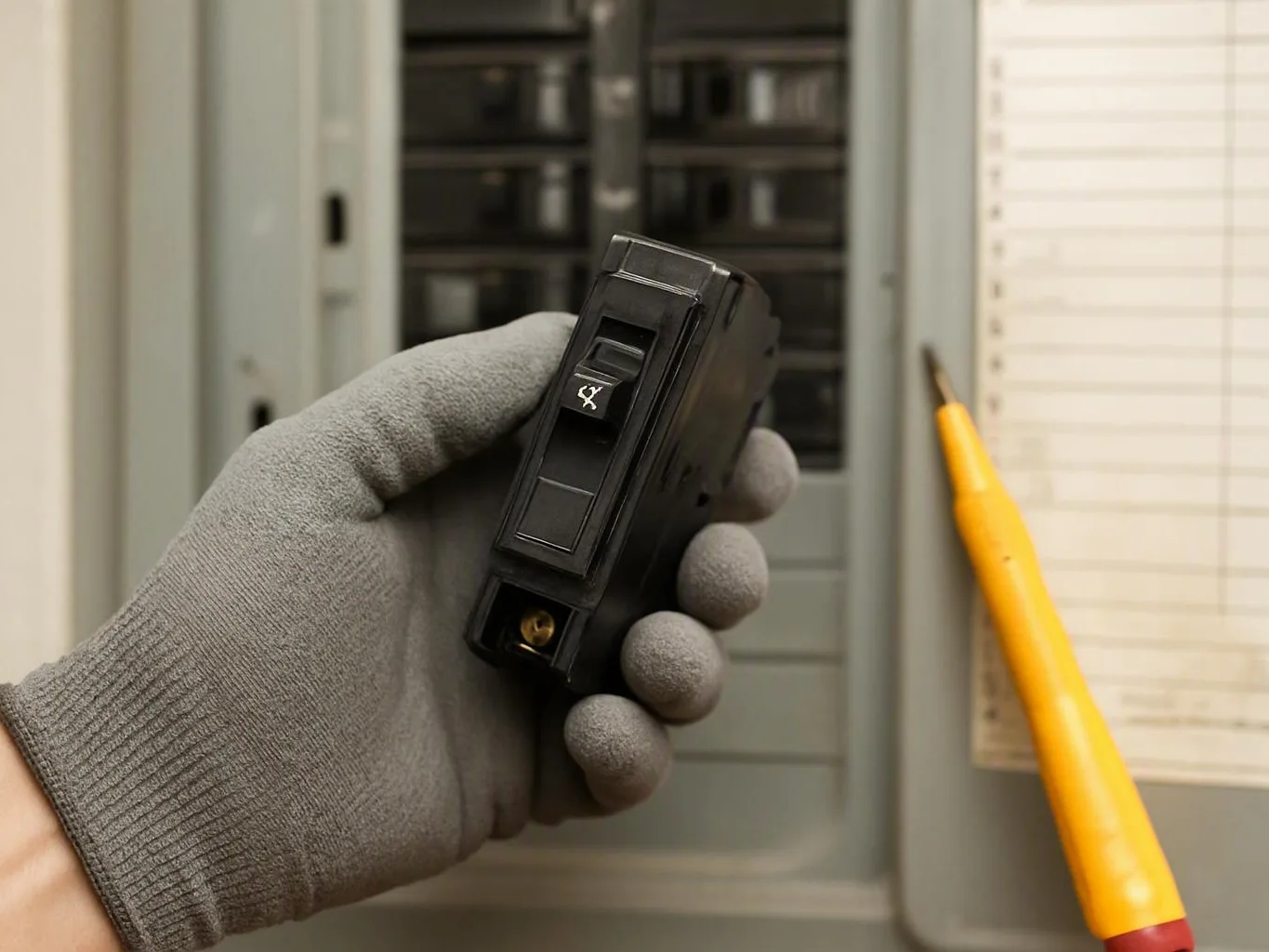
A properly designed branch circuit controls how power reaches each building area. Correct overcurrent protection limits conductor heating during a short circuit or overload. Correct connections also reduce loose-terminal faults. They reduce arcing, flickering lights, and unexpected equipment shutdowns.
Branch circuit problems can affect one outlet or a group of rooms. They can also affect an entire piece of equipment. Repeated breaker trips may point to excessive load or damaged wiring. They may also point to a failing appliance or a fault inside a wall. Replacing a breaker with a larger one doesn't solve the problem. The installed conductors may not carry the higher current safely.
When Branch Circuit Matters Most?
Branch circuit planning becomes especially important during remodeling and panel work. It also matters during appliance installation and additions to an older building. New equipment may exceed an existing circuit's capacity. This can happen when a nearby receptacle appears available. Kitchens, bathrooms, garages, workshops, heating equipment, and electric vehicle chargers often need careful planning. They may also need special protection.
Warning signs include warm receptacles, discoloration, buzzing, burning odors, and sparking. Other signs include frequent trips and lights that dim when equipment starts.ground-fault circuit interrupter may be required in areas with shock exposure. An arc-fault circuit interrupter may be required in specified dwelling areas. The National Electrical Code provides model requirements. Local adoption and project conditions determine which rules apply.
How to Evaluate Branch Circuit?
- Confirm the breaker rating matches the branch circuit conductor ampacity and equipment requirements.
- Measure voltage at the panel and farthest outlet under normal operating conditions.
- Check for warm, loose, discolored, buzzing, or damaged receptacles and switches.
- Identify every load served by the circuit before adding an appliance or outlet.
- Verify required GFCI, AFCI, grounding, and labeling provisions for the installation.
Related Concepts Compared
Branch Circuit vs. Feeder
A feeder carries power from a service or distribution panel to another panel or distribution point. A branch circuit carries power from the final overcurrent device to connected loads.
Branch Circuit vs. Service
Electrical service brings utility power to a building's service equipment. A branch circuit is downstream from that equipment and serves specific outlets, lights, or appliances.
Branch Circuit vs. Dedicated Circuit
A dedicated circuit is a branch circuit reserved for one appliance or equipment load. Not every branch circuit is dedicated, because many general-purpose circuits serve several outlets.
Expert Note
A breaker that trips repeatedly does not automatically need replacement. The cause may be a worn appliance, a loose connection, conductor damage, or too much connected load. Record what was running when the trip occurred, then have the circuit tested before resetting it repeatedly.
Common Mistakes or Myths About Branch Circuit
- Installing a larger breaker to stop trips without verifying conductor size and circuit capacity.
- Assuming every outlet in one room shares the same branch circuit.
- Connecting a high-demand appliance to a general-purpose circuit.
- Ignoring warm outlets, burning smells, buzzing, or discoloration.
- Treating a tripped breaker as the cause instead of a possible warning sign.
Branch Circuit in Practice: A Real-World Example
A 120-volt bedroom branch circuit has a 15-amp breaker and supplies several receptacles. A portable heater drawing 12.5 amperes leaves little capacity for other devices, so the breaker may trip when a vacuum runs on the same circuit. Adding a larger breaker without checking the wiring can create an unsafe condition.
Sources & Further Reading on Branch Circuit
Related Terms
Arc-Fault Circuit Interrupter
Arc-Fault Circuit Interrupter is a protective device that detects dangerous electrical arcing and disconnects power before…
Electrical Load Calculation
Electrical Load Calculation is a method for estimating the electrical demand of a building, dwelling, or…
Ground-Fault Circuit Interrupter
Ground-Fault Circuit Interrupter is a protective device that monitors current flowing through an electrical circuit. The…
National Electrical Code
National Electrical Code is a widely adopted set of safety rules for electrical design, installation, inspection…
Chris Miller Electric
Have Questions About Branch Circuit?
Contact Chris Miller Electric for practical guidance on Branch Circuit and related 24/7 emergency electricians work in Fort Wayne.