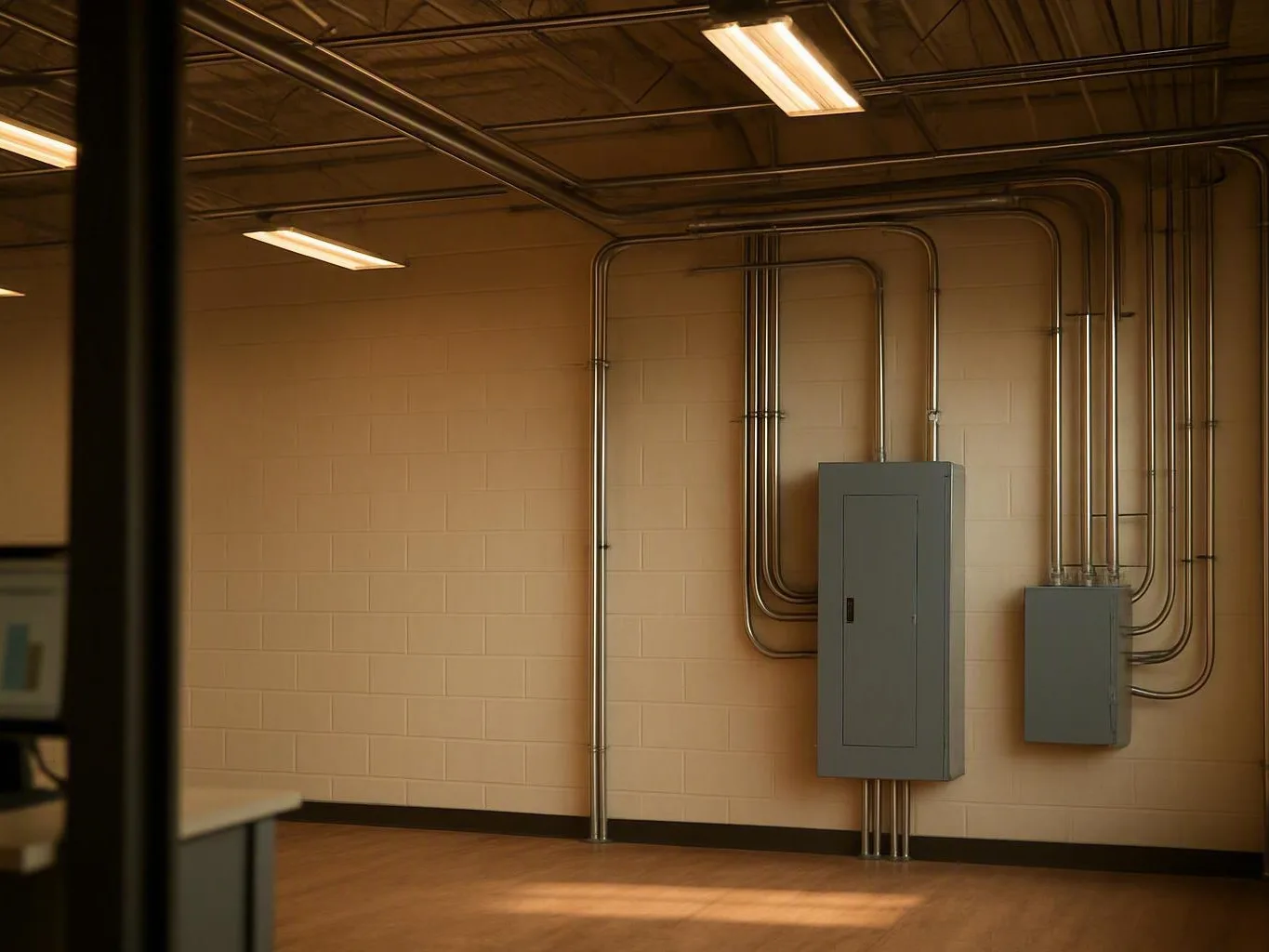
Circuit Breaker and Fuse Replacement in Fort Wayne, IN
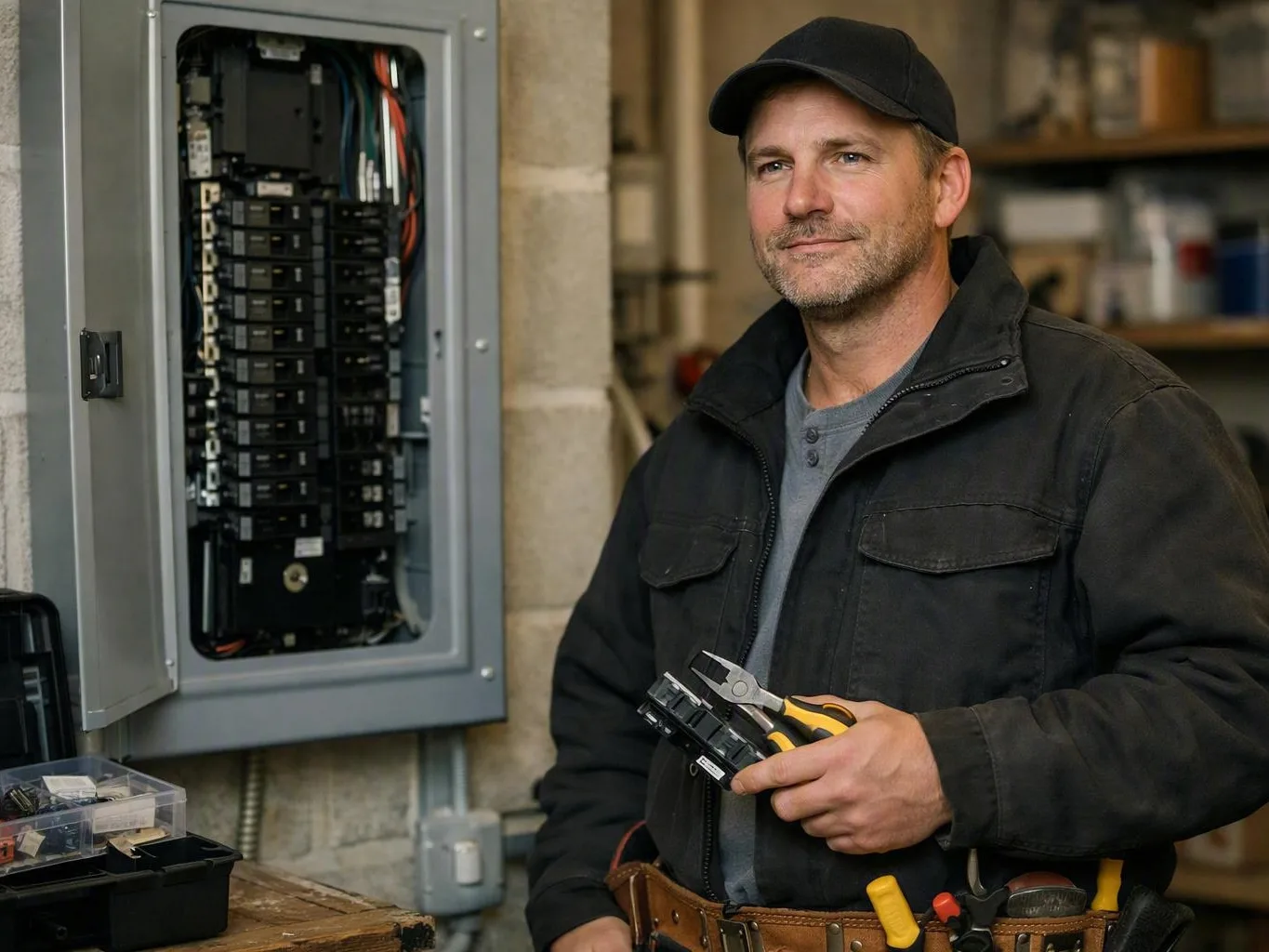
Circuit breaker replacement cost in Fort Wayne, in depends on several factors. These include the breaker type, panel fit, wiring, access, and service time. Emergency service can also change the price. A standard breaker may need less labor than a main breaker. Fuse replacement and panel repair can take more time. An electrician should check repeated trips before replacing a breaker. An overload, short circuit, ground fault, or damaged wire may cause the problem. Replacement often takes one to two hours when the panel and wiring are easy to reach. Complex repairs, permits, and emergency testing can take longer.
Get a Free EstimateHow Much Does Circuit Breaker Replacement Cost in Fort Wayne, IN?
Circuit breaker replacement cost depends on the breaker type, panel fit, wiring, access, testing time, and service time. Replacing a breaker without finding the cause can leave an electrical hazard in place.
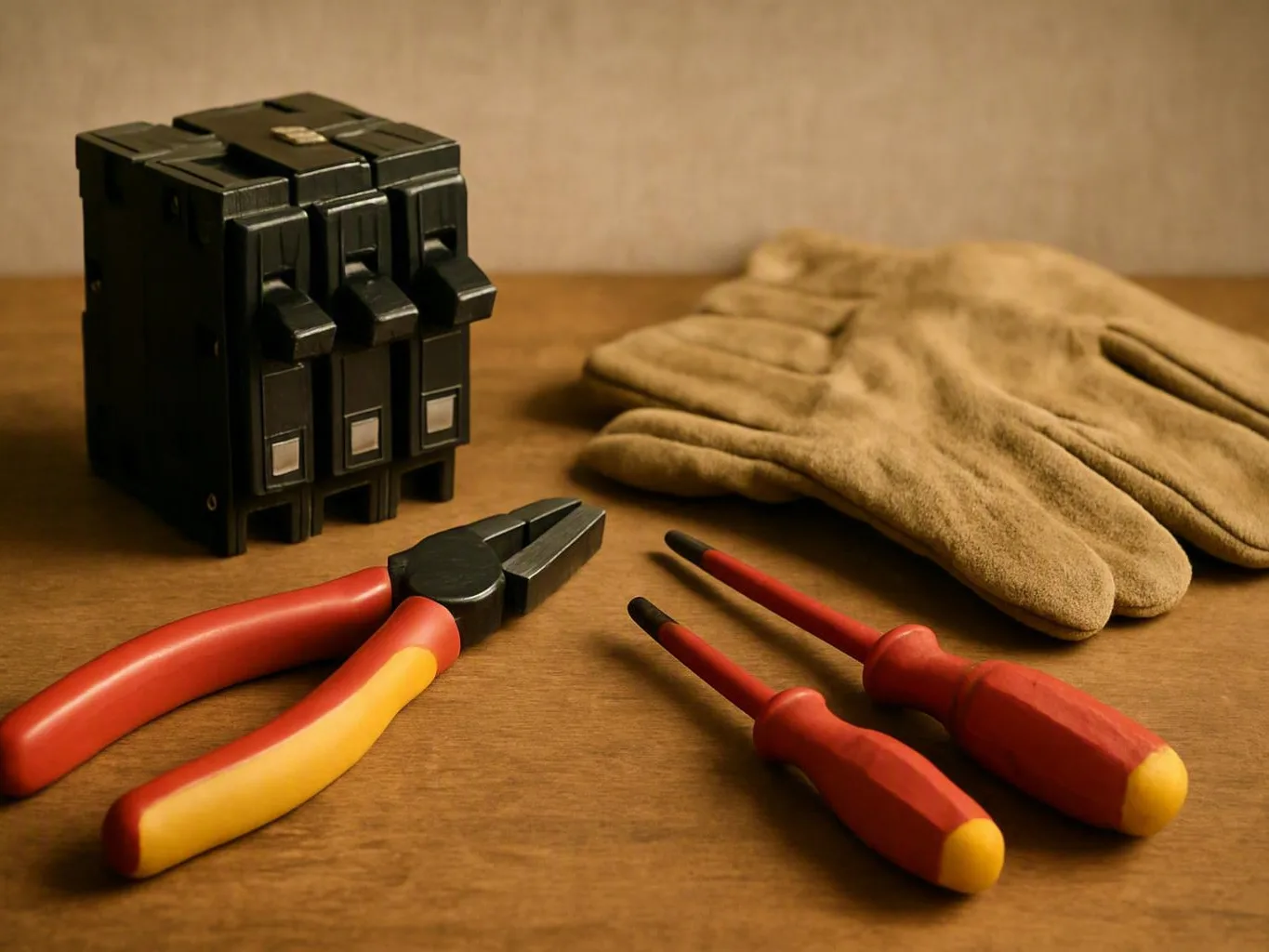
The breaker itself is only part of the work. Labor may include shutting off power and removing the panel cover. It may also include checking the bus bar (the metal part that feeds power), testing voltage, and installing the right breaker. A standard single-pole breaker is often a simple repair. An AFCI breaker replacement or GFCI breaker replacement needs more testing.
The electrical panel also matters. A breaker must match the panel brand, design, and approved parts. A wrong breaker may not fit or protect the circuit. A burned, rusty, loose, or damaged bus bar may turn the job.electrical panel repair.
Wiring access affects labor, too. Easy-to-reach wiring makes testing faster. Hidden wires, tight spaces, damaged insulation, and heat marks need more time. We may also check outlets, switches, appliances, and junction boxes before restoring power.
Service time can change the total cost. Normal appointments allow more planning. An emergency electrician may respond after hours or during a storm. Fort Wayne’s freeze-thaw weather can increase calls when furnaces, heaters, pumps, and other high-load equipment run often.
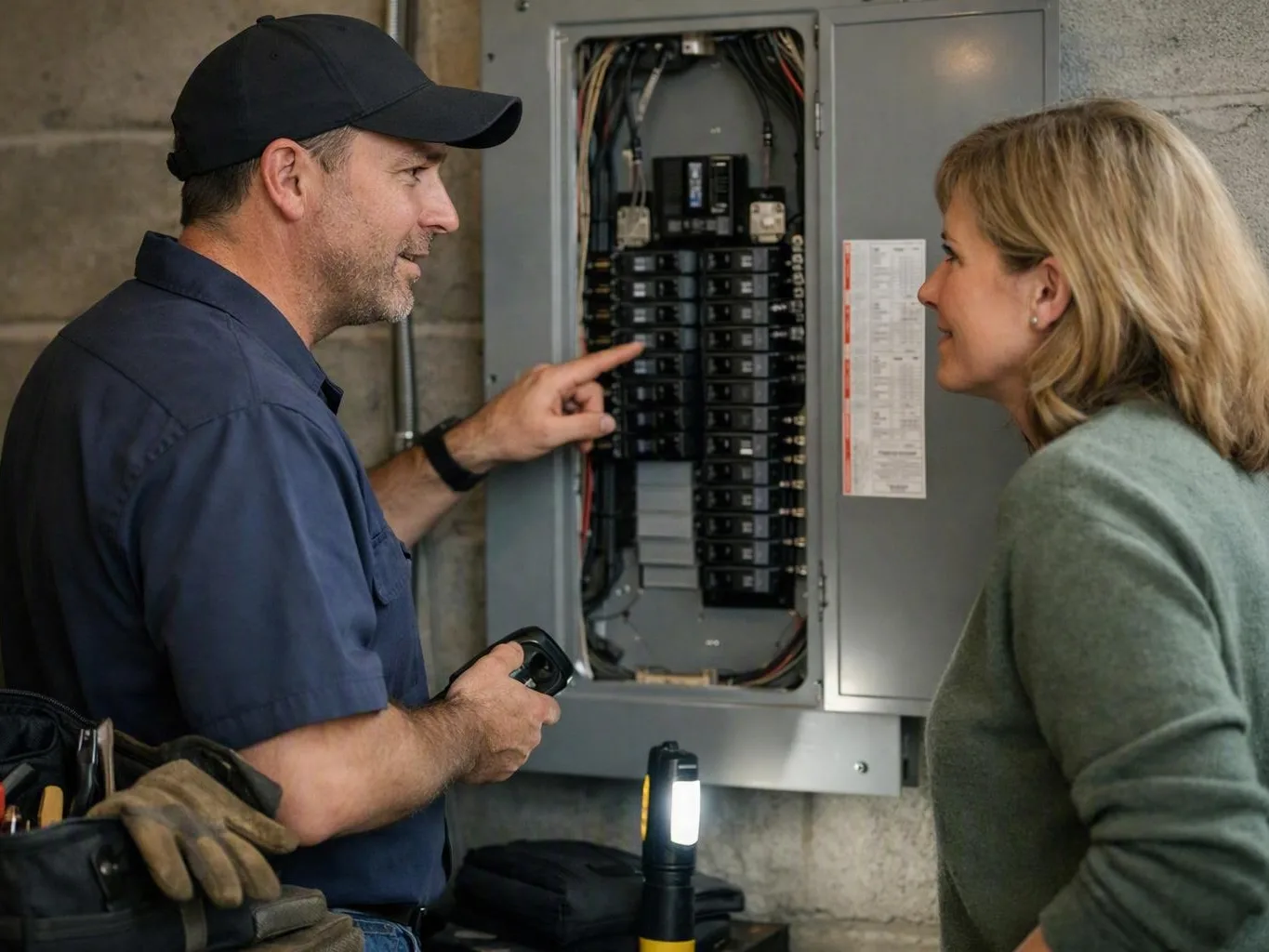
Older homes may have small panels, old wiring, or outdated parts. We explain if you need circuit breaker repair, breaker replacement, or a larger upgrade. Chris Miller Electric starts with a system check. The repair plan is based on what we find.
What Does Main Breaker Replacement Cost?
Main breaker replacement often takes more work than a branch-circuit repair. The main breaker controls power for much of the home. Cost depends on the breaker type, panel design, panel rating, work space, and disconnect.
The replacement must match the service equipment and utility power. Some homes have a separate electrical disconnect. Others have a main breaker inside the service panel. Power must be shut off in the right way before work starts. Utility help may be needed in some cases.
A damaged main breaker may point to loose parts, heat, rust, water, or an overloaded service. Replacing the breaker alone may not fix these issues. Older Fort Wayne homes may need a panel check because some older parts are hard to replace. Permits and inspections may also affect the schedule.
How Much Does Fuse Replacement Cost?
Fuse replacement cost depends on the fuse type, fuse-box condition, circuit problem, access, and system age. An electrician must install the right fuse size. A larger fuse can let wires get too hot. Fuses that keep blowing usually point to another circuit problem.
A fuse box uses fuses to protect circuits from too much current. A plug fuse often protects a small circuit. A cartridge fuse may protect larger equipment or parts of the service. Each fuse must match the circuit size. A larger fuse can remove needed wire protection.
Many older homes still have fuse boxes and old wires. These systems may have limited power for modern loads. Space heaters, ovens, washers, dryers, and air conditioners can put heavy demand on old circuits. A fuse that opens during normal use may point to an overloaded circuit, bad appliance, short circuit, or damaged wire.
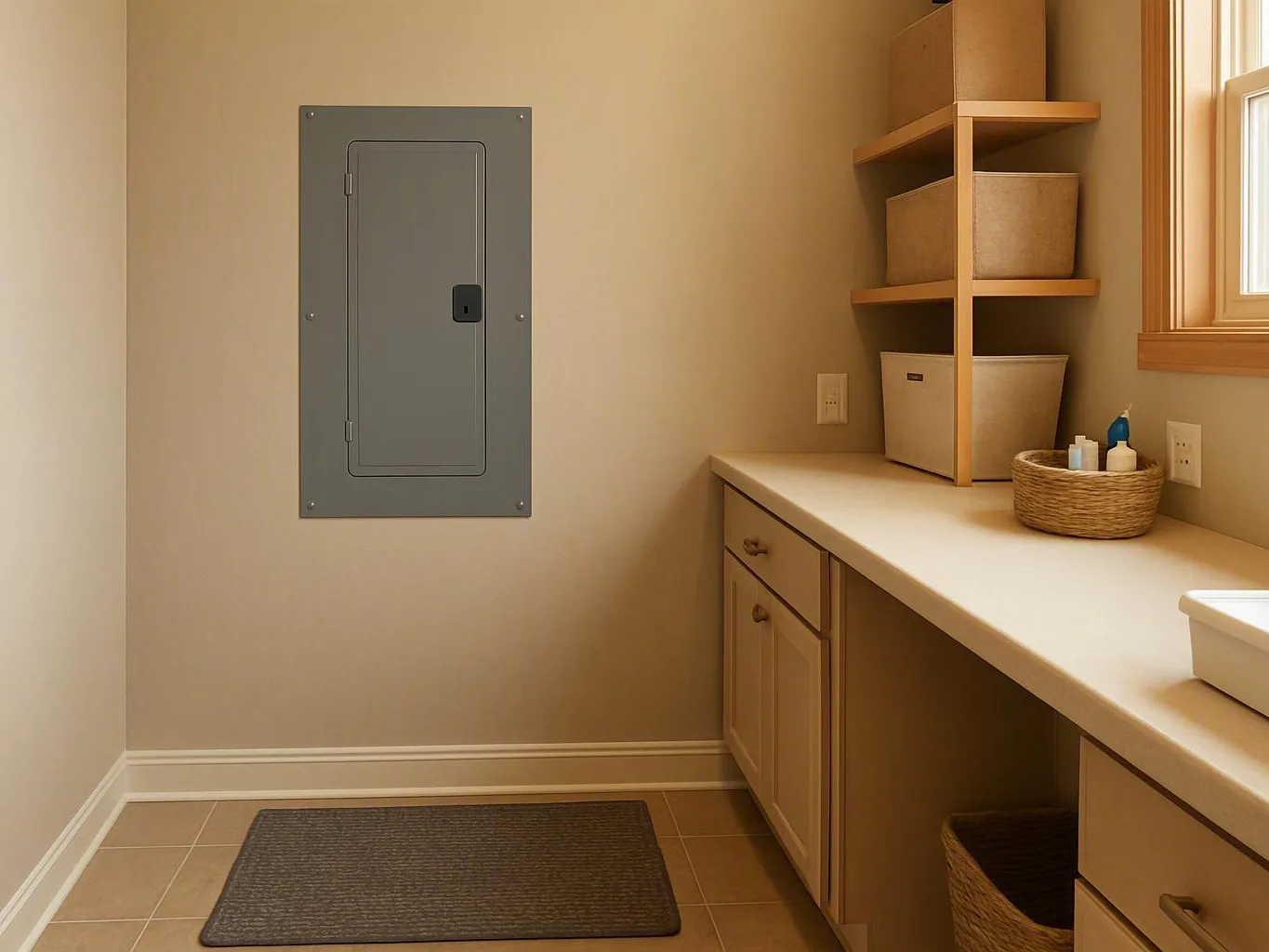
Access can affect the visit. The box may be blocked, hard to read, damp, or surrounded by stored items. We check the fuse holder, terminals, box, and nearby wires before installing a fuse. Burn marks, rust, heat, or loose parts may require fuse-box repair or an upgrade.
Old electrical parts can be hard to identify. They can also limit safe repair choices. The best option may be a fuse replacement, circuit repair, or panel upgrade. We explain each choice. That helps homeowners address safety issues without treating an old system like a new one.
| Typical work condition | What it may involve | Why testing matters |
|---|---|---|
| Correct fuse is accessible | Part replacement and circuit check | Confirms the circuit is not drawing unsafe current |
| Fuse opens repeatedly | Load, appliance, and wiring diagnosis | Finds the cause instead of masking it |
| Box or holders show damage | Repair planning or modernization review | Checks for heat, loose parts, and poor connections |
Fort Wayne winter weather and storms can increase calls for blown fuses and damaged service equipment. Power may also stop for a short time. We provide 24/7 Emergency Electricians for urgent issues when waiting may not be safe.
What Factors Change the Cost of Breaker or Fuse Replacement?
Replacement cost changes with the panel, breaker or fuse, wiring, access, testing, and service time. A simple part swap costs less than work with damaged bus bars or old equipment. Hidden wires, permits, inspections, and emergency testing can also add time. An onsite check shows which factors apply.
| Factor | Why it changes the cost | What to prepare |
|---|---|---|
| Breaker compatibility | The device must match the panel and circuit design. | Panel brand, model, and a clear photo if available. |
| Panel condition | Burned bus bars, corrosion, or loose parts may require broader repair. | Any history of heat, buzzing, odor, or visible damage. |
| Wiring access | Hidden or damaged conductors take more time to test and reach. | Clear the area around the panel and affected rooms. |
| Fault diagnosis | An overload, fault, or appliance issue must be found before replacement. | Note what was running when the breaker tripped or fuse opened. |
| Permit and inspection requirements | Some work scopes require approval, scheduling, or inspection. | Property details and any prior electrical permits. |
| After-hours electrical service | Emergency availability and immediate troubleshooting can affect labor. | Describe sparks, smoke, heat, outages, or urgent safety concerns. |
Older Fort Wayne homes need extra care. Old panels, fuse boxes, and wires may not support today’s power needs. Local permits and inspections may also affect the repair order. Our team checks the equipment and explains what we find. We separate urgent safety work from future upgrades.
Why Does My Breaker Keep Tripping After Replacement?
A breaker that keeps tripping after replacement usually has another problem. The cause may be an overload, short circuit, ground fault, arc fault, bad appliance, or loose connection. The new breaker may be working as designed. Stop resetting it and have an electrician test the circuit, panel, loads, and wiring.
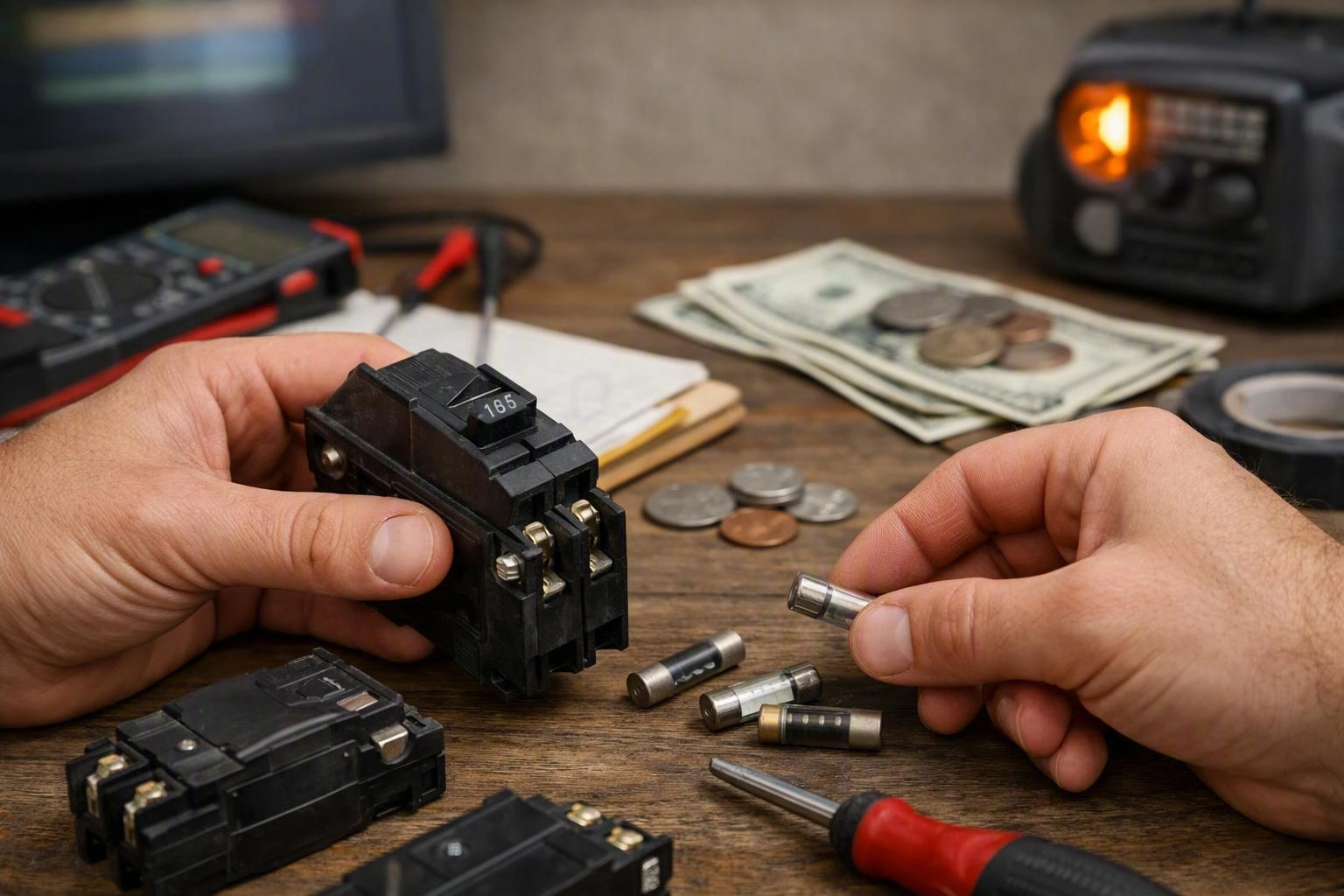
An overloaded circuit trips when equipment draws too much current. Cold weather can make this happen more often. Heaters may run at the same time. Summer equipment can also add heavy demand. Moving a device to another circuit may help for now. The full load still needs a check.
A short circuit happens when live wires touch. A ground fault sends power along the wrong path. It often involves metal or moisture. An arc fault can come from damaged insulation, loose terminals, or worn parts. Each problem needs different tests. Replacing the breaker again will not find the cause.
A loose connection can cause heat, flickering, buzzing, or sudden shutoffs. A bad appliance may trip the breaker when it starts or heats. We separate the loads and test the circuit. We also inspect reachable connections and the panel. Then we identify the source.
Do not hold a tripping breaker in place. Do not install a larger breaker. Do not keep resetting it. If you see smoke, burning smells, melted insulation, sparks, or a hot panel, turn off power when safe. Then seek urgent help. Storms can also damage service equipment and cause power loss.
How Long Does It Take to Replace a Circuit Breaker?
Breaker replacement often takes one to two hours when the right part is ready. The panel and wiring must also be easy to reach. The visit can take longer when we must find a fault or repair wiring. Panel damage, permits, and emergency testing can add time.
Most simple jobs take one to two hours. This is a typical time, not a promise. A damaged bus bar, hidden wire, bad appliance, or main service issue can extend the visit. Emergency work may need a temporary safety fix first.
Ways to Reduce Electrical Repair Costs Without Sacrificing Safety
Homeowners can avoid extra repair costs by noting symptoms and affected circuits. Avoid repeated resets. Clear the panel area. Group safe repairs into one visit. Schedule nonurgent work during normal hours. Never use a larger breaker or bypass a fuse. Do not delay problems with heat, smoke, sparks, or burning smells.
Good load use can reduce nuisance trips. It cannot fix damaged wires or a failing panel. Inspections help in older homes with fuse boxes, limited power, or heat damage. Repair planning helps separate urgent hazards from future upgrades.
Questions About 24/7 Emergency Electricians
How Much Does Circuit Breaker Replacement Cost?
The cost depends on the breaker type, panel fit, labor, access, wiring, testing, and service time. A simple branch breaker differs from specialty protection, panel repair, or emergency testing. An onsite check is needed for a fair estimate.
How Much Does Main Breaker Replacement Cost?
Main breaker replacement can cost more than a branch device. It involves the service panel, disconnect, panel rating, utility service, and safety checks. Damaged connections or a bad panel may need more than a breaker replacement.
How Much Does Fuse Replacement Cost?
Fuse replacement cost depends on the fuse type, fuse-box condition, access, and cause. A fuse that keeps blowing needs testing. An overloaded circuit, bad appliance, short circuit, or damaged wire may be the cause.
Why Does My Breaker Keep Tripping After Replacement?
The cause may be an overloaded circuit, short circuit, ground fault, arc fault, bad appliance, or loose connection. The new breaker may be working correctly. Stop resetting it and have the circuit, panel, wiring, and loads tested.
How Long Does It Take to Replace a Circuit Breaker?
Most easy replacements take one to two hours when the right part is ready. Wiring faults, panel damage, permits, inspections, and emergency testing can make the visit longer.
Should I Repair or Replace My Electrical Panel?
Repair may work when the panel fits the system and has limited damage. Replacement may be safer when the panel is old, crowded, rusty, damaged, or too small. An electrician should check the panel and wires before making a choice.
Our team can check a tripping breaker, blown fuse, damaged panel, or urgent power problem. Chris Miller Electric serves homeowners who need clear repair plans and safe residential electrical service.
Related Resources
Emergency Electrician vs. Regular Electrician: Which Service Do You Need?
emergency electrician vs regular electrician
Compared ToElectrical Panel Repair vs. Replacement: Cost, Options, and Timing
electrical panel repair vs replacement cost
Compared ToOutlet Repair vs. Replacement: Costs, Safety, and What to Expect
outlet repair vs replacement cost electrician
Compared ToWhole-House Surge Protection: Installation Cost and Options
whole house surge protector installation cost