
What is Arc Fault?
Arc Fault is an unintended electrical discharge that jumps across a gap between conductors or through damaged insulation. The discharge creates intense heat and may ignite nearby materials. Arc faults can result from loose connections, pinched wires, worn cords, or damaged cables. An Arc-Fault Circuit Interrupter detects characteristic changes and disconnects power.
Quick Facts About Arc Fault
Category
Electrical fault and fire hazard
Used for
Detecting unintended electrical arcing
Common confusion
An arc fault is not the same as a ground fault
Main risk
Ignition of nearby combustible materials
Relevant standard
National Electrical Code Article 210.12
Also called
Electrical arcing, Arcing fault
Key Takeaways About Arc Fault
- Arc faults produce heat when electricity jumps across an unintended gap.
- Loose terminals, damaged insulation, and pinched wires can create arc fault conditions.
- A standard breaker may not detect every dangerous arc fault.
- An AFCI interrupts power when it recognizes an arc fault pattern.
- Repeated AFCI trips require diagnosis rather than repeated resets.
Understanding Arc Fault
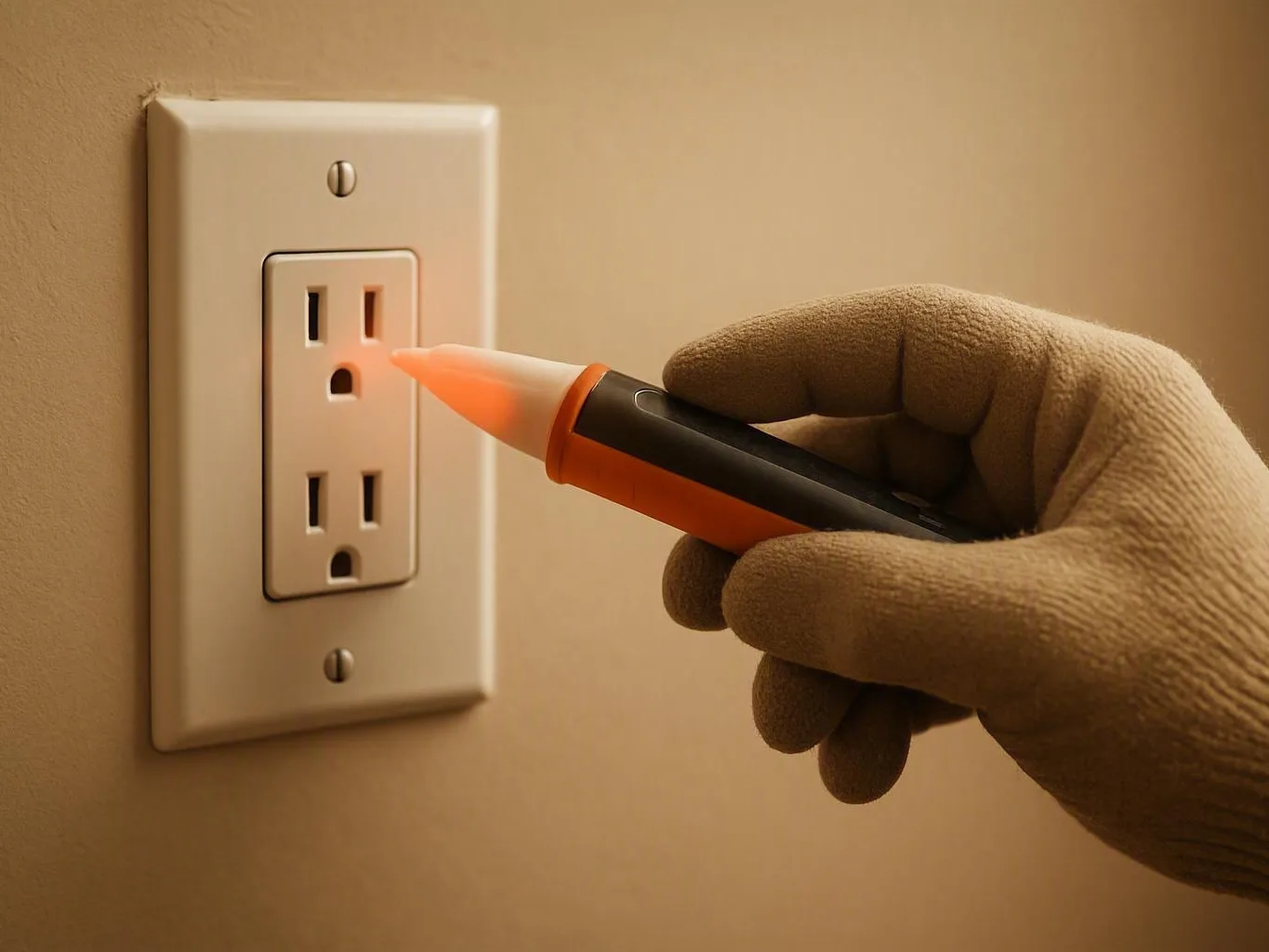
Arc Fault describes an unintended electrical discharge across a gap or along a damaged path. Electricity normally moves through an unbroken conductor. If a loose terminal, broken wire strand, or damaged insulation creates a gap, electricity may jump through the air. The resulting electrical arc can produce concentrated heat, bright light, and a crackling sound.
Related glossary terms: Arc-Fault Circuit Interrupter, Ground Fault, Overcurrent.
Arc faults often develop inside walls, electrical boxes, appliances, extension cords, or flexible cables. Common causes include loose connections, nails or screws that damage cable, crushed cords, overheated terminals, and aging insulation. The fault may stop and start as a wire moves or a load changes. This intermittent pattern makes the problem difficult to find by sight alone.
How Arc Fault Works, Is Measured, or Is Used?
An Arc-Fault Circuit Interrupter, often called an AFCI, monitors the current waveform on a circuit. Its electronics look for high-frequency changes and repeating patterns associated with arcing. When the device identifies a hazardous pattern, it opens the circuit and stops the flow of current. AFCI protection may be provided by a breaker, an outlet-style device, or another approved configuration.
A normal circuit breaker mainly responds to sustained overcurrent. Examples include a short circuit or an overloaded circuit. An arc fault may produce too little current, or may last too briefly, to trip that breaker. Testing requires more than checking voltage. A technician may inspect connections and examine cable routes. They may also test the AFCI and isolate loads. They may measure insulation or continuity when needed.
Why Arc Fault Matters?
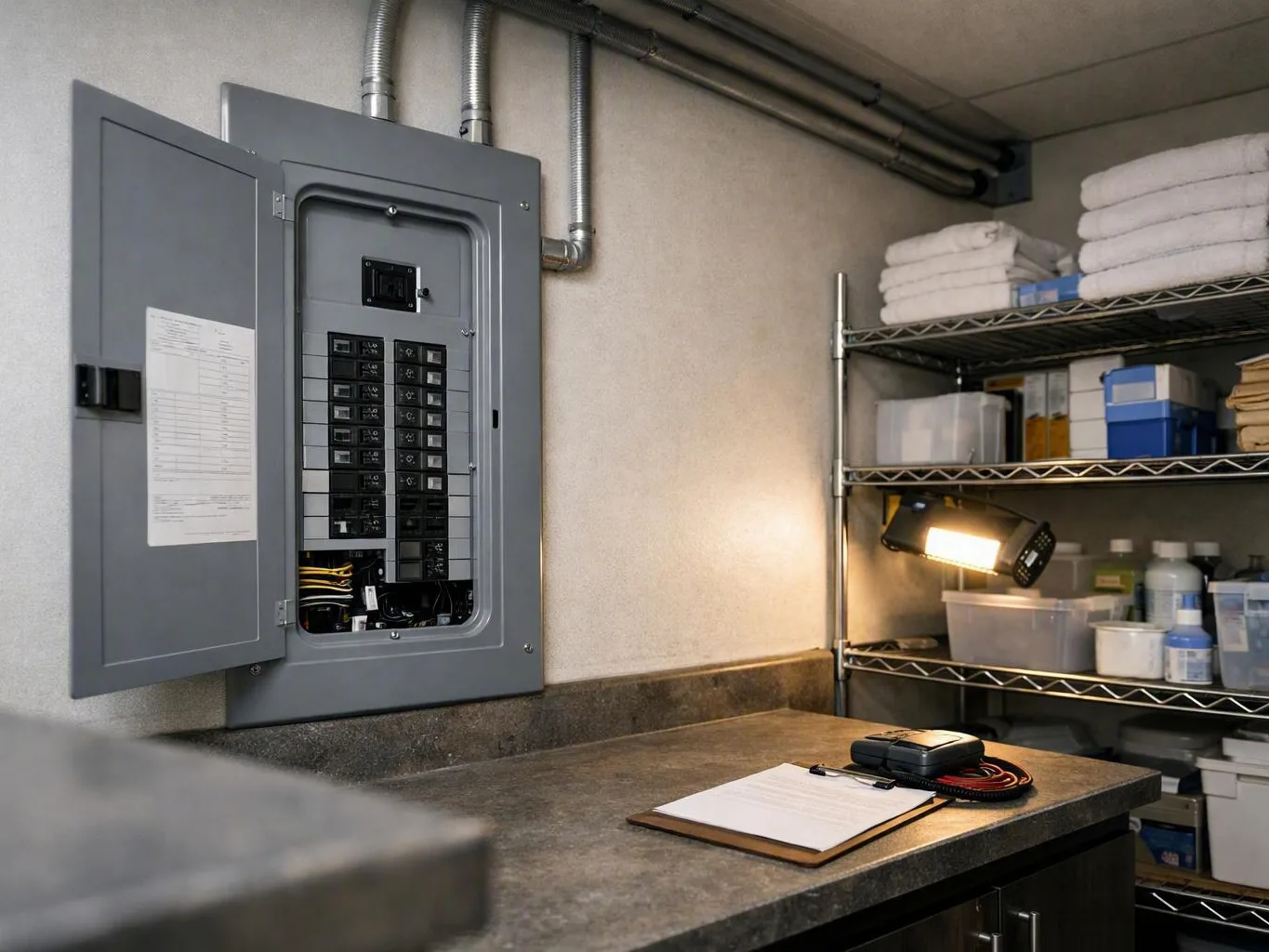
An arc fault matters because heat can build at a small point without causing an immediate outage. Nearby wood, paper, dust, or insulation may ignite if the arc continues.fire hazard can therefore exist even when lights work and a standard breaker remains on.
Proper AFCI protection reduces risk by disconnecting a circuit when its current pattern matches an arc signature. The device doesn't repair damaged wiring, and it can't guarantee that every fault will be detected. A tripping AFCI is a warning that calls for finding the source, not simply resetting the device repeatedly.
When Arc Fault Matters Most?
Arc fault protection deserves close attention during electrical remodeling, circuit additions, and panel changes. Current code requirements can depend on the room, circuit type, and building age. They can also depend on the work being performed. Local inspection rules also matter. The applicable edition of the National Electrical Code and local amendments should be checked before work begins.
Warning signs include a burning odor, buzzing, crackling, and scorch marks. Other signs include warm receptacles, flickering lights, damaged cords, or repeated AFCI trips. Turn off equipment connected to the affected circuit and avoid using damaged wiring. If smoke, visible arcing, or heat appears, leave the area. Call emergency services when needed. A qualified electrician can then trace the fault and make the required repair.
How to Evaluate Arc Fault?
- Check whether an AFCI trips repeatedly after connected loads and appliances are disconnected.
- Look for loose terminals, scorch marks, cracked insulation, damaged cords, or buzzing near electrical equipment.
- Confirm that the AFCI test button trips the device and that power returns only after a reset.
- Ask whether the suspected circuit meets the National Electrical Code and local inspection requirements.
- Determine whether testing isolates the wiring fault instead of replacing the AFCI without diagnosis.
Related Concepts Compared
Arc Fault vs. Arc-Fault Circuit Interrupter
An arc fault is the hazardous electrical condition. An Arc-Fault Circuit Interrupter is the protective device designed to detect certain arc patterns and disconnect power.
Arc Fault vs. Ground Fault
A ground fault sends current along an unintended path to ground or another conductive surface. An arc fault involves electrical current jumping across a gap or tracking through damaged material.
Arc Fault vs. Overcurrent
Overcurrent means current exceeds the safe rating of a circuit or conductor. An arc fault may occur without enough sustained current to trigger a conventional overcurrent breaker.
Arc Fault vs. Short Circuit
A short circuit creates a low-resistance path between conductors and usually produces a large current surge. An arc fault can occur across a small gap and may produce a lower, intermittent current.
Expert Note
A replacement AFCI may trip for the same reason as the original device if the wiring or connected equipment remains faulty. Diagnosis should separate nuisance trips from genuine arcing before anyone changes breaker size or bypasses protection.
Common Mistakes or Myths About Arc Fault
- Assuming every arc fault causes a standard breaker to trip immediately.
- Resetting a repeatedly tripping AFCI without finding the cause.
- Replacing an AFCI while leaving damaged wiring or a defective appliance connected.
- Using an oversized breaker to stop nuisance trips.
- Confusing AFCI protection with GFCI protection.
Arc Fault in Practice: A Real-World Example
A bedroom AFCI trips whenever a lamp cord is moved near its plug. Inspection finds a cracked plug and a loose receptacle terminal. Replacing the damaged lamp and repairing the connection removes the arc fault, while installing a new AFCI alone would not correct the underlying problem.
Sources & Further Reading on Arc Fault
- Electrical Safety Foundation International, Arc-Fault Circuit Interrupters
Related Terms
Arc-Fault Circuit Interrupter
Arc-Fault Circuit Interrupter is a protective device that detects dangerous electrical arcing and disconnects power before…
Ground Fault
Ground Fault is an unintended electrical connection between an energized conductor and a grounded surface, equipment…
Overcurrent
Overcurrent is an electrical condition in which current exceeds the safe rating of a conductor, circuit…
Branch Circuit
Branch Circuit is the wiring path that carries electricity from a service panel or distribution panel…
Chris Miller Electric
Have Questions About Arc Fault?
Contact Chris Miller Electric for practical guidance on Arc Fault and related 24/7 emergency electricians work in Fort Wayne.