
What is Junction Box?
Junction Box is an enclosed electrical box that protects and contains connections where two or more wires or cables meet. The enclosure shields splices from damage, limits contact with energized parts, and provides access for inspection or repair. Junction boxes may be metal or nonmetallic and must remain accessible after installation.
Quick Facts About Junction Box
Category
Electrical enclosure
Used for
Protecting wire splices and cable connections
Common confusion
A junction box is not the same as an electrical panel
Main risk
Loose or overloaded connections can create heat and fire hazards
Also called
splice box, electrical junction box
Often discussed with
Electrical Wiring Repair, Electrical Code Corrections
Key Takeaways About Junction Box
- A junction box protects wire splices and connections inside an approved enclosure.
- The box must remain accessible for inspection, testing, and future repairs.
- Box size must match the number and size of conductors inside.
- A cover helps prevent accidental contact with energized electrical parts.
- Junction boxes do not replace proper grounding, strain relief, or overcurrent protection.
Understanding Junction Box
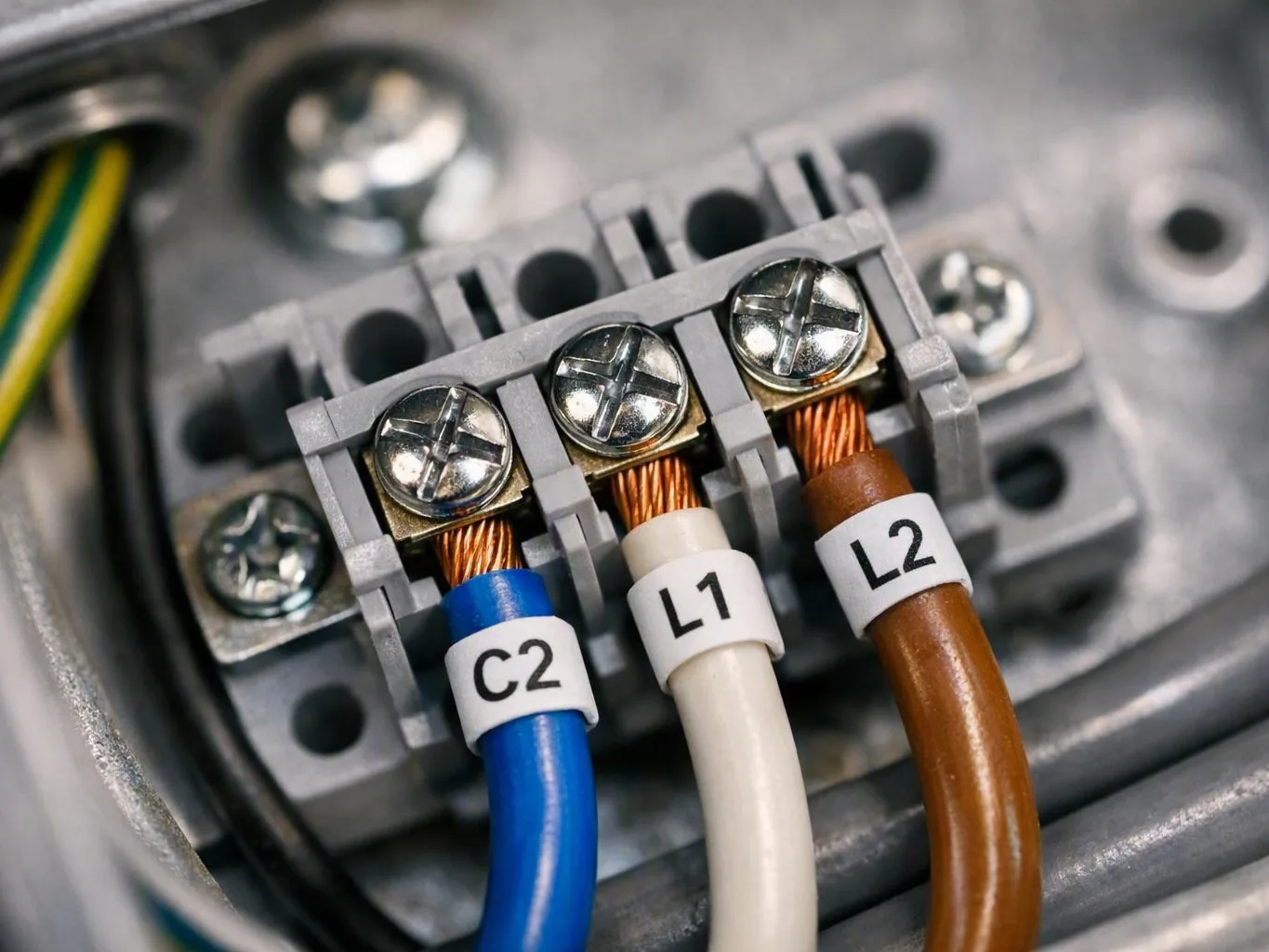
Junction box means an enclosure for electrical wire connections, splices, and terminations. A circuit may enter through one cable and leave through another. Several branch-circuit conductors may also meet at one location. The box protects those connections from impact, moisture, dust, and accidental contact.
Related glossary terms: Branch Circuit, Conduit, Electrical Grounding.
Boxes may use galvanized steel, aluminum, PVC, or other approved materials. A metal box usually needs bonding to the equipment grounding conductor. A nonmetallic box must suit the wiring method and location. A box cover closes the opening. Cable connectors or conduit fittings secure wires at each entry point.
How Junction Box Works, Is Measured, or Is Used?
Electricians route conductors into the box. They remove only the needed insulation. They join matching wires with listed connectors or terminals. Hot conductors carry power. Neutral conductors provide the return path. Equipment grounding conductors connect to each other and metal boxes when required. The completed connection stays inside the enclosure.
Box fill shows if the enclosure has enough space for its conductors, clamps, devices, and grounding wires. The calculation depends on conductor size and count. Certain internal clamps or fittings need extra volume. A crowded box can damage insulation and stop the cover from fitting. It can also increase heat at the connections.
Installation also depends on the wiring method and location. A junction box used.conduit needs compatible hubs or connectors. A box used with cable needs approved cable clamps or connectors. The box must stay accessible unless a code rule allows another setup. Drywall or finished surfaces can hide the box and create service problems.
Why Junction Box Matters?
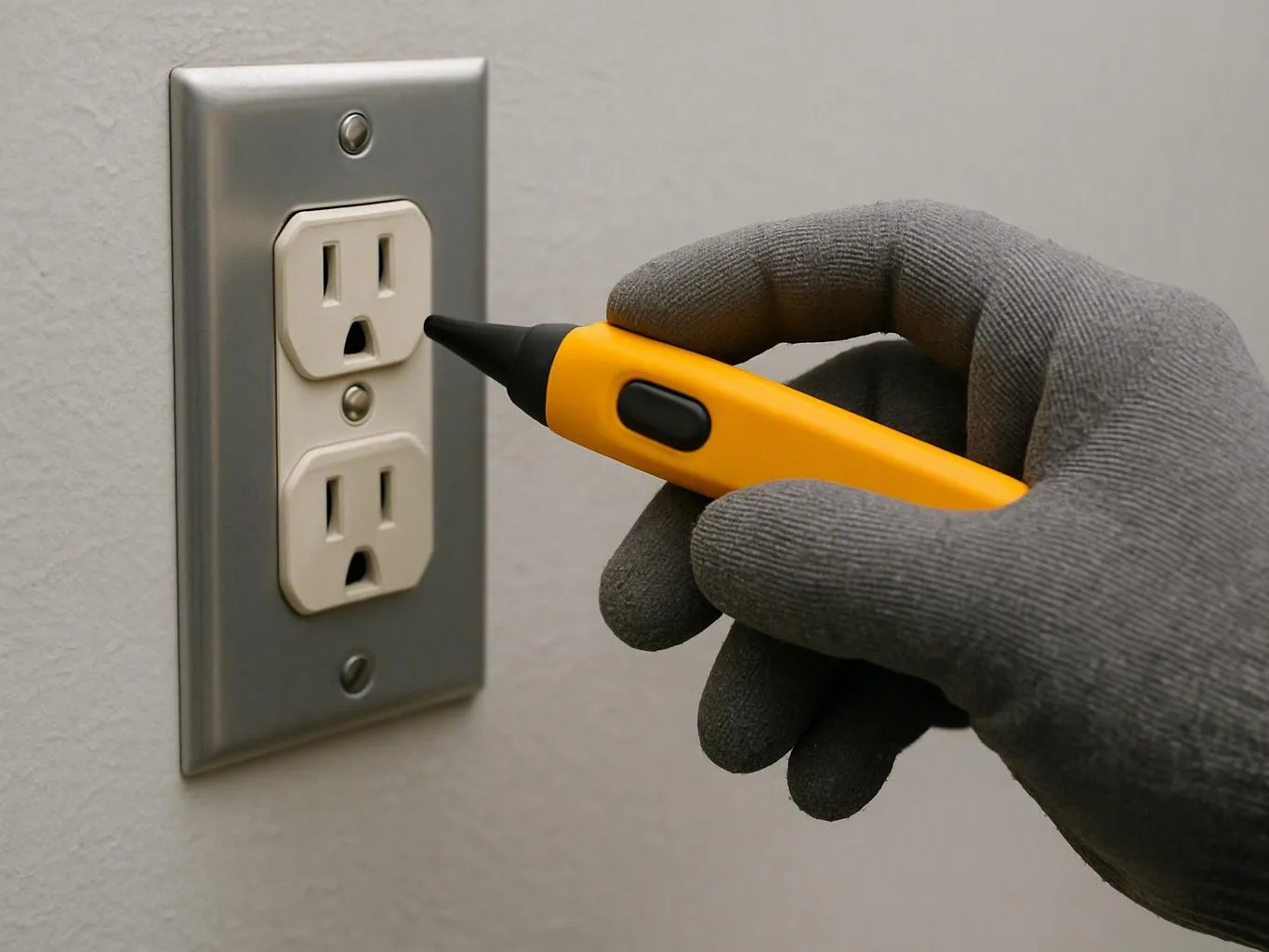
A properly installed box gives each connection a protected location for inspection. It lowers the chance that a loose splice will touch framing, insulation, or another conductor. The enclosure also helps an electrician trace a circuit. It lets them repair a fault without opening walls unnecessarily.
Box selection affects safety and system performance. A box without enough space can stress wire insulation and connectors. A box without a secure cover can expose live parts. Correct grounding, conductor sizing, connector selection, and overcurrent protection still matter. A junction box alone can't fix an overloaded or badly wired circuit.
When Junction Box Matters Most?
Junction boxes matter during remodeling, service upgrades, and emergency troubleshooting. Older wiring may contain hidden splices or damaged insulation. It may also have connections outside approved enclosures. Finding and fixing these problems can prevent repeated outages, flickering lights, warm covers, and burning odors.
Pay close attention to scorch marks, corrosion, loose covers, or melted insulation. Also look for signs of water entry. A box near an attic, crawl space, garage, or exterior wall may need special protection. Work that changes fixed wiring may need an electrical permit or inspection. Local rules decide this need. National Electrical Code requirements provide the main technical framework for many jurisdictions.
How to Evaluate Junction Box?
- Confirm that every splice sits inside an approved box with a secure, properly fitted cover.
- Check that the box has enough volume for all conductors, clamps, fittings, and grounding connections.
- Look for listed cable connectors, conduit fittings, and wire connectors that match the wiring method.
- Verify that the box remains accessible and shows no heat damage, corrosion, moisture, or loose connections.
- Ask whether metal boxes and equipment grounding conductors are bonded correctly.
Related Concepts Compared
Junction Box vs. Electrical Panel
An electrical panel distributes power through breakers or fuses and often contains disconnecting means. A junction box mainly encloses wire connections and normally does not control circuit protection.
Junction Box vs. Pull Box
A pull box provides space to pull and route conductors through conduit. It may contain no splices, while a junction box commonly contains connected conductors.
Junction Box vs. Device Box
A device box holds equipment such as a receptacle, switch, or dimmer. A junction box is primarily intended for splices and cable connections.
Expert Note
A box can look large enough and still fail the box-fill calculation. Count conductor entries, internal clamps, grounding conductors, and devices before choosing the enclosure. Loose connections often cause heat long before a breaker trips.
Common Mistakes or Myths About Junction Box
- Covering a junction box with drywall, paneling, insulation, or another permanent finish.
- Putting too many wires into a box without checking the box-fill calculation.
- Leaving wire splices loose, exposed, or outside an approved enclosure.
- Using ordinary indoor boxes or fittings in wet or damp locations.
- Assuming a junction box provides circuit protection like a breaker or fuse.
Junction Box in Practice: A Real-World Example
During a kitchen remodel, one cable brings power from the panel and another feeds nearby lighting. An electrician places the splice inside an accessible junction box, secures both cables with approved connectors, bonds the metal box, and installs a cover. The finished wall must not hide the box.
Related Terms
Branch Circuit
Branch Circuit is the wiring path that carries electricity from a service panel or distribution panel…
Conduit
Conduit is a tube or channel that protects and routes electrical wires and cables. Electricians install…
Electrical Grounding
Electrical Grounding is a safety system that connects electrical equipment and circuits to the earth or…
National Electrical Code
National Electrical Code is a widely adopted set of safety rules for electrical design, installation, inspection…
Chris Miller Electric
Have Questions About Junction Box?
Contact Chris Miller Electric for practical guidance on Junction Box and related 24/7 emergency electricians work in Fort Wayne.