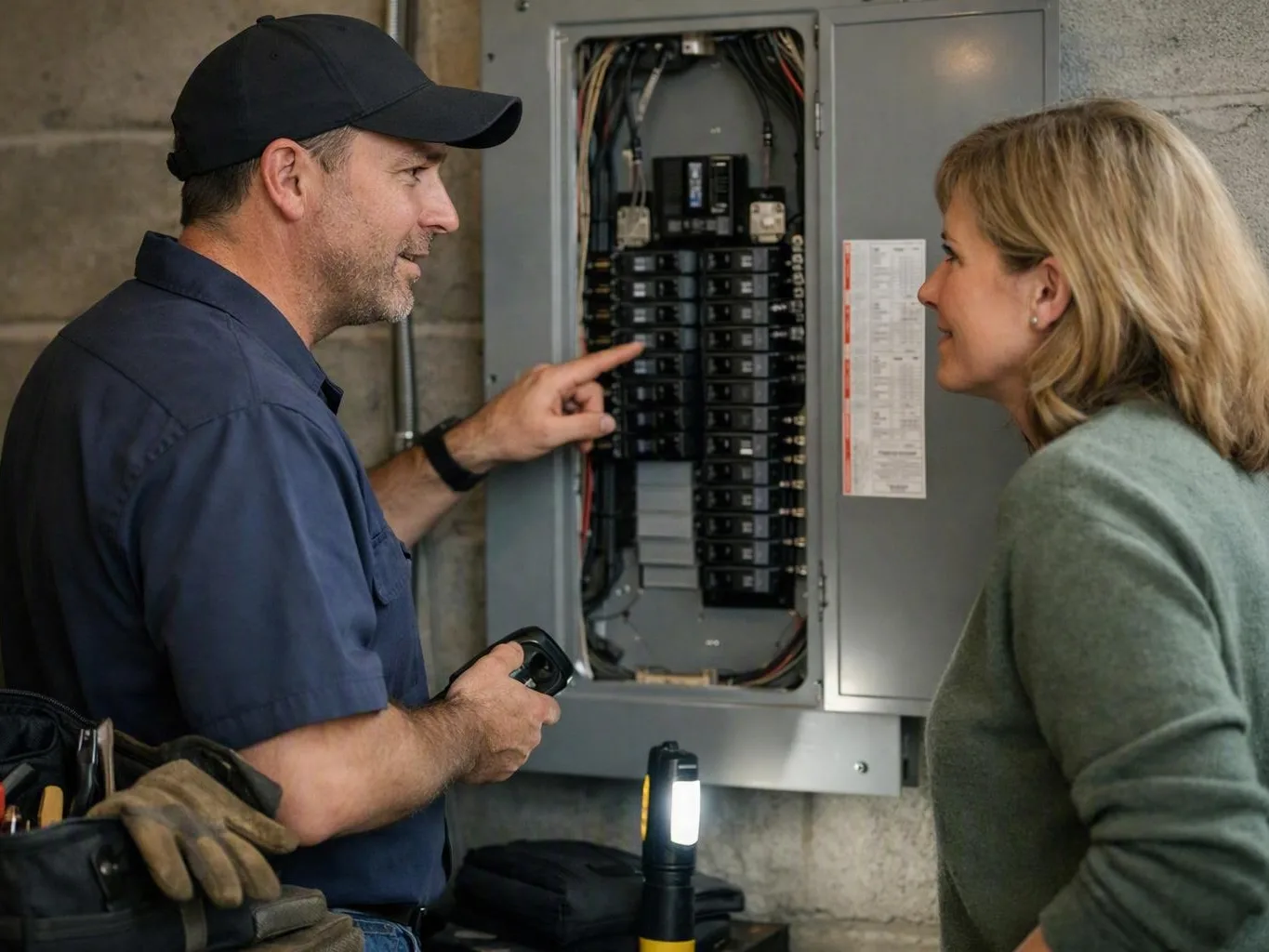
Commercial Emergency Electrical Repairs in Fort Wayne, IN
Commercial emergency electrical repair in Fort Wayne, in often costs more than planned work. Urgent timing, testing, access, parts, damage, and code rules affect the price. A commercial electrician can start by phone and review the problem. Unsafe outages and hazards usually receive the earliest safe response. A service call often includes a hazard check, system tests, safety steps, repair choices, and notes. Panel repairs need extra checks for breakers, busbars, wiring, and load capacity. Businesses should repair isolated damage when testing shows it's safe. Replacement may be better when age, defects, or code issues make repair unsafe.
Get a Free Estimate
Commercial emergency electrical repair affects cost, response, and repair steps for Fort Wayne, in properties. Chris Miller Electric can help businesses gather key facts. We can also help protect staff and customers. You'll learn whether you need a quick safety fix or lasting repair.
How Much Does Commercial Emergency Electrical Repair Cost?
Commercial emergency electrical repair cost depends on the hazard, test time, labor, access, parts, damage, and code work. An electrician must inspect the system before giving a fair estimate. A tripped breaker and a wiring fault need different repairs.
A service call may start with a few questions. What failed? When did it happen? Did anyone see smoke, heat, sparks, or smell burning? Your answers help our team choose the safest response. Don't reset a breaker again and again. Don't open powered equipment.
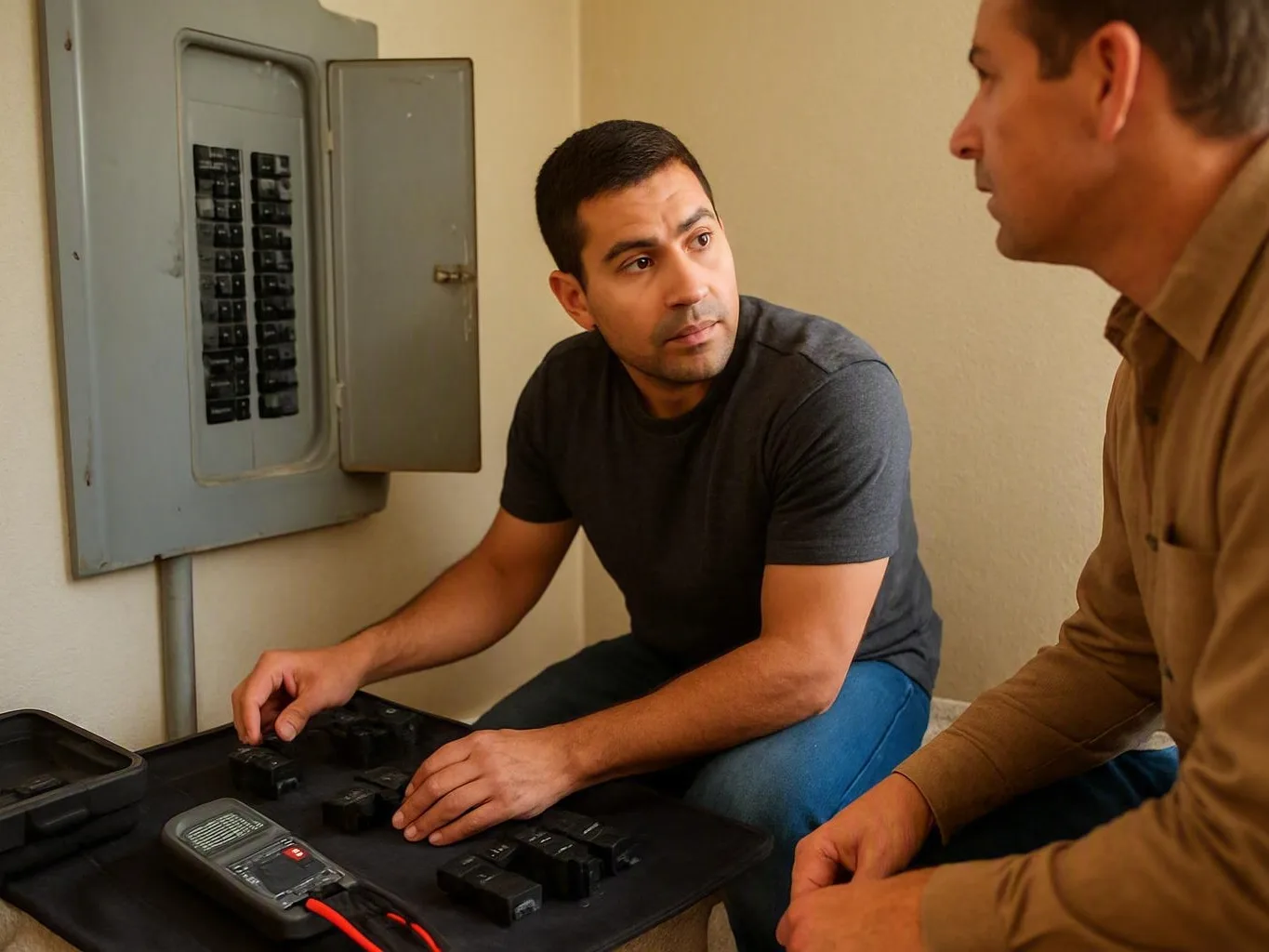
Testing often drives the first large cost. A technician may trace a fault through several parts.electrical panel, feeders, circuits, disconnects, or machines. Testing may include voltage checks and load checks. It may also include visual checks for heat damage. Access affects the time. Panels may sit behind goods, above ceilings, or in work areas.
Timing and site conditions also affect labor. After-hours commercial electrical repair may need emergency dispatch. Two technicians may be needed for some jobs. A lift or safety gear may also be needed. Work may require help from a building manager. Winter weather can slow access.Fort Wayne. Freeze-thaw weather can also stress outdoor electrical parts.
Parts may include breakers, fuses, disconnects, wires, boxes, contactors, or machine parts. Part supply affects the repair plan. A temporary fix may be possible while parts are ordered. Some businesses may run with limited power. Others need a full shutdown for safety.
Older Fort Wayne buildings may have old wiring or crowded panels. They may also have limited service capacity. New retail, industrial, and office buildings have different load needs. Storms and strong winds can harm service gear. Water can also enter outdoor systems. A safety fix may restore safe conditions. Permanent work may still need tests, weather protection, and code updates.
Simple emergency visits often need a short check and test period. Hidden wires, feeders, and damaged gear may take hours. They may also need a return visit. These ranges help with planning. They don't promise a set time. The final work plan should list labor, parts, tests, notes, and later work.
Which Factors Change the Cost of an Emergency Electrical Repair?
Emergency electrical repair cost changes with timing, fault location, equipment type, access, parts, and code work. Businesses can prepare before help arrives. Note the symptoms and affected circuits. Secure the area. Share panel labels, equipment details, and past work.
| Factor | Why it changes the cost | What to prepare |
|---|---|---|
| Emergency response | Urgent dispatch, after-hours work, and hazards need more planning and safety steps. | Describe the outage, smoke, heat, sparks, odors, and business impact. |
| Electrical panel | A breaker may be easy to isolate. Busbar, feeder, box, or service damage needs more testing. | Provide panel labels and safe photos. Share known circuit details. |
| Wiring fault | Hidden or on-and-off faults take more testing than open, easy-to-reach wires. | Note recent building work, water entry, moved equipment, trips, or odd sounds. |
| Commercial equipment | Motors, controls, cooling units, machines, and electronics may need special tests or parts. | Share the nameplate, model, symptoms, guides, and shutdown steps. |
| Electrical code | Changed panels, feeders, wires, or equipment may need code work and local review. | Keep past inspection notes. Ask which local permits or inspections apply. |
Fort Wayne, in properties should also review weather exposure. Freeze-thaw movement can harm outdoor conduits and fittings. Wind and storms can damage service parts. They can also lead to water entry. A commercial electrical service provider should explain temporary and permanent work separately.
How Quickly Can a Commercial Electrician Respond?
A commercial electrician response depends on open crews, hazard level, road conditions, site access, and dispatch details. Tell the electrician about smoke, burning odors, exposed wires, sparks, equipment failure, or a full outage. This helps the team choose the safest practical response. The team may also give shutdown steps.
No single response time is safe to promise for every Fort Wayne, in emergency. Winter roads, storms, wind, and property location can affect travel. Site access can cause delays too. Serious hazards receive priority based on risk. The safest step may be to cut power first. Don't wait near powered equipment.
During dispatch, tell our team if anyone is hurt. Report water near the equipment. Also report effects on alarms, cooling, machines, lifts, computers, or other key systems. Staff should use the main disconnect only when they can reach it safely. They must know what it controls. Never enter a damaged electrical room. Never touch wet equipment.
A business plan can reduce lost time. Keep a current contact list and panel schedule. Keep an equipment list and shutdown plan too. Mark restricted areas clearly. Arrange access for the electrician, owner, manager, or utility when needed. The first visit may make the site safe. A later visit may finish wiring, replacement, tests, and notes.
Our crews provide urgent commercial electrical service with clear updates. 24/7 Emergency Electricians may be available for urgent needs. Confirm availability during dispatch. Businesses can also schedule Commercial Electrical Repairs in Fort Wayne. This option fits controlled hazards and planned permanent work.
What Is Included in a Commercial Electrical Emergency Service Call?
A commercial electrical emergency service call starts with a safety check and inspection. It then moves to testing, fault finding, temporary safety work, and a repair plan. The exact steps depend on the hazard. They also depend on whether people can stay in the building.
- Safety isolation: Our team finds unsafe areas and limits access. We help decide if power must be shut off before testing.
- Electrical inspection: The technician checks service gear, the commercial electrical panel, wires, disconnects, outlets, controls, and affected equipment.
- Voltage testing: Meter tests show if power is present. They show where power stops. They also show if hidden power remains.
- Fault tracing follows the test results. The technician looks for the main cause. They won't replace a breaker without checking why it failed.
- A temporary repair may cover exposed wires or isolate a failed circuit. It may support limited safe use. Temporary work stays separate from permanent work.
- The technician explains repair choices, needed parts, access needs, and code concerns. They also explain if the utility or another trade must help.
- Documentation lists test results, circuits, photos when useful, hazards, completed work, and next steps.
Businesses should keep these notes with their electrical records. They can speed up future testing. They can also help staff spot repeat faults. Storm repairs don't prove that outdoor gear has lasting protection. Water and wind damage still need review.
How Much Does Commercial Electrical Panel Repair Cost?
Commercial electrical panel repair cost depends on the failed part and panel condition. The fault may involve a breaker, busbar, box, feeder, connection, or service capacity. The electrician must test the panel and connected loads. They must also check code issues. Then they can choose repair or replacement.
A breaker may trip from an overload or short circuit. It may also trip from heat, loose connections, age, or a machine problem. Replacing it without testing can leave the hazard in place. Our team checks the circuit and connected loads first.
Busbar damage can be serious. Heat marks, arcing, rust, or loose connections can make power unsafe. Wrong parts can cause problems too. The box, cover, grounding, bonding, and work space also matter. Repair isn't right when the full panel is damaged. It also isn't right when approved parts aren't available.
Service capacity is another key factor. Older Fort Wayne buildings may have less power capacity. Newer industrial, retail, and office sites may have more. Added machines, kitchen gear, heating and cooling, refrigeration, or electric vehicle charging can raise demand. A breaker change won't solve every load problem. A load check shows if the service can support current and planned use.
Panel work may include feeder wires, disconnects, utility work, labels, grounding, or code fixes. Ask our team which rules need local review. This applies before changed panels, feeders, wires, or equipment return to use. We won't guess about permits or inspections. We'll confirm the local rule that applies.
Panel replacement may be safer in several cases. The box may be outdated. The busbar may be damaged. Approved breakers may be unavailable. The panel may fail often. It may also lack enough load capacity. The written plan should explain the failure, test results, needed parts, and temporary work.
Should a Business Repair or Replace Damaged Electrical Equipment?
Damaged electrical equipment should be repaired when the damage is limited. Parts must still work. Tests must show safe operation. Replacement is often better when wires, insulation, boxes, or key parts are damaged. Age, missing parts, repeat failures, or code rules may also make replacement safer.
Repair may fit a small failure. Examples include a fuse, connection, control, or approved part. The rest of the unit must remain safe. The technician checks for heat, moisture, arcing, loose parts, and damaged insulation. Maker rules must be followed. This matters for motor controls, cooling systems, machines, and electronic gear.
Replacement deserves more thought after floods or fire. It may also be better after arc damage, heavy rust, crushed conduit, or melted insulation. Wet gear may look dry but still be unsafe. Internal controls, terminals, bearings, and insulation may be damaged. Never return wet equipment to use based only on its appearance.
Age and part supply also affect the choice. Old panels, disconnects, starters, and control systems may lack safe parts. Repeat emergency repairs can cost more than planned replacement. A new unit may improve labels, service access, and future capacity. It must still fit the building and meet safety rules.
Our team can compare a quick repair with full replacement. The review should cover trust, downtime, maker rules, code needs, lead times, access, and connected commercial electrical equipment. Commercial Electrical Installation may be needed for new circuits or feeders. It may also be needed when capacity changes.
Storm outages need extra care. A temporary repair can isolate damaged service gear. It can protect the property while others address larger damage. Permanent work should include weather protection and tests. It should also check for water around outdoor systems.
How Can Businesses Reduce Emergency Electrical Repair Costs?
Businesses can lower emergency electrical repair costs with regular checks and clear records. Label panels and track repeat faults. Keep equipment easy to reach. Fix nuisance trips early. Separate hazards from planned upgrades. These steps can reduce test time and help the electrician bring the right parts.
Our team can help sort a true hazard from a repair need. A planned approach supports safer commercial electrical services. It also helps protect staff, goods, systems, and work time.
Questions About 24/7 Emergency Electricians
How Much Does Commercial Emergency Electrical Repair Cost?
The cost depends on the hazard, test time, labor, access, parts, damage, timing, and code work. An inspection is needed before a fair estimate. Breaker, wiring, panel, and storm damage need different repairs.
How Quickly Can a Commercial Electrician Respond?
Response depends on open crews, hazard level, road conditions, access, and dispatch details. Explain smoke, odors, exposed wires, sparks, equipment failure, or a full outage. Staff should follow shutdown guidance. Stay away from damaged or wet electrical equipment.
How Much Does Commercial Electrical Panel Repair Cost?
Panel repair cost depends on the failed part and panel condition. Testing may find a breaker, busbar, feeder, connection, box, or service-capacity issue. The electrician should check loads, code rules, parts, and replacement needs.
What Is Included in a Commercial Electrical Emergency Service Call?
A typical call includes a hazard check, safety isolation, inspection, voltage tests, fault tracing, temporary safety work, repair choices, and notes. The visit may also find needed parts, access needs, code questions, and follow-up work.
Should a Business Repair or Replace Damaged Electrical Equipment?
Repair can work when damage is limited and tests show safe use. Replacement is often safer when wires, insulation, boxes, or key parts are damaged. Missing parts, repeat failures, old equipment, and code rules can also support replacement.
How Do I Know if My Commercial Electrical Panel Needs to Be Replaced?
Replacement may be needed after heat, arc damage, busbar damage, old parts, repeat failures, rust, low load capacity, or code concerns. A commercial electrician should inspect and test the panel first.
Plan the Next Safe Step for Your Business
Our team can help Fort Wayne, in properties review an outage and isolate a hazard. We can also record the findings and plan lasting work. Share the equipment, panel details, symptoms, and access needs. We'll then discuss the safest next step.
Request commercial electrical service when you need help with an urgent fault, panel concern, or planned repair.
Related Resources
Electrical Panel Repair vs. Replacement: Cost, Options, and Timing
electrical panel repair vs replacement cost
Compared ToWhole-House Surge Protection: Installation Cost and Options
whole house surge protector installation cost
How It WorksBurning Smells and Flickering Lights: The Emergency Electrical Diagnostic Process
burning smell electrical emergency electrician
How It WorksElectrical Code Corrections: What the Electrician Fixes and How Long It Takes
electrical code corrections cost electrician