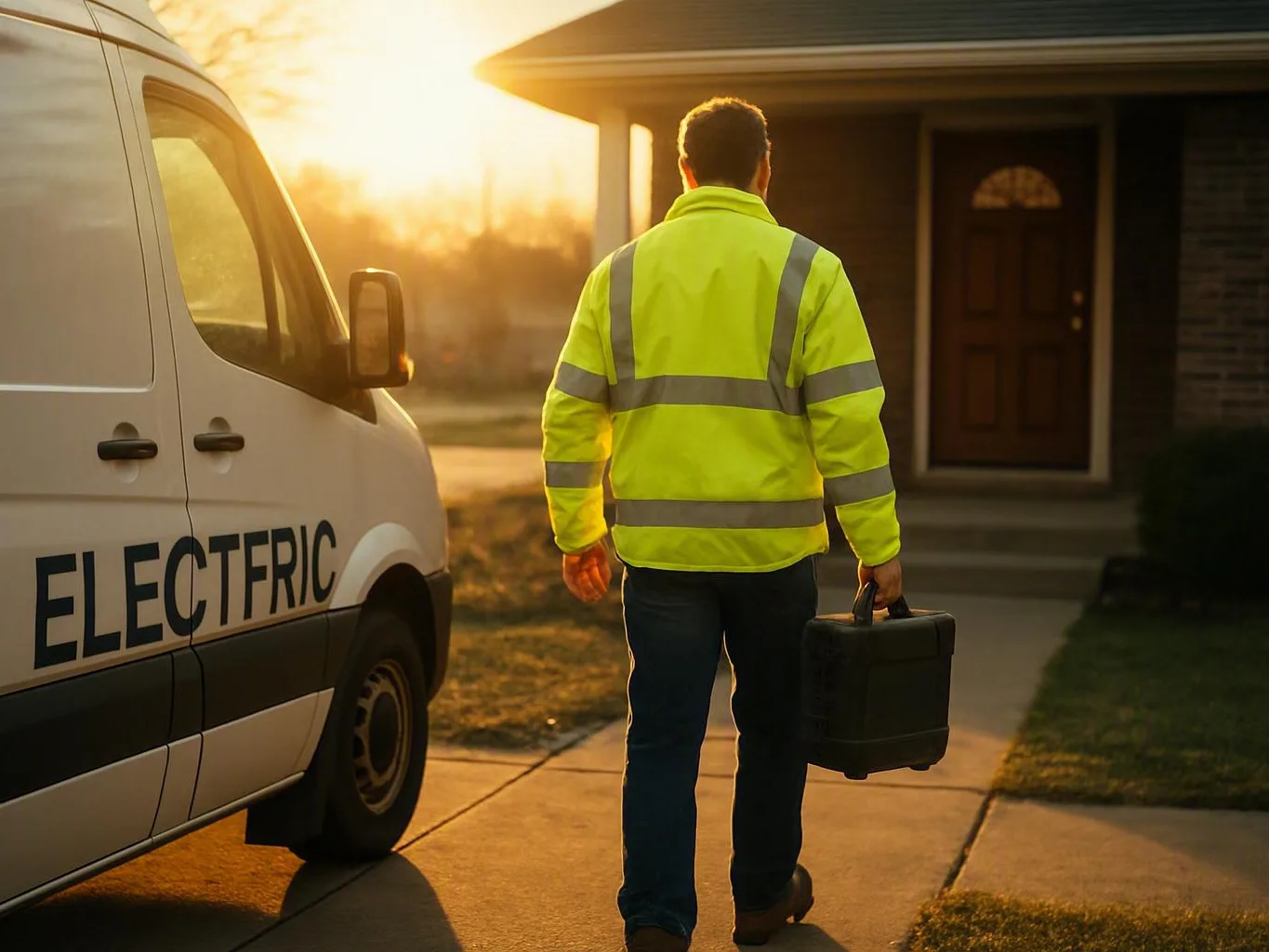
Whole-House Surge Protector Installation in Fort Wayne, IN
Whole-house surge protector installation in Fort Wayne, in often costs several hundred dollars. The price depends on the device, panel condition, wiring access, and permit needs. An electrician can often install the protector at the service panel within a few hours. This device may help protect appliances, electronics, HVAC controls, and other connected equipment. Power strips offer limited protection at one outlet. A panel-mounted device offers wider coverage. After a power surge, an electrician should check the panel and protector before adding new protection.
Get a Free EstimateHow Much Does Whole-House Surge Protector Installation Cost in Fort Wayne?
Whole-house surge protector installation cost depends on several parts of the job. These include the device, panel, wiring access, labor, and local permit needs. A simple job costs less than work that needs panel repair, rewiring, or new grounding. An electrician should give you a site-specific quote before work starts.
Most basic jobs cost several hundred dollars as a planning guide. This amount isn't a fixed price. A Type 1 surge protective device protects equipment near the service entrance. A Type 2 surge protective device is often installed at the service panel. The device size and breaker connection also affect the work.
Labor stays lower when the panel is easy to reach and has open space. Some older Fort Wayne homes have crowded or outdated panels. In that case, Electrical Panel Repair may come first. A panel replacement may be safer if the current panel can't support the work.
Fort Wayne, in homeowners should ask about local permit and inspection rules. These rules may change the project time and cost. We check the current requirements before work begins. Your quote should list the device, labor, panel condition, grounding, and inspection steps.
Is a Whole-House Surge Protector Worth It?
A whole-home surge protector can be worth the cost in many homes. It may help protect costly electronics, smart devices, HVAC controls, and appliances. It covers more equipment than single power strips. Still, it can't stop every surge or replace proper grounding and panel care.
Lightning and utility surges are common concerns during Fort Wayne's spring and summer storms. Winter weather can also cause outages and power changes. Power restoration may create more surge risks. These events don't guarantee that equipment will fail.
The device may help protect furnace controls, air conditioners, televisions, computers, and smart-home systems. This matters more when your home relies on electronic controls. HVAC systems use these controls during very hot and cold weather.
A surge protective device can't guarantee that damage won't happen. Some warranties may exclude poor grounding, bad installation, direct lightning damage, or extra losses. Ask what the warranty covers. Keep your electrical system in safe condition.
Whole-House Surge Protector vs. Power Strips.
A whole-house surge protector connects to the electrical service panel. It can help protect many circuits across the home. A power strip protects selected devices at one outlet. Your choice depends on coverage, equipment value, and budget. Many homes use both types of protection.
| Factor | Whole-House Surge Protector | Power Strip |
|---|---|---|
| Cost | Professional device and installation cost | Lower purchase cost per device |
| Timeline | Usually completed during a short electrician visit | Immediate homeowner setup |
| Maintenance | Periodic inspection and replacement after significant surge activity or indicator failure | Replace when damaged, worn, or its protection indicator fails |
| Best for | Broad protection for circuits, appliances, HVAC, and connected home systems | Sensitive equipment located near a specific outlet |
A power strip protects selected equipment near one outlet. It doesn't cover every branch circuit. Panel-mounted protection works at the electrical service. It can also work with outlet devices. Computers and home theater systems may need both types.
Whole-House Surge Protectors: Pros and Cons
A panel-mounted surge protector works near the home's electrical service. Its value depends on good grounding and matching equipment. Safe installation also matters.
Pros of a Whole-House Surge Protector
Cons of a Whole-House Surge Protector
Power strips still help protect equipment near one outlet. They aren't a replacement for panel protection. Panel protection makes more sense when you want wider coverage.
How Long Does Surge Protector Installation Take?
Surge protector installation often fits into a short electrician visit. This assumes the panel is easy to reach and in good shape. The visit may take longer if the electrician finds rust, crowding, damaged breakers, or grounding problems. A panel repair or replacement may also come first.
Most simple jobs take a few hours. This includes the panel check, installation, testing, and cleanup. Wiring access and breaker choice may change the time. The grounding electrode system may also need review.
Electrical code rules may affect the work. Fort Wayne, in permit and inspection rules should be checked before scheduling. We explain these steps before work begins.
What Should an Electrician Do After a Power Surge?
After a power surge, an electrician should check the panel, wiring, grounding, breakers, and protector. The electrician should also check connected equipment. If damage exists, unsafe parts should be shut off. Panel repair or replacement may be needed before normal use resumes.
Don't open the breaker panel or touch damaged wiring yourself. Move away if you see smoke, sparks, or burn marks. Leave the area if you smell hot electrical parts. Our 24/7 Emergency Electricians can help with urgent electrical safety concerns.
How Chris Miller Electric Can Help You Choose Surge Protection?
Chris Miller Electric can check your Fort Wayne home's electrical panel. We can compare whole-house and point-of-use protection. We can also check if panel repair or replacement affects the job. A home check helps match the device to your wiring, grounding, and equipment.
Our team can review the service entrance, circuit space, panel layout, and grounding system. We can also discuss possible lightning and utility surge risks. Then, we'll explain which option fits your goals. That may include panel protection, a power strip, or both.
For a Fort Wayne homeowner, Whole-House Surge Protector Installation in Fort Wayne should start with a clear inspection. Unsafe or outdated equipment may need work first. We can discuss Electrical Panel Repair or electrical panel replacement before installation.
Contact us for a clear assessment and written plan. We'll base it on your home's condition, equipment, and local rules.
Request a surge protection assessment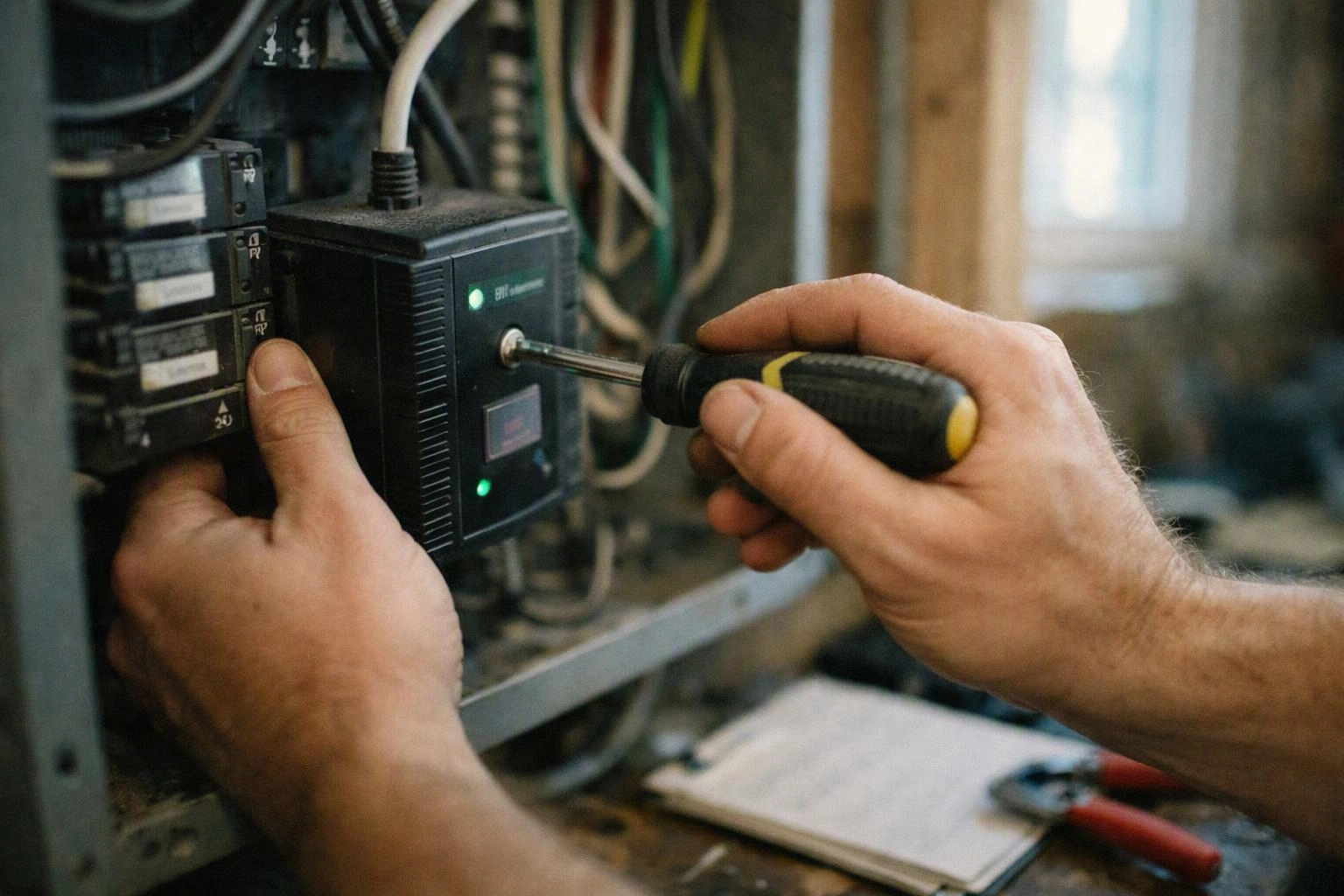
Questions About 24/7 Emergency Electricians
How Much Does Whole-House Surge Protector Installation Cost?
Whole-house surge protector installation typically costs several hundred dollars for a simple job. The final price depends on the device, labor, panel condition, wiring access, and grounding. Local permit or inspection needs may also affect the price. Panel repair, replacement, or rewiring can increase the project scope.
Is a Whole-House Surge Protector Worth It?
It can be worth it for homes with costly electronics, smart devices, appliances, or HVAC controls. It offers wider coverage than a power strip. Still, it can't stop every surge or replace proper grounding and panel care.
Whole-house Surge Protector vs Power Strips?
A whole-house device connects at the electrical service panel. It helps cover many circuits. A power strip protects selected equipment at one outlet. Many homeowners use panel protection with quality power strips for sensitive electronics.
How Long Does Surge Protector Installation Take?
A simple installation commonly takes a few hours. That includes the inspection, installation, testing, and cleanup. Rust, crowding, damaged breakers, grounding problems, wiring access, or panel replacement can extend the visit.
Can an Electrician Install a Surge Protector After a Power Surge?
Yes, but the electrician should first inspect the panel, wiring, grounding, and connected equipment. The protector indicator and surge damage should also be checked. Unsafe or damaged parts should be repaired or replaced first.
Related Resources
Circuit Breaker and Fuse Replacement: What It Costs and How It Works
circuit breaker replacement cost emergency electrician
What It CostsCommercial Emergency Electrical Repairs: Cost, Response, and Process
commercial emergency electrical repair cost Fort Wayne
How It WorksBurning Smells and Flickering Lights: The Emergency Electrical Diagnostic Process
burning smell electrical emergency electrician
How It WorksElectrical Code Corrections: What the Electrician Fixes and How Long It Takes
electrical code corrections cost electrician