
What is Surge Protector?
Surge Protector is a device that limits brief increases in electrical voltage and sends excess energy toward ground or another safe path. It helps protect connected equipment from transient surges caused by lightning, utility switching, or motor operation. A surge protector doesn't provide backup power and can't correct sustained overvoltage or wiring faults. For more detail, see Whole-House Surge Protection: Installation Cost and Options.
Quick Facts About Surge Protector
Category
Electrical protection device
Used for
Limiting transient voltage spikes
Measured by
Clamping voltage, joules, and response time
Common confusion
A surge protector is not the same as a power strip
Also called
Surge suppressor, Transient voltage surge suppressor
Often discussed with
Whole-House Surge Protector Installation, Electrical Code Corrections
Key Takeaways About Surge Protector
- A surge protector limits short voltage spikes that can damage sensitive electronic equipment.
- Protection ratings include clamping voltage, joule capacity, and response time.
- A power strip may lack surge protection even when it has several outlets.
- Whole-house protectors work at the electrical panel and protect many branch circuits.
- Surge protectors wear out and may need replacement after major events.
Understanding Surge Protector
Surge Protector is equipment that reduces voltage for connected devices. It works during a short electrical surge. Common parts include metal-oxide varistors, gas discharge devices, and thermal protection. These parts respond when voltage rises above a set level. They then divert or limit some extra energy.
Related glossary terms: Electrical Grounding, Electrical Service, Overcurrent.
Surges can enter through utility wiring, communication lines, or equipment inside a building. Lightning is one possible source. Switching motors, transformers, and utility equipment can also create smaller transient events. A surge protector doesn't stabilize every power problem. It doesn't replace.circuit breaker or correct reversed polarity. It also doesn't provide electricity during an outage.
How Surge Protector Works, Is Measured, or Is Used?
Most plug-in protectors connect between a receptacle and an appliance. Under normal conditions, the protective part carries little current. During a voltage spike, the part changes its electrical behavior. It directs extra energy toward the grounding path. A thermal cutoff can disconnect a failed part. This can reduce fire risk.
Product specifications help compare protection. Each number answers a different question. Clamping voltage shows when the device starts limiting a surge. Joule rating describes the energy the device can absorb over time. Ratings don't fully predict service life. Response time shows how quickly the device reacts. A status light may show if protection remains active.
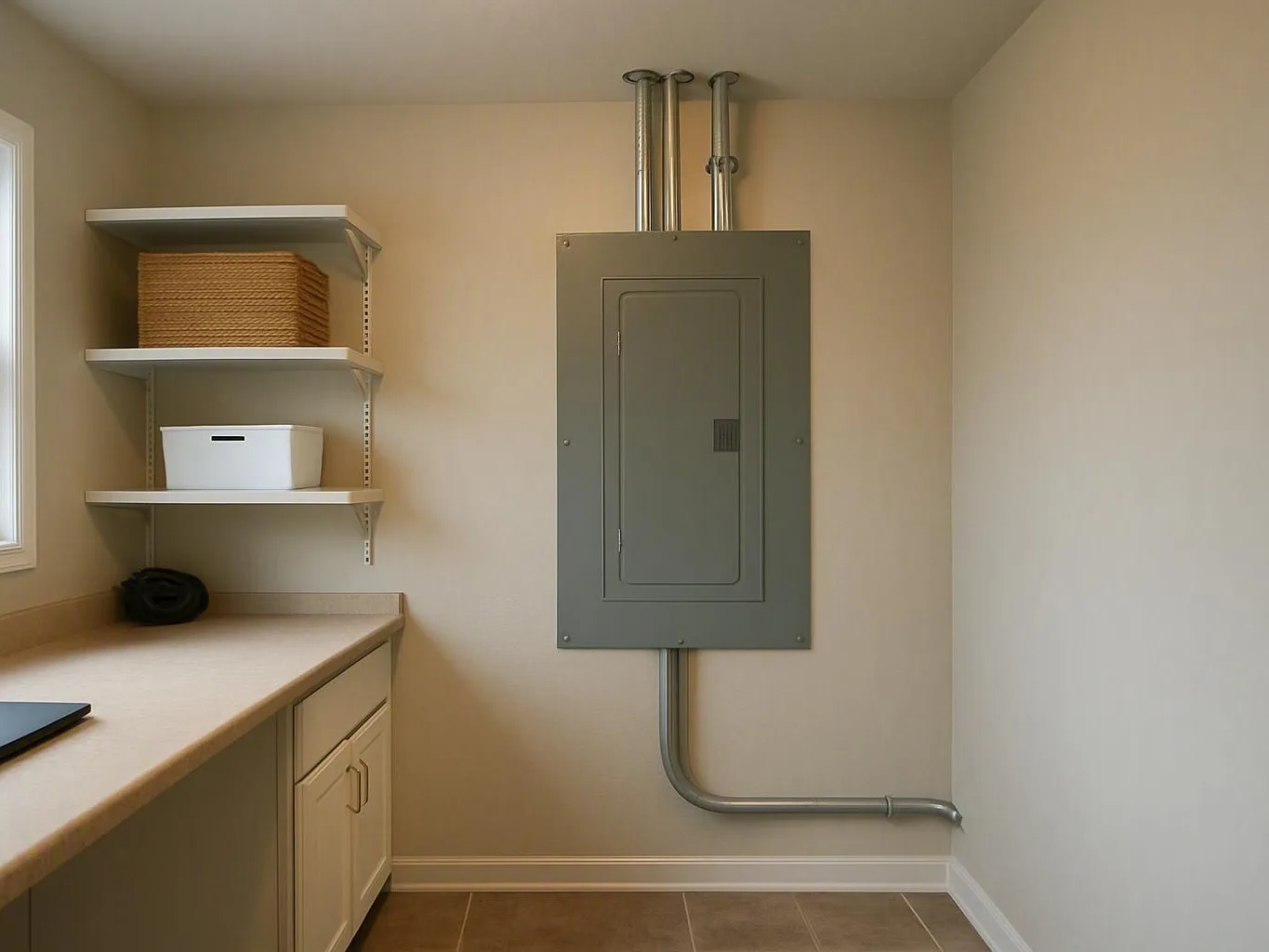
A whole-house unit connects at the service panel. It protects circuits throughout the building. A plug-in unit adds protection near sensitive equipment. This equipment can include computers, televisions, controls, and network hardware. Layered protection works best with a sound grounding system. It also needs properly installed wiring.
Why Surge Protector Matters?
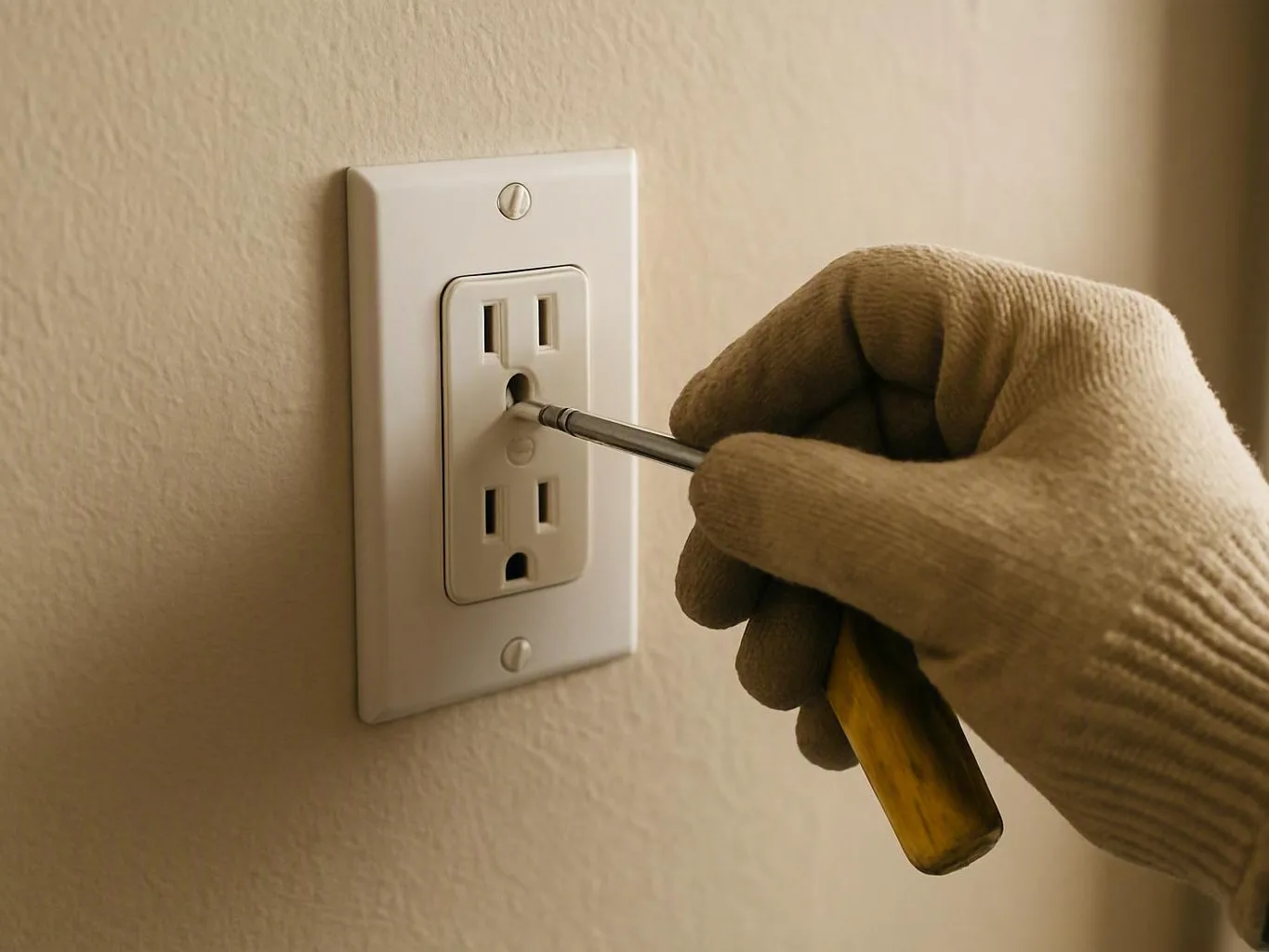
Modern homes contain electronics that brief voltage events can affect. This can happen even when no breaker trips. Damage may appear right away. A weakened power supply may fail later. A surge protector can reduce this risk. The device has limits based on its rating, installation, and grounding path. Repeated events also affect these limits.
Protection also affects equipment planning and maintenance choices. A plug-in unit with a worn indicator should leave service. The same applies to cracked housing, heat damage, or a loose connection. Whole-house equipment must match the electrical system. It must also meet installation needs. An electrician can identify grounding or bonding problems. A plug-in product can't fix those problems.
When Surge Protector Matters Most?
Surge protection matters when a building has costly electronics. It also matters with a standby generator or long utility service lines. Frequent storms can also increase its value. Protection matters after lightning, utility work, or major equipment failure. It also matters after unexplained damage to several electronic devices. These conditions can increase transient voltage on branch circuits.
Before choosing a device, check its voltage rating and listing mark. Also check the wiring arrangement and installation instructions. A panel-mounted unit requires work near energized equipment. The installation must follow the National Electrical Code and local requirements. In Fort Wayne, an electrician may assess the service equipment. They may also check the grounding electrode system and panel capacity. This assessment can happen before whole-house protection gets installed.
How to Evaluate Surge Protector?
- Check the product voltage rating and confirm that it matches the building electrical system.
- Compare clamping voltage, joule rating, response time, and the manufacturer replacement indicator.
- Look for an accredited safety listing and installation instructions for the intended application.
- Inspect for heat damage, cracks, loose connections, or a protection light that no longer operates.
- Confirm that grounding and bonding are sound before relying on surge protection.
Related Concepts Compared
Surge Protector vs. Power Strip
A power strip adds outlets but may provide no surge protection. A surge protector includes components designed to limit transient voltage.
Surge Protector vs. Circuit Breaker
A circuit breaker interrupts excessive current from an overload or short circuit. A surge protector responds to brief voltage increases, which may not create enough current to trip a breaker.
Surge Protector vs. Whole-house Surge Protector
A whole-house surge protector mounts at the service equipment and protects multiple circuits. A plug-in protector works at one receptacle or connected group of devices.
Surge Protector vs. Uninterruptible Power Supply
An uninterruptible power supply provides temporary battery power and may include surge protection. A surge protector alone does not keep equipment operating during an outage.
Expert Note
A high joule rating does not make a product suitable for every installation. The grounding path, service equipment, voltage rating, and product listing matter just as much. Replace a protector after visible damage or a major surge event, even if connected equipment still works.
Common Mistakes or Myths About Surge Protector
- Assuming every power strip includes surge protection.
- Treating a surge protector as backup power during an outage.
- Ignoring a failed protection light or visible heat damage.
- Installing a panel-mounted protector without checking grounding and equipment compatibility.
- Keeping an old protector in service after a major lightning or utility event.
Surge Protector in Practice: A Real-World Example
A Fort Wayne home loses a television and network router after a nearby lightning event. The owner had a basic power strip, but it had no surge protection. A listed plug-in protector could add point-of-use protection, while a properly installed whole-house unit could cover other branch circuits.
Sources & Further Reading on Surge Protector
- Electrical Safety Foundation International, Surge Protectors
- National Fire Protection Association, NFPA 70 National Electrical Code
Related Terms
Electrical Grounding
Electrical Grounding is a safety system that connects electrical equipment and circuits to the earth or…
Electrical Service
Electrical Service is the complete system that delivers electric power from a utility source to a…
Overcurrent
Overcurrent is an electrical condition in which current exceeds the safe rating of a conductor, circuit…
National Electrical Code
National Electrical Code is a widely adopted set of safety rules for electrical design, installation, inspection…
Chris Miller Electric
Have Questions About Surge Protector?
Contact Chris Miller Electric for practical guidance on Surge Protector and related 24/7 emergency electricians work in Fort Wayne.