
What is a Fuse?
Fuse is an overcurrent protection device that contains a metal element designed to melt when electrical current exceeds its rated value. The melted element opens the circuit and stops power from reaching downstream wiring or equipment. A fuse must be replaced after operation, unlike a resettable circuit breaker. For more detail, see Circuit Breaker and Fuse Replacement: What It Costs and How It Works.
Quick Facts About Fuse
Category
Overcurrent protection device
Used for
Protecting conductors and equipment
Measured by
Amp rating and voltage rating
Common confusion
A fuse is not a circuit breaker
Also called
Electrical fuse, Overcurrent fuse
Often discussed with
Fuse Replacement, Electrical Panel Repair
Key Takeaways About Fuse
- A fuse opens a circuit by melting when current exceeds its rated capacity.
- Each fuse must match the circuit voltage, amp rating, and equipment requirements.
- A blown fuse requires replacement, while a circuit breaker can usually be reset.
- Repeated fuse operation signals an overload, short circuit, or equipment fault.
- Never replace a fuse with a larger rating or conductive substitute.
Understanding Fuse

Fuse is a small electrical device that protects a circuit from excessive current. A fuse contains a calibrated metal element inside a holder or cartridge. If current rises above the fuse rating long enough, heat melts the element. This creates an open circuit.
Related glossary terms: Overcurrent, Branch Circuit, National Electrical Code.
The open circuit stops current before overheated conductors cause damage. Fuse systems appear in older homes, vehicles, appliances, control panels, and specialized electrical equipment.fuse holder keeps the device secured. The fuse rating identifies the maximum current the circuit can carry. This applies under specified conditions.
How Fuse Works, Is Measured, or Is Used?
Fuse operation depends on the relationship between current and heat. A higher current produces more heat in the fuse element. A severe short circuit may open the circuit very quickly. A smaller overload may take longer. This helps prevent unnecessary operation during brief starting surges.
Electricians select a fuse by checking its ampere rating, voltage rating, interrupting rating, and time-current characteristic. A 15-amp fuse shouldn't be replaced with a 20-amp fuse. The entire circuit must support and approve that rating. The replacement must also fit the holder. It must match the equipment design.
After a fuse opens, power should be turned off before inspection or replacement. The cause may be a damaged wire, overloaded branch circuit, failed motor, or defective appliance. A replacement fuse that opens again needs diagnosis. It shouldn't receive repeated replacement.
Why Fuse Matters?
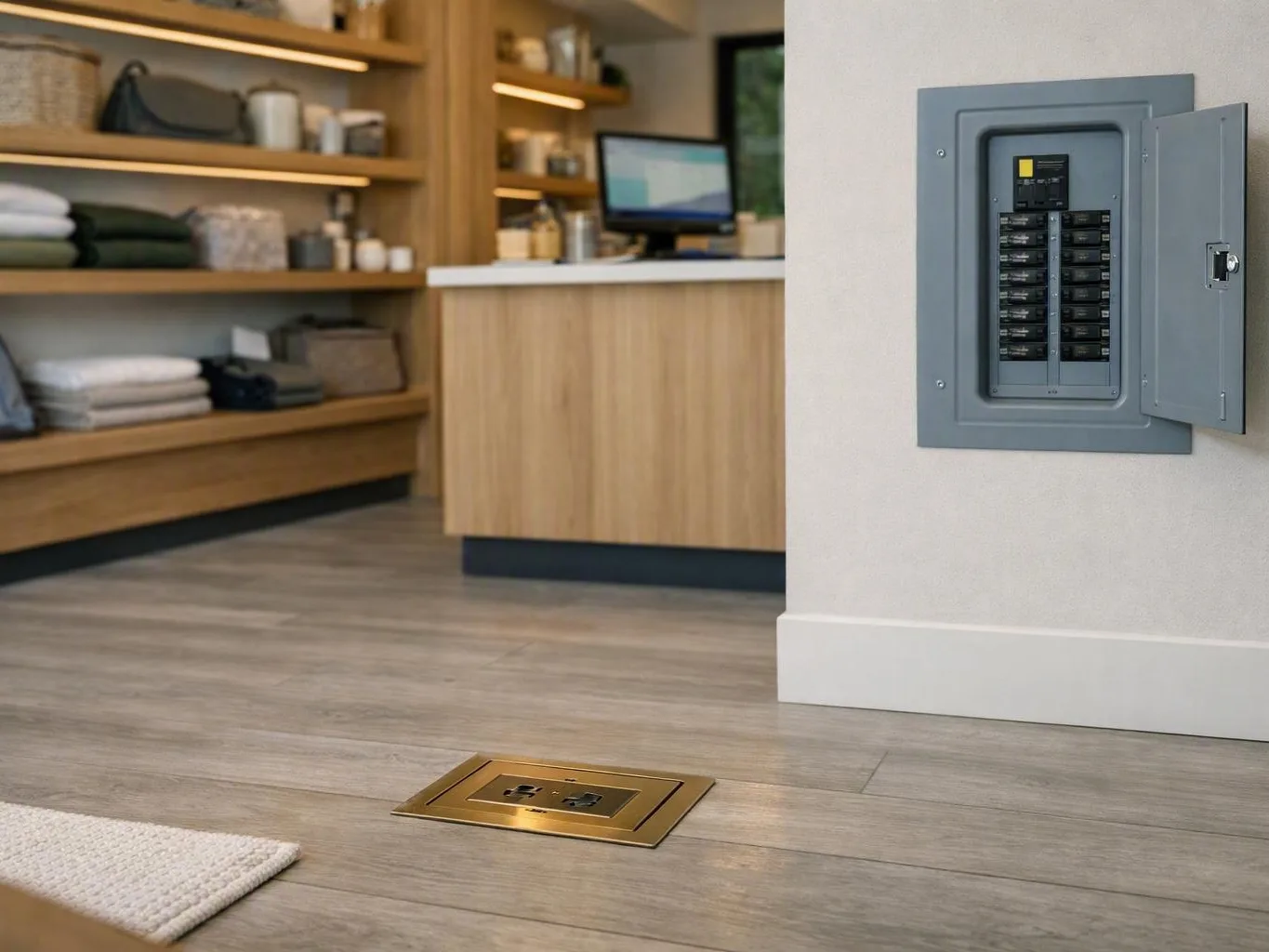
Fuse protection helps limit damage to branch-circuit wiring and connected equipment. Without the correct overcurrent device, conductors can carry too much current. Their insulation and construction may not support that current. Excess heat can damage insulation, deform connections, and increase fire risk.
Fuse protection also gives electricians useful information about a fault. One operation may result from a temporary surge. Repeated operation points to a continuing electrical problem. Replacing a fuse without finding that problem can leave the hazard in place. It can also cause another outage.
When Fuse Matters Most?
Fuse selection becomes especially important during repairs to older electrical systems. Some older panels contain cartridge fuses, plug fuses, or equipment without clear labeling. The available fault current, enclosure condition, and replacement part compatibility should be checked. These checks should happen before work begins.
Fuse safety also matters after burning smells, visible heat damage, sparking, or sudden power loss. These signs can indicate a loose connection, short circuit, or overloaded circuit. They may not show a simple blown fuse. In Fort Wayne homes and commercial buildings, emergency electrical work may require isolating the affected circuit. The fault must then be identified and corrected.
How to Evaluate Fuse?
- Confirm the fuse amp rating matches the circuit design and equipment label.
- Check that the voltage rating meets or exceeds the circuit voltage.
- Inspect the fuse holder for heat damage, corrosion, looseness, or discoloration.
- Ask whether the fuse opened once or continues opening after replacement.
- Verify that the replacement has the correct physical size and time-delay type.
Related Concepts Compared
Fuse vs. Circuit Breaker
A circuit breaker opens a circuit during overcurrent and can usually be reset after the fault is cleared. A fuse melts and requires replacement.
Fuse vs. Overcurrent
Overcurrent is the electrical condition where current exceeds the safe rating of a circuit. A fuse is one device used to interrupt that condition.
Fuse vs. Ground-fault Circuit Interrupter
A GFCI responds to an imbalance between outgoing and returning current to reduce shock risk. A fuse responds mainly to excessive current and does not replace GFCI protection.
Expert Note
A fuse that opens repeatedly is a symptom, not the underlying repair. Check for loose terminations, damaged insulation, motor starting current, and circuit loading before installing another fuse. Never bypass a fuse or increase its rating to stop nuisance operation.
Common Mistakes or Myths About Fuse
- Replacing a blown fuse with one that has a higher amp rating.
- Using foil, coins, or another conductor in place of a fuse.
- Assuming every open fuse is caused by the fuse itself.
- Installing the wrong physical size or time-delay type.
- Touching a fuse in a damaged or energized panel.
Fuse in Practice: A Real-World Example
A basement freezer starts and opens a 15-amp fuse several times each week. Testing may show a failing compressor or a shared circuit with excessive load. Installing a 20-amp fuse could overheat the existing wiring instead of correcting the fault.
Sources & Further Reading on Fuse
Related Services
Related Terms
Overcurrent
Overcurrent is an electrical condition in which current exceeds the safe rating of a conductor, circuit…
Branch Circuit
Branch Circuit is the wiring path that carries electricity from a service panel or distribution panel…
National Electrical Code
National Electrical Code is a widely adopted set of safety rules for electrical design, installation, inspection…
Chris Miller Electric
Have Questions About Fuse?
Contact Chris Miller Electric for practical guidance on Fuse and related 24/7 emergency electricians work in Fort Wayne.