
What is Electrical Grounding?
Electrical Grounding is a safety system that connects electrical equipment and circuits to the earth or a grounded reference point. The connection gives fault current a low-resistance path away from people and property. Proper grounding helps protective devices trip during faults, reduces shock risk, and supports stable operation of electrical systems.
Quick Facts About Electrical Grounding
Category
Electrical safety system
Used for
Fault-current paths and equipment safety
Common confusion
Grounding is not the same as bonding
Relevant standard
NFPA 70, National Electrical Code
Also called
Electrical earthing, Equipment grounding
Often discussed with
Electrical Code Corrections, Electrical Wiring Repair
Key Takeaways About Electrical Grounding
- Grounding gives fault current a planned path during insulation failure or equipment damage.
- Bonding connects metal parts so they stay at nearly the same electrical potential.
- A ground wire does not replace a circuit breaker, fuse, or ground-fault protection.
- Loose, rusty, or missing grounding links can raise shock and fire risks.
- Testing should check continuity, correct links, and compliance with the applicable electrical code.
Understanding Electrical Grounding

Electrical Groundingconnects an electrical system, equipment enclosure, or conductive part to earth. It can also connect to a grounded reference point. This connection helps control voltage during normal operation. It provides a path for fault current when insulation fails. A typical system may include.grounding electrode and a grounding electrode conductor. It may also include equipment grounding conductors.
Related glossary terms: Ground-Fault Circuit Interrupter, Ground Fault, National Electrical Code.
Grounding is different from ordinary current flow. Current normally travels from the source through an energized conductor. It returns through the intended circuit path. During a fault, electricity may reach a metal enclosure through damaged insulation. The equipment grounding conductorgives that current a low-impedance route back to the source. This helps.circuit breaker or fuse open the circuit.
How Electrical Grounding Works, Is Measured, or Is Used?
Grounding works with bonding and overcurrent protection. Bonding joins metal enclosures, raceways, service equipment, and other conductive parts. This keeps them at nearly the same voltage. If a live wire touches bonded metal, fault current results. That current should travel through the grounding path. It should not travel through a person touching the enclosure.
Electricians evaluate grounding through visual inspection and electrical tests. Common checks include conductor continuity, connection tightness, and polarity. They also check grounding electrode connections and service equipment.low-impedance fault path matters because high resistance can limit fault current. It can also delay breaker operation. A resistance reading at one point doesn't prove the whole system is safe. Testing must match the system design and the applicable National Electrical Code requirements.
Why Electrical Grounding Matters?
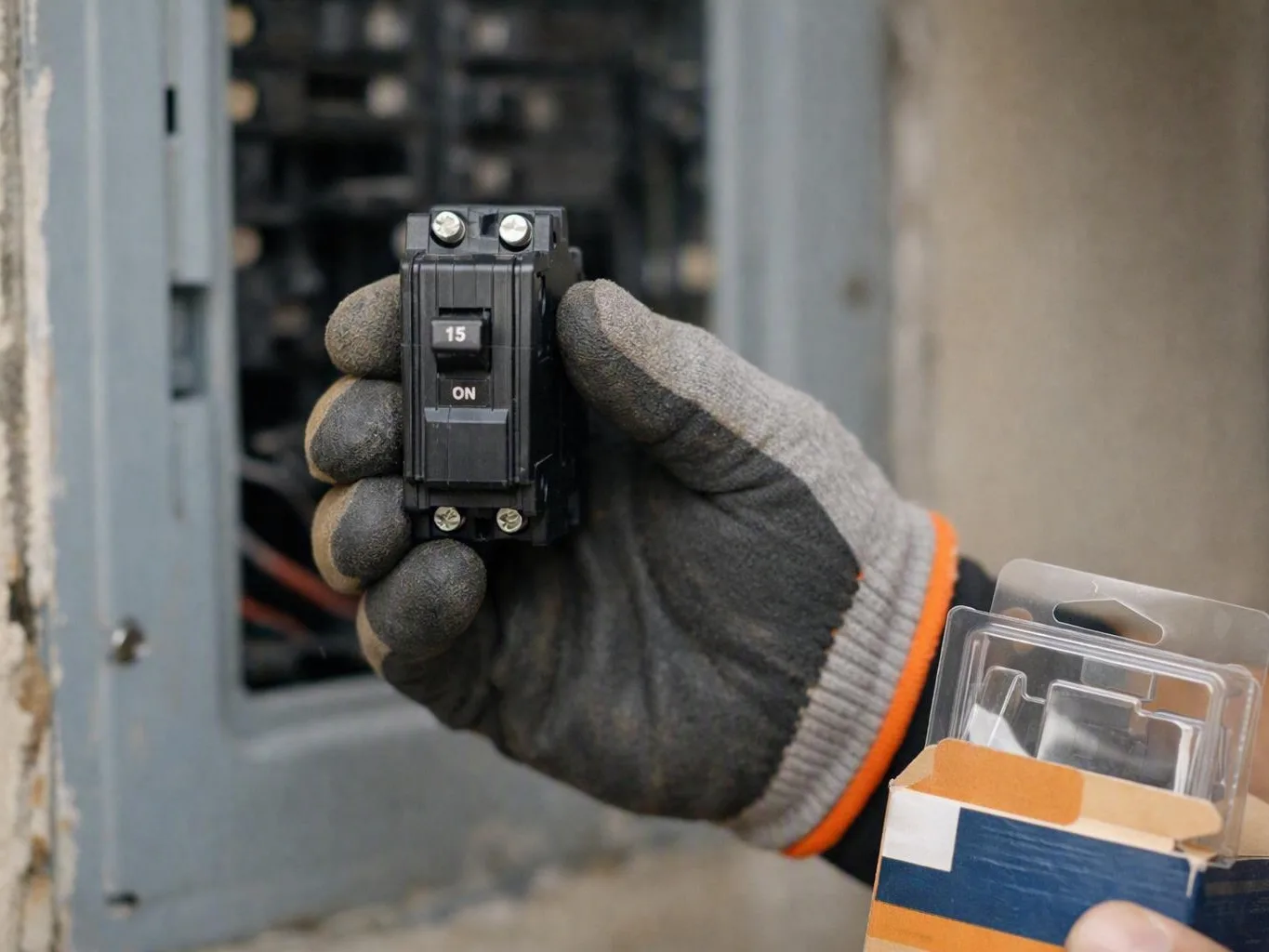
Effective grounding reduces the chance of exposed metal staying energized after a fault. It also helps ground-fault circuit interrupters and other protective devices respond as designed. Grounding doesn't prevent every shock. It can't correct damaged insulation, overloaded conductors, or a defective breaker alone.
Grounding also supports reliable electrical service. A damaged grounding connection can cause nuisance trips, unexpected voltage on metal parts, or equipment damage. It can also create dangerous touch voltage. In older buildings, missing grounding conductors can hide serious defects. Altered outlets can hide these defects behind normal-looking covers.
When Electrical Grounding Matters Most?
Grounding deserves close attention during panel changes, rewiring, and generator installation. It also matters during service upgrades and repairs after water or storm damage. It matters when a three-slot receptacle appears in a box without a grounding conductor. Replacing the receptacle alone doesn't create a safe grounding path.
Warning signs include tingling from a metal appliance and repeated breaker trips. Other signs include sparks, burning odors, unexplained shocks, and failed plug-in testers. Stop using affected equipment when these signs appear. Take extra care near water. A licensed electrician can trace the fault and inspect connections. The electrician can determine whether repairs must address.service grounding system. Repairs may also need to address branch wiring or protective devices.
How to Evaluate Electrical Grounding?
- Check whether metal electrical boxes, panels, and equipment have continuous grounding and bonding connections.
- Verify that receptacle polarity and grounding match the wiring present in the electrical box.
- Look for loose, corroded, damaged, or undersized grounding conductors and terminations.
- Confirm that testing evaluates continuity and fault-path speed. Not only a single ground rod reading.
- Compare repairs and installations with the current locally adopted National Electrical Code requirements.
Related Concepts Compared
Electrical Grounding vs. Bonding
Bonding connects conductive metal parts to keep them at nearly the same voltage. Grounding connects a system or equipment to earth or a grounded reference point.
Electrical Grounding vs. Ground-Fault Circuit Interrupter
A ground-fault circuit interrupter monitors current leaving and returning through a circuit. Grounding provides a fault path, while the interrupter detects an imbalance and shuts power off.
Electrical Grounding vs. Neutral Wire
A neutral wire normally carries current back to the source during ordinary operation. An equipment grounding conductor should not carry normal load current.
Electrical Grounding vs. Ground Rod
A ground rod is one type of grounding electrode. The rod alone does not replace equipment grounding conductors or bonding connections inside a building.
Expert Note
A ground rod reading alone does not prove that a branch circuit has an effective fault path. The service bonding connection, equipment grounding conductor, terminations, and overcurrent device must work together as one system.
Common Mistakes or Myths About Electrical Grounding
- Assuming a ground rod alone protects every branch circuit in a building.
- Using a neutral conductor as an equipment ground downstream from the service disconnect.
- Installing a three-slot receptacle without verifying a grounding path.
- Treating a plug-in tester as proof that the entire grounding system is safe.
- Ignoring tingling, shocks, burning smells, or repeated breaker trips.
Electrical Grounding in Practice: A Real-World Example
A metal dishwasher has a damaged wire that touches its cabinet. A bonded cabinet sends fault current through the equipment grounding conductor, letting the breaker trip. Without that path, the cabinet could stay energized until a person gives it a path to ground.
Related Terms
Ground-Fault Circuit Interrupter
Ground-Fault Circuit Interrupter is a protective device that monitors current flowing through an electrical circuit. The…
Ground Fault
Ground Fault is a unintended electrical connection between an energized conductor and a grounded surface, equipment…
National Electrical Code
National Electrical Code is a widely adopted set of safety rules for electrical design, installation, inspection…
Neutral Wire
Neutral Wire is the grounded conductor that carries electrical current back to the service panel after…
Chris Miller Electric
Have Questions About Electrical Grounding?
Contact Chris Miller Electric for practical guidance on Electrical Grounding and related 24/7 emergency electricians work in Fort Wayne.