
What is National Electrical Code?
National Electrical Code is a widely adopted set of safety rules for electrical design, installation, inspection, and maintenance. Published by the National Fire Protection Association as NFPA 70, it covers wiring methods, equipment, grounding, overcurrent protection, and special installations. Local authorities adopt, amend, and enforce the code through their own laws.
Quick Facts About National Electrical Code
Category
Electrical safety standard
Used for
Design, installation, inspection, and maintenance
Relevant standard
NFPA 70
Common confusion
A model code is not automatically law everywhere
Also called
NFPA 70, NEC
Often discussed with
Electrical Code Corrections, Emergency Electrical Panel Upgrade
Key Takeaways About National Electrical Code
- NFPA 70 sets basic safety rules for electrical installations and equipment.
- Local governments choose the code edition and may add local amendments.
- The code covers wiring, grounding, overcurrent protection, equipment, and special electrical systems.
- Passing an inspection does not show that every old installation meets the current code.
- Electrical permits and inspections help check code compliance during many projects.
Understanding National Electrical Code
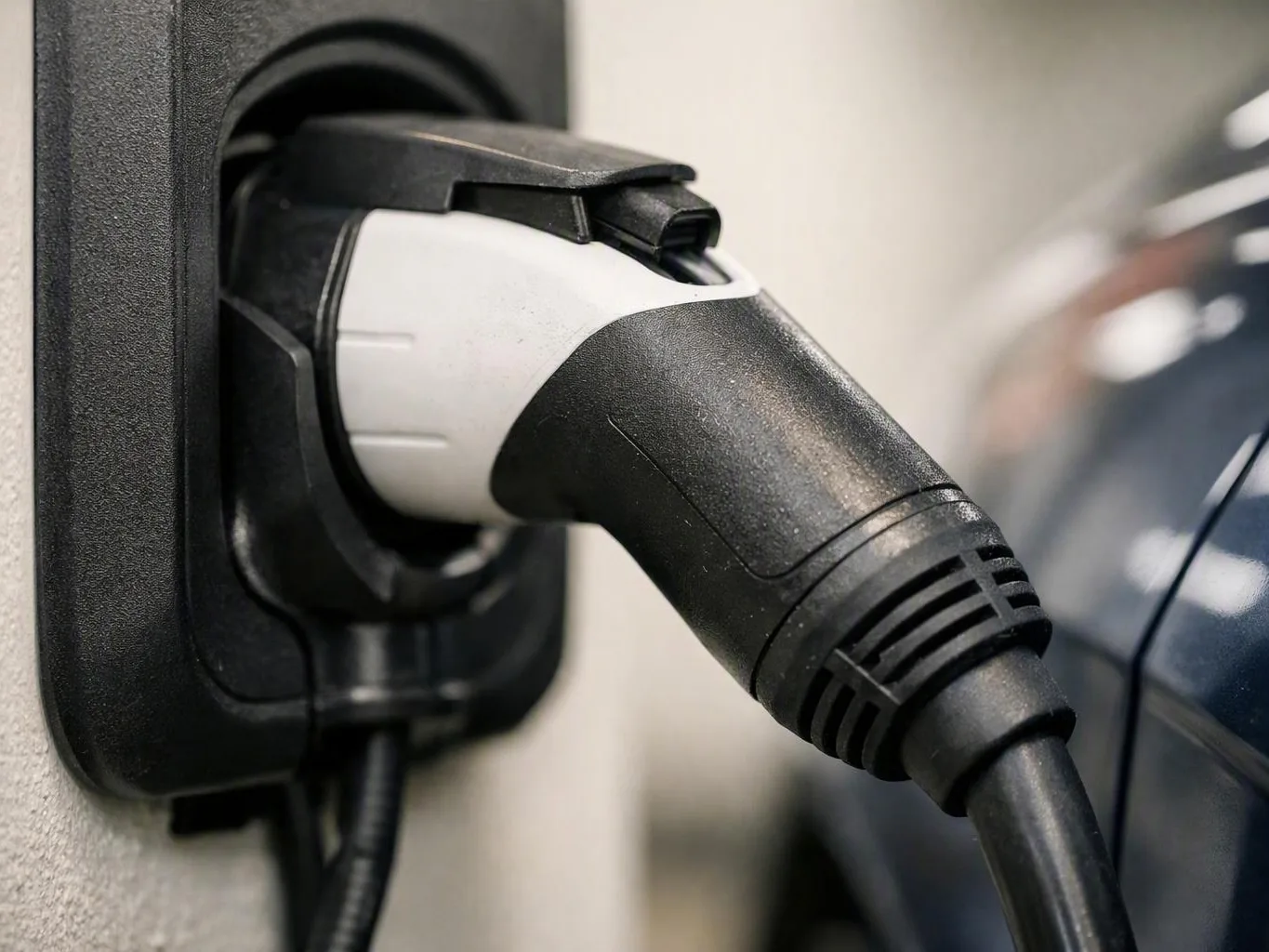
National Electrical Code, often called NFPA 70, is a model electrical safety code. The National Fire Protection Association publishes it. It gives electricians, engineers, inspectors, and property owners shared minimum rules. The rules address conductor sizing, wiring methods, electrical equipment, grounding, bonding, and protection against shock and fire.
Related glossary terms: Arc-Fault Circuit Interrupter, Electrical Permit, Electrical Load Calculation.
The code isn't a federal law. It doesn't apply the same way across every location. State and local authorities adopt an edition through legislation or regulation. They may then add amendments. In Indiana, the adopted state code determines project requirements. Local enforcement also affects those requirements. The authority having jurisdiction is often called the AHJ. It interprets and enforces requirements during plan review and inspection.
How National Electrical Code Works, Is Measured, or Is Used?
Electricians use the code as a decision guide during design and installation. They first identify the building type, electrical service, circuit loads, equipment, and working conditions. They then select wire sizes, breakers, raceways, boxes, grounding paths, and protective devices. These choices must meet the applicable provisions. A load calculation may be required before sizing a service or feeder.
Code compliance is checked through documents, physical measurements, product markings, and inspection steps. An inspector may compare a panel directory with the installed circuits. They may verify conductor sizes and check box fill. They may inspect grounding and bonding and test required protective devices. The applicable code edition and local amendments affect the result. Approved equipment listings and permit records also affect the result. A code book alone can't replace field judgment. Site conditions often change the answer.
Why National Electrical Code Matters?
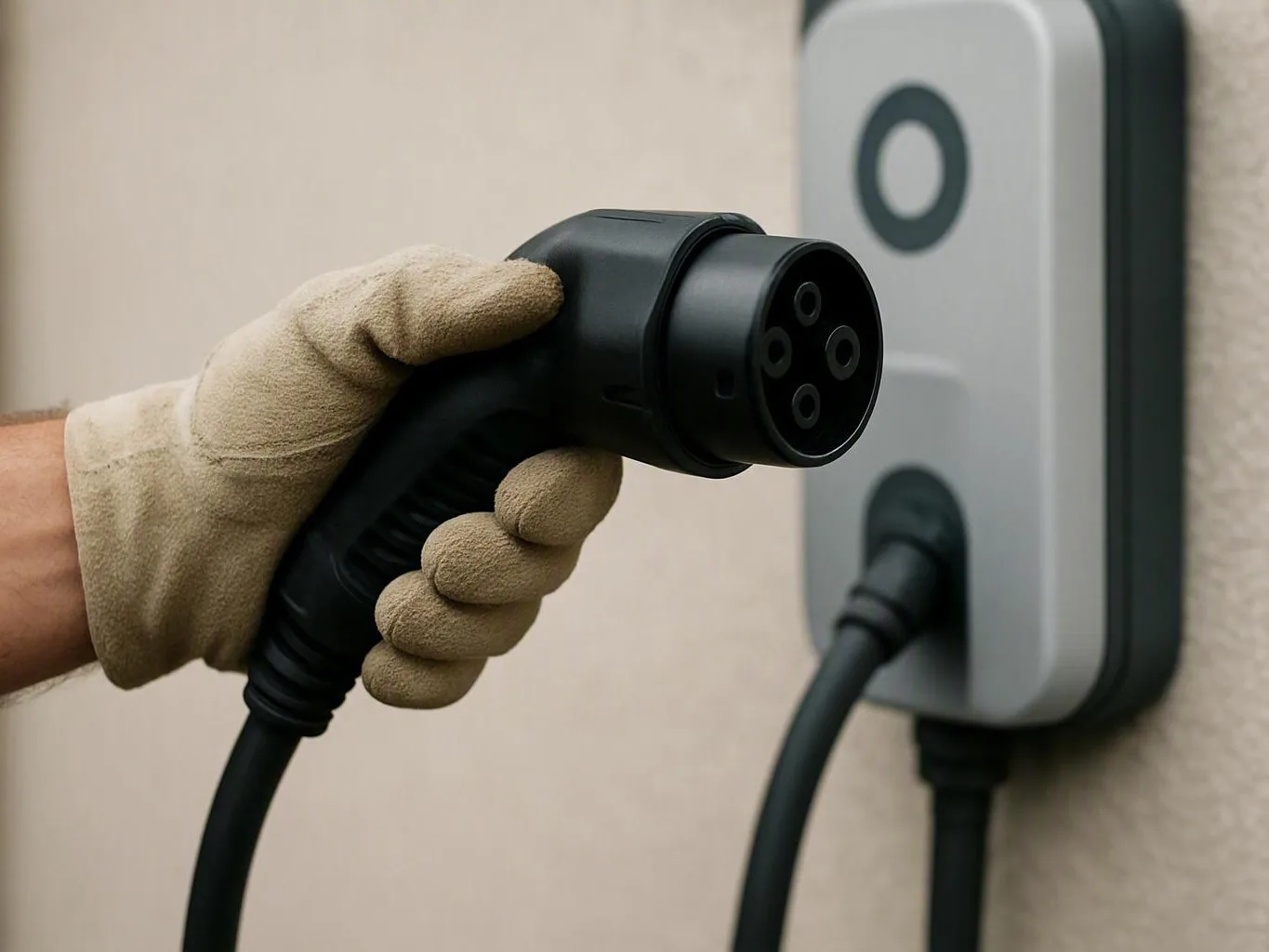
The code reduces predictable electrical hazards by setting minimum installation rules. Correct overcurrent protection helps limit overheating. This helps when a circuit carries too much current. Proper grounding and bonding help reduce shock risk. Ground-fault circuit interrupter protection also helps reduce shock risk. These protections work under conditions the code identifies. Approved enclosures and wiring methods help equipment withstand moisture, heat, damage, or exposure.
Code decisions affect safety, inspection results, project scope, and future maintenance. A small wire on a large breaker can overheat before the breaker trips. Poor box fill can damage conductors and connections. Code corrections may require opening finished walls or replacing equipment. They may also require obtaining a permit. Identifying requirements before work begins can prevent avoidable rework.
When National Electrical Code Matters Most?
Code requirements become especially important during new construction, remodeling, service upgrades, and panel changes. They also matter during additions, generator installations, and electric vehicle charger work. They matter after water damage, fire damage, equipment failure, or emergency repairs. Existing installations are often judged under the rules used during installation. Alterations usually must meet current requirements for the affected work.
Use the code and local rules to ask focused questions before approving electrical work. Confirm which edition applies. Check whether a permit's required. Check whether the equipment has an accepted listing mark. Make sure the proposed circuit matches the equipment load. Confirm that protective devices fit the installation. Make sure inspection records are retained. In Fort Wayne, the local authority and Indiana requirements may control details. These details may differ from a general national reference.
How to Evaluate National Electrical Code?
- Identify the code edition and Indiana or local amendments that apply to the project.
- Check whether the work requires an electrical permit and inspection.
- Compare conductor size, breaker rating, equipment load, and circuit type.
- Verify grounding, bonding, GFCI, and AFCI protection where the code requires it.
- Confirm that installed equipment carries an approved listing mark and matches its environment.
Related Concepts Compared
National Electrical Code vs. Electrical Permit
An electrical permit is official permission to perform defined work. The National Electrical Code supplies technical safety rules that permit reviewers and inspectors may apply.
National Electrical Code vs. Local Electrical Code
A local electrical code is the enforceable set of rules adopted by a state, county, or city. It may adopt NFPA 70 and add local amendments.
National Electrical Code vs. National Fire Protection Association
The National Fire Protection Association publishes NFPA 70. The organization is not the same thing as the code, and it does not enforce local electrical installations.
National Electrical Code vs. Electrical Inspection
An electrical inspection is a field or plan review process. An inspector uses the adopted code and related laws to judge whether work meets applicable requirements.
Expert Note
The newest NFPA 70 edition is not automatically the legally required edition at a job site. Check the authority having jurisdiction before design or repair work, especially where an alteration connects to an older installation.
Common Mistakes or Myths About National Electrical Code
- Treating the newest code edition as automatically enforceable in every jurisdiction.
- Assuming a permit or inspection makes an unsafe installation safe.
- Sizing a breaker from the appliance label without checking conductor capacity and load calculations.
- Ignoring local amendments, approved equipment listings, or environmental conditions.
- Confusing recommended practices with requirements adopted into enforceable law.
National Electrical Code in Practice: A Real-World Example
A homeowner adds a 50-ampere circuit for an electric vehicle charger. Indiana code and local amendments set the final requirements.
Sources & Further Reading on National Electrical Code
Related Terms
Arc-Fault Circuit Interrupter
Arc-Fault Circuit Interrupter is a protective device that detects dangerous electrical arcing and disconnects power before…
Electrical Permit
Electrical Permit is an official approval that allows electrical installation, alteration, repair, or replacement work to…
Electrical Load Calculation
Electrical Load Calculation is a method for estimating the electrical demand of a building, dwelling, or…
Electrical Grounding
Electrical Grounding is a safety system that connects electrical equipment and circuits to the earth or…
Chris Miller Electric
Have Questions About National Electrical Code?
Contact Chris Miller Electric for practical guidance on National Electrical Code and related 24/7 emergency electricians work in Fort Wayne.