
What is Electrical Permit?
Electrical Permit is an official approval that allows electrical installation, alteration, repair, or replacement work to proceed under adopted safety rules. A permit records the project scope, identifies responsible parties, and usually leads to an inspection. Local building departments set permit requirements, fees, application steps, and exemptions for specific electrical work.
Quick Facts About Electrical Permit
Category
Construction regulation
Used for
Electrical installation and alteration approval
Common confusion
A permit is not the same as an inspection
Relevant standard
Locally adopted National Electrical Code requirements
Also called
Electrical installation permit, Electrical work permit
Often discussed with
Electrical Code Corrections, Emergency Electrical Panel Upgrade
Key Takeaways About Electrical Permit
- A local building department issues the permit before covered electrical work starts.
- Permit rules vary by project type, property use, and local rules.
- An inspection checks finished work against approved plans and adopted electrical codes.
- Emergency repairs may follow special steps. But later permits or inspections can still apply.
Understanding Electrical Permit
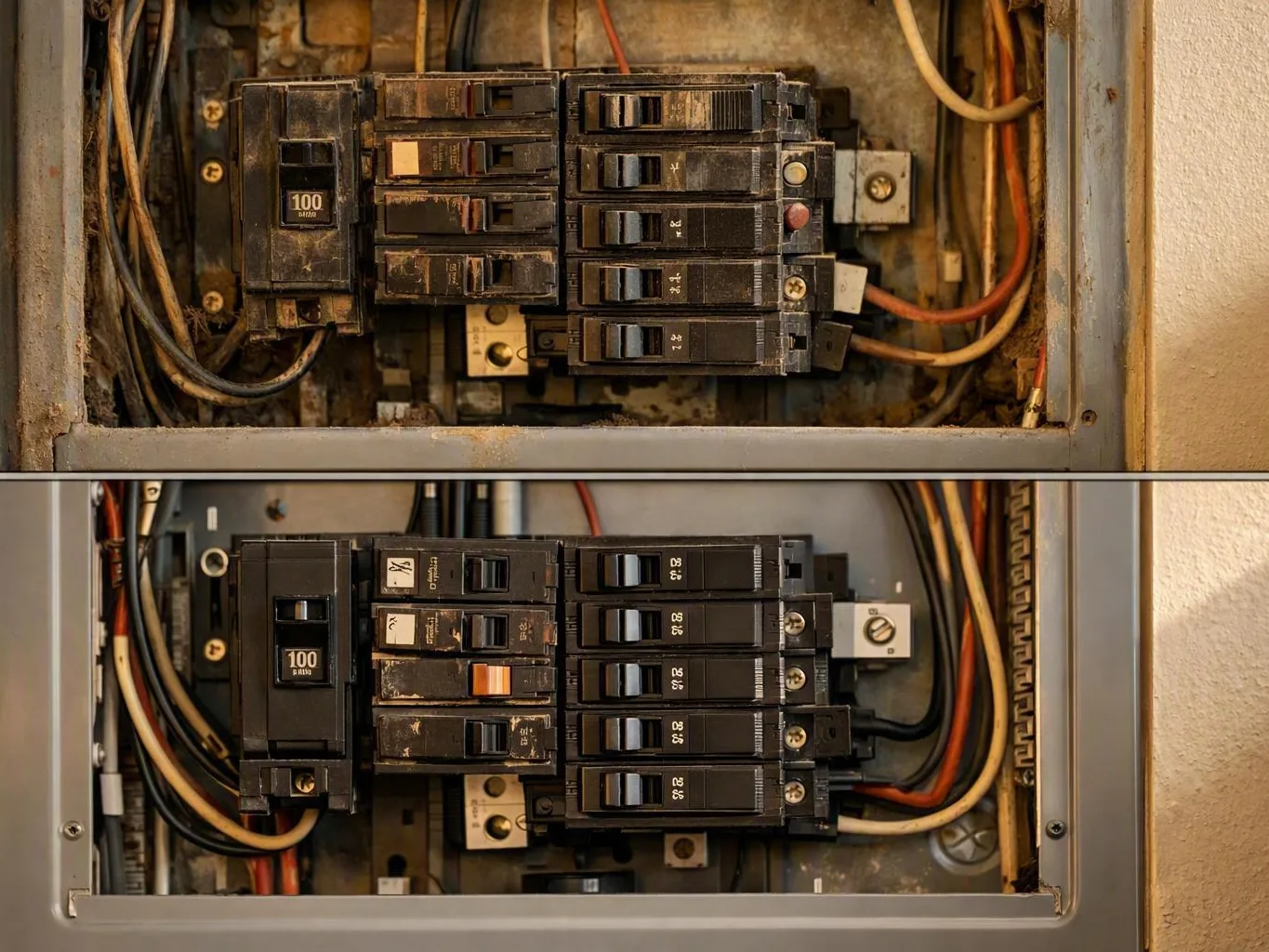
Electrical Permit is a local government approval for covered electrical work. It tells the building department what work is planned. It also names who must complete it. The permit may cover new wiring, service changes, panel work, circuits, generators, or equipment connections.
Related glossary terms: National Electrical Code, Electrical Load Calculation, Electrical Service.
A permit's separate from an electrical inspection. The permit authorizes the work. The inspection checks the completed installation. Local rules determine who must apply. This may be a homeowner, licensed electrician, or contractor. Local rules also set fees, forms, deadlines, and exemptions.
How Electrical Permit Works, Is Measured, or Is Used?
The process usually starts with a project description. You then submit an application to the local building department. Larger projects may require load calculations, wiring plans, or equipment details. They may also require a site plan. The reviewer compares the information with the locally adopted National Electrical Code. The reviewer also checks other construction rules.
After approval, the permit must remain available as work progresses. Required inspections may occur before wiring is covered. They may occur after service equipment is installed or at final completion. The inspector may check conductor size, grounding, and overcurrent protection. They may also check box access, clearances, and equipment installation. A passed inspection closes the permit. Corrections may require another visit.
- Confirm the exact scope before applying.
- Keep the permit number and approved documents accessible.
- Schedule each required inspection at the correct construction stage.
Why Electrical Permit Matters?
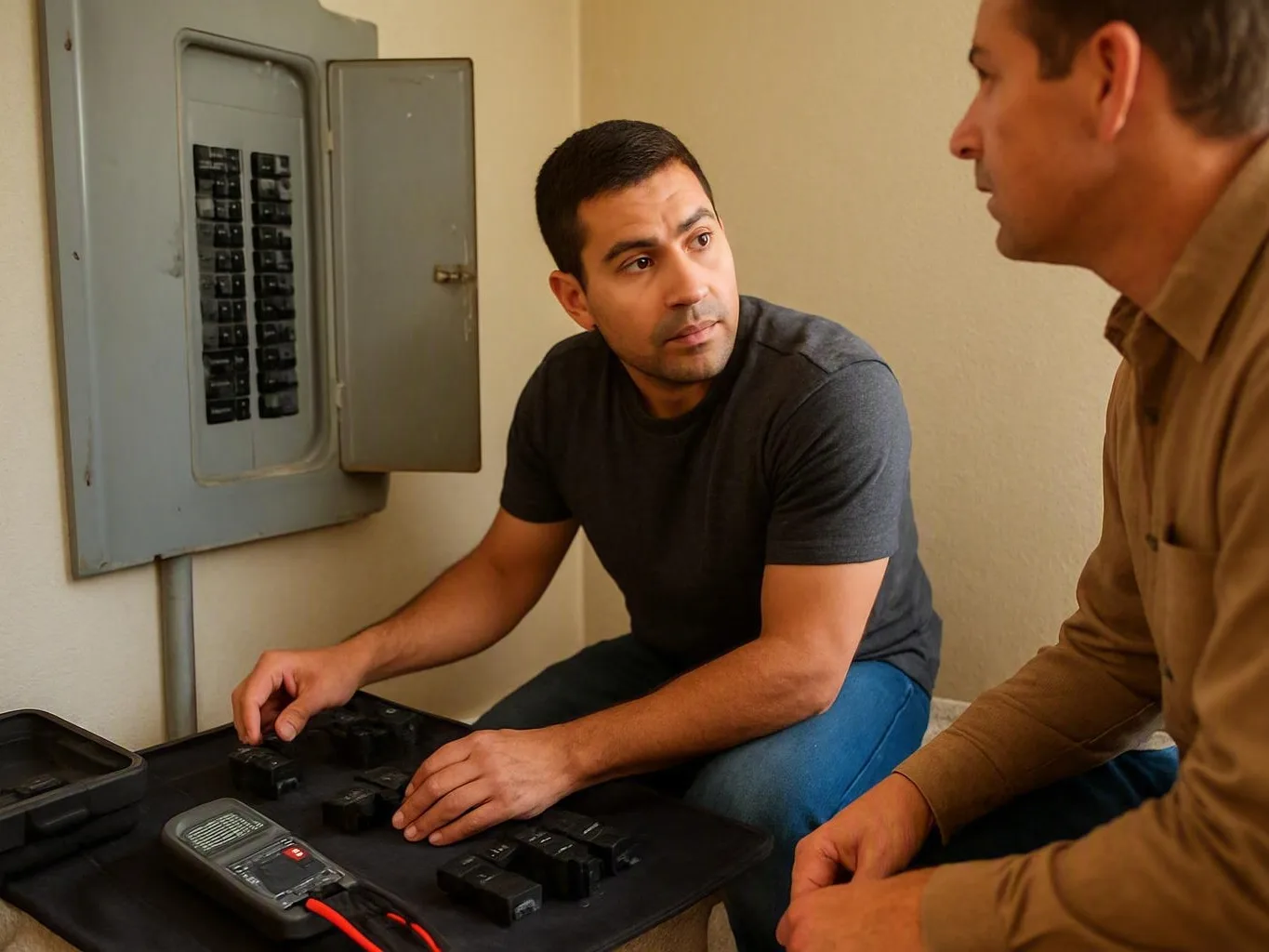
A permit creates a documented record that an electrical project received local review. That record can help verify work during a property sale or insurance review. It can also help during renovation or a later service upgrade. It gives an inspector a chance to identify hidden hazards. Those hazards might remain after walls are closed.
Unpermitted work can create problems even when the system works normally. A missed grounding connection, overloaded circuit, damaged cable, or incorrect breaker may increase fire or shock risk. The property owner may face correction costs or delayed closings. They may also face penalties or requirements to expose finished construction for inspection.
When Electrical Permit Matters Most?
Permit questions become especially important during these projects. They include service upgrades, panel replacements, new circuits, and rewiring. They also include generator installations and electric vehicle charger work. These projects can change available capacity, fault protection, or grounding. They can also change how equipment connects to the utility system. A permit review helps match the design to the building and its electrical load.
Urgent repairs require careful judgment because dangerous conditions may need immediate stabilization. An electrician may disconnect damaged equipment under local emergency procedures. They may also make a temporary repair. That action doesn't automatically remove permit duties. In Fort Wayne, the applicable city or county authority determines the required process. It also determines inspection timing and possible exemptions.
How to Evaluate Electrical Permit?
- Verify that the permit description matches the actual work, equipment, location, and project scope.
- Check the issuing authority, permit number, issue date, expiration date, and inspection status.
- Ask which inspections are required before wiring is covered and at final completion.
- Confirm that the work follows the locally adopted National Electrical Code edition.
- Watch for requests to conceal wiring before the required rough inspection.
Related Concepts Compared
Electrical Permit vs. Electrical Inspection
An electrical permit authorizes covered work before or during construction. An electrical inspection evaluates installed work and records whether it meets applicable requirements.
Electrical Permit vs. Electrical License
A license qualifies a person or contractor to perform regulated work. A permit approves a specific project at a specific property.
Electrical Permit vs. Building Permit
A building permit covers broader construction work. Such as structural changes or additions. An electrical permit focuses on wiring, equipment, and electrical safety requirements.
Electrical Permit vs. Certificate of Occupancy
A certificate of occupancy confirms that a building or space may be occupied under local rules. It does not replace permits or inspections for individual electrical work.
Expert Note
A permit application should describe the finished installation. Not only the immediate repair. For example, replacing a damaged panel may also affect grounding, bonding, service capacity, and labeling. Those related changes can determine the required permit scope and inspection sequence.
Common Mistakes or Myths About Electrical Permit
- Assuming a permit is optional because the electrical work is inside a private home.
- Treating an inspection approval as permission to change the project scope.
- Covering wiring before the required rough inspection.
- Believing an emergency repair permanently removes all permit requirements.
- Failing to close the permit after corrections and final inspection.
Electrical Permit in Practice: A Real-World Example
A homeowner plans to add a 240-volt circuit for an electric vehicle charger. The application lists the charger, circuit rating, conductor size, panel location, and grounding method. After installation, the required inspection checks the circuit and equipment before closing the permit.
Related Terms
National Electrical Code
National Electrical Code is a widely adopted set of safety rules for electrical design, installation, inspection…
Electrical Load Calculation
Electrical Load Calculation is a method for estimating the electrical demand of a building, dwelling, or…
Electrical Service
Electrical Service is the complete system that delivers electric power from a utility source to a…
Electrical Grounding
Electrical Grounding is a safety system that connects electrical equipment and circuits to the earth or…
Chris Miller Electric
Have Questions About Electrical Permit?
Contact Chris Miller Electric for practical guidance on Electrical Permit and related 24/7 emergency electricians work in Fort Wayne.