
What is a Conduit?
Conduit is a tube or channel that protects and routes electrical wires and cables. Electricians install conduit in walls, ceilings, floors, underground runs, and exposed locations. Common materials include metal, PVC, and flexible metallic tubing. The correct conduit type and size depend on the wiring, location, physical hazards, and applicable electrical code.
Quick Facts About Conduit
Category
Electrical wiring protection system
Used for
Routing and protecting electrical conductors
Common confusion
Conduit protects wires but does not replace wire insulation
Relevant standard
National Electrical Code Article 358 and related raceway rules
Also called
Electrical raceway, Electrical tubing
Often discussed with
Electrical Wiring Repair, Electrical Code Corrections
Key Takeaways About Conduit
- Conduit protects conductors from impact, moisture, heat, chemicals, and other site hazards.
- Rigid metal, PVC, and flexible conduit meet different installation and protection needs.
- The conduit size must leave enough room for wires and safe installation.
- Fittings, supports, grounding, and fill limits shape a safe conduit installation.
- Local electrical rules may require permits and inspections for new or changed conduit.
Understanding Conduit
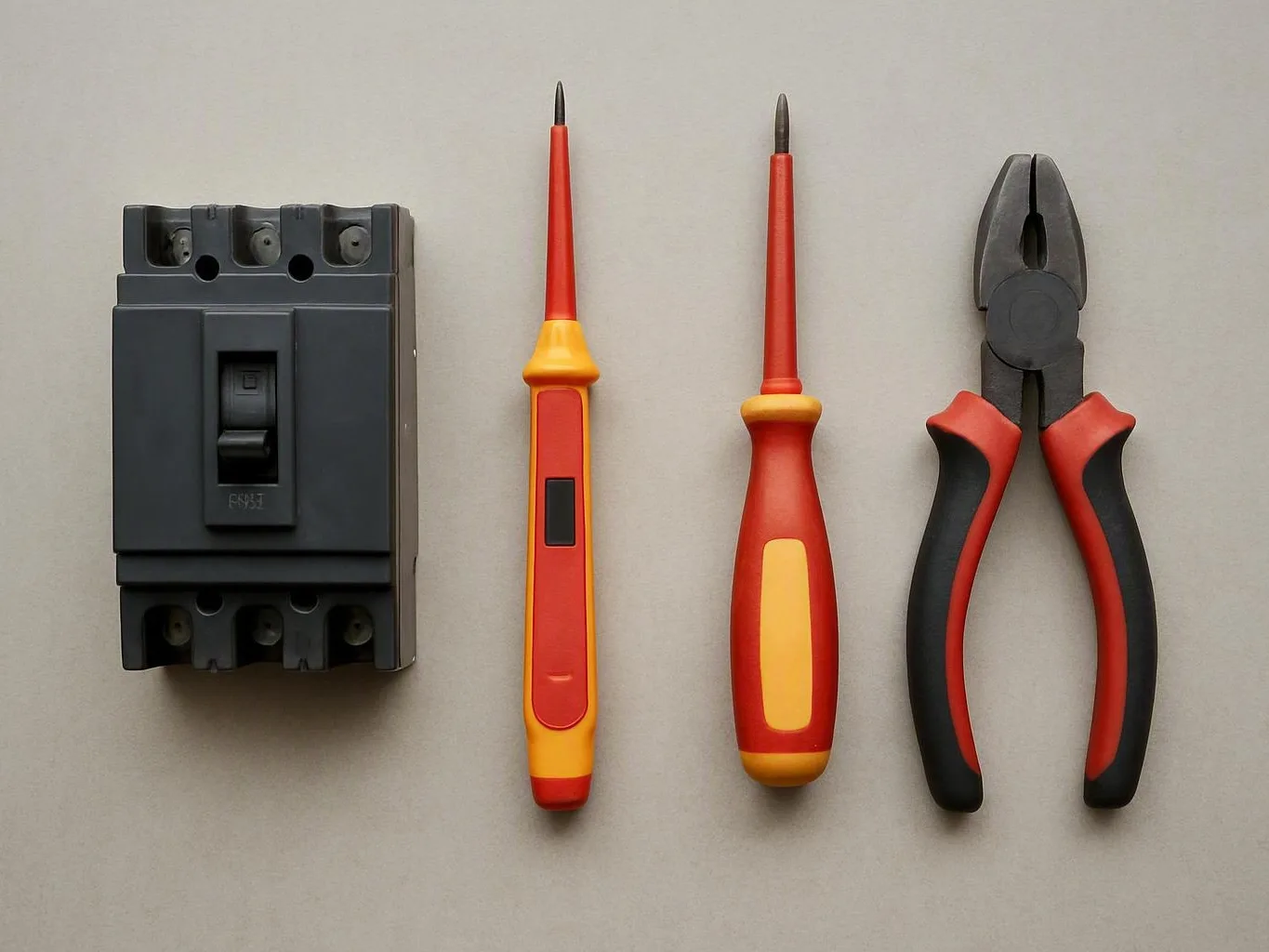
Conduit is a raceway that carries electrical conductors. It also protects them. The raceway may be a rigid tube, flexible tubing, or another approved channel. Conductors inside still need suitable insulation. Conduit provides physical protection and routing. It doesn't serve as wire insulation.
Related glossary terms: Branch Circuit, Electrical Grounding, Junction Box.
Electricians choose conduit based on the setting and work required. Electrical metallic tubing, rigid metal conduit, intermediate metal conduit, PVC conduit, and flexible conduit have different properties. These include strength, corrosion resistance, bonding, and bending. A dry indoor wall may need one material. An exposed outdoor run may need another. Wet areas and impact zones may need stronger protection.
How Conduit Works, Is Measured, or Is Used?
During installation, an electrician plans the route. The electrician selects a permitted conduit type. The electrician also sizes the raceway for the conductors. Next, the electrician cuts or bends the conduit. The electrician installs approved fittings and pulls the wires. The electrician then secures the assembly at required intervals. Junction boxes provide access when the route changes direction. They also provide access where conductors connect.
Conduit size depends on conductor count, wire size, and insulation type. It also depends on the applicable conduit fill rules. Crowded raceways make wire pulling harder. They can also damage insulation. Bends matter too. Too many bends between access points can prevent safe pulling. They can also make future maintenance harder. Metal raceways may need bonding and grounding continuity. Nonmetallic systems need separate grounding conductors when the circuit design requires them.
Common fittings include couplings, connectors, bushings, elbows, straps, and weatherproof hubs. Each fitting must match the conduit material and installation conditions. A fitting for dry indoor use may not protect connections from rain. It may also fail to protect connections from washdown water. The finished system should have protected openings and secure supports. It should also have clean bends and no sharp edges. Sharp edges could cut insulation.
Why Conduit Matters?
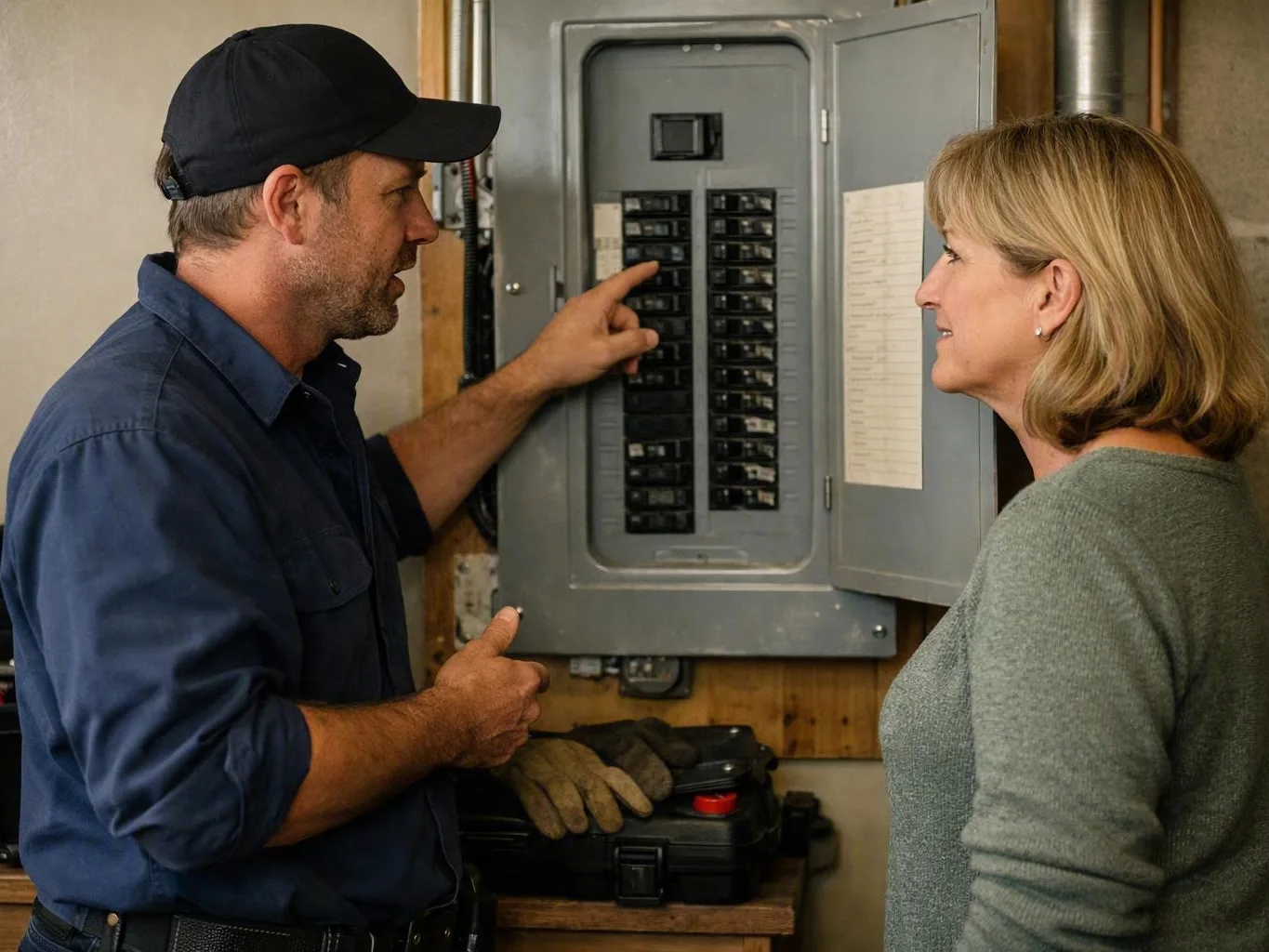
Proper conduit reduces wiring damage from tools, vehicles, abrasion, moisture, rodents, and construction work. It also keeps circuits organized. This helps electricians identify conductors during repairs or future changes. In commercial and industrial settings, conduit supports a planned layout. It also protects wiring where exposed cable could suffer damage.
Incorrect conduit work creates safety and work problems. An undersized raceway can overfill. It can delay repairs or damage wire insulation during installation. Poorly sealed outdoor conduit can admit water. Improperly bonded metal conduit can leave a fault path incomplete. These defects can cause nuisance trips, equipment damage, shock hazards, or code corrections.
When Conduit Matters Most?
Conduit becomes especially important when wiring passes through exposed spaces or unfinished areas. It also protects wiring in garages, basements, mechanical rooms, and exterior walls. Underground routes may need conduit too. Conduit matters where circuits face impact, vibration, moisture, chemicals, heat, or frequent service work. A remodel may need a new route. Existing walls may not safely protect the conductors.
During emergency electrical work, damaged conduit can point to a larger wiring problem. A crushed raceway may expose conductors to further damage. A pulled fitting can create the same risk. Water-filled underground sections can also cause problems. A broken support may leave wiring exposed. An electrician may need to de-energize the circuit. The electrician may inspect the conductors and replace damaged sections. The electrician may also verify grounding and bonding. Required permit or inspection steps may need completion before power returns.
How to Evaluate Conduit?
- Check whether the conduit type is approved for the location, such as wet, outdoor, underground, or hazardous areas.
- Confirm that conductor count and wire size stay within the applicable conduit fill limit.
- Look for secure supports, protected openings, matched fittings, and smooth bends without crushed sections.
- Verify that metal conduit has continuous bonding and grounding where the electrical design requires it.
- Ask whether local permits, inspections, and National Electrical Code requirements apply to the work.
Related Concepts Compared
Conduit vs. Raceway
Raceway is the broader term for a channel or enclosure that routes conductors. Conduit is one type of raceway, usually formed as a tube.
Conduit vs. Cable
Cable contains insulated conductors inside one outer jacket or assembly. Conduit is a separate protective pathway that may contain individual wires or cables.
Conduit vs. Wire Insulation
Wire insulation surrounds each conductor and prevents unwanted electrical contact. Conduit protects the wiring from physical and environmental damage.
Expert Note
A conduit route should be planned for future access, not only for the current wire pull. Extra bends, tight boxes, and unsealed fittings can turn a simple repair into a difficult and costly correction.
Common Mistakes or Myths About Conduit
- Treating conduit as a replacement for properly insulated conductors.
- Filling a raceway beyond its permitted capacity.
- Using indoor fittings or conduit in wet or outdoor locations.
- Leaving sharp cut edges that can damage wire insulation.
- Skipping bonding, grounding, supports, or required inspection steps.
Conduit in Practice: A Real-World Example
A detached garage needs a new 120-volt branch circuit. An electrician runs approved PVC conduit underground, then uses weatherproof fittings above grade. The electrician pulls insulated conductors, adds a grounding conductor, checks fill, supports, connections, and required protection, then energizes the circuit.
Related Terms
Branch Circuit
Branch Circuit is the wiring path that carries electricity from a service panel or distribution panel…
Electrical Grounding
Electrical Grounding is a safety system that connects electrical equipment and circuits to the earth or…
Junction Box
Junction Box is an enclosed electrical box that protects and contains connections where two or more…
National Electrical Code
National Electrical Code is a widely adopted set of safety rules for electrical design, installation, inspection…
Chris Miller Electric
Have Questions About Conduit?
Contact Chris Miller Electric for practical guidance on Conduit and related 24/7 emergency electricians work in Fort Wayne.