
What is Ground-Fault Circuit Interrupter?
Ground-Fault Circuit Interrupter is a protective device that monitors current flowing through an electrical circuit. The device trips when it detects a small difference between outgoing and returning current, which can indicate that electricity is flowing through a person or unintended path. This rapid interruption helps reduce electric shock risk in wet or damp locations.
Quick Facts About Ground-Fault Circuit Interrupter
Category
Electrical safety device
Used for
Protection from ground-fault shock hazards
Common confusion
A GFCI is not the same as an arc-fault interrupter
Typical tool
GFCI receptacle tester
Also called
GFCI, Ground-Fault Interrupter
Often discussed with
GFCI Outlet Installation, GFCI Outlet Repair
Key Takeaways About Ground-Fault Circuit Interrupter
- A GFCI compares outgoing and returning current to detect leakage.
- The device can trip before a standard circuit breaker detects an overload.
- GFCI protection commonly applies near water, outdoors, kitchens, bathrooms, and laundry areas.
- A reset button restores power only after the fault condition clears.
- Repeated trips can signal damaged wiring, a faulty appliance, or moisture.
Understanding Ground-Fault Circuit Interrupter
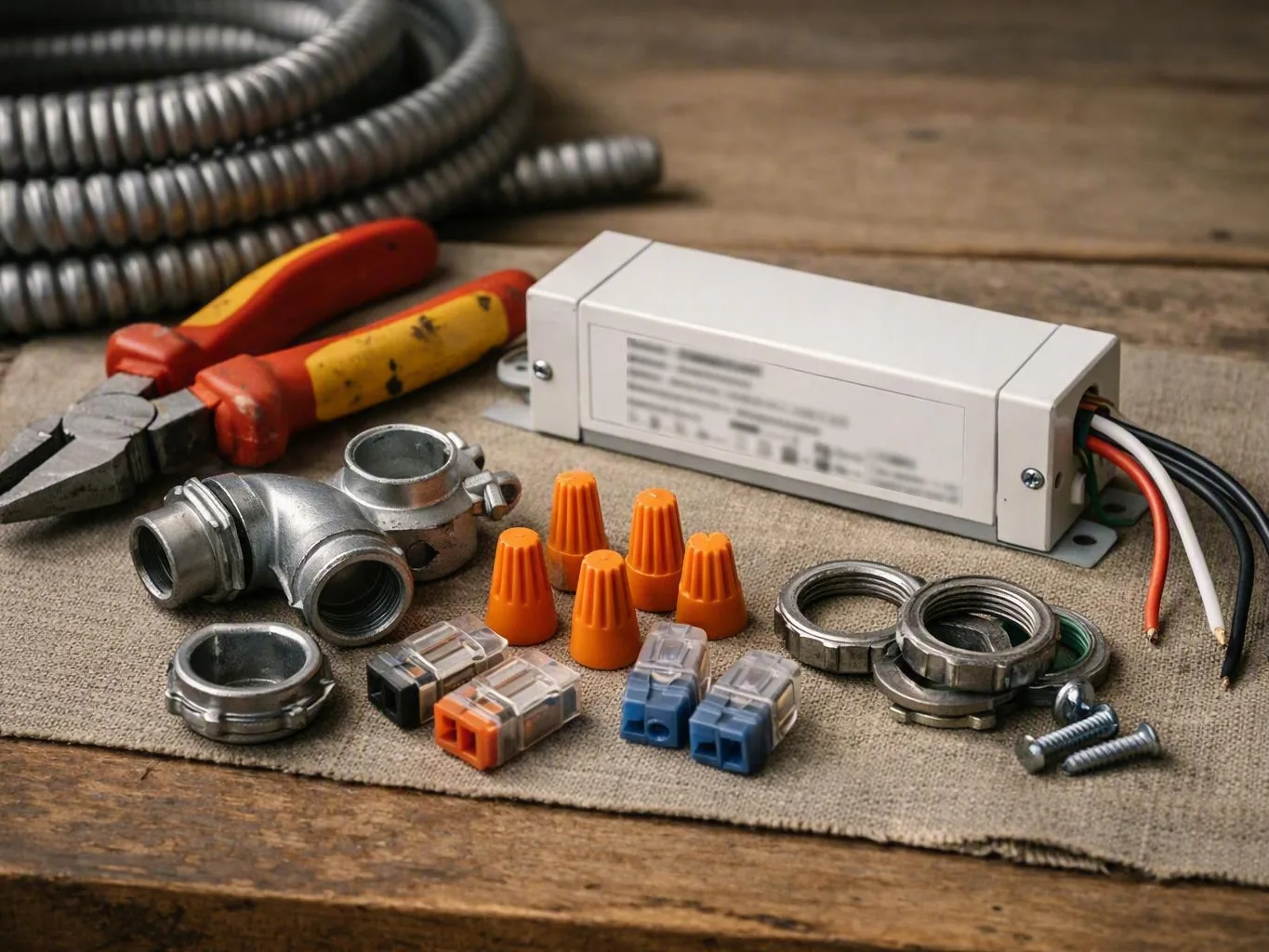
Ground-Fault Circuit Interrupter is a device that protects people from electric shock. It responds when current leaves its intended path. A GFCI compares current traveling out on the ungrounded conductor. It compares that current with current returning on the neutral conductor. A difference means current may flow through a person, water, damaged insulation, or another ground path. The device opens the circuit quickly when that difference reaches its trip level.
Related glossary terms: Arc-Fault Circuit Interrupter, Ground Fault, Electrical Grounding.
A GFCI may appear as a receptacle with TEST and RESET buttons. It may also be built into a circuit breaker. A GFCI receptacle can protect downstream outlets on the same circuit when wired correctly. The device doesn't replace a grounding conductor, circuit breaker, or safe electrical practices. A circuit breaker mainly responds to overloads and short circuits. A GFCI responds to current imbalance.
How Ground-Fault Circuit Interrupter Works, Is Measured, or Is Used?
Ground-Fault Circuit Interrupterprotection works through a differential current sensor. This sensor watches current on the circuit conductors. It signals the switching mechanism when the readings no longer match. Many personnel-protection GFCI devices trip at small leakage currents. This level commonly ranges.4 to 6 milliamperes. Exact performance depends on device design, listing, installation, and applicable requirements.
You can test a GFCI by pressing the TEST button. This should remove power from the protected outlet and downstream outlets. Pressing RESET should restore power after the device confirms the circuit's operating normally. A plug-in GFCI tester can check basic receptacle response. However, it can't identify every wiring defect. An electrician may also inspect polarity, grounding, line and load connections, moisture, and connected equipment.
Why Ground-Fault Circuit Interrupter Matters?
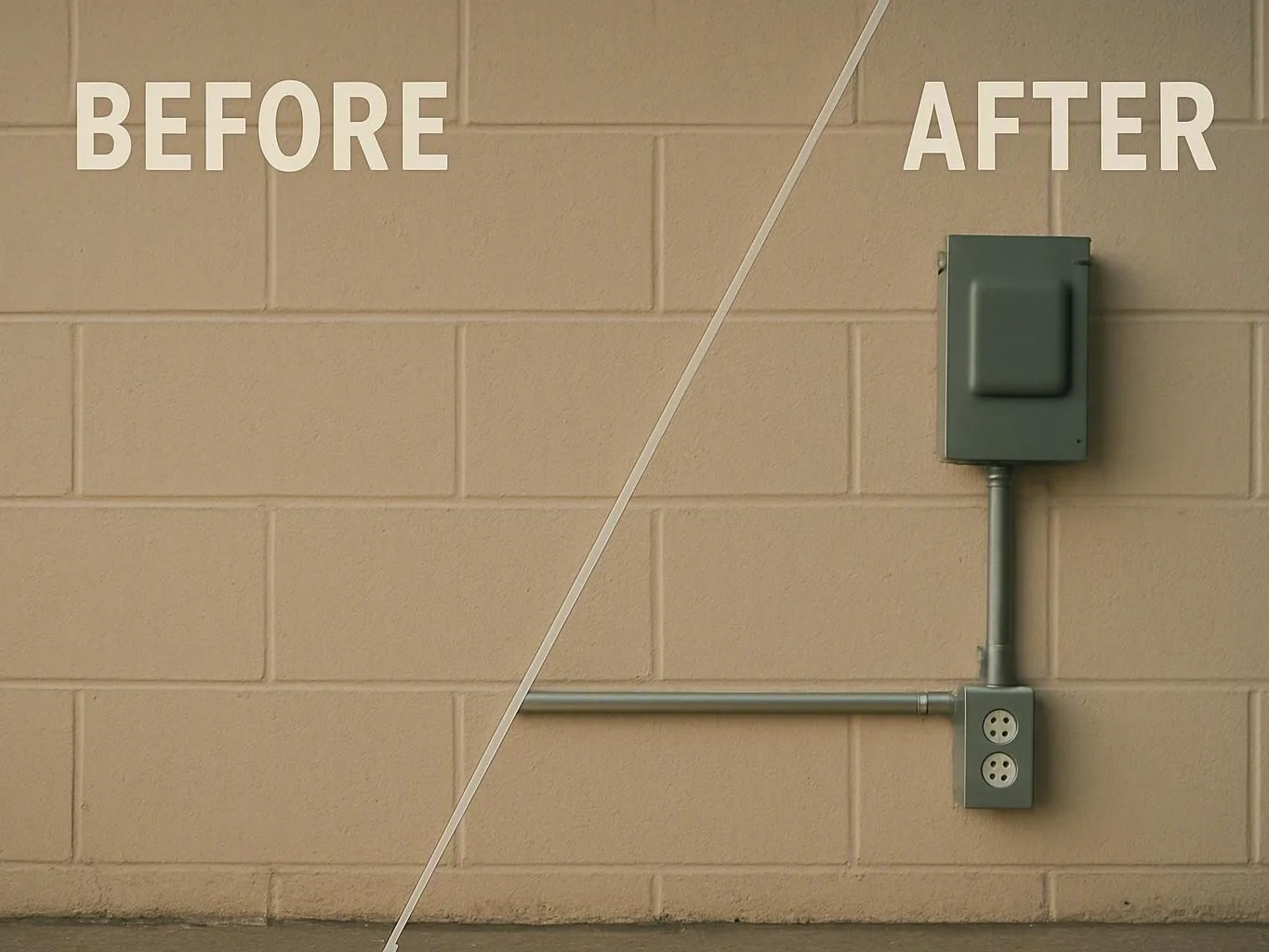
Ground-Fault Circuit Interrupter protection matters because ordinary circuit protection may not trip. This can happen during a small leakage event. A person touching an energized part can become part of the current path. This can happen when the person also touches a grounded surface. Wet skin and damp surroundings can increase shock danger. GFCI protection reduces current duration by opening the circuit during an imbalance.
Correct placement also supports reliable protection throughout a building. A single upstream GFCI receptacle may protect other outlets on its load terminals. However, a wiring error can leave downstream locations unprotected. Labels, test results, and clear circuit identification help technicians verify protected outlets. A tripped device should be treated as a warning. It shouldn't be bypassed as a nuisance.
When Ground-Fault Circuit Interrupter Matters Most?
Ground-Fault Circuit Interrupterprotection matters near sinks, tubs, showers, laundry areas, garages, unfinished spaces, exterior outlets, and pools. These locations may combine electricity with water, concrete, soil, or grounded metal. Local code requirements determine where protection is required. The edition.National Electrical Code also determines this. Older installations may need evaluation after remodeling or changed electrical use.
Frequent tripping deserves attention, especially after rain, plumbing leaks, appliance changes, or outdoor work. Unplug connected loads and reset the device once if conditions are dry and safe. If the device trips again, won't reset, feels hot, shows damage, or loses power repeatedly, stop using the circuit. Wait until someone identifies the cause. Possible causes include moisture, insulation damage, a defective appliance, neutral miswiring, or a failed GFCI mechanism.
How to Evaluate Ground-Fault Circuit Interrupter?
- Press TEST and confirm that power stops at the GFCI and all intended downstream outlets.
- Press RESET and verify that power returns without heat, buzzing, burning odor, or visible damage.
- Check whether the receptacle has correct line and load wiring and proper polarity.
- Record repeated trips after rain, appliance use, plumbing leaks, or circuit changes.
- Confirm that the device type and location match the applicable National Electrical Code edition.
Related Concepts Compared
Ground-Fault Circuit Interrupter vs. Arc-Fault Circuit Interrupter
An Arc-Fault Circuit Interrupter detects electrical arcing that can start fires. A Ground-Fault Circuit Interrupter detects current leaving the intended circuit path and mainly addresses shock hazards.
Ground-Fault Circuit Interrupter vs. Circuit Breaker
A circuit breaker opens during excessive current from an overload or short circuit. A GFCI can trip during a much smaller current imbalance that may not overload the circuit.
Ground-Fault Circuit Interrupter vs. Electrical Grounding
Electrical grounding provides a planned path for fault current and helps stabilize a system. GFCI protection monitors current imbalance and can trip even when grounding alone would not prevent shock.
Expert Note
A GFCI that trips repeatedly should not be replaced automatically. First identify whether moisture, a connected appliance, downstream wiring, or the device itself causes the imbalance. Testing only the front receptacle may miss a fault on a protected outlet farther along the circuit.
Common Mistakes or Myths About Ground-Fault Circuit Interrupter
- Assuming a GFCI protects against every overload or short circuit.
- Replacing a tripping device without checking moisture or connected appliances.
- Using the LOAD terminals incorrectly and leaving downstream outlets unprotected.
- Ignoring a GFCI that will not reset or shows heat, cracks, or discoloration.
- Installing a standard receptacle where GFCI protection is required.
Ground-Fault Circuit Interrupter in Practice: A Real-World Example
A bathroom receptacle trips when a hair dryer is plugged in. The electrician disconnects the dryer, checks the GFCI, and finds moisture inside a downstream box. Drying the area and correcting the enclosure problem restores safe operation without bypassing protection.
Sources & Further Reading on Ground-Fault Circuit Interrupter
Related Services
Related Terms
Arc-Fault Circuit Interrupter
Arc-Fault Circuit Interrupter is a protective device that detects dangerous electrical arcing and disconnects power before…
Ground Fault
Ground Fault is an unintended electrical connection between an energized conductor and a grounded surface, equipment…
Electrical Grounding
Electrical Grounding is a safety system that connects electrical equipment and circuits to the earth or…
Electric Shock
Electric Shock is an injury or harmful physiological response caused when electric current passes through the…
Chris Miller Electric
Have Questions About Ground-Fault Circuit Interrupter?
Contact Chris Miller Electric for practical guidance on Ground-Fault Circuit Interrupter and related 24/7 emergency electricians work in Fort Wayne.