
What is Transfer Switch?
Transfer Switch is an electrical device that moves selected circuits between a normal utility supply and an alternate source, such as a portable or standby generator. The device prevents both power sources from connecting to the building at the same time. Transfer switches may operate manually or automatically. Depending on the system design.
Quick Facts About Transfer Switch
Category
Power-source switching equipment
Used for
Connecting selected circuits to generator power
Common confusion
A transfer switch is not the same as a generator.
Main risk
Utility backfeed during generator operation
Also called
Automatic Transfer Switch, Manual Transfer Switch
Often discussed with
Standby Generator Installation, Generator Repair
Key Takeaways About Transfer Switch
- A transfer switch separates utility power from generator power during source changes.
- Manual models need a person to move the switch. Automatic models sense an outage.
- The switch must match the generator, service rating, voltage, phase, and connected load.
- Bad installation can cause backfeed, shock hazards, equipment damage, or fire risk.
Understanding Transfer Switch
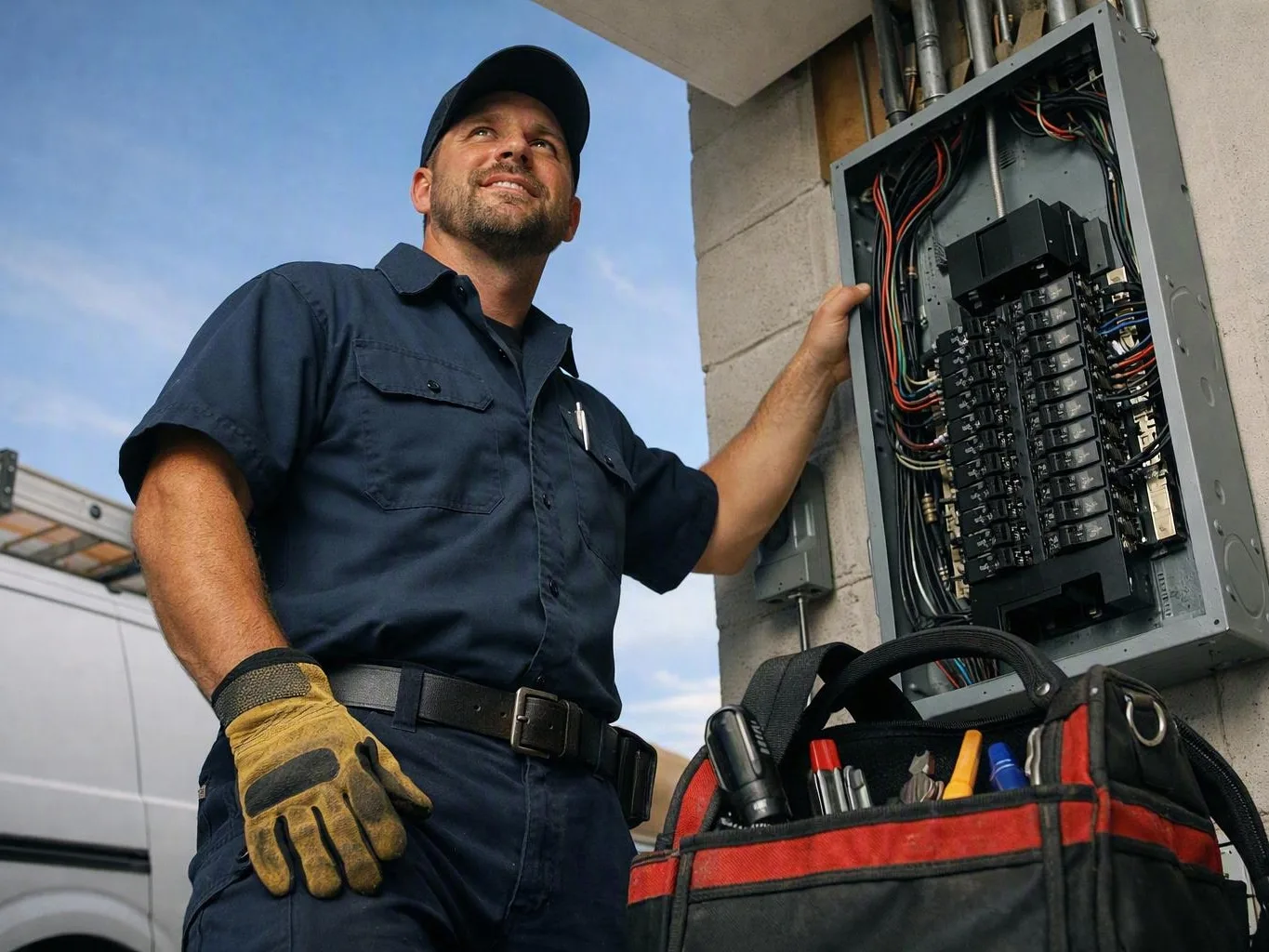
A Transfer Switchis a device that changes a building’s electrical supply. It moves power from one source to another. Most residential systems switch between utility power.standby generator. Some commercial systems use two utility feeds, a generator, or a battery system. The switch connects the chosen source to the building’s circuits. It isolates the source that's not in use.
Related glossary terms: National Electrical Code, Electrical Load Calculation, Electrical Service.
The isolation function sets a transfer switch apart from a normal disconnect. It also sets it apart from a circuit breaker. A properly installed switch prevents backfeed. Backfeed happens when generator voltage travels into utility lines. Backfeed can injure utility workers, damage equipment, and cause fires. Transfer switches may serve the whole service or selected circuits. These circuits may include a furnace, refrigerator, sump pump, well pump, or emergency lighting system.
How Transfer Switch Works, Is Measured, or Is Used?
A transfer switch monitors or receives power from two sources. In a manual system, you start the generator first. You check that its voltage is stable. Then, you move the switch to the generator position. In an automatic system, a controller detects a utility outage. It starts the generator and waits for stable voltage and frequency. Then, it shifts the load to the alternate source. After utility power returns, the controller transfers the load back. It may also run a short cool-down cycle.
Selection depends on several electrical ratings. The switch must match the system’s voltage, phase, and ampere rating. It must also match the enclosure type and wiring arrangement. A 200-amp residential service needs equipment rated for that use. A smaller subpanel may need a lower-rated switch. The connected load also matters. A generator can't safely supply more demand than its output rating.
Transfer equipment may be open-transition, closed-transition, or delayed-transition. Open-transition equipment disconnects one source before connecting the other. This creates a brief interruption. Closed-transition equipment briefly overlaps the sources under controlled conditions. It requires compatible equipment and approval. Delayed-transition equipment adds a pause between disconnection and connection. Motors or sensitive loads may need this extra protection.
Why Transfer Switch Matters?
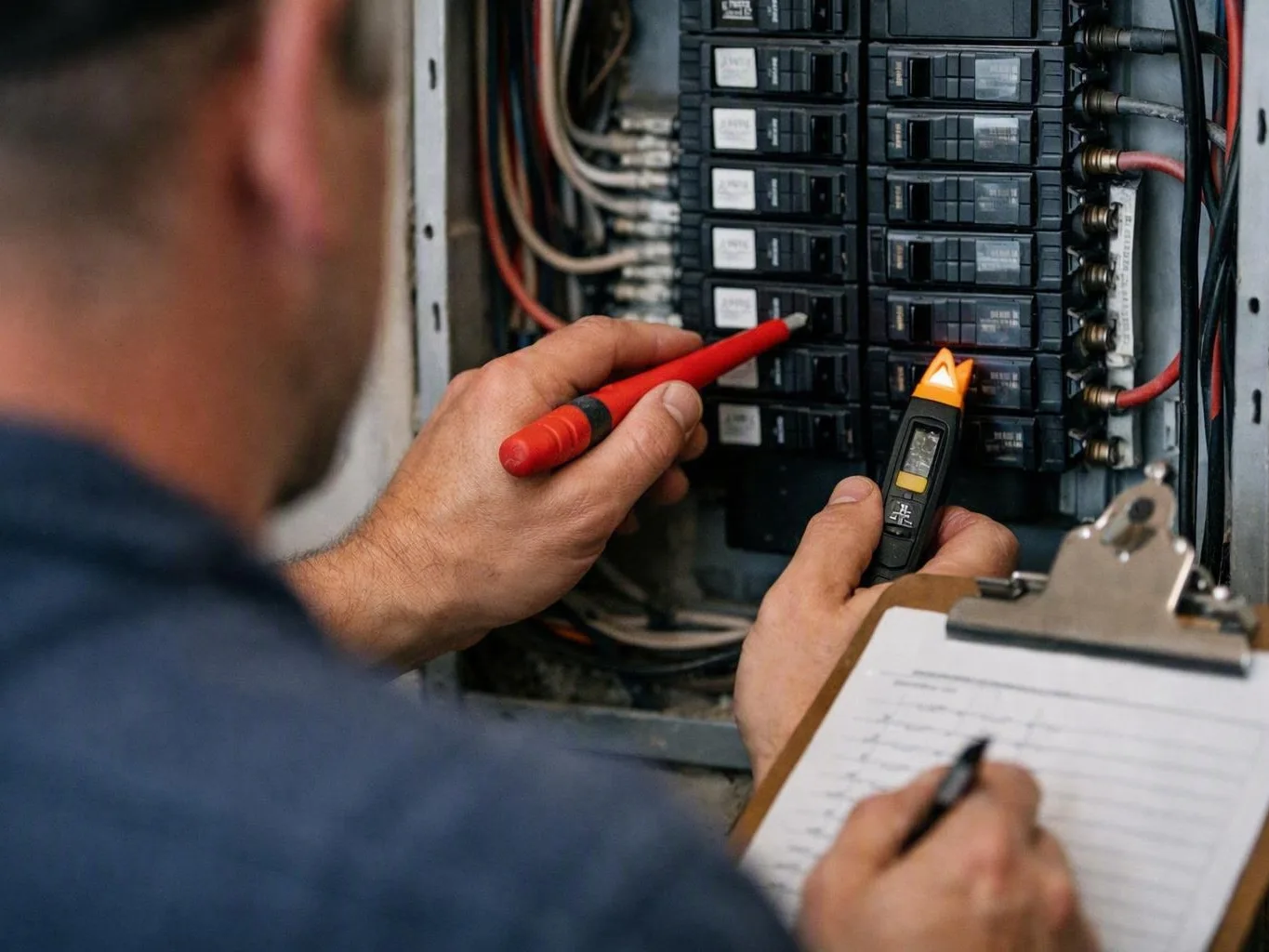
A transfer switch protects people and equipment during backup-power use. Without an approved switching method, a generator can create unsafe power paths. This can happen through an ordinary receptacle or improvised cord. The device keeps generator power within the intended part of the electrical system. This control lowers overload risk. It also helps critical equipment receive power first.
The switch also affects convenience and outage speed. An automatic model can restore selected loads without someone present. A manual model usually costs less and has fewer control parts. Both types still need correct grounding, bonding, and overcurrent protection. They also need proper conductor sizing. Installation must follow the applicable National Electrical Code requirements.
When Transfer Switch Matters Most?
Transfer switch planning matters before installing a generator or changing an electrical service. The installer must identify essential loads. The installer must calculate their starting and running demand. The installer must confirm that the generator can support them. Large motors, air conditioners, pumps, and electric heating equipment may draw much more current at startup. Load calculations can prevent nuisance shutdowns and early generator wear.
Inspection matters after an outage, generator replacement, panel upgrade, or electrical damage. Warning signs include humming, overheating, corrosion, or failed automatic transfer. Other signs include visible arcing or a switch that won't move between positions. Don't open energized equipment or bypass an interlock. A qualified electrician can test source voltage and phase sequence. They can test switching operation, grounding, and load response. This testing should happen before the system returns to service.
How to Evaluate Transfer Switch?
- Confirm the transfer switch ampere rating matches the service, panel, feeder, or selected-load equipment.
- Check that voltage, phase, pole count, and wiring arrangement match the generator and building system.
- Verify the switch prevents simultaneous utility and generator connection through a listed interlock or approved mechanism.
- Compare the generator’s running and starting output with the calculated demand of connected loads.
- Test manual or automatic transfer operation under controlled conditions. Including return to utility power.
Related Concepts Compared
Transfer Switch vs. Generator
A generator produces electrical power. A transfer switch controls which source supplies the building and isolates the unused source.
Transfer Switch vs. Service Disconnect
A service disconnect shuts off power to a building or service equipment. A transfer switch changes between approved power sources.
Transfer Switch vs. Interlock Kit
An interlock kit is a mechanical device that prevents utility and generator breakers from being on at the same time. A transfer switch is a separate switching assembly that may operate manually or automatically.
Transfer Switch vs. Automatic Transfer Switch
An automatic transfer switch is one type of transfer switch. It senses source conditions and operates without a person moving the handle.
Expert Note
Generator sizing should account for motor starting current. Not only the normal running load. A sump pump or air conditioner may briefly demand several times its running current, so a transfer switch and generator can appear correctly rated yet still perform poorly.
Common Mistakes or Myths About Transfer Switch
- Connecting a portable generator to a wall outlet without an approved transfer method.
- Choosing a switch based only on generator size and ignoring service rating or connected-load demand.
- Assuming an automatic transfer switch starts a generator without a compatible start-control connection.
- Failing to test the switch after installation, generator replacement, or electrical panel work.
Transfer Switch in Practice: A Real-World Example
A Fort Wayne home has a 200-amp service and a standby generator. The generator supplies the furnace, refrigerator, sump pump, and selected lights. During an outage, an automatic transfer switch disconnects those circuits from utility power and starts the generator. It reconnects the circuits after stable generator voltage is available.
Sources & Further Reading on Transfer Switch
Related Services
Related Terms
National Electrical Code
National Electrical Code is a widely adopted set of safety rules for electrical design, installation, inspection…
Electrical Load Calculation
Electrical Load Calculation is a method for estimating the electrical demand of a building, dwelling, or…
Electrical Service
Electrical Service is the complete system that delivers electric power from a utility source to a…
Overcurrent
Overcurrent is an electrical condition in which current exceeds the safe rating of a conductor, circuit…
Chris Miller Electric
Have Questions About Transfer Switch?
Contact Chris Miller Electric for practical guidance on Transfer Switch and related 24/7 emergency electricians work in Fort Wayne.