Which lighting suits walkways and entrances best?
Path lights suit walkways, while step lights and LED fixtures suit entrances and changes in level. Chris Miller Electric checks the route, fixture spacing, cable path, and power source before recommending a layout. The best choice depends on where people walk and which areas stay dark. We explain the selected fixture types in the estimate.
Which part of the property decides the lighting scope?
The walking route, entrance steps, door location, and available power decide the lighting scope. We inspect those areas and map fixture points before planning the cable route. A long path can need a different layout from a short entry walk. Existing outlets, circuits, and access also affect the work.
Which material changes how long the installation takes?
The cable route and surface around each fixture often affect the installation time. Low-voltage cable needs a planned path, and hard surfaces or limited access can change how that path is built. We inspect the property first, then explain the work involved in the estimate without promising an unsupported timeframe.
How does a lighting visit move from the first call to the last step?
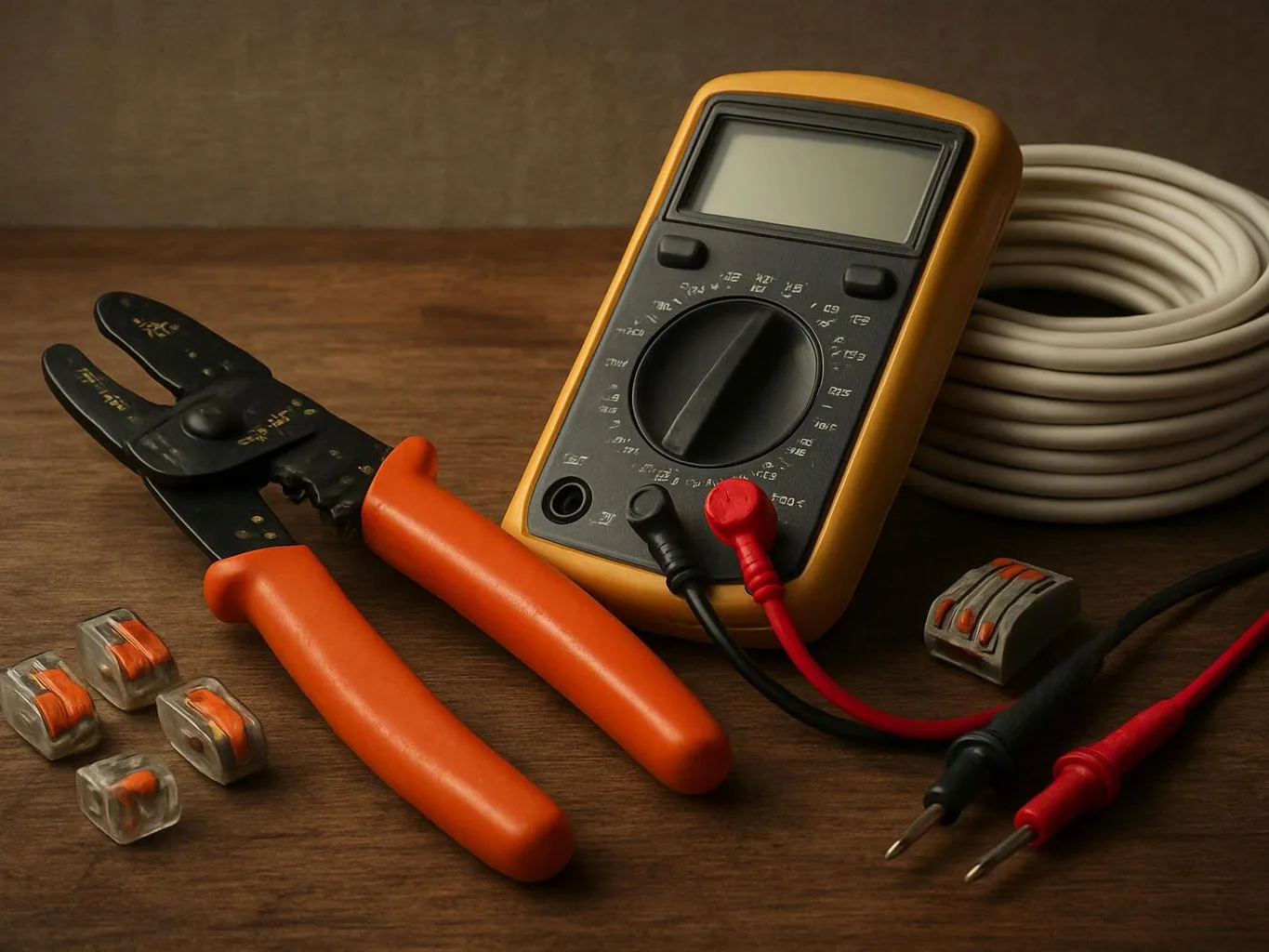
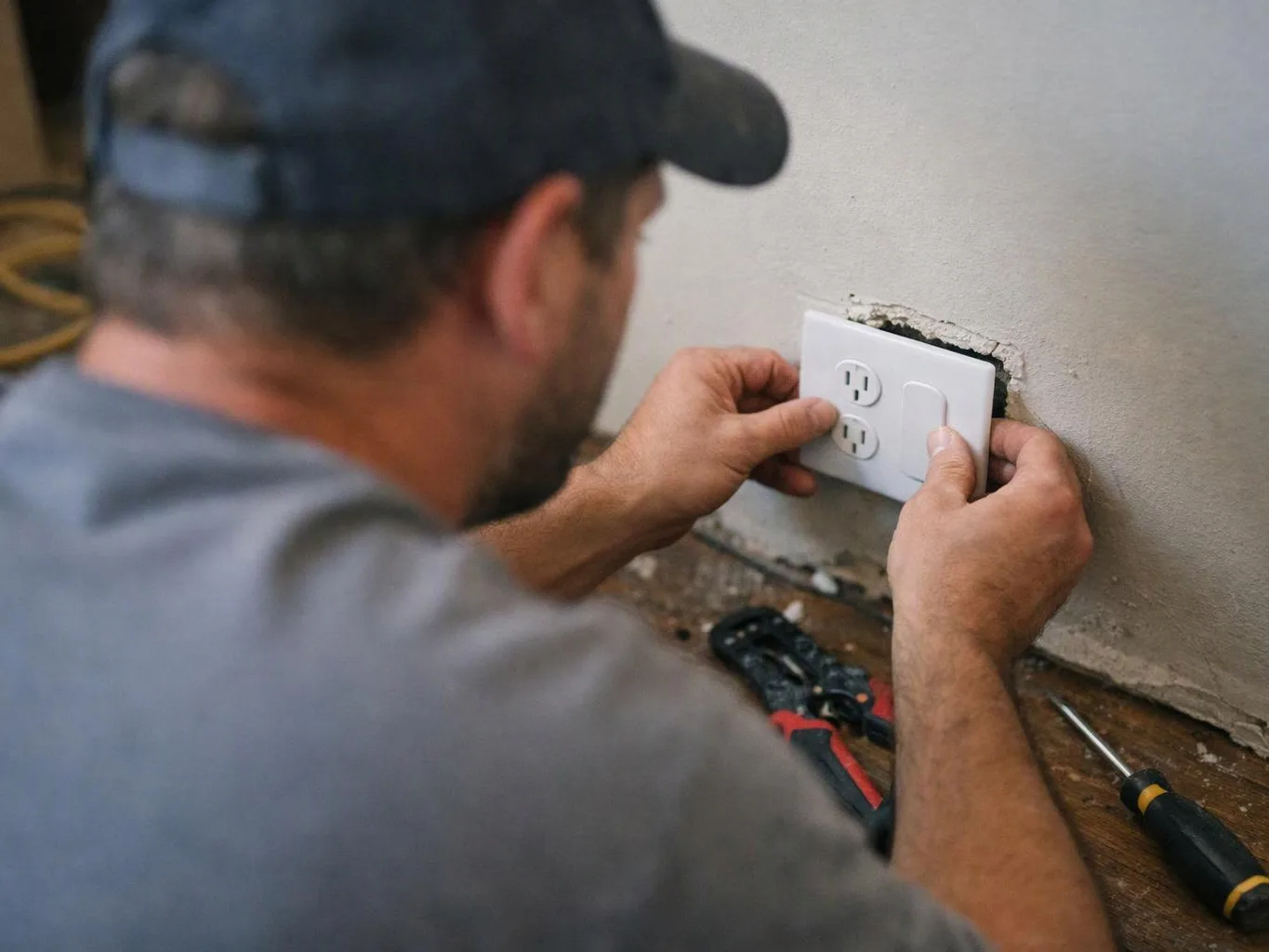
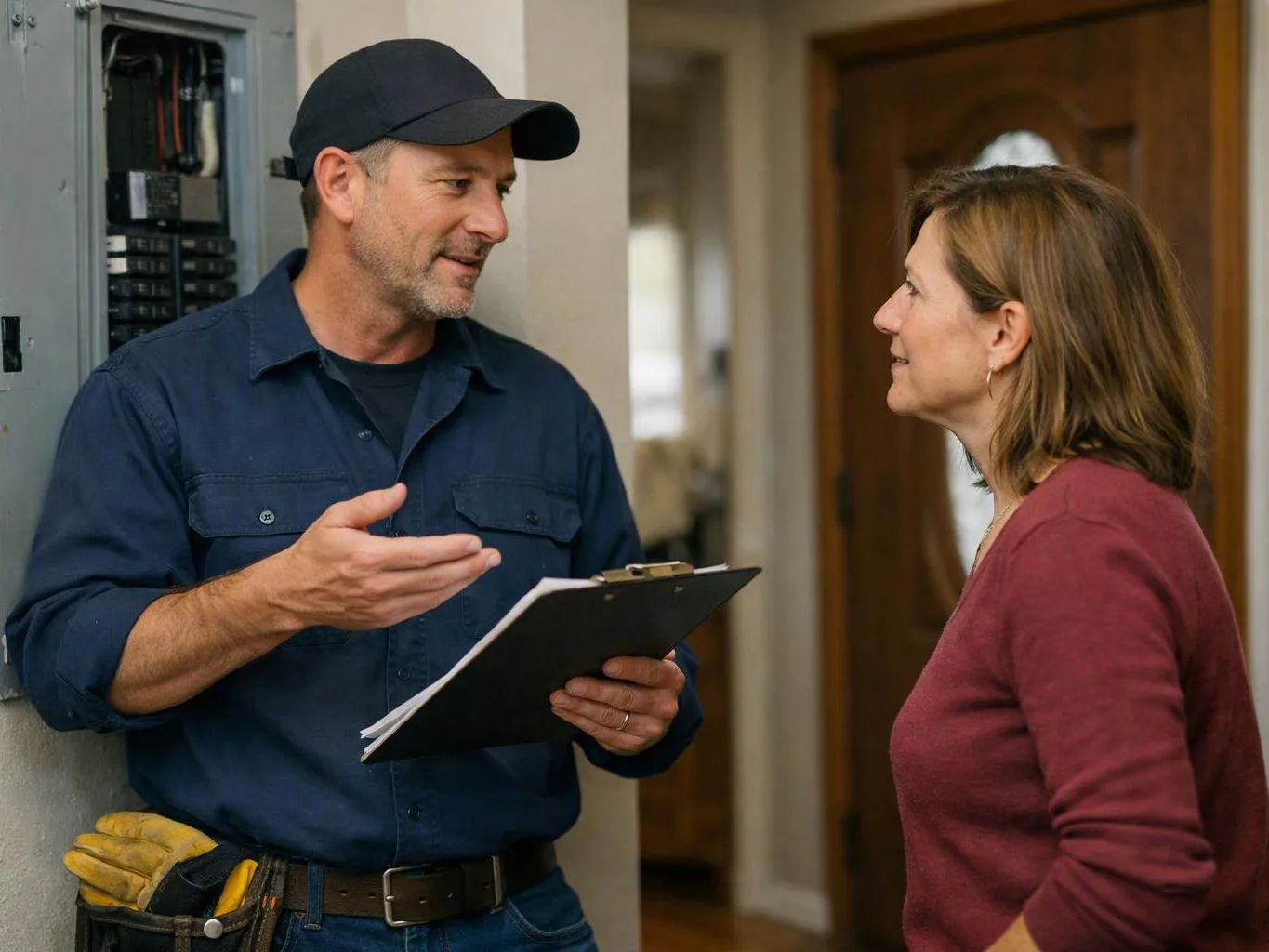
The visit moves from an assessment to fixture planning, installation, testing, and a final explanation. We first review the walkway, entrance, power source, and cable route. Next, we install the selected lights and controls. Testing confirms that the fixtures and photocell sensor work as planned.
What should I share when requesting an estimate?
Photos of the walkway, entrance, steps, existing fixtures, and nearby outlets help us understand the job. Include the property type and describe dark areas or failed lights. Our team still checks the site conditions before setting the scope, because pictures cannot show every cable route or circuit issue.
Why do new lights need an electrical check?
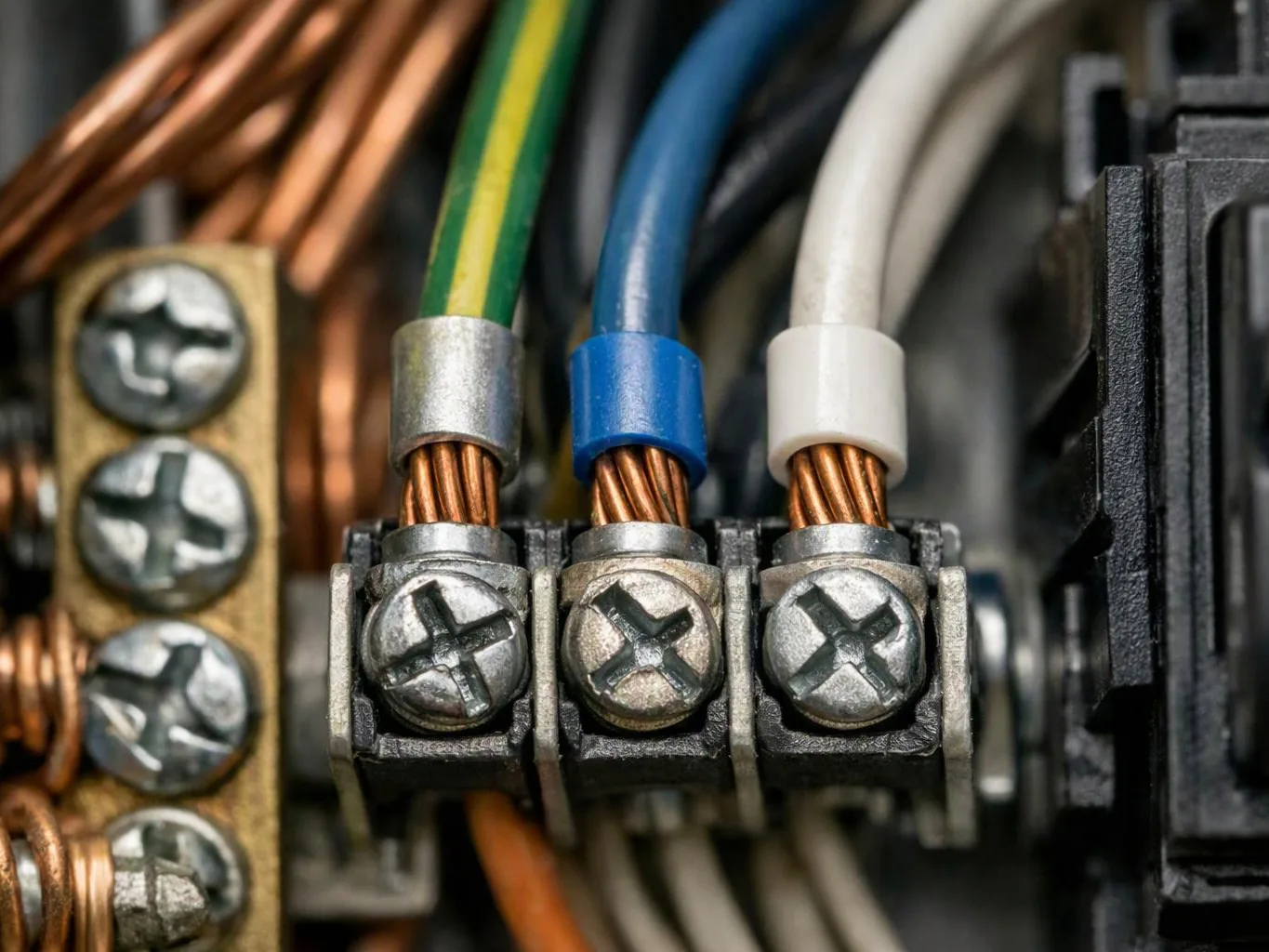
New exterior fixtures need a circuit and connection check so the lighting works safely with the property’s electrical system. We inspect the power source, wiring path, connections, and controls before testing the finished installation. Related repairs, such as a dead outlet or tripped breaker, may need attention before the lights are connected.
When should a lighting issue become urgent?
A burning smell, buzzing panel, sparking outlet, or repeated breaker trip calls for urgent electrical attention. We treat those signs as an electrical problem first, not as a simple lighting change. Turn off the affected circuit if it is safe to do so, avoid damaged equipment, and request emergency electrical service.