What does a residential electrical inspection include?
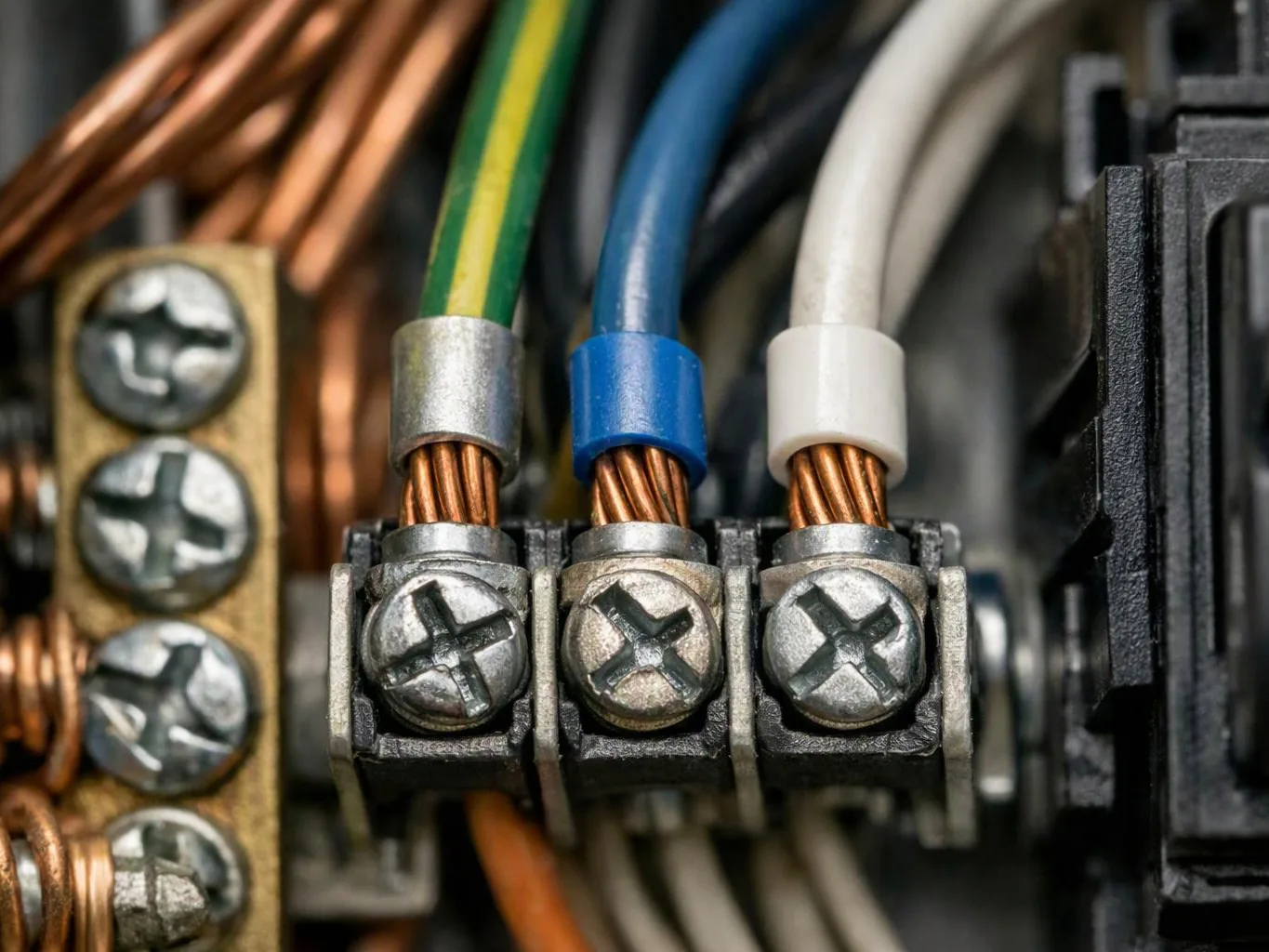
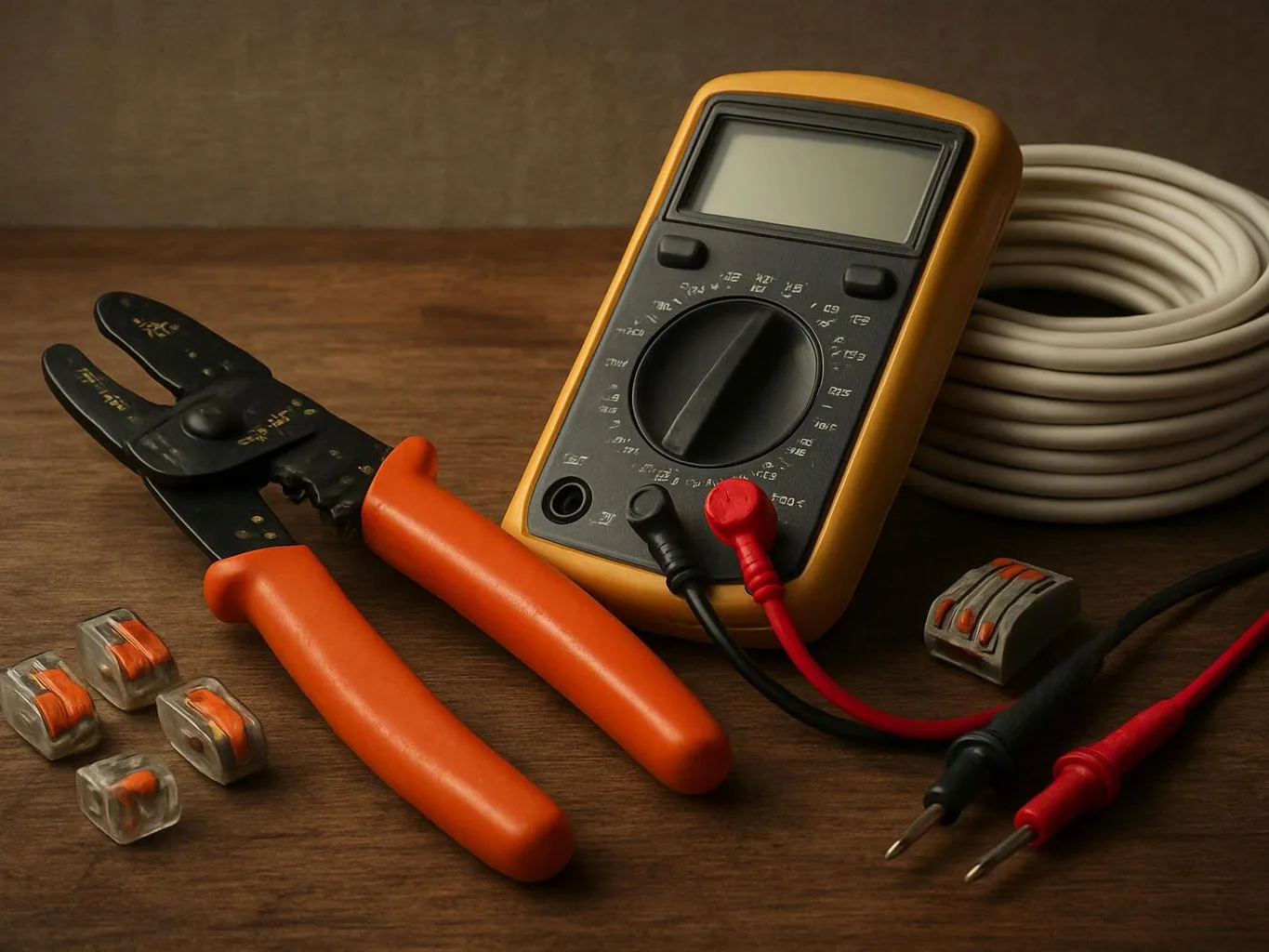
Panel inspection, wiring assessment, grounding checks, and outlet testing form the core of a residential electrical inspection. Chris Miller Electric also traces circuits when symptoms point beyond one outlet or breaker. We review accessible electrical parts, explain the findings, and identify whether repair, replacement, or further testing is the next step.
Which part of the property decides the inspection scope?
The service panel and connected circuits usually decide the inspection scope. A property with dead outlets, repeated trips, or visible wiring damage needs more circuit tracing and testing. We also consider panel access, outlet locations, and the difference between a home, office, and active commercial space before setting the work scope.
Which material changes how an inspection moves forward?
Accessible wiring material changes how we inspect and test the system. Aluminum wiring, knob-and-tube wiring, and newer copper wiring can call for different checks and repair planning. We identify visible materials, examine connections, and explain any limits when wiring is concealed behind walls.
How does an inspection visit move from the first call to the last step?
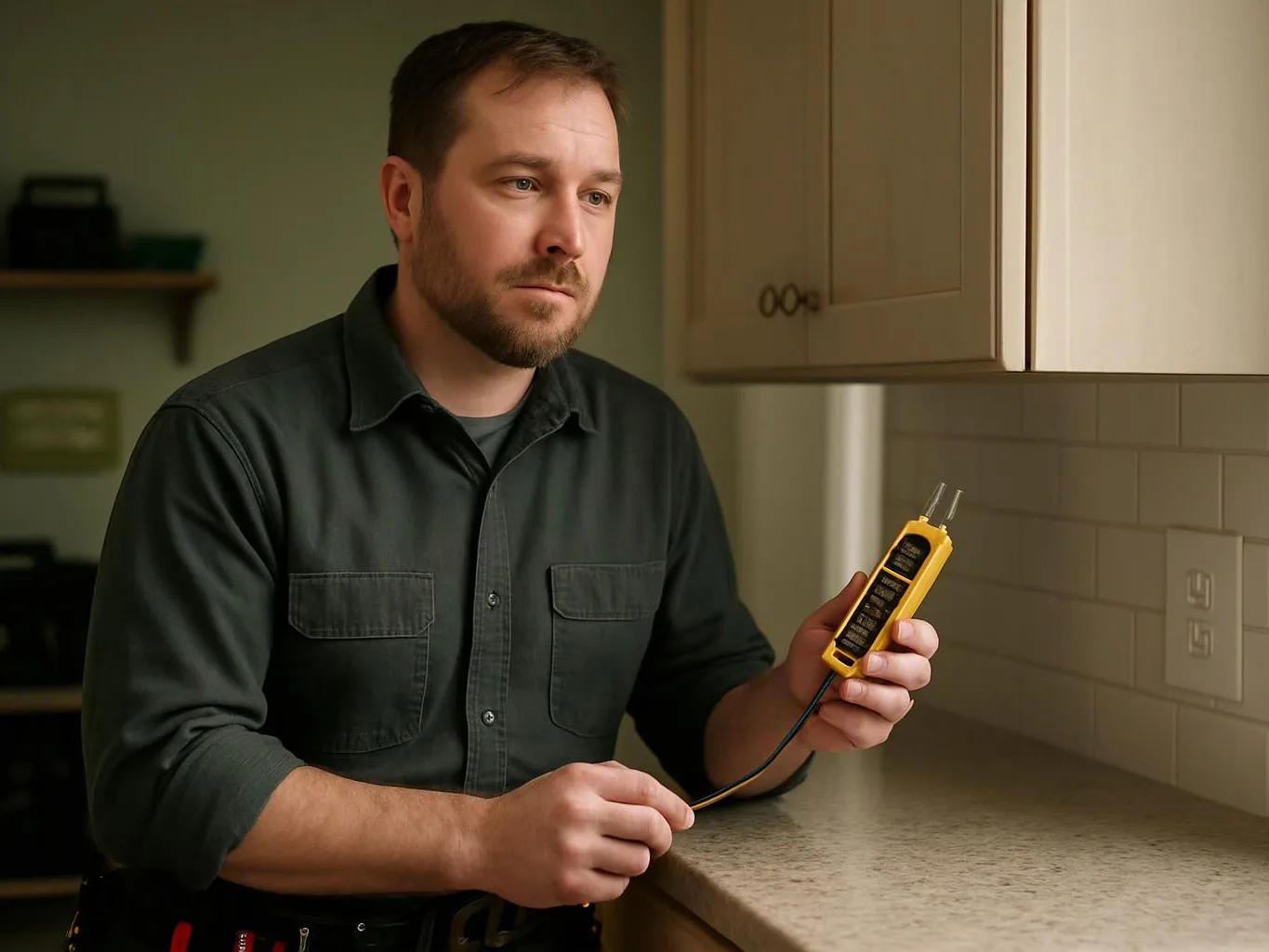
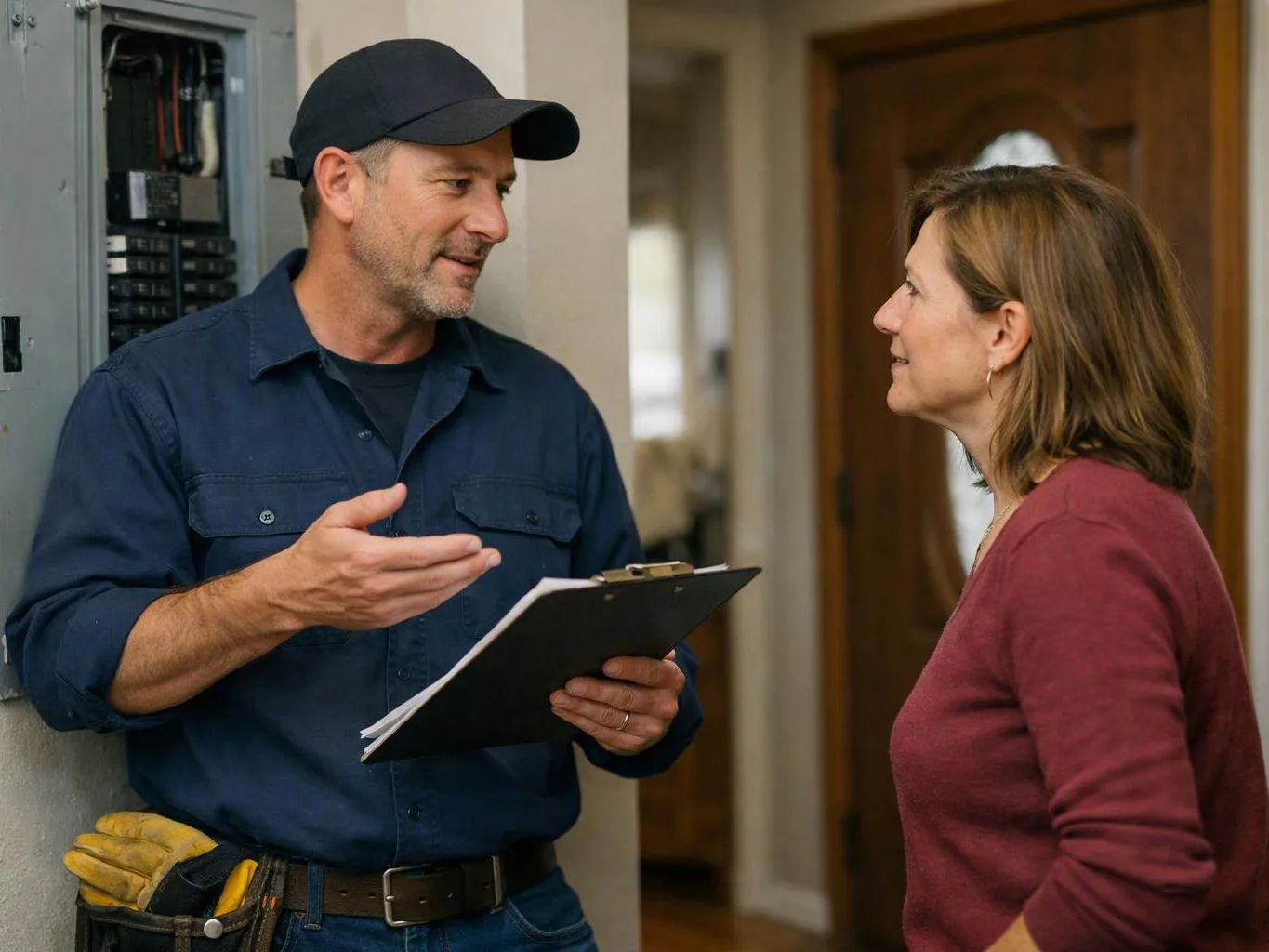
The visit moves from symptom review to panel checks, circuit tracing, outlet testing, and a findings discussion. We start with the concern you report, then follow the related circuit and test accessible points. The last step is a clear explanation of repair, replacement, upgrade, or further testing needs.
When should I request an electrical inspection?
Request an electrical inspection when breakers trip often, outlets stay dead, lights flicker, or a panel buzzes. A burning smell, sparking outlet, or warm switch plate needs prompt attention. Turn off the affected circuit when safe, keep clear of damaged parts, and ask us to assess the condition.
Why might an outlet fail while the panel looks normal?
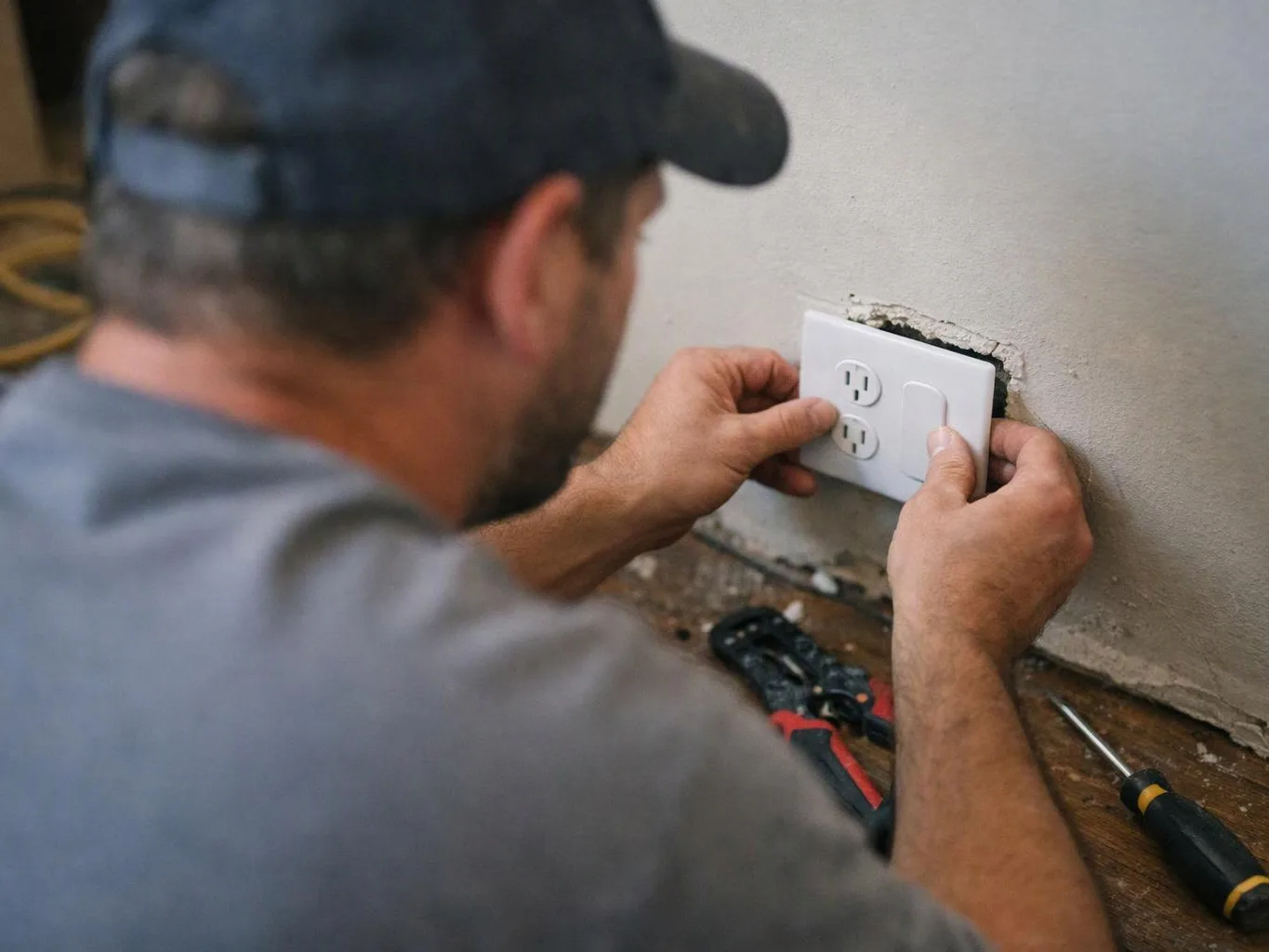
An outlet can fail because of a loose connection, damaged device, open ground, or an interrupted circuit. We test the outlet, check nearby connections, and trace the circuit back to its breaker. A normal-looking panel doesn't rule out a problem at the outlet or inside the wall.