Questions about emergency battery backup repair
How does a battery backup repair visit move from the first call to the last step?
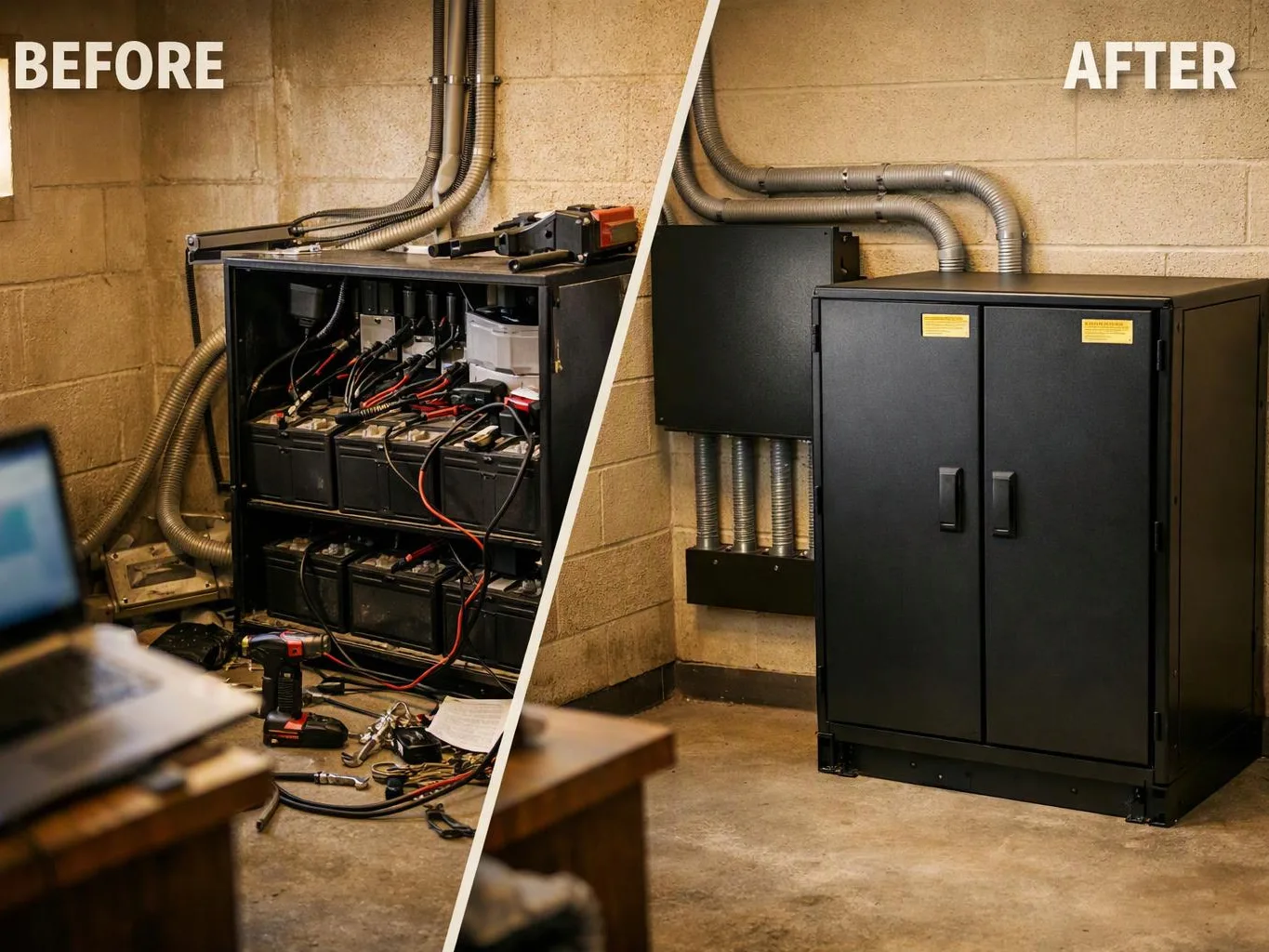
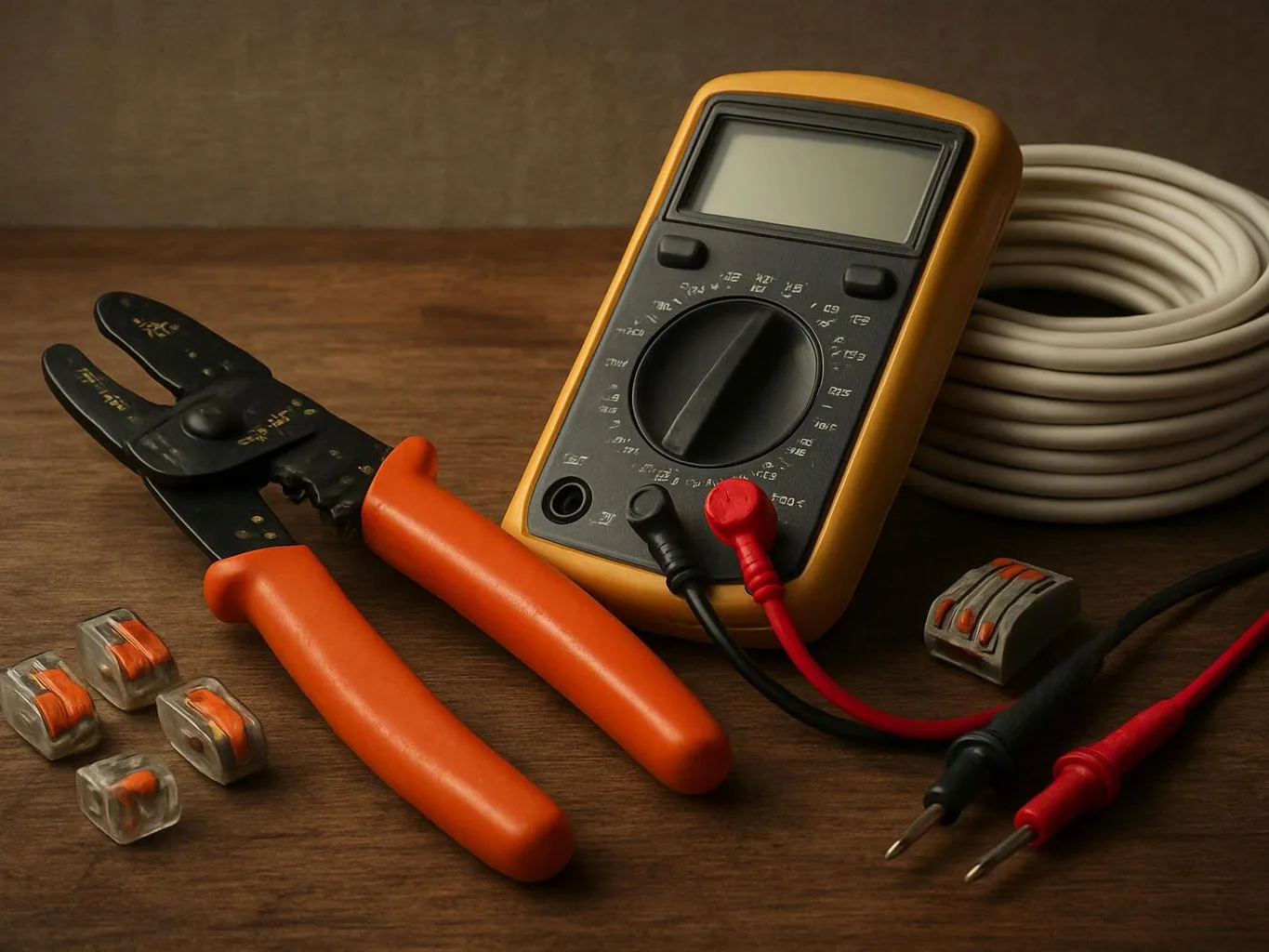
The visit moves from symptom review to equipment inspection, circuit tracing, repair planning, and testing. We start with the warning message and affected circuits. Next, we check the battery, inverter, transfer switch, breakers, and wiring. After the work, our team tests the repaired path and explains what the backup system supplies.
Which material changes how long battery backup repair takes?
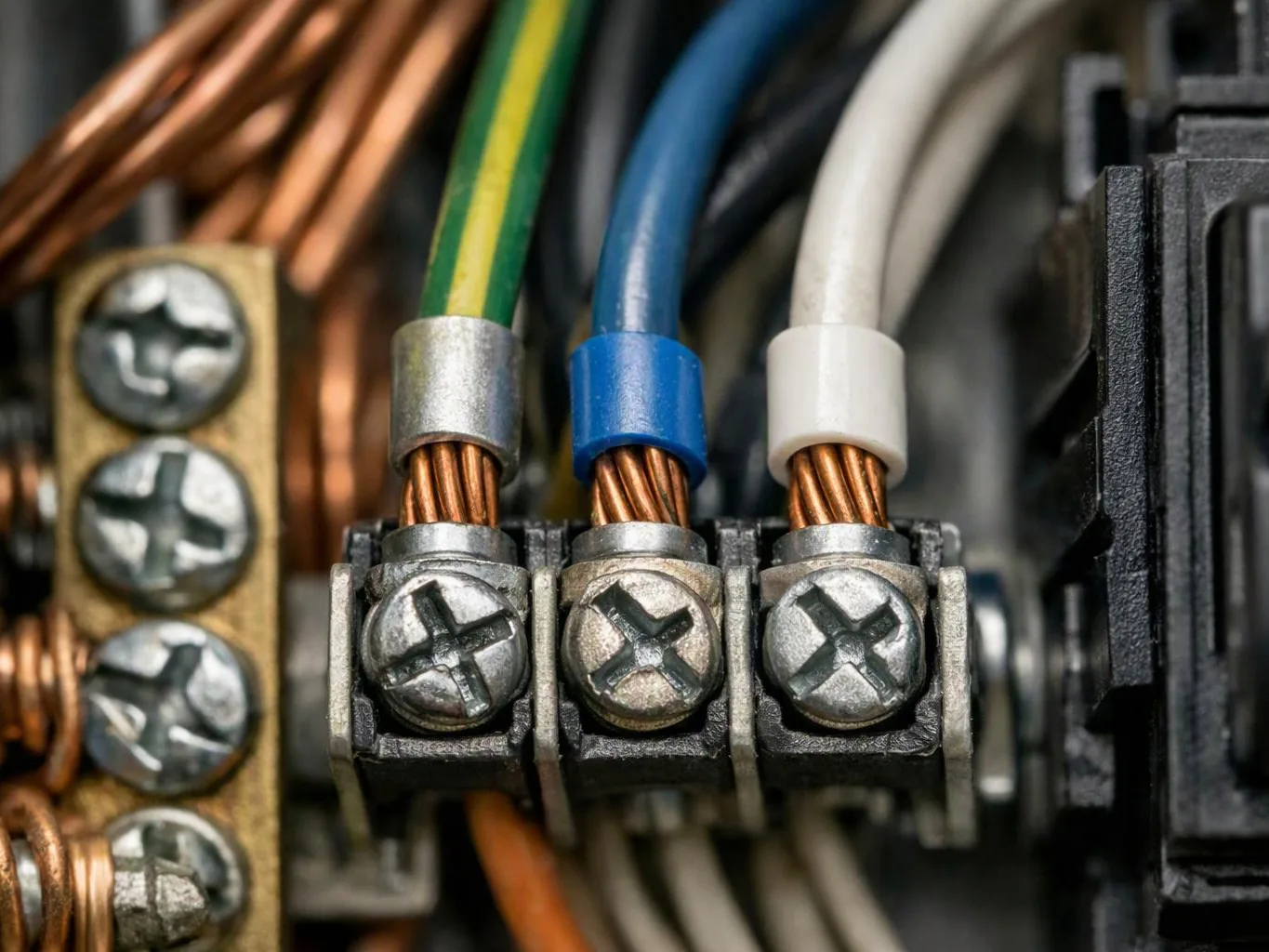
Damaged wiring can add work because the circuit may need tracing, isolation, and repair before testing can continue. Access to the battery, panel, and transfer switch also affects the repair process. We check the wiring material and connection condition first. The inspection then shows whether the job stays within the backup system or reaches related electrical circuits.
What emergency electrical problems can this service handle?
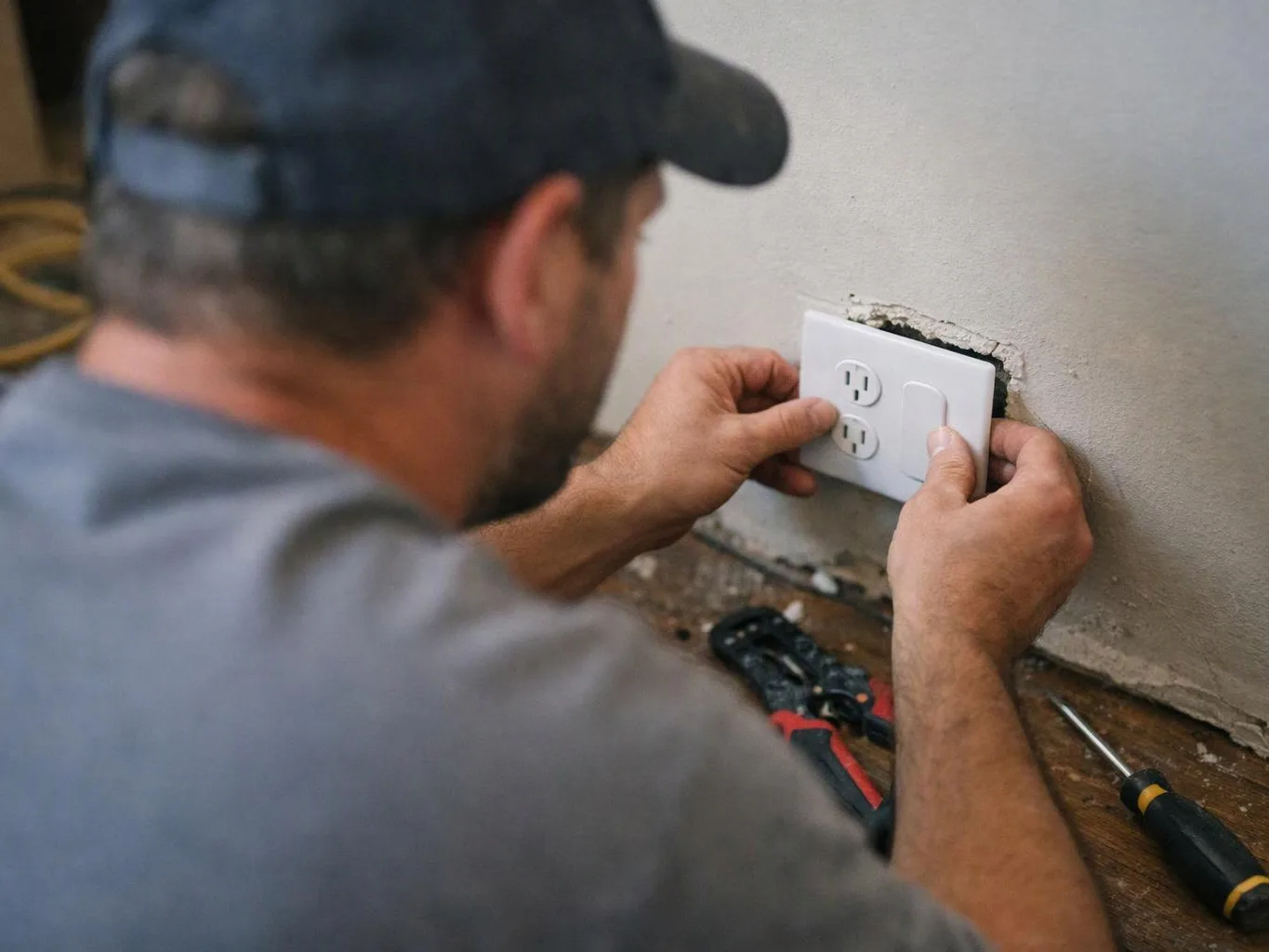
Battery backup repair handles failed backup power, system alarms, low battery conditions, transfer switch faults, and related circuit problems. We also assess tripped breakers, dead outlets, faulty wiring, and urgent safety concerns when they affect the backup system. A utility outage or fuel generator problem may require a different service.
When does a battery alarm become an urgent electrical concern?
A battery alarm becomes urgent when it appears with a burning smell, buzzing panel, sparking outlet, heat, or repeated breaker trips. Turn off the affected equipment if you can do so safely, and don't open the battery enclosure. We isolate the concern, inspect the connected electrical equipment, and explain the safe repair path.
How can a customer tell whether battery backup repair fits the property?
Battery backup repair fits a property when an installed home battery fails to charge, transfer, or supply its connected circuits. The battery location, inverter, panel, transfer switch, and backup loads determine the inspection. In Markle, homeowners can share the system warning and affected rooms so we can assess the installed electrical setup.
Which repair decision depends on the transfer switch?
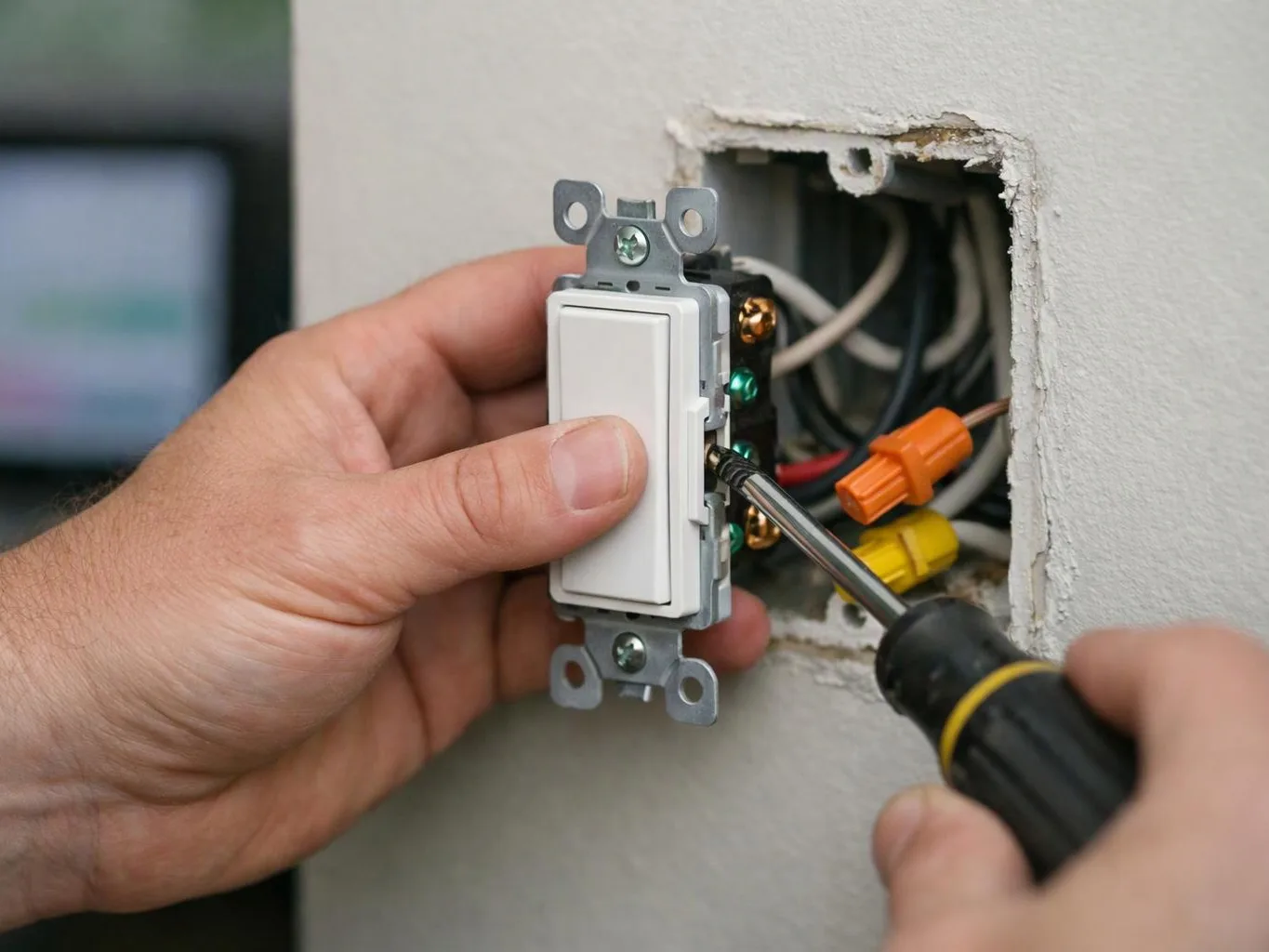
The transfer switch determines whether the home can move selected circuits from utility power to battery power. A switch fault can leave the battery charged while the connected loads stay off. We test the switch, wiring, breakers, and backup circuits. If the switch is not the fault, testing continues along the battery and inverter path.