Record the failure symptoms
We review warning lights, shutdown behavior, charging loss, outage conditions, and the circuits that failed.
Battery backup failures can leave essential circuits without power during an outage. We inspect the system, find the fault, and explain the repair needed.
Backup circuits can receive power when the battery system and transfer equipment operate correctly.
A fault is tied to a tested part or circuit, so you can make a more informed repair decision.
Electrical hazards receive attention before the system returns to service.
Emergency Home Battery Backup Repair is an electrical service that diagnoses and corrects faults in a home battery power system.
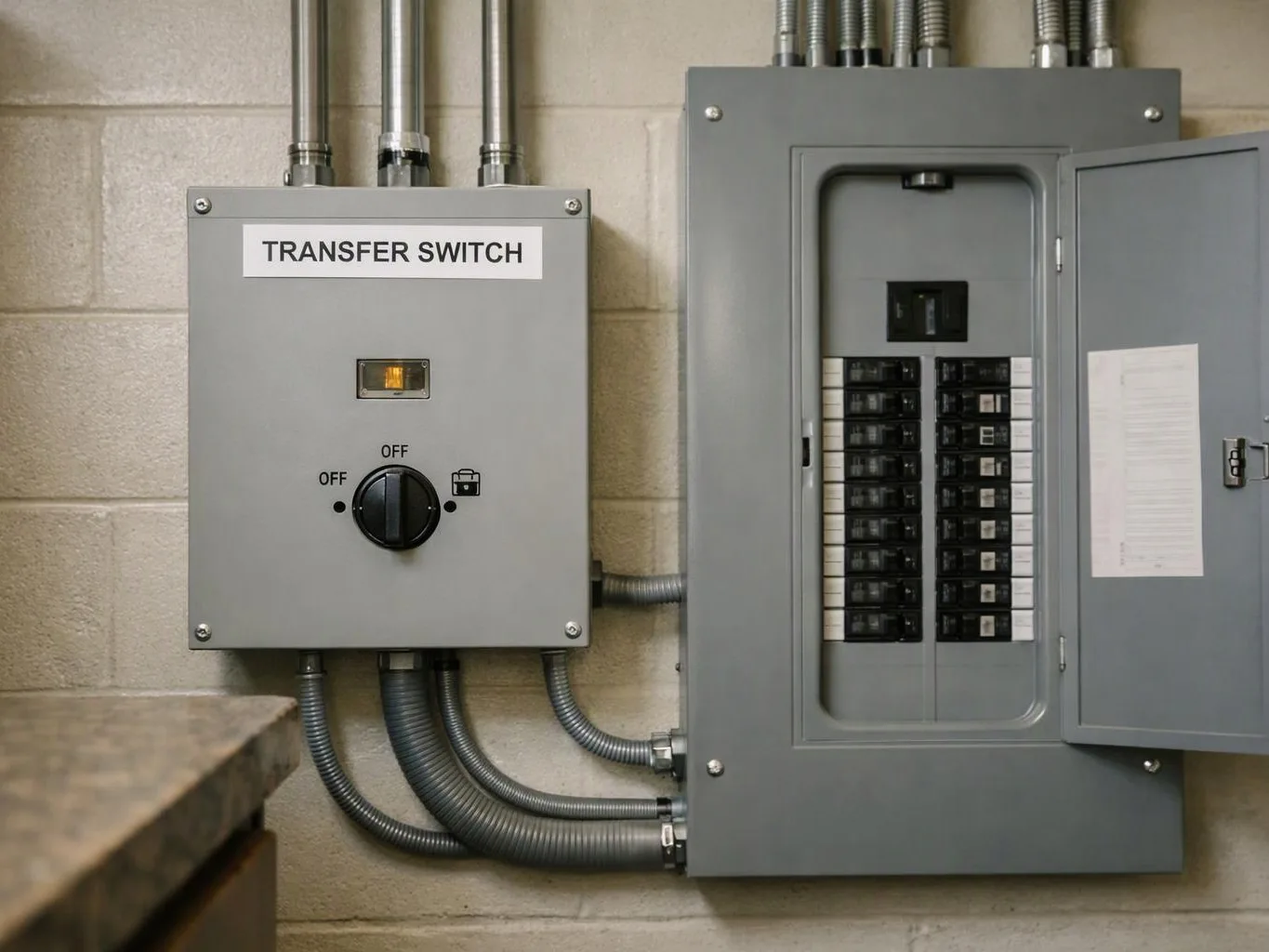
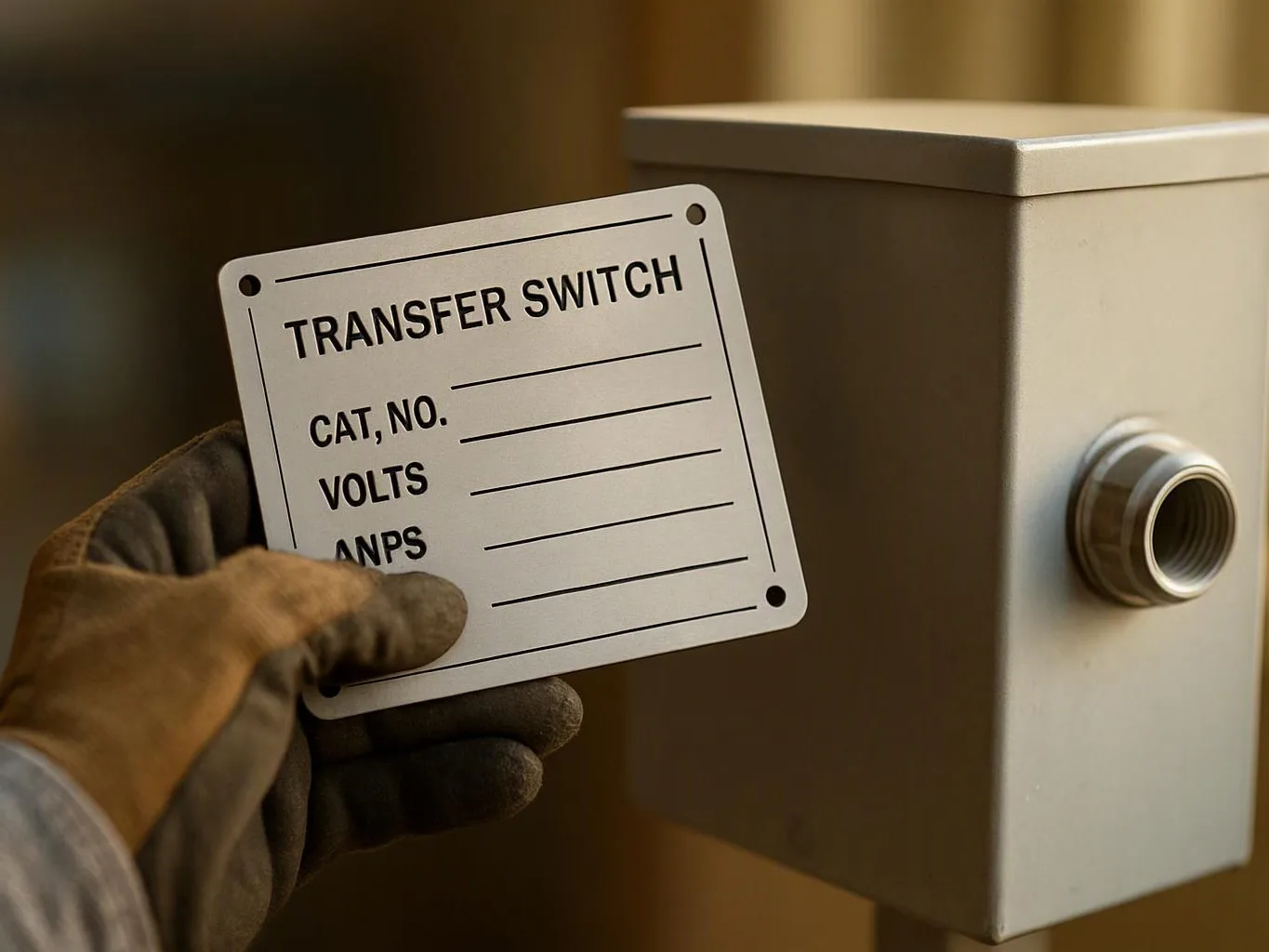
Home battery backup repair focuses on the failure point, not just the symptom. We check whether the battery charges, whether the inverter produces usable power, and whether the transfer equipment sends that power to the intended circuits. The repair may involve a loose connection, a failed control part, a tripped breaker, or a fault in the backup circuit. We isolate unsafe conditions, test the affected parts, and explain which repair or further equipment decision fits the system. Battery systems can fail in different ways. A system that will not charge needs a different test path from one that charges but never supplies power. Our electricians separate those faults before recommending work.
We review warning lights, shutdown behavior, charging loss, outage conditions, and the circuits that failed.
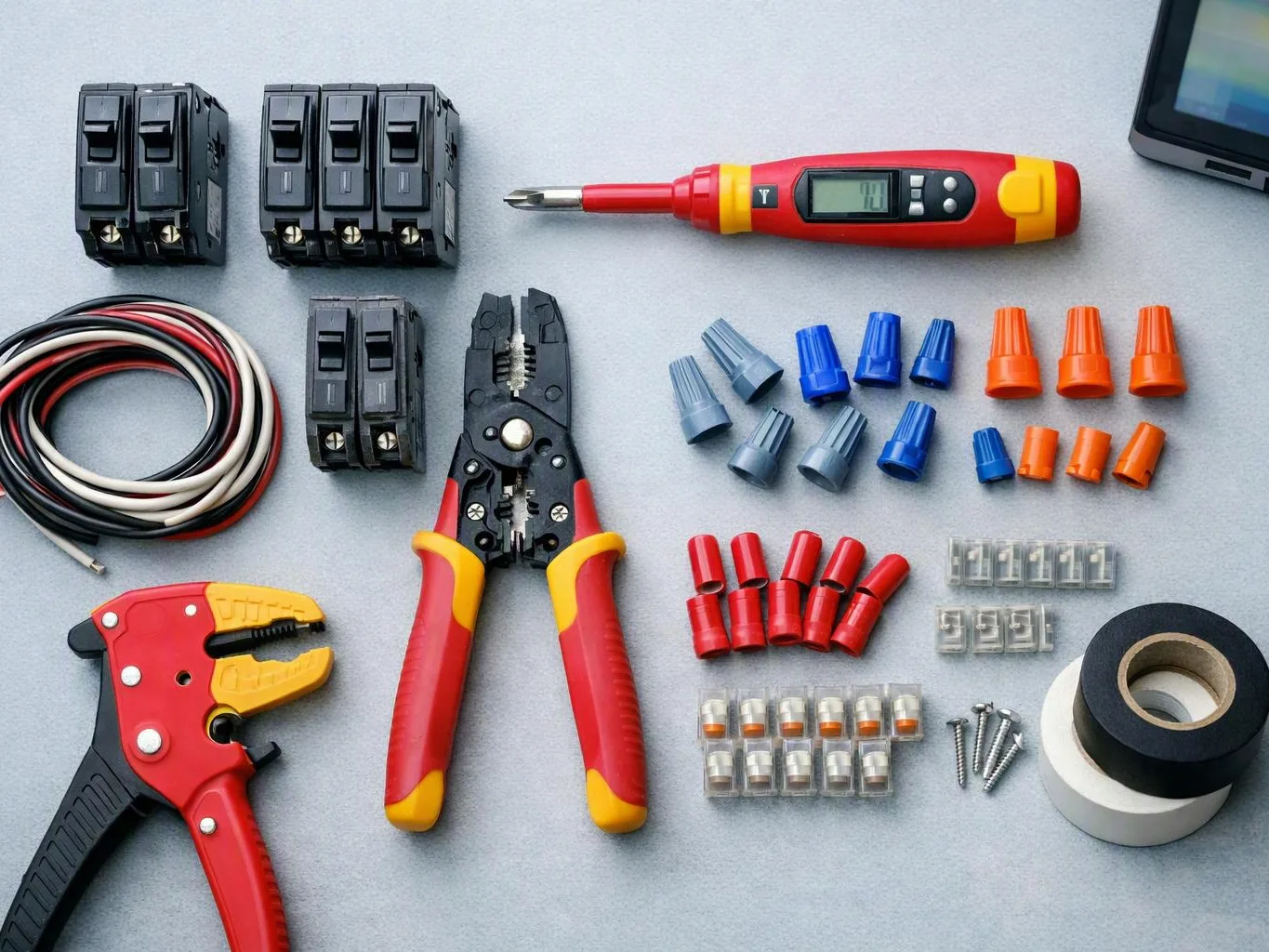
We assess battery connections, the inverter, control equipment, breakers, and visible wiring before repair work begins.
We test whether the system receives power, stores energy, changes to backup mode, and feeds the selected circuits.
We trace the fault and identify whether the issue involves the battery, inverter, transfer equipment, breaker, or connected wiring.
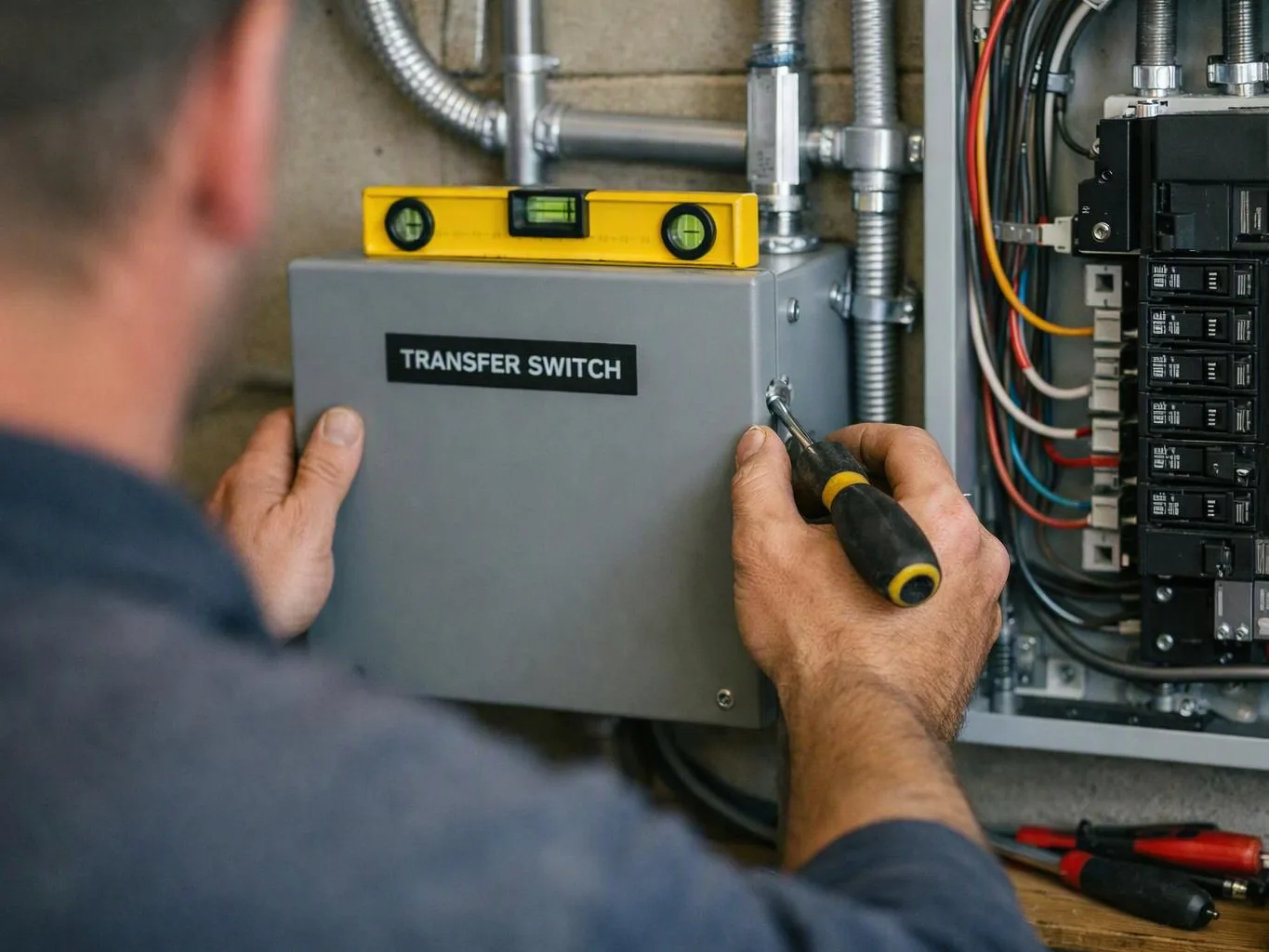
We perform the appropriate electrical repair, test the system again, and explain what was checked and what remains needed.
A few details can help us assess the failure more safely and directly.
We assess the battery, inverter, transfer equipment, and connected circuits before beginning any repair work.
We isolate unsafe conditions and perform battery backup repairs with careful attention to electrical safety.
We troubleshoot charging, transfer, inverter, and circuit faults to identify the repair the system needs.
Tell us what the battery system is doing, and urgent requests get priority scheduling.
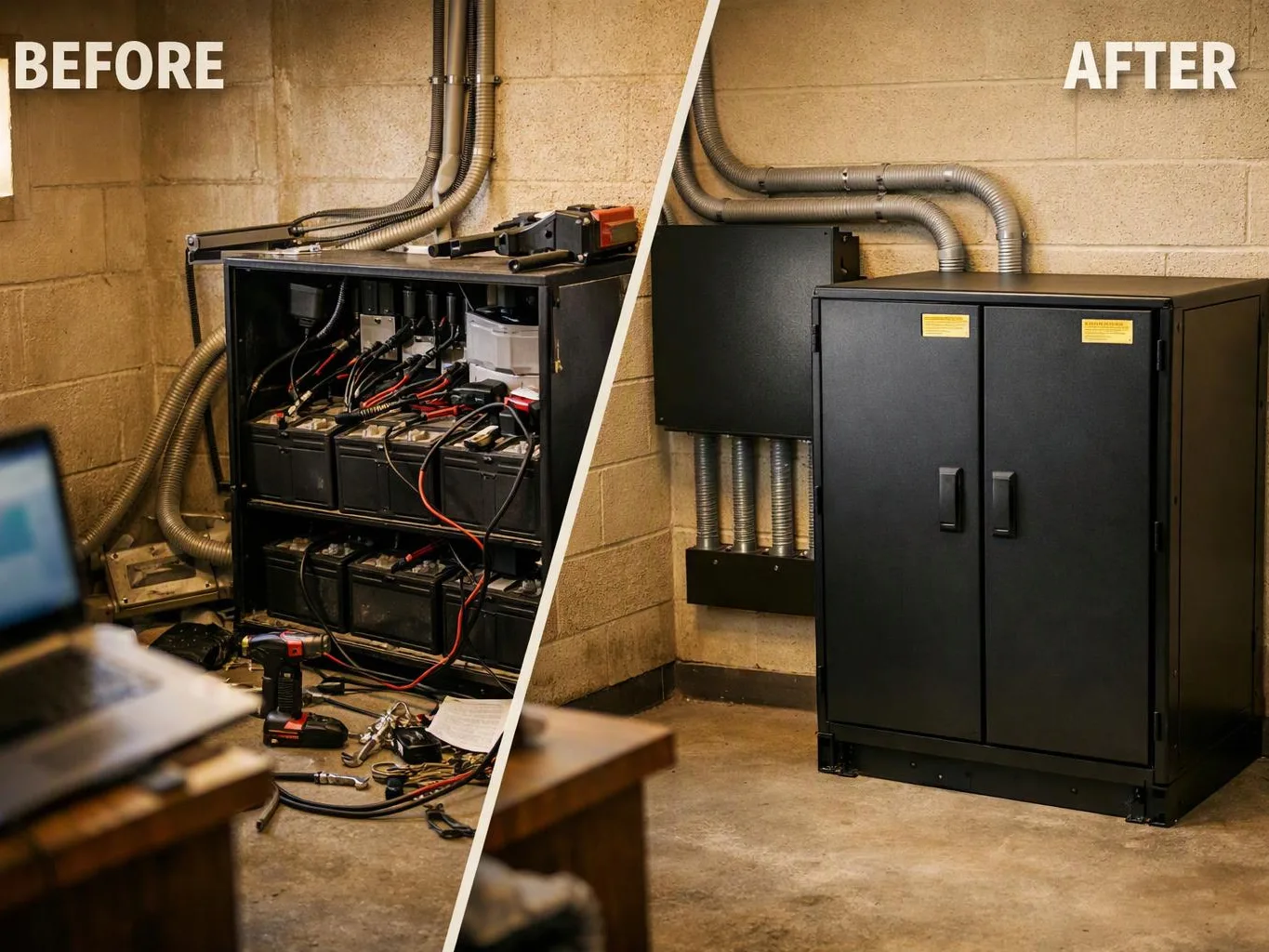
A home battery may show a low charge even though the property has utility power. The cause could involve the charging circuit, inverter controls, a breaker, or a connection at the equipment. Avoid opening the battery enclosure, record any warning message, and arrange an assessment so we can test the charging path safely.
Some homes lose selected lights or outlets when the utility power fails, while the battery display still appears active. The problem may sit in the transfer equipment or the backup circuit wiring. Note which circuits failed and keep access clear to the panel and battery equipment for our inspection.
An inverter warning can stop a battery system from sending power, even when the battery itself still holds charge. The fault may relate to controls, wiring, temperature, or output protection. Do not reset the system repeatedly if the warning returns. Save the code and ask us to test the cause before further use.