What to Do About Electrical Damage After a Storm or Flood
Storm or water damage can make your home unsafe. It can cause shocks, fires, and equipment damage. Power off only when it’s safe. Don’t touch wet outlets, wires, appliances, or panels. Keep everyone away from wet areas. Call a qualified electrician when water reaches electrical parts. Call when only part of the home loses power. Call when breakers trip, wires look damaged, or sparks appear. Storm-damaged wiring isn’t safe just because it dries. An electrician must inspect, test, clean, repair, or replace damaged parts.
Get a Free EstimateWhat Should You Do Immediately After Water Reaches Electrical Equipment?
Water-damaged electrical equipment is dangerous until an electrician checks it. Keep everyone away. Don’t touch wet devices or outlets. Don’t enter standing water near electrical equipment. If it’s safe, shut off power from a dry location. Then call a qualified electrician.
Water and electricity can cause a shock, even in shallow water. Wet floors and metal surfaces can carry electricity. Homeowners, landlords, and property managers should protect people first. Don’t test wet equipment by hand.
Our team can check a flood-damaged electrical system after the area is safe. Don’t use a fan, heater, or dehumidifier on submerged parts. The right steps depend on the water level and water type. They also depend on the equipment and whether power was on.
Signs Your Home Has Storm-Damaged Electrical Wiring
Storm-damaged wiring can cause flickering lights and partial power loss. It can also cause breaker trips, buzzing, burning smells, sparks, or warm outlets. Rust and color changes may also appear. These signs can point to damaged wires, connections, or insulation. Stop using affected equipment. Arrange testing instead of resetting breakers again and again.
Some signs start at once. Others appear later as moisture causes rust inside boxes and connections. The danger may affect one room or the whole home. Renters and property managers should close the affected area. Keep it closed until a qualified professional says it’s safe.
These signs may also point to a damaged service line or utility problem. Don’t reset a tripped breaker many times. Don’t use a questionable outlet. Our crews can test the circuit and find insulation damage. We’ll explain if Electrical Wiring Repair or part replacement is needed.
Why Is Only Part of the House Without Power After a Storm?
A partial power outage can come from a tripped breaker or damaged branch circuit. It can also come from a bad connection, utility fault, or water in the panel. Don’t keep resetting a breaker that trips again. Unplug affected appliances only when it’s safe. Have an electrician find the cause.
A branch circuit powers a group of lights, outlets, or devices. Storm damage may affect that circuit without shutting off the whole home. Moisture at one outlet can open the breaker. A damaged cable in a wall can do the same.
The panel may have a tripped breaker or wet connection. It may also have a damaged part. A service connection outside may be damaged. The utility may have shut off power for safety. A trained person must find the fault.
Most visits include a panel check and voltage test. The electrician separates the bad circuit from the others. They test the connected equipment. A typical visit takes about one to three hours. Time depends on access, water damage, and needed repairs. This range is only an estimate.
Keep people away from wet areas. Landlords and property managers should record the outage. They should notify residents and arrange testing. A partial outage is a warning sign. Working power in other rooms doesn’t prove it’s safe.
Can Storm-Damaged Wiring Be Used After It Dries?
Flood-damaged wiring shouldn’t be used just because it dried. Floodwater can leave rust, dirt, chemicals, and germs behind. It can also weaken insulation inside wires and connections. A qualified electrician must inspect the parts. They’ll decide if cleaning and testing are safe. They may need to replace parts exposed to floodwater.
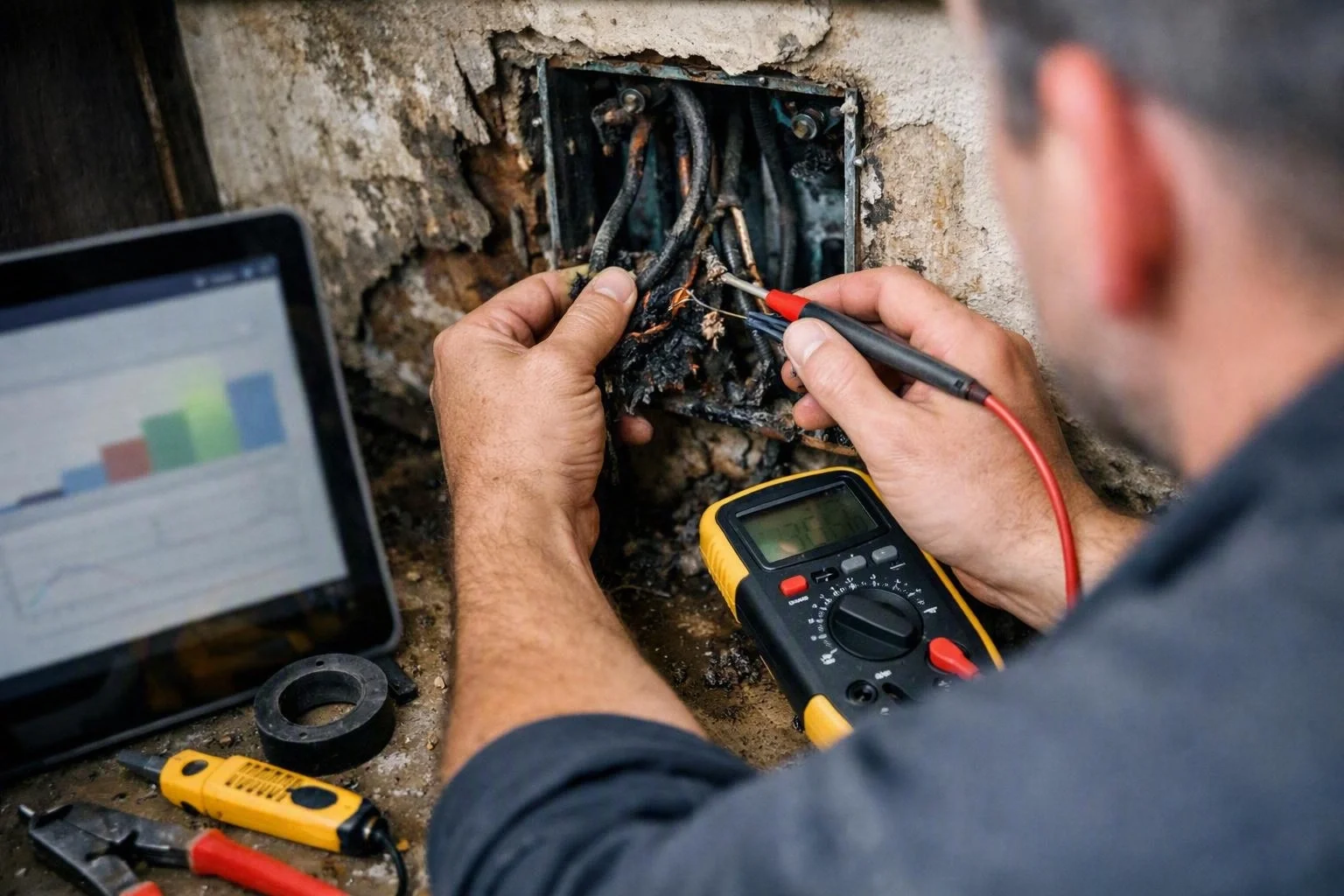
Dry surfaces don’t tell the whole story. Dirty water can carry oil, sewage, chemicals, and mold into electrical boxes. These materials can stay after the water dries. Rust can also grow inside hidden terminals.
Water can damage grounding paths and cable covers. It can damage breakers, outlets, switches, surge devices, and connectors. A dry wire may still have weak insulation. It may also have a poor connection. Turning it on can cause heat, sparks, or breaker trips.
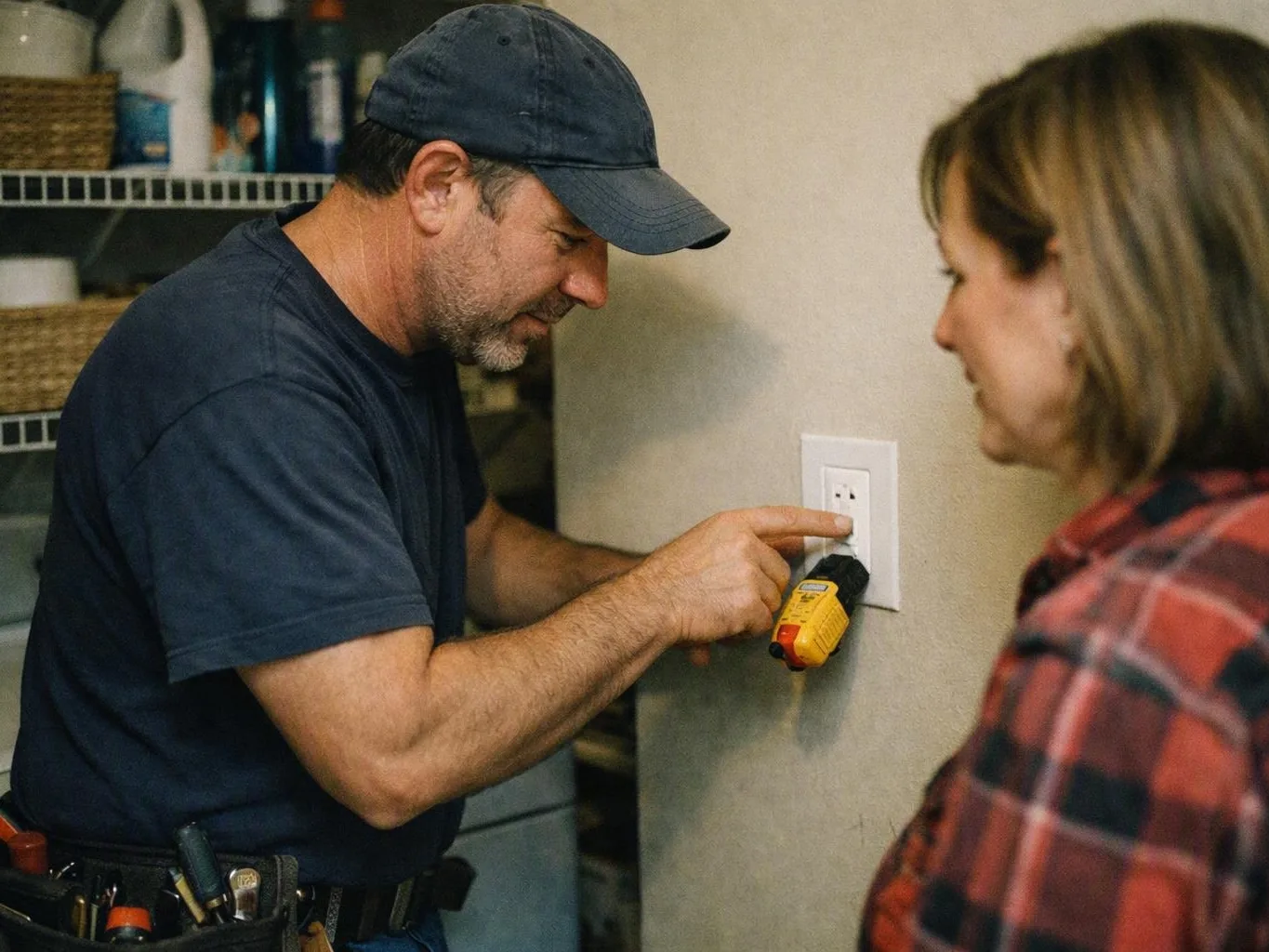
Testing may include a visual check and continuity test. It may also include insulation, grounding, and safety tests. The electrician chooses tests for each part. One meter reading can’t prove every hidden part is safe.
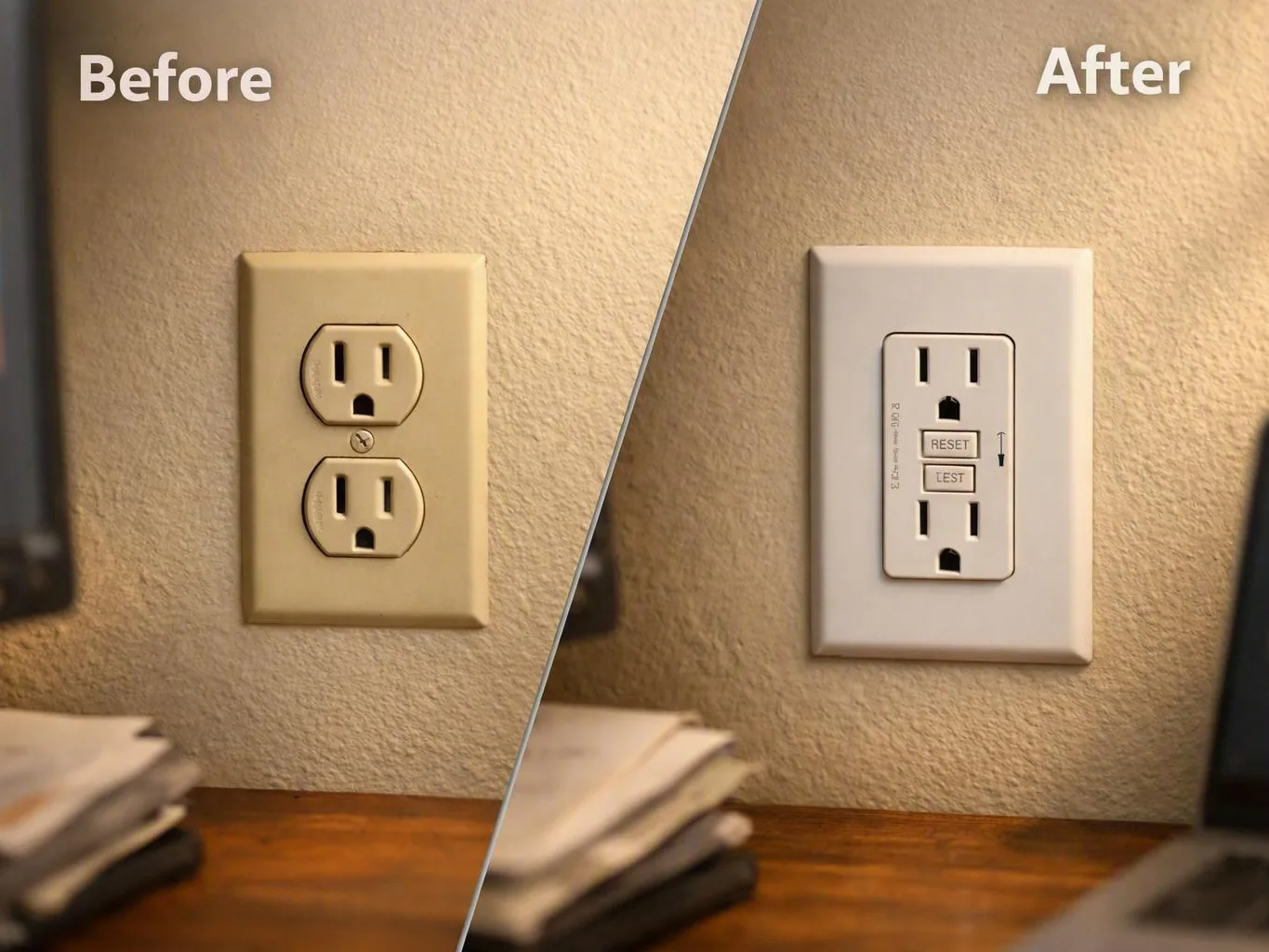
Parts may include outlets, switches, breakers, connectors, and cables. Panel parts and GFCI devices may also need replacement. An electrician may keep some wires after a full check. Submerged cables and connections often need replacement.
Don’t use bleach, heat, compressed air, or tools on live equipment. Our team can explain the difference between drying a room and fixing the system. Emergency Electrification Wiring Repair may be needed first. Damaged wires may need isolation or replacement before anyone returns.
When Does Electrical Damage After a Storm Require Emergency Service?
Electrical damage requires emergency service when smoke or sparks appear. It also requires help for burning smells, exposed live wires, or a sparking panel. Hot, melting equipment is another warning sign. Standing water near live parts is dangerous. Leave the area and keep others away. Call emergency services for fire or immediate danger. Request emergency electrical repair for other serious hazards.
Don’t inspect a suspected electrical fire. Don’t move a smoking appliance. Don’t walk through standing water near electrical parts. Evacuate if flames or heavy smoke appear. Call emergency services from a safe place. Utility crews may need to shut off damaged service equipment.
For urgent but stable problems, our team can discuss emergency electrical repair. The phrase 24/7 Emergency Electricians describes urgent help from some providers. Evacuation comes first during a fire or immediate threat.
In Fort Wayne, Emergency Electrification Wiring Repair may help with unsafe storm damage. The hazard matters more than dry walls or floors.
How an Electrician Inspects and Repairs Flooded Electrical Systems?
An electrician first finds the water line and damaged circuits. They isolate unsafe power and inspect the panel and wiring. They test insulation, grounding, outlets, and safety devices. Repairs may include new breakers, outlets, cables, connectors, or panel parts. The electrician tests each circuit before restoring power.
We start by learning what happened. We ask how high the water rose. We ask if the water was clean or dirty. We ask how long parts stayed wet. We also ask if power stayed on. These details help us find hidden damage.
Next, the electrician makes the system safe. This may mean shutting off the main disconnect. It may also mean working with the utility. Affected circuits may be tagged to prevent use. A flooded panel needs a full check. Wiping away surface water isn’t enough.
The inspection follows the water path. We check service equipment, panels, cables, boxes, switches, and outlets. We also check appliances and grounding connections. GFCI outlet repair may be needed after flooding. This applies when the device fails, gets dirty, or stays underwater.
Testing may include voltage, continuity, and insulation checks. It may include polarity and grounding checks. The electrician also tests safety devices. The exact tests depend on the equipment.
Wiring repair may require removing damaged cable. It may require new cable sections and connections. The electrician may replace outlets or panel parts. Replacement is common after dirty water or heat exposure.
Before power returns, the electrician tests each repaired circuit. They check that safety devices work. We explain what we repaired and replaced. We also note any work needed to stop future water entry.
Emergency Electrification Wiring Repair makes unsafe circuits safe during urgent events. Regular Electrical Wiring Repair handles damage after the property is stable. Neither service should be replaced by a do-it-yourself dry-out.
How Can You Prevent Electrical Problems During Future Storms and Flooding?
Electrical storm and flood prevention starts with GFCI protection and testing. It can also include whole-home surge protection. Keep electrical equipment above likely flood levels. Use weatherproof outdoor boxes. Use generators with safe transfer equipment. A qualified electrician can check circuits, grounding, panels, and backup power.
Prevention can lower risk during severe weather. It can also make the response safer. Plan electrical work before storm season. This matters if you have a low panel or basement equipment. It also helps with outdoor outlets and past water problems.
Ask our team to check grounding, panels, GFCI devices, and generator connections. We can also look for places where water may enter. This review helps landlords and property managers plan for storms.
Questions About 24/7 Emergency Electricians
What Should I Do if Water Reaches an Electrical Outlet?
Keep away from the outlet and nearby water. Don’t touch, test, remove, or use it. Shut off power only from a dry, safe place. A qualified electrician must inspect and test the outlet before use.
Why Is Only Part of My House Without Power After a Storm?
A partial outage may come from a tripped breaker or damaged circuit. It may also come from a bad connection, utility fault, or water damage. Don’t reset a breaker that trips again. Arrange an electrical diagnosis.
Can Storm-Damaged Wiring Be Used After It Dries?
No. Drying doesn’t remove rust, dirt, chemicals, mold, or insulation damage. An electrician must inspect and test the wiring. Damaged wires, connectors, outlets, breakers, or panel parts may need replacement.
What Electrical Symptoms After a Storm Require Emergency Service?
Call for emergency help for sparks, smoke, exposed live wires, or a sparking panel. Call for hot or melting equipment and burning smells. Standing water near live parts is also dangerous. Leave and call emergency services for fire or immediate danger.
Have storm or water damage checked before using the affected rooms. We can find unsafe circuits and explain repair choices. We can help with your home, rental property, or managed building.
Related Resources
How Much Does an Emergency Electrician Cost in Fort Wayne?
emergency electrician cost Fort Wayne IN
What It CostsCircuit Breaker and Fuse Replacement: What It Costs and How It Works
circuit breaker replacement cost emergency electrician
What It CostsCommercial Emergency Electrical Repairs: Cost, Response, and Process
commercial emergency electrical repair cost Fort Wayne
Compared ToEmergency Electrician vs. Regular Electrician: Which Service Do You Need?
emergency electrician vs regular electrician