What to Do After Storm, Flood, or Impact-Related Electrical Damage
Storm and water damaged electrical repair must start with safety. Turn off power only when the panel and nearby area are dry. The panel must also be easy to reach. Leave the property if the panel or floor is wet. Then call emergency services or a qualified electrician. Don't touch wet outlets, appliances, wires, or panels. Never turn power back on before an inspection. An electrician can check wires, breakers, panels, grounding, and hidden wiring. Repairs may include rewiring, part replacement, drying work, and code updates. A flooded home can often be rewired. The repair plan depends on water depth, water type, equipment damage, and inspection results.
Get a Free Estimate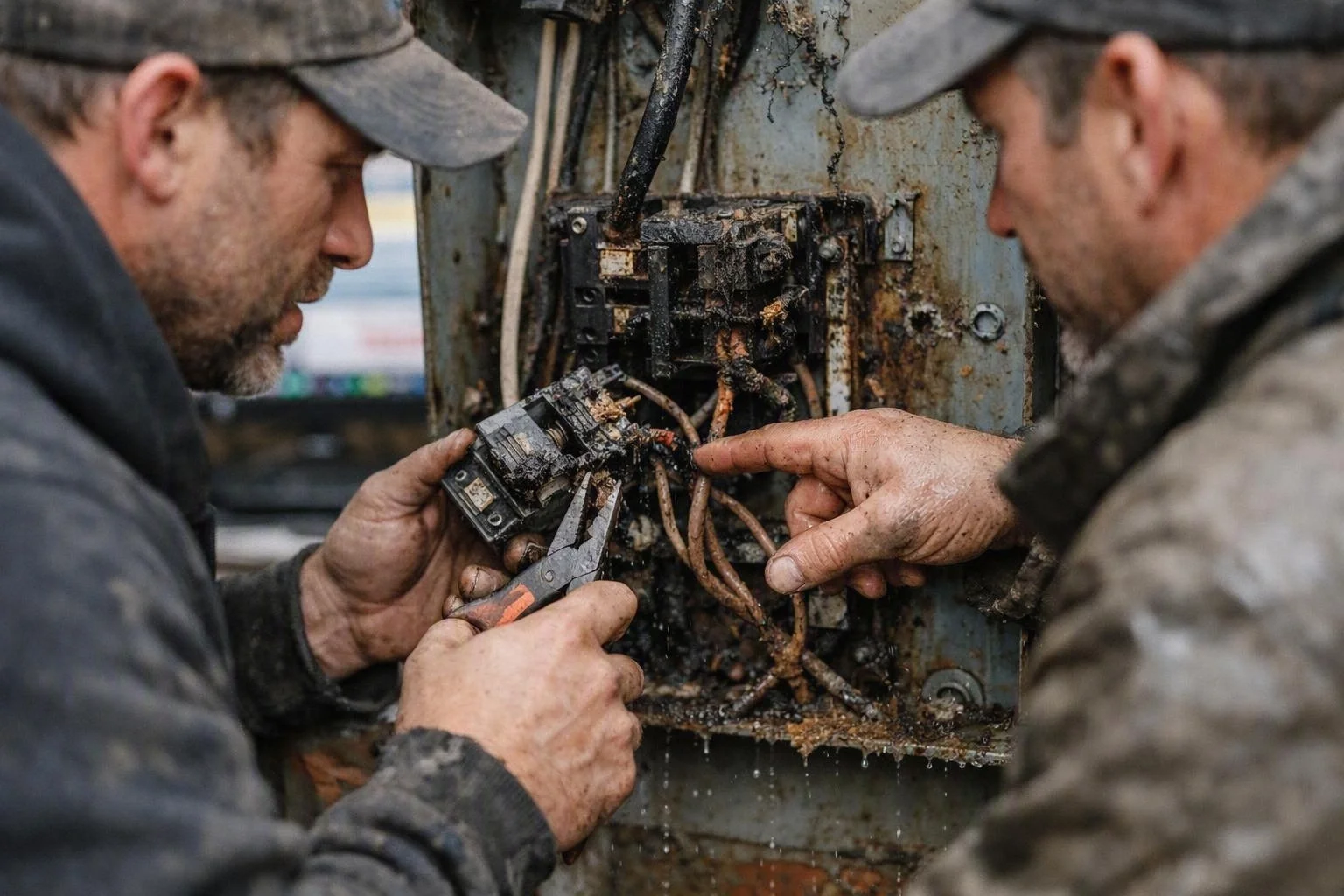
Storm and water damaged electrical repair makes damaged electrical systems safe again. It also checks if the system meets code. Storms, floods, surges, and impacts can all cause damage. Chris Miller Electric helps homeowners, landlords, property managers, and business owners. We help them choose safe steps, from shutoff to final repair.
Water, impact, and lightning can damage more than the surface. They can cause full electrical system failures. Emergency Electrification Wiring Repair in Fort Wayne may help with urgent shutoff or temporary wiring. We also provide Electrical Panel Repair when breakers, panels, or connections suffer damage.
What Should You Do After Water Gets near an Electrical Panel?
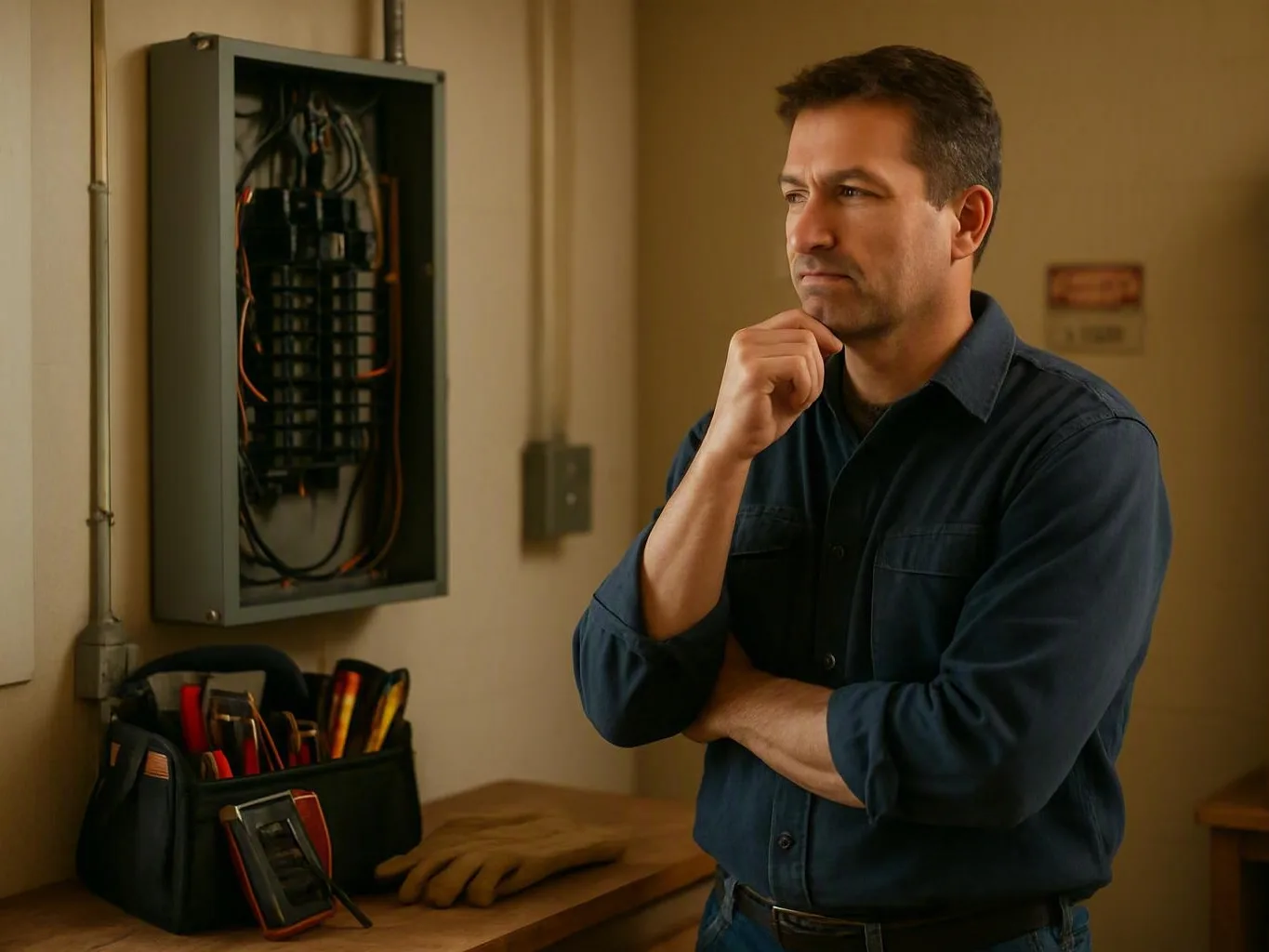
An electrical panel near water should be treated as live and unsafe. Don't touch the panel, breakers, nearby outlets, or wet surfaces. Leave the area if you see standing water, smoke, heat, sparks, or a burning smell. A qualified electrician should check the panel before power returns.
Water can enter through the service entrance, conduit, walls, or roof. A dry panel outside may still hold moisture inside. A professional inspection checks breakers, bus connections, grounding, and bonding. It also looks for shock or short-circuit damage.
Is Storm-Damaged Electrical Wiring Safe to Use?
Storm-damaged wiring isn't safe until a qualified electrician checks it. Water, impact, lightning, and debris can harm wires and connections. Damage may also affect grounding and hidden wires. Don't reset breakers or use damaged circuits. Testing shows if the wiring needs repair or replacement.
Wet or crushed wire covers can expose conductors. This can cause a short circuit or ground fault. A circuit may still work with moisture inside a wall, box, outlet, or cable. Heat, rust, and movement can make the damage worse.
Our crews shut off damaged circuits first. Then we inspect wires that we can reach. We use safe tests to find hidden damage. We check cable covers, loose connections, arc risks, weak supports, and grounding paths. Drying a part doesn't always make it safe again.
Which Electrical Damage Requires Emergency Repair After a Storm?
Emergency electrical repair is needed for exposed wires, fallen wires, sparks, smoke, or burning smells. It may also be needed for sparking outlets, damaged panels, or repeated breaker trips. Water near live equipment also needs urgent help. Keep people away from the area. Call emergency responders if fire or a serious safety danger exists.
Don't move fallen lines or open a damaged service cabinet. Don't enter a flooded electrical room. Our 24/7 Emergency Electricians can help after responders or the utility clear the area.
Can a Flooded House Be Rewired?
A flooded house can often be rewired. The work depends on water depth, water type, and exposure time. It also depends on damage to wires, devices, panels, and grounding. An electrician should inspect and record the system first. Flood-damaged parts may need replacement. Drying alone may not make them safe. Code updates may also be needed.
Clean water that reaches a small area may need limited repairs. Deep or dirty floodwater creates a larger problem. Sewage, chemicals, silt, and rust can enter cables and boxes. They can also damage outlets and service equipment. Some parts can't be cleaned or dried for safe use.
We check visible and hidden wiring when possible. We also inspect moisture paths, boxes, grounding, bonding, and the service entrance. Work may include flood-damaged electrical panel replacement. It may also include storm-damaged wiring replacement, new circuits, and surge-damaged circuit repair. Keep the property isolated until testing supports safe power restoration.
Save photos, inspection notes, removed parts, and written repair advice. These records can help with insurance claims. Landlords and property managers should record affected units and tenant safety steps. They should also record access limits and temporary power plans. Commercial operators may need work in stages. This can protect business needs without powering unsafe areas.
Small repairs may take one inspection visit and one or more repair visits. A full rewiring job may take several building stages. The timeline depends on drying, demolition, permits, materials, and inspection results. Occupied buildings may take longer.
What Parts of a Flooded Electrical System May Need Replacement?
Floodwater can damage more than visible cable. Replacement depends on maker rules, dirt, rust, test results, and connected equipment.
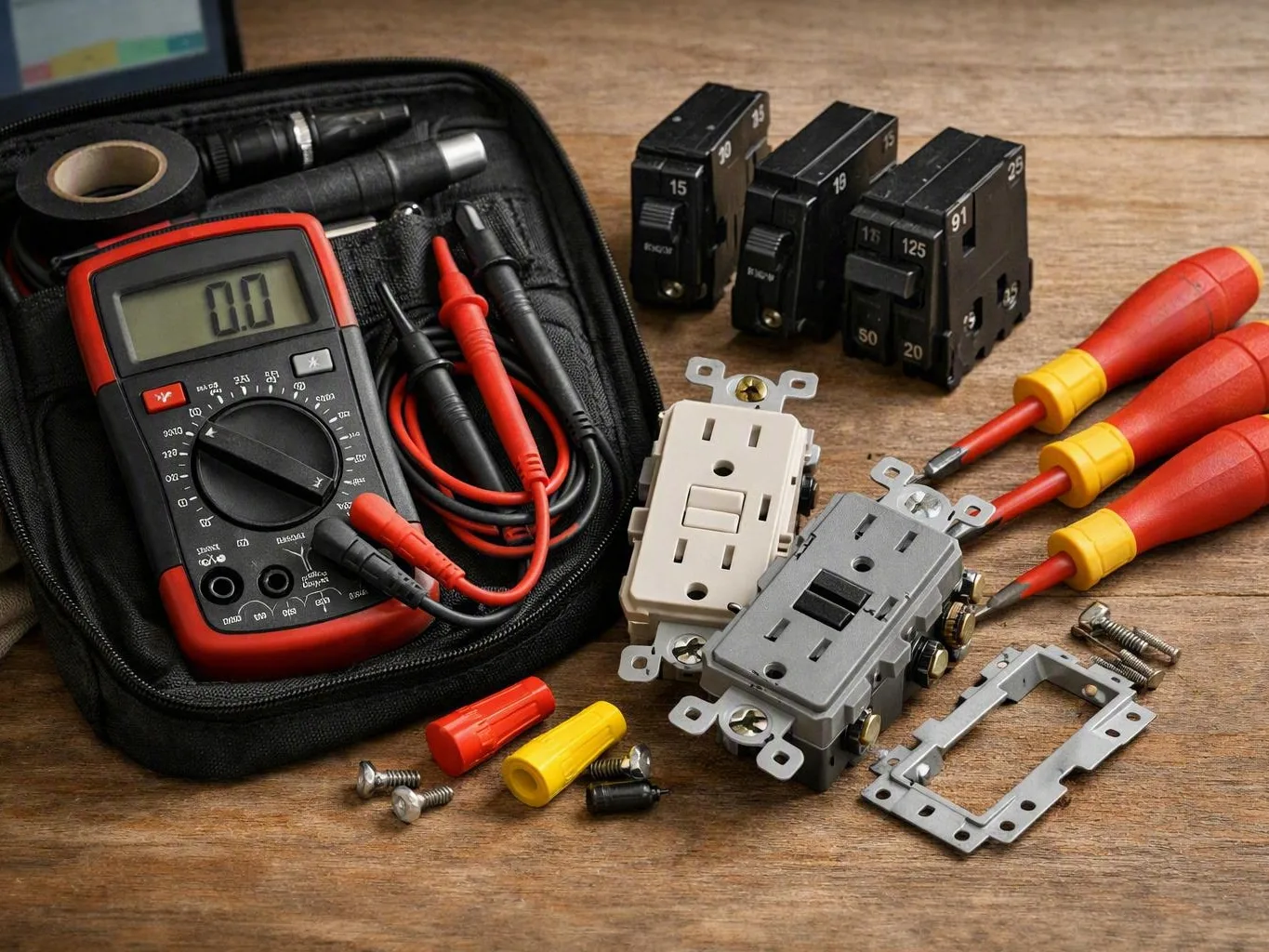
Breakers and service equipment may need replacement after water reaches them. Water can damage inner parts and bus connections. Outlets, switches, boxes, and damaged cable sections may also need replacement. GFCI protection (a safety shutoff) may need renewal or expansion. The grounding electrode system must be checked before power returns. This check looks for damage, rust, loose parts, and poor bonding.
Our team explains which parts can stay and which must go. We also explain needed electrical code corrections. A dry-looking part isn't always safe.
When Should You Call an Electrician After a Power Surge?
Call an electrician after a power surge when breakers trip again and again. You should also call when lights flicker or outlets smell burnt. Call if appliances stop working or the panel shows damage. A possible lightning strike also needs an inspection. Quick help can find damage before it causes shock, fire, or more loss.
Lightning can travel through utility lines and communication wires. It can also travel through grounding paths and connected equipment. A surge protective device may limit damage. It may still need inspection or replacement after a major event. Don't test damaged appliances by plugging them into other circuits.
We inspect the panel, breakers, grounding, bonding, and service equipment. We also check affected branch circuits. Testing may include safe circuit tests and checks for appliance damage. Keep receipts, photos, and a list of failed devices for insurance records.
What Does Storm and Water Damaged Electrical Repair Include?
Storm and water damaged electrical repair starts by making the area safe. It includes circuit tests and checks for damaged wiring. It may also include panel checks, part replacement, and power restoration. Code problems may need correction. Homes and businesses may need emergency wiring, panel repair, rewiring, grounding, or GFCI protection.
Our process depends on the building and its users. Homeowners need safe entry. Landlords need clear tenant updates. Property managers need planned access. Business owners may need work in stages.
We explain temporary power, limited power, and full restoration. Emergency Electrification Wiring Repair may support safe temporary use. Temporary work isn't a replacement for permanent code-compliant work.
What Features and Challenges Matter During Electrical Restoration?
Good restoration takes more than replacing one damaged outlet. The plan must cover access, moisture, occupants, timing, records, and hidden wires.
Our team works with the access available at the property. We explain repair limits before work starts. A written scope can help owners compare repair, replacement, and rewiring choices. It also helps prevent early power restoration.
Questions About 24/7 Emergency Electricians
What Should I Do After Water Gets near an Electrical Panel?
Stay away from the panel, outlets, and standing water. Turn off the main breaker only when the area is dry and safe. Otherwise, leave the property and call emergency services or a qualified electrician. Never restore power before an inspection.
Is Storm-Damaged Electrical Wiring Safe?
No. Storm-damaged electrical wiring should stay off until a qualified electrician checks it. Water and impact can cause shorts or ground faults. Damage may not be easy to see.
Can a Flooded House Be Rewired?
Yes, a flooded house can often be rewired. The work depends on water depth, water type, and exposure time. It also depends on damage to cables, panels, outlets, boxes, and grounding. An electrician should inspect the system before rebuilding. Drying alone may not make flooded parts safe.
When Should I Call an Electrician After a Power Surge?
Call after repeated breaker trips, flickering lights, burnt smells, or damaged appliances. Call after panel damage or a possible lightning strike. An inspection can find wiring, grounding, service, and surge protection problems.
What Electrical Damage Requires Emergency Repair After a Storm?
Exposed wires, fallen wires, sparks, smoke, and burning smells need urgent help. Sparking outlets, damaged panels, repeated trips, and water near live equipment also need attention. Keep everyone away and call emergency responders when fire or serious danger exists.
Don't guess about a wet or damaged electrical system. We can help isolate hazards, inspect the system, and record what we find. We'll explain safe repair and rewiring choices.
Related Resources
How Much Does an Emergency Electrician Cost in Fort Wayne?
emergency electrician cost Fort Wayne IN
What It CostsCircuit Breaker and Fuse Replacement: What It Costs and How It Works
circuit breaker replacement cost emergency electrician
What It CostsCommercial Emergency Electrical Repairs: Cost, Response, and Process
commercial emergency electrical repair cost Fort Wayne
Compared ToEmergency Electrician vs. Regular Electrician: Which Service Do You Need?
emergency electrician vs regular electrician