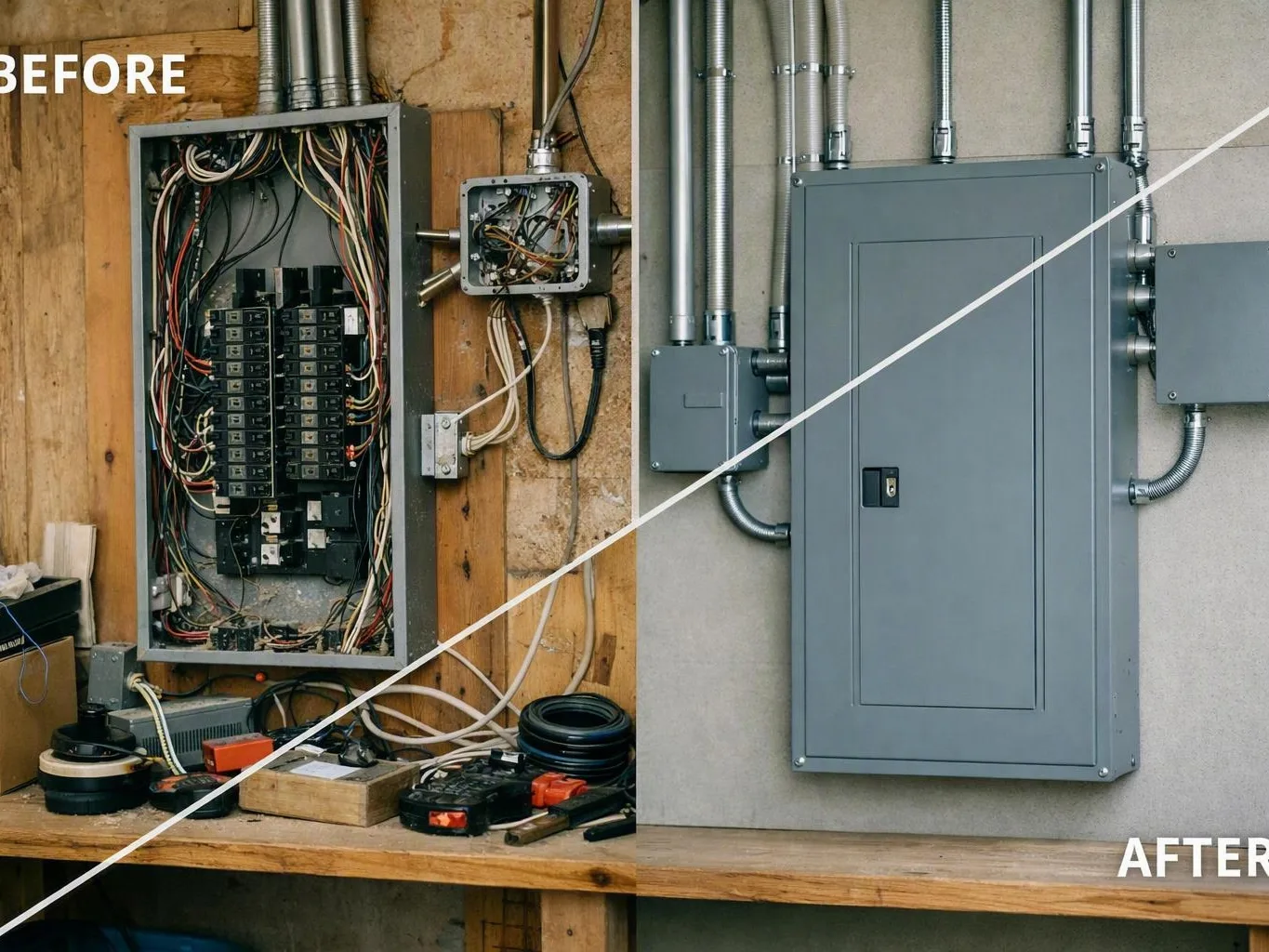
How to Recognize Unsafe or Outdated Wiring in Your Home
Unsafe or old house wiring can cause many warning signs. You may notice flickering lights, tripped breakers, or hot outlets. Outlets may also look dark or damaged. You might smell burning or hear buzzing sounds. Some people feel shocks from appliances or metal covers. Older systems may have two-prong outlets. A home may need rewiring when these problems keep happening. This is more likely in older systems with damaged insulation or poor grounding. Aluminum wiring can also need special care. Some homes have too few circuits for today's power needs. Stop using parts that look damaged. Then contact a qualified electrician for help. Never remove an electrical panel cover yourself. Never work on live wires. Professional wiring repair, rewiring, and code work can find hazards early. This can help prevent fires, shocks, and equipment damage.
Get a Free Estimate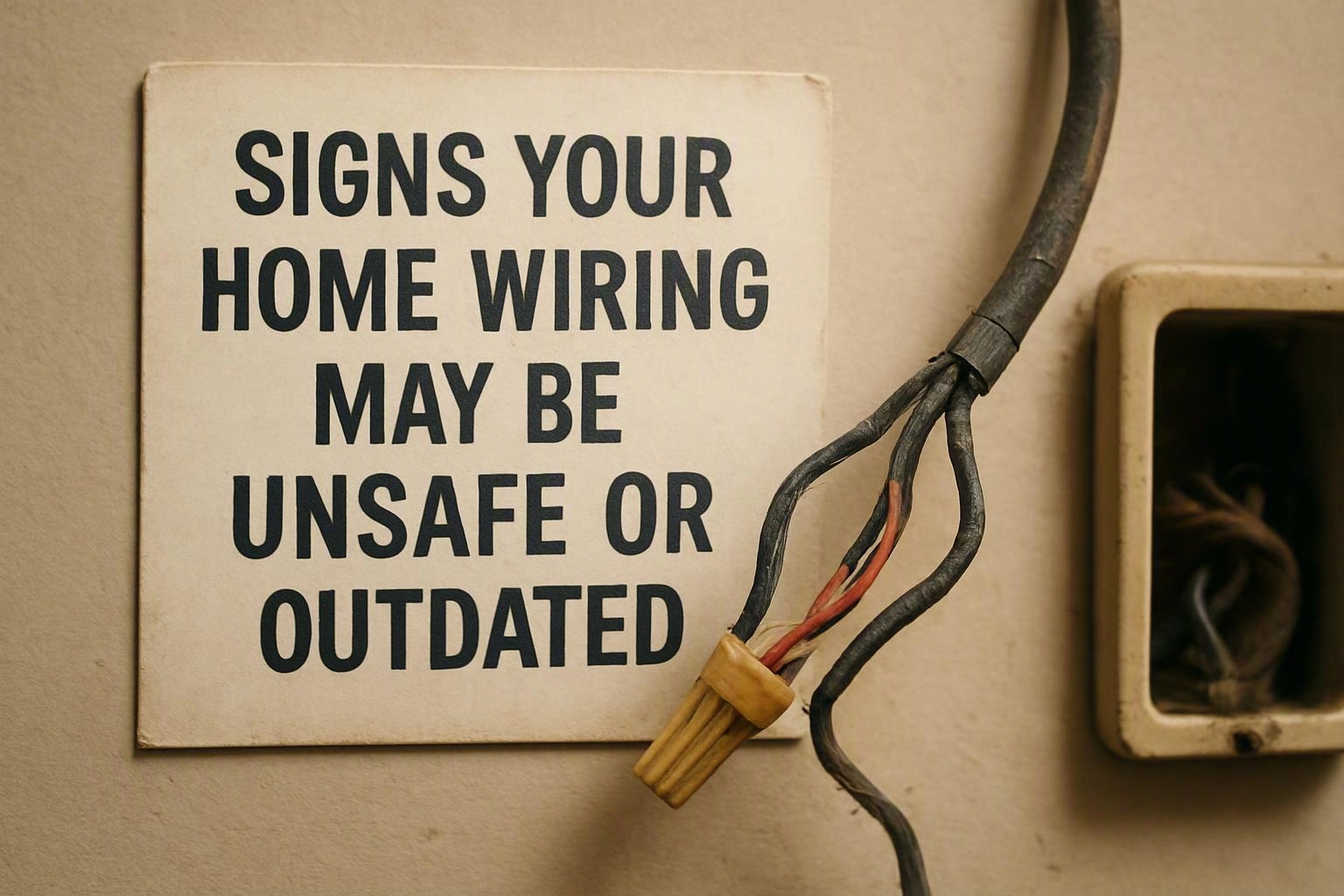
Unsafe or outdated house wiring can create serious electrical risks. It may need an inspection or repair. Services can include home electrical wiring repair, rewiring, code corrections, or emergency repair. Chris Miller Electric helps homeowners spot warning signs. We also help them choose a safe next step.
Why Outdated House Wiring Can Become a Safety Problem?
Old house wiring becomes unsafe when parts can no longer handle home power use. This can affect insulation, wires, connections, grounding, or circuit size. Old parts may get too hot. They may also cause shocks or sparks. Safety devices may not work as they should. An electrician should check problems that keep coming back. These issues aren't just small annoyances.
Your home uses power for lights, heaters, kitchen tools, computers, and chargers. Older homes were built for much lower power use. Added rooms can raise the demand. Finished basements and workshops can add more stress. Modern appliances can also overload an older circuit.
Grounding gives fault current a safer path away from people. A grounding wire helps lower shock risks. Good wire insulation also adds protection. Proper circuit protection matters too. Loose connections can create heat. Cracked insulation can let sparks form inside walls or electrical parts.
Old homes can be hard to check. Past repairs may have used different wiring methods. Some problems may stay hidden inside walls. A quick look may miss them. An inspection may include several circuits and outlets. It may also include panel connections and circuit size.
What Are the Signs of Outdated or Unsafe House Wiring?
The signs include flickering lights, tripped breakers, and hot outlets. Other signs include burning odors, buzzing switches, shocks, and exposed wires. Damaged insulation and lost power can also signal trouble. These issues may point to overloads, loose connections, or sparks. They may also show poor grounding. A qualified electrician should inspect these problems.
Use this list as a warning guide. It can't replace proper testing. Don't touch damaged outlets or remove their covers. Don't check wires that may still carry power.
These signs matter even when they happen only sometimes. High-power appliances can add more risk. Sensitive electronics need steady power. Children also need safe outlets. Arrange an inspection sooner when these concerns exist.
Can Old Wiring Cause Flickering Lights and Tripping Breakers?
Yes. Old wiring can cause flickering lights and tripping breakers. Loose connections and overloaded circuits can interrupt normal power. Short circuits, sparks, and bad breakers can do the same. A damaged appliance or utility problem may also cause these signs. Testing should happen before anyone chooses a repair.
Notice where the problem happens. It may affect one light, one room, or the whole home. One light may have a loose connection or bad fixture. Several devices may overload one circuit. A breaker that trips right away may signal a short circuit.
Don't replace a breaker with one made for more current. That change can hide the real problem. It may also let wires get dangerously hot. We can test the circuit and inspect safe connections. We can measure voltage and explain the needed repair. The answer may involve a connection repair or circuit upgrade. Broader rewiring may also be needed.
How Do I Know if My Home Needs Rewiring?
A home may need rewiring when electrical faults keep returning. Damaged insulation can also point to rewiring needs, so can old wiring methods and ungrounded circuits. Too few circuits may not support modern appliances. An electrical panel may also lack enough capacity. An electrician can decide if a small repair is enough. In some cases, partial or whole-house rewiring is safer.
House rewiring replaces old, damaged, or weak home wiring. It doesn't always mean replacing every wire at once. The work depends on where the damage is located. It also depends on wire condition and circuit demand. Access to the wiring can affect the plan. Required code corrections may affect it too.
Knob-and-tube wiring may lack modern grounding. Its insulation may also have problems. Aluminum wiring needs special attention at connections. An electrician should also check the panel. The check can find heat, loose wires, or old safety parts. It can also find circuits added without a safe plan.
Rewiring becomes more likely when several signs appear together. It may also be needed when repairs keep returning. Renovations may reveal different wiring methods. A typical project can cover several rooms. It may take several days or longer. The time depends on access, testing, and repair needs. We explain the house rewiring plan before work begins.
Electric ranges and dryers may need their own circuits. Heat pumps and workshop tools may need them too. Sensitive electronics may work better with steady, grounded power. Families with children need secure outlets and protected wires. Electrical Wiring Repair in Fort Wayne can fix one clear hazard. A wider inspection can find larger system problems.
Are Two-Prong Outlets a Sign of Outdated Wiring?
Often, yes. A two-prong outlet can show an older or ungrounded circuit. The outlet alone doesn't prove every wire is unsafe. A three-prong outlet needs a proper grounding wire. It may also need approved ground-fault protection. Changing the outlet cover doesn't create grounding.
An ungrounded circuit may not protect appliances with metal cases. Ground-fault protection can lower shock risks in some places. It doesn't replace a grounding wire in every case. We test the circuit before suggesting any outlet change. The answer may involve grounding work or rewiring.
What Symptoms Mean Unsafe Wiring Needs Immediate Attention?
Smoke, sparks, shocks, burning odors, or melted parts need immediate attention. Treat these signs as a possible electrical emergency. Don't treat them as normal home upkeep.
Move people away from the area. Turn off the affected circuit only if it's safe. Don't touch damaged parts. If smoke or fire continues, leave the home. Then contact emergency services. Never spray water on electrical equipment. Don't open the panel during an active hazard.
Arrange emergency electrical repair after the danger is controlled. 24/7 Emergency Electricians may help with active faults. They may also help when power can't be safely shut off. Emergency help is also fitting for smoke, sparks, or strong burning odors.
DIY Checks vs Professional Electrical Inspection
Homeowners can look for visible warning signs. They can also stop using a suspicious outlet or appliance. A professional must test wiring, voltage, grounding, and circuit load. They should also check panel connections. A qualified electrician can find hidden hazards. They can also make repairs without adding shock or fire risks.
Safe checks include looking for dark marks or damaged covers. You can listen for odd sounds and notice bad odors. Don't touch a warm outlet. Don't remove a panel cover or pull wires. Don't test exposed conductors or live equipment. We first make the area safe. Then we test the system and explain your options.
| Factor | DIY | Professional |
|---|---|---|
| Visual inspection | Look only at safe, easy-to-see surfaces. | Check safe parts and trace symptoms with care. |
| Electrical testing | Don't test exposed or live wires. | Use tools to test power and voltage. |
| Panel inspection | Don't remove the panel cover. | Check capacity, connections, safety parts, and labels. |
| Corrective work | Stop use and keep people away. | Complete repairs, upgrades, or code work safely. |
What to Do When You Find Unsafe or Outdated Wiring?
Stop using the affected circuit when you find unsafe wiring. Keep people away from damaged parts. Then contact an electrician for an inspection. Don't open the panel or repair exposed wires. The fix may involve a connection repair or circuit upgrade. It may also require code work or house rewiring.
Old homes and remodeled spaces need careful checks. Hidden splices and unused circuits may affect the work. Mixed wiring methods can also change the repair plan. Our team can explain the size of the safety project. We can also explain how power use affects the choice.
For evaluation or service, contact us through our contact page.
Questions About 24/7 Emergency Electricians
What Are the Signs of Outdated House Wiring?
Common signs include flickering lights and tripped breakers. Warm outlets, burning odors, and buzzing switches also matter. Shocks, damaged insulation, scorch marks, exposed wires, and two-prong outlets are warning signs. Repeated problems need a qualified electrician's inspection.
How Do I Know if My Home Needs Rewiring?
Rewiring may be needed when faults keep returning. Damaged insulation and ungrounded circuits are also warning signs. Knob-and-tube or aluminum wiring may need special review. A weak panel or too few circuits can also point to rewiring. Testing shows if repair or rewiring is safer.
Can Old Wiring Cause Flickering Lights and Tripping Breakers?
Yes. Loose connections and overloaded circuits can cause both symptoms. Short circuits, sparks, and bad breakers can also cause them. A damaged appliance may be the cause. An electrician should test the circuit before choosing repairs.
Are Two-Prong Outlets a Sign of Outdated Wiring?
They can show an older or ungrounded circuit. Replacing one with a three-prong outlet doesn't create grounding. The circuit needs testing. The test should check for a grounding wire and safe ground-fault protection.
What Symptoms Mean Unsafe Wiring Needs Immediate Attention?
Smoke, sparks, burning odors, melted parts, and electric shocks need immediate attention. Leave the area and don't touch damaged equipment. Seek emergency electrical repair when the hazard can't be safely isolated.
Related Resources
How Much Does an Emergency Electrician Cost in Fort Wayne?
emergency electrician cost Fort Wayne IN
What It CostsCircuit Breaker and Fuse Replacement: What It Costs and How It Works
circuit breaker replacement cost emergency electrician
What It CostsCommercial Emergency Electrical Repairs: Cost, Response, and Process
commercial emergency electrical repair cost Fort Wayne
Compared ToEmergency Electrician vs. Regular Electrician: Which Service Do You Need?
emergency electrician vs regular electrician