Planning Indoor, Recessed, and Outdoor Lighting Installation
Light fixture installation starts with defining the lighting purpose, checking the electrical layout, selecting compatible fixtures and controls, planning safe access, and setting maintenance expectations. Chris Miller Electric uses this plan to coordinate indoor, recessed, outdoor, and light switch installation.
Get a Free Estimate
Light fixture installation planning should begin with the room's purpose, desired lighting effect, fixture location, control method, electrical access, and safe installation conditions. Our team connects those decisions so the finished lighting works as one system.
We review the fixture type, fixture placement, electrical circuit, and light switch location before work begins. This approach helps us identify access needs and avoid changes after installation starts.
What Should You Decide Before Planning Light Fixture Installation?
Light fixture installation planning should begin with the room's purpose, desired lighting effect, fixture location, control method, electrical access, and safe installation conditions.
Room function guides the choice between ambient lighting, task lighting, and accent lighting. We also review whether the electrical circuit and junction box can support the planned fixture and whether the light switch gives convenient control.
Fixture size, mounting position, light direction, and access for future lighting maintenance all affect the plan. If the project includes a related control change, we include the light switch installation in the same scope.
When Do Light Fixture and Light Switch Installation Belong in the Same Project?
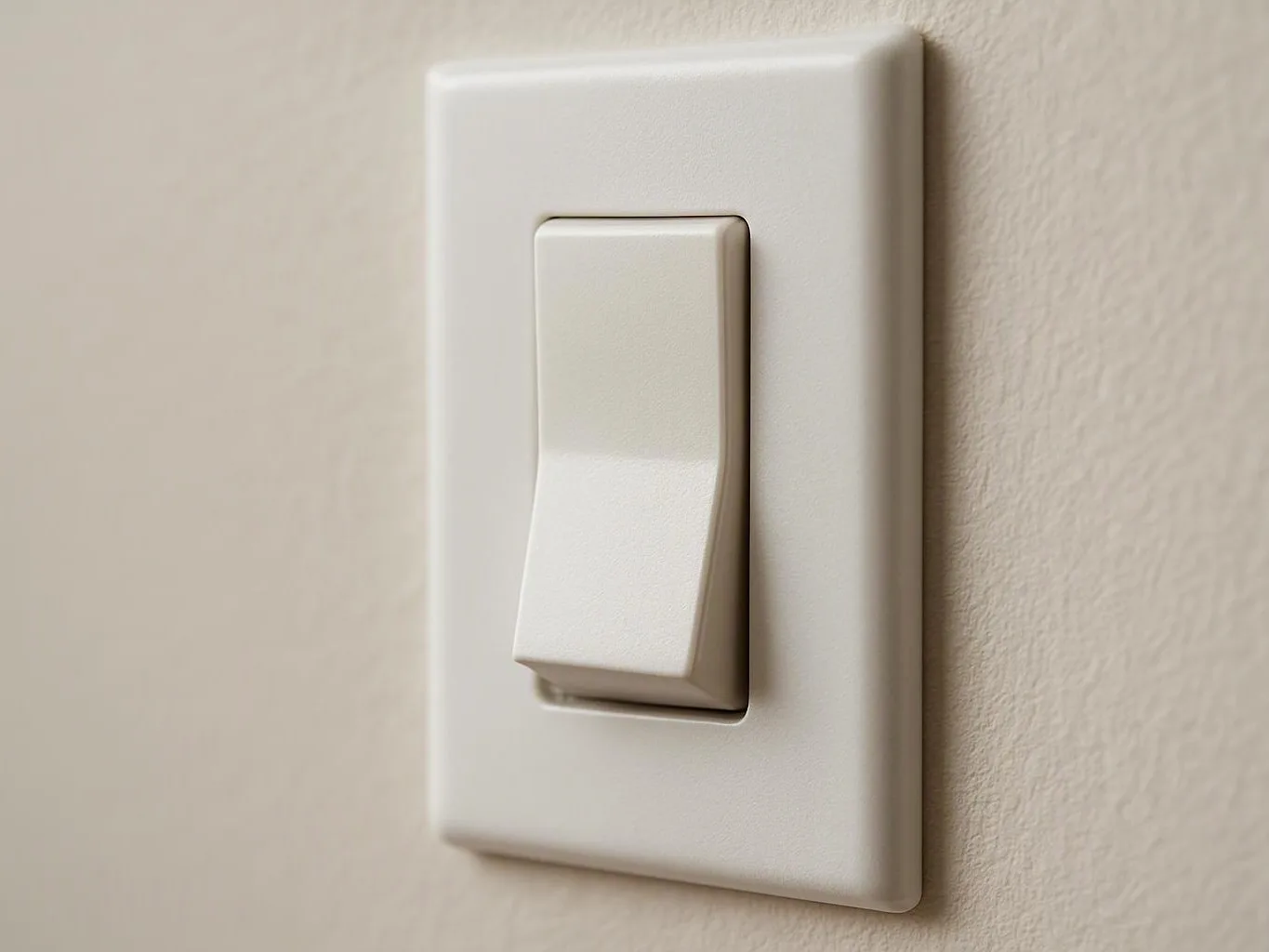
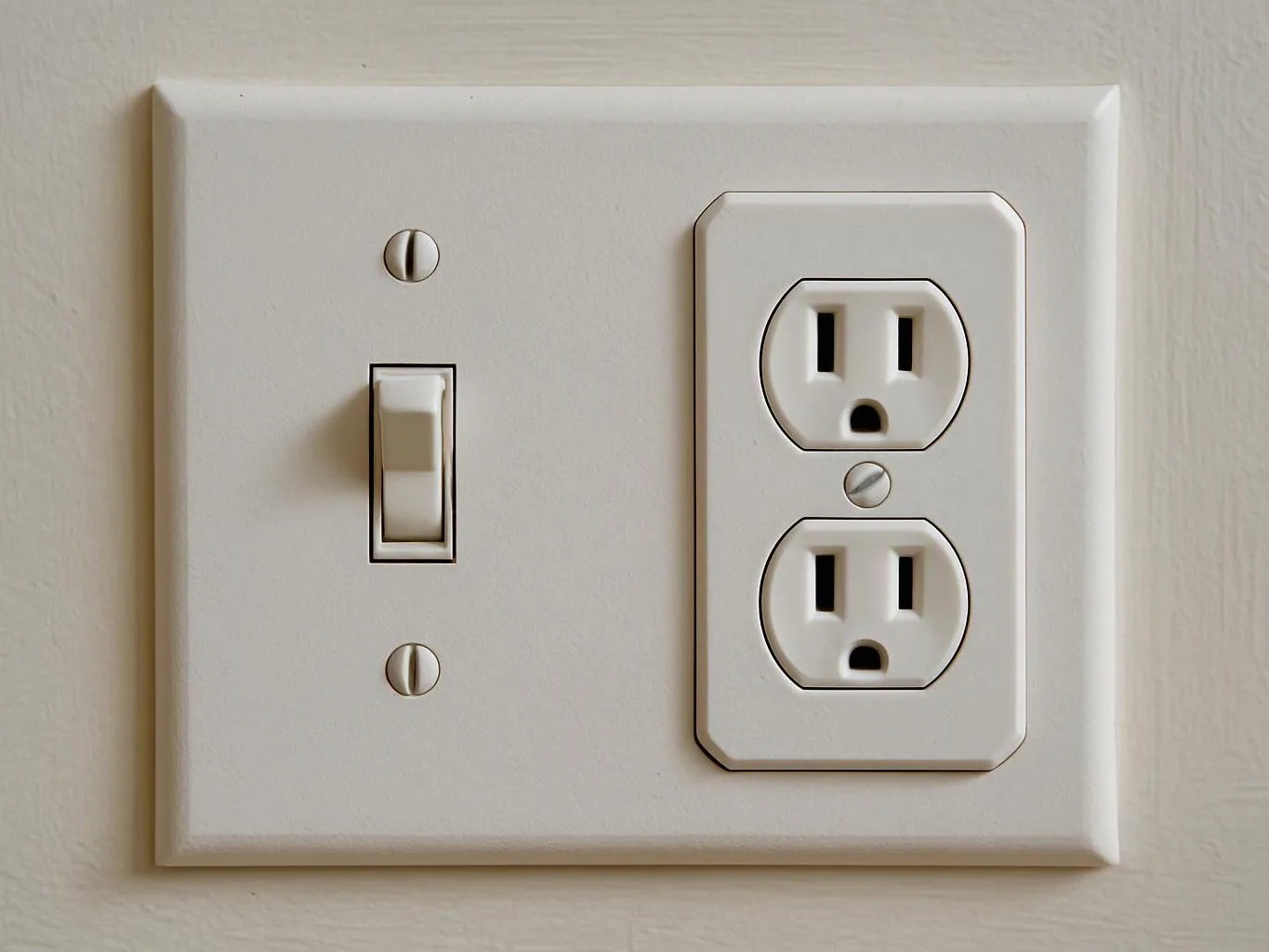
Light fixture installation and light switch installation belong in the same project when the new fixture needs new control wiring, a relocated switch, or coordinated lighting controls.
Bundling the work lets us plan electrical wiring and wall access together. These are common situations where both services may be needed:
We define the control method before opening walls or ceilings. That keeps the project scope clear and helps coordinate fixture selection with the electrical circuit.
How Do Fixture and Switch Installation Work Together?
Fixture and switch installation work together through coordinated planning of the electrical circuit, switch location, wall access, and project scope.
Our team checks the relationship between each control and the fixture before completing the wiring. The installation may follow this general sequence:
We explain the planned sequence before work begins. This helps the fixture, switch, dimmer, and wiring function as one installation.
How We Plan an Indoor Lighting Installation
Indoor lighting installation should match each room's activities with suitable fixture types, positions, controls, and electrical connections.
We use ambient lighting to provide general room coverage, task lighting to support focused activities, and accent lighting to highlight selected areas. A ceiling fixture may serve as the main source, while a wall fixture can add targeted light or visual balance.
Our team reviews the room layout, furniture position, ceiling or wall mounting surface, and available electrical access. We then match the controls to the selected fixture, including dimmer compatibility where needed.
For a coordinated service plan, our Light Fixture Installation work can include fixture replacement, new wiring, switch changes, and final operation checks.
How Should Indoor Lighting Be Checked After Installation?
Indoor lighting should be checked for secure mounting, correct switch control, compatible dimming, sound electrical connections, and reliable fixture operation.
- We inspect the light fixture, mounting hardware, and junction box connection.
- We test the light switch and confirm that each control operates the intended fixture.
- We check the dimmer for fixture compatibility and smooth control.
- We review light direction, coverage, and fixture operation from normal room positions.
- We complete an electrical safety review and explain practical maintenance access.
Our final check connects the installation details to the way the room is used. We address control or mounting concerns before considering the indoor work complete.
How to Plan a Recessed Lighting Installation
Recessed lighting installation should be planned around ceiling structure, insulation conditions, fixture housing, spacing, circuit capacity, and the intended light distribution.
We inspect the ceiling joist layout and available ceiling cavity before choosing a recessed light housing. Insulation affects housing selection and clearance, while the trim affects the finished appearance and light control.
Beam spread and fixture placement should support the room's purpose without creating unwanted dark areas or glare. We also check circuit capacity and plan access for wiring and future service.
Our team coordinates recessed light installation with ceiling conditions, insulation, switches, and dimmers. The result is a plan that accounts for both the visible trim and the concealed electrical work.
What Belongs on a Recessed Lighting Safety and Maintenance Checklist?
Recessed lighting safety and maintenance checks should cover insulation clearance, heat management, trim condition, LED modules, ceiling access, and electrical inspection.
- Insulation clearance: We confirm that the housing and surrounding insulation meet the fixture's requirements.
- Heat management: We inspect the housing and connections for conditions that could affect safe operation.
- We check the trim and lamp or LED module for secure fit and visible damage.
- We review ceiling access so future maintenance does not require unnecessary disturbance.
- We complete an electrical inspection of the connections, grounding, and fixture operation.
We document the practical service points during the final review. Proper trim fit, safe heat control, and accessible components support long-term lighting maintenance.
What Should You Consider When Planning Outdoor Lighting Installation?
Outdoor lighting installation should account for weather exposure, fixture listing, mounting surfaces, cable routing, drainage, visibility, controls, and access for maintenance.
We select a wet-location fixture when the location is exposed to moisture and review how the mounting surface will support the fixture. Landscape lighting, security lighting, and path lighting each need different placement and light direction.
An exterior wall fixture may need a sealed mounting point, while landscape lighting may require protected cable routing and attention to drainage. We also coordinate outdoor electrical connections with photocells, motion sensors, or switches when those controls suit the property.
Our outdoor plan includes safe mounting, weather sealing, visibility, and practical maintenance access. We account for seasonal exposure and the conditions around each fixture before installation.
What Belongs on an Outdoor Lighting Maintenance Checklist?
Outdoor lighting maintenance should review the outdoor light fixture, lens, seal, mounting hardware, wiring, controls, and signs of corrosion.
- Fixture condition: We inspect the lens, seal, and housing for damage or moisture entry.
- Mounting security: We check mounting hardware and confirm that the fixture remains stable.
- We review exposed wiring, cable routing, and outdoor electrical connections.
- We test the photocell and motion sensor when those controls are part of the system.
- We look for corrosion and explain maintenance access for future cleaning or service.
Outdoor conditions can change the way a fixture performs over time. Our review focuses on safe operation, weather sealing, and the condition of each exposed component.
How Do Electrical Requirements Shape the Installation Plan?
Electrical requirements determine whether the planned fixture and switch locations can use existing wiring or need additional circuit, box, cable, or access work.
We inspect the electrical circuit, junction box, switch box, wiring method, circuit load, grounding, panel access, and building structure. These factors show whether the existing layout can support the planned lighting.
Ceiling and wall construction can affect how we reach a new fixture or control location. Our team plans the needed access before installation so wiring changes and surface repairs are included in the scope.
We also check fixture compatibility with dimmers, sensors, and other lighting controls. This supports electrical safety and helps prevent control problems after the work is complete.
What Does a Lighting Installation Quote Need to Include?
A lighting installation quote should reflect the selected fixtures and controls, wiring access, mounting conditions, electrical changes, structural access, and related finishing work.
We review fixture selection, switches, dimmers, wiring access, ceiling access, wall repair, outdoor mounting, and site conditions. The quote should make clear which electrical and finishing tasks are included.
Project cost depends on the fixture type, circuit work, access conditions, mounting surface, controls, and repair needs. Chris Miller Electric provides Free Estimates Available for planned lighting work.
Our team explains the work needed to connect the selected fixtures and controls safely. You can request an exact quote after we review the installation conditions and project scope.
How Should You Prepare for Light Fixture Installation?
Light fixture installation preparation should confirm the fixture specifications, switch location, dimmer compatibility, furniture layout, access conditions, and mounting locations.
Good preparation gives us the information needed to plan safe access and compatible connections. We use the selected fixtures and control preferences to shape the final work plan.
What Should You Review After the Lighting Work Is Complete?
The completed lighting installation should be reviewed for correct operation, suitable light direction, compatible controls, secure mounting, safe electrical connections, and practical maintenance access.
We test fixture operation, switch control, and dimmer compatibility where applicable. We also review light direction and confirm that indoor and outdoor fixtures are securely mounted.
Outdoor weather sealing deserves a separate check because moisture exposure can affect seals, lenses, and connections. Our team explains how to reach the fixture for cleaning, lamp or LED module service, and future lighting maintenance.
Chris Miller Electric coordinates the final review with the installation plan. Contact us to discuss your fixture selection, electrical access, controls, and quote needs.
Questions About Lighting Installation Planning
Can recessed lights and a new dimmer switch be planned together?
Yes, recessed lights and a new dimmer switch can be planned together when the fixtures, dimmer, wiring, and electrical circuit are compatible. Chris Miller Electric checks the recessed housing, LED module, switch box, and control requirements as one project.
What should I choose before installing a new light fixture?
Choose the fixture type, mounting location, lighting purpose, control method, and compatibility requirements before installing a new light fixture. Fixture dimensions, light direction, switch location, and access conditions also shape the installation plan.
How do I know whether an outdoor light fixture is suitable for its location?
An outdoor light fixture is suitable when its listing matches the location's weather exposure and its mounting, sealing, wiring, and controls fit the site. We review the fixture, mounting surface, drainage, cable routing, and maintenance access before outdoor installation.
What changes the cost of an indoor or outdoor lighting installation?
Indoor or outdoor lighting installation cost changes with fixture selection, controls, circuit work, wiring access, mounting conditions, wall or ceiling access, outdoor exposure, and related repairs. We review those conditions and provide an exact quote through our Free Estimates Available service.
When should existing wiring or a switch box be checked before installing a light?
Existing wiring or a switch box should be checked before installation whenever the new fixture changes the control method, circuit load, fixture location, or dimmer arrangement. We inspect the wiring, box, grounding, and available access before connecting the new lighting.