Emergency Electrical Service for Landlords and Property Managers
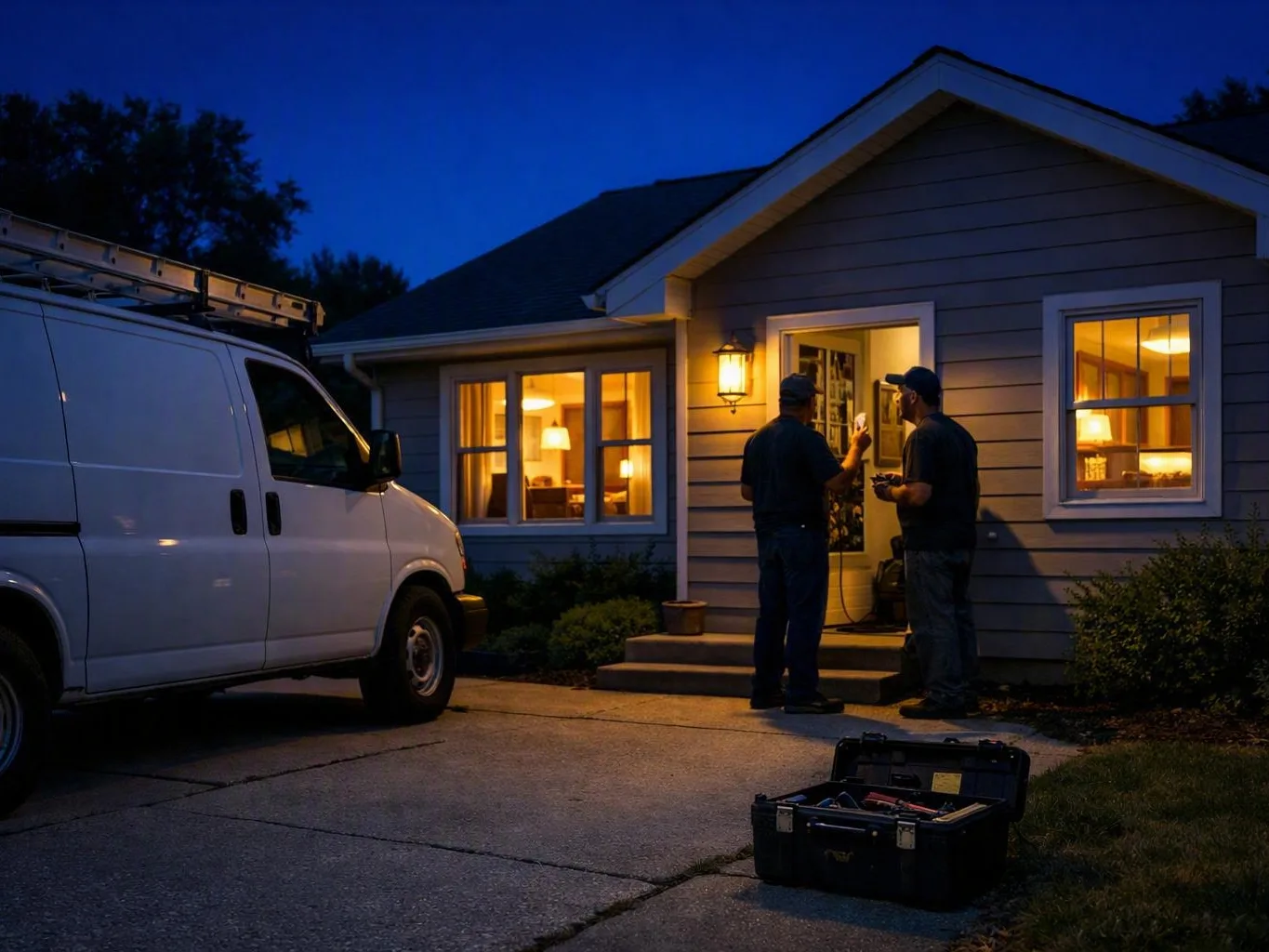
Landlords and property managers must keep rental wiring safe. They must also arrange qualified emergency repairs when hazards affect a property. Tenants should stop using unsafe outlets and report issues right away. Property managers should protect residents, isolate hazards when safe, and record each event. Chris Miller Electric provides commercial electrical repairs and emergency service for rental homes, apartments, and managed properties.
Get a Free EstimateWhy Rental Properties Need Fast Electrical Service?
Rental properties need fast electrical service to protect tenants and limit damage. Owners must also help keep homes safe and livable. Electrical faults can affect many units or shared areas. Quick testing can help prevent shocks, fires, equipment damage, and long vacancies.
An emergency may start with one warm outlet or a tripped breaker. It can then affect lights, appliances, halls, laundry rooms, or shared equipment. Fast action can help stop a small fault from causing wider damage.
Occupied buildings need more than a technical fix. Crews may need tenant access, safe work areas, and clear updates. They may also need to protect furniture and personal items. Most urgent visits start by isolating and testing the hazard.
Features That Matter to Rental-Property Decision-Makers
Common Challenges Property Managers Face
Local owners can use our Commercial Electrical Repairs in Fort Wayne, IN. We use the same safety steps for managed properties. A steady response protects people, limits delays, and creates a useful record.
Who Is Responsible for Electrical Repairs in a Rental Property?
Landlords usually maintain safe electrical systems and arrange needed repairs. These repairs may involve normal wear, old equipment, or building defects. A lease may set reporting and access rules. Tenant damage may change who pays, but local rules also apply.
Landlord duties usually cover fixed electrical systems. These include outlets, switches, wiring, breakers, panels, and lights. They may also include equipment supplied with the unit. Shared lights and laundry circuits usually belong to the owner.
The lease may explain how tenants report faults and how workers enter. It may also state who approves nonemergency work. A lease doesn't allow an owner to ignore a known safety hazard. Local rules may create more duties.
Tenant damage may affect payment for repairs. It doesn't make an unsafe condition acceptable. Damage may involve a cord, an appliance, or an unapproved change. Owners should save photos, notes, statements, and bills before making a payment decision.
A useful process starts by confirming the report. Next, rate the risk and arrange access. Send a qualified electrician when the system may be unsafe. We can test the cause and record the work. This helps with future repairs and clear updates.
Multifamily buildings can have complex systems. A unit may have its own panel and shared building equipment. Owners should use a qualified contractor for both private and shared repairs.
How Property Managers Should Handle an Electrical Emergency?
Property managers should treat an electrical emergency as a safety event. Protect occupants and tell tenants to stop using the area. Call emergency services for fire or immediate danger. Arrange qualified electrical service and record the response. Don't approve unqualified repairs or restore power too soon.
Managers should screen outage reports with care. A neighborhood outage may be outside the building. A single-unit outage may involve a breaker, panel, wire, or device. Ask if nearby units and shared areas have power. Don't ask tenants to open equipment or perform tests.
Occupied rentals also need a clear update plan. We work with managers on entry times, affected rooms, and temporary limits. This helps when many tenants report the same issue. It also helps when a shared panel needs access.
Many urgent inspections happen the same day when help is available. Timing depends on the hazard, access, parts, and local emergency needs. This is a planning range, not a promise. Use emergency services first for fire or shock risks.
What Should a Tenant Do About a Dangerous Outlet?
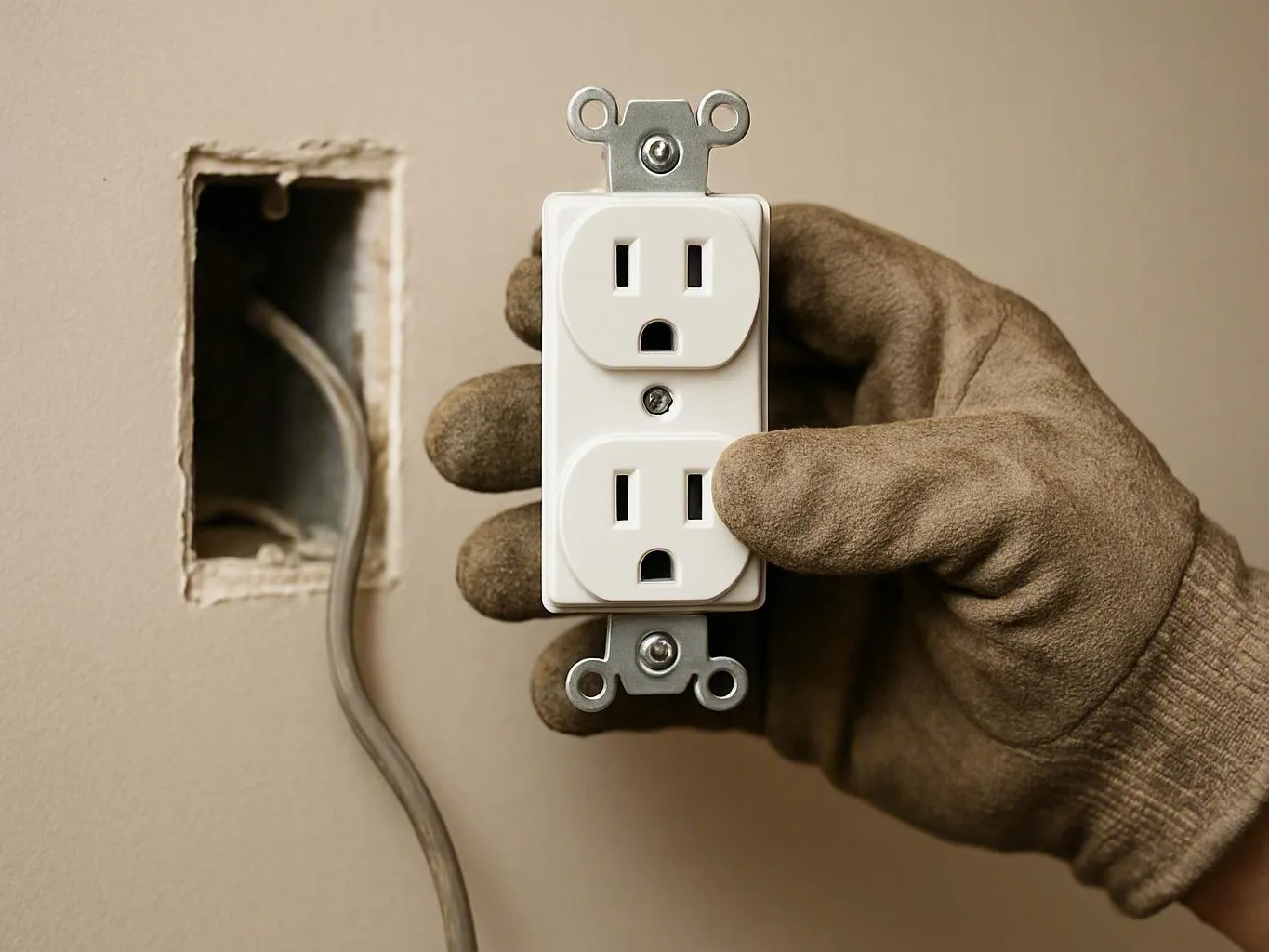
A tenant should stop using a dangerous outlet and keep people away. The tenant should report it to the landlord or manager at once. Smoke, sparks, heat, burning odors, exposed wires, or shocks may need emergency services. Tenants should never repair a dangerous outlet themselves.
Warning signs include burn marks, a loose outlet, color changes, crackling, or a warm cover. A plug that falls out also signals a problem. Sparks may come from the outlet, appliance, wire, or circuit. The visible outlet isn't always the fault source.
Leave the device alone. Move paper, clothes, and cleaning products away when safe. Leave the area if you see smoke or flames. Do the same after a strong burning odor or electric shock. Report the location, symptoms, and time.
Tenants should report problems quickly and clearly. A photo from a safe distance may help. Don't remove a cover or touch exposed wires. The manager should arrange outlet repairs and test nearby outlets when needed.
Who Fixes Electrical Problems in an Apartment?
A qualified electrician fixes electrical problems in an apartment. The landlord or manager arranges access, approval, and tenant updates. The electrician tests and repairs the outlet, wiring, panel, or safety device. Owners must also complete repairs in shared areas.
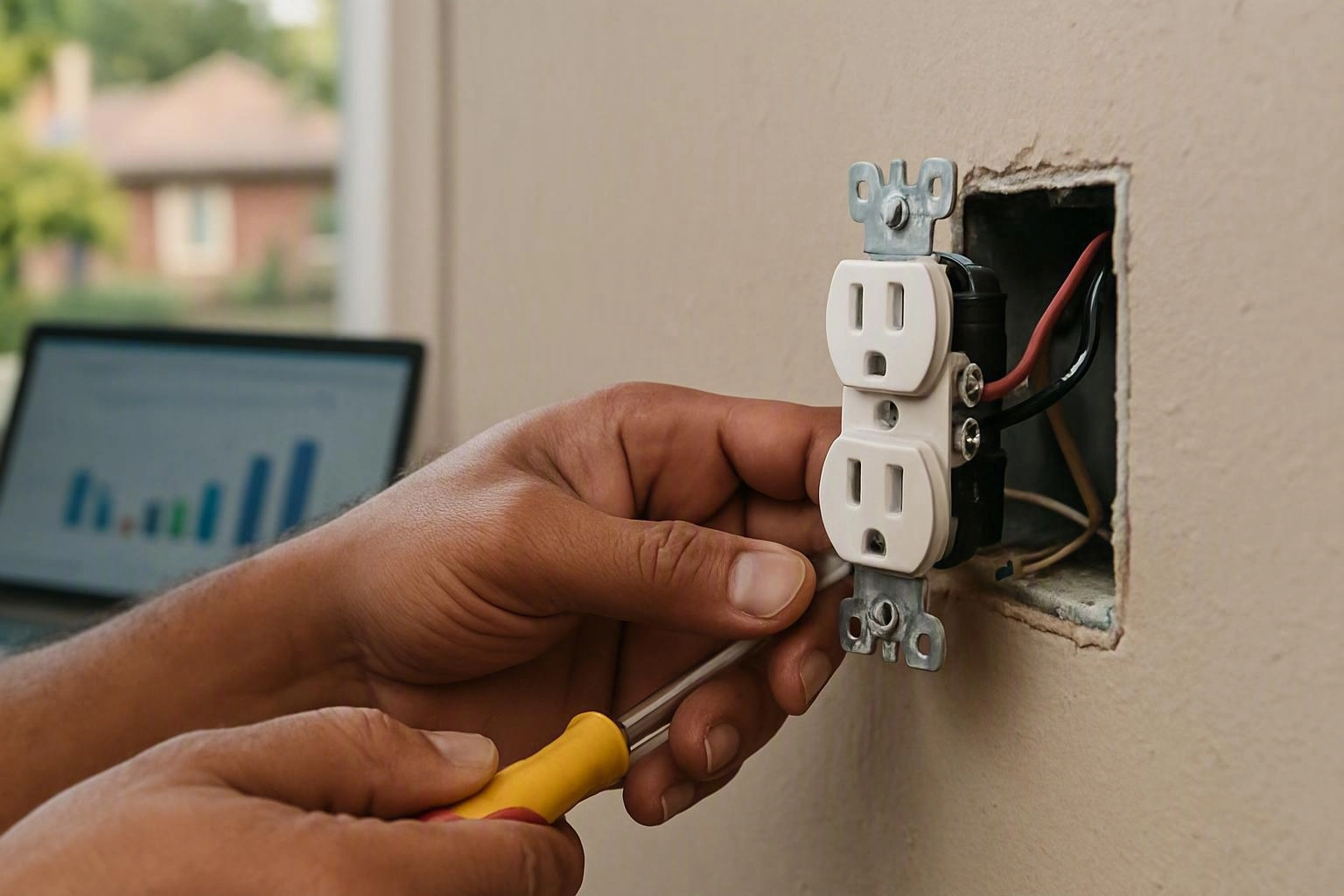
An apartment system may include unit circuits, a local panel, shared risers, and building equipment. Common-area circuits may also connect to the same system. A problem in one unit can involve equipment elsewhere. The electrician should check this before replacing parts.
Our crews work with managers to arrange entry. We explain what tenants should avoid during the visit. We test the reported issue and related parts. Then we separate urgent repairs from planned upkeep.
Commercial electrical repairs may suit apartment buildings and shared facilities. They may also involve larger panels and distribution systems. The work still needs careful tenant notice. It may affect circuits that serve many occupants.
Can a Tenant Repair Electrical Wiring?
A tenant should not repair electrical wiring in a rental property. Wiring work can cause shocks, fires, code issues, and insurance problems. Tenants should report the issue. The owner should arrange professional electrical wiring repair.
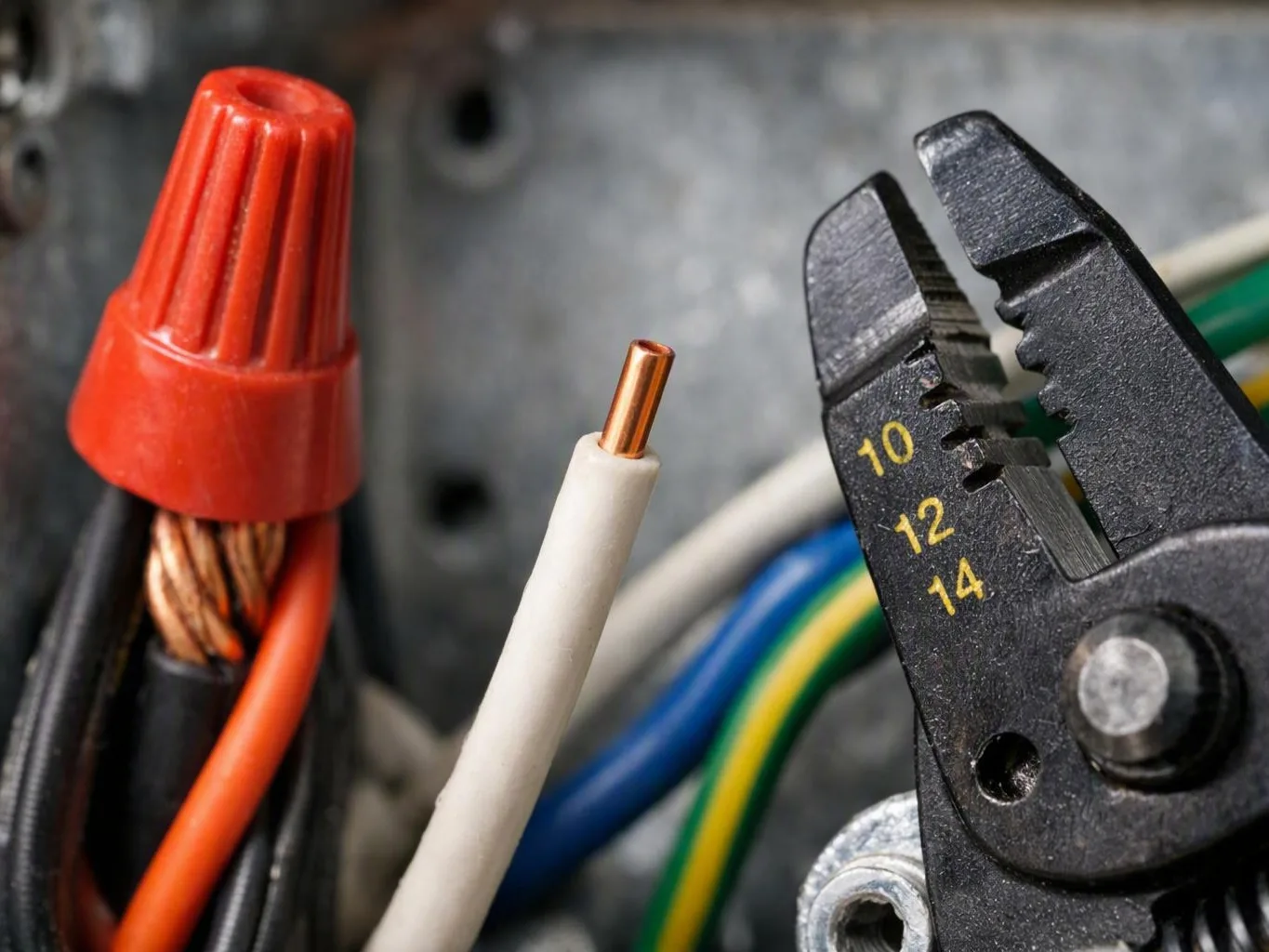
Wiring repair may involve wires, terminals, boxes, grounds, breakers, or hidden connections. A loose wire may link to heat, water, overloads, or old work. Guessing can hide the real hazard.
Tenants shouldn't open a panel, splice wires, or replace an outlet. They shouldn't bypass a safety device or use tape as a lasting fix. Power may still remain on through another circuit. Amateur work may also create code and insurance issues.
Owners should give tenants a simple way to report problems. Clear steps help residents report urgent conditions. We can decide if the issue needs isolation, repair, or more testing. Notes also help separate normal wear from tenant changes.
Emergency Electrical Repairs That Rental Properties May Need
Emergency repairs may include outlet repair, electrical wiring repair, panel repair, commercial electrical repairs, and code corrections. The right service depends on testing results. A professional should find the source before replacing parts or restoring power.
The table shows common service needs and possible concerns. These examples aren't a diagnosis. A qualified contractor must inspect the system. The issue may affect one unit, many units, or shared equipment.
| Service need | Possible concern | Typical next step |
|---|---|---|
| Outlet repair | Heat, burn marks, looseness, sparks, or failed protection | Test the outlet, wires, circuit, and connected load |
| Electrical wiring repair | Damaged wires, loose terminals, exposed wiring, or lost power | Trace the circuit and repair unsafe wiring |
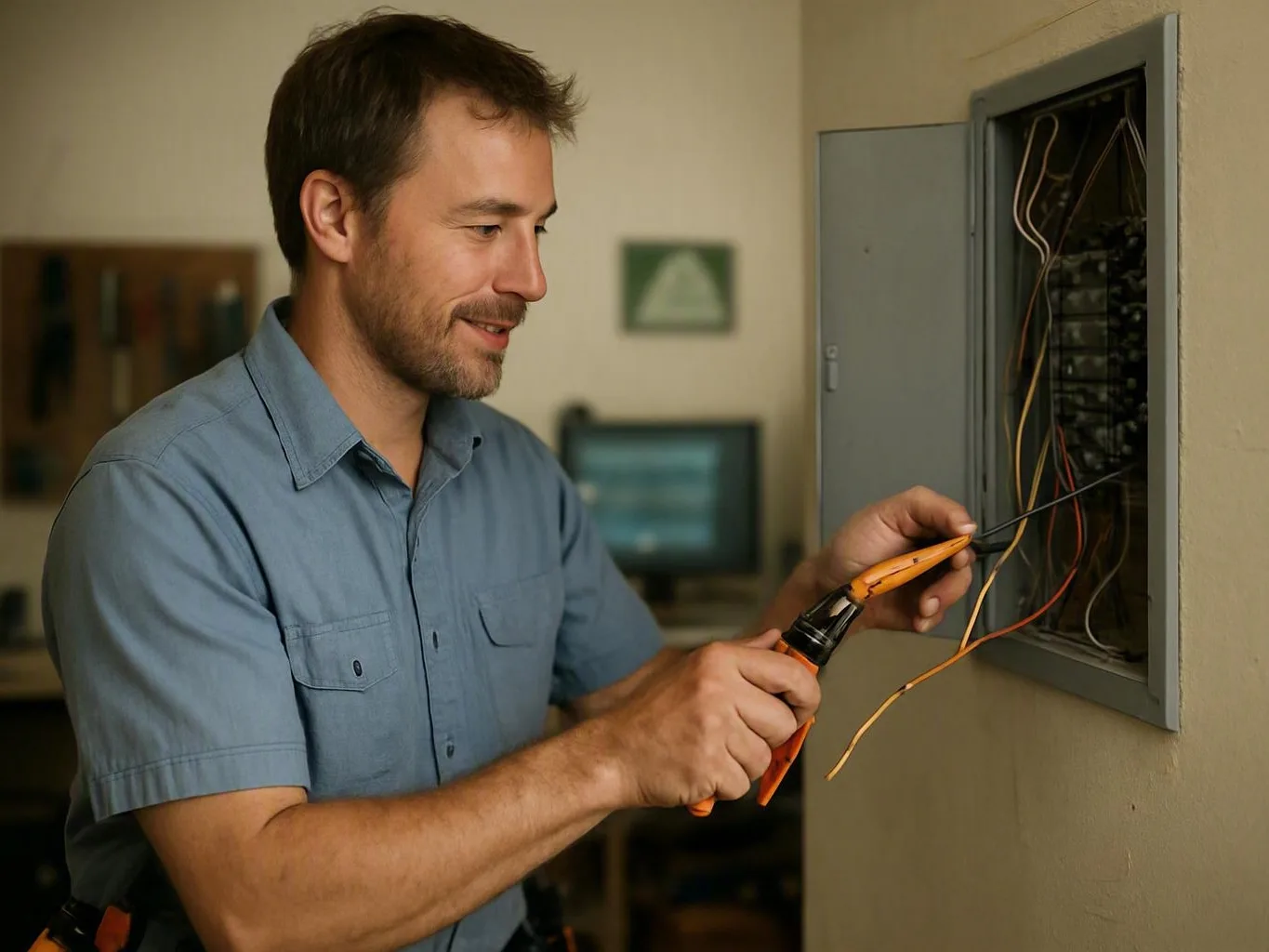
| Electrical panel repair | Repeated trips, heat, damaged breakers, noise, or panel wear | Test breakers, connections, loads, and equipment |
| Electrical code corrections | Unsafe changes, missing protection, or old conditions | Record the issue and plan needed corrections |
| Common-area repairs | Failed hall lights, laundry circuits, panels, or shared equipment | Arrange access and test the shared system |
A small symptom can still signal an urgent repair. A warm outlet may have a loose connection. That connection can create more heat during use. A panel that trips often may need load testing or wiring checks.
Our notes list the symptom, area, equipment, hazard, repair, and next steps. This helps managers spot repeat failures. It also helps separate urgent work from tenant damage or code corrections.
We handle broader Commercial Electrical Repairs for managed buildings. These jobs may involve shared circuits or distribution equipment. Plans should cover tenant notices, safe access, and power limits.
What Landlords and Property Managers Should Look for in an Electrical Service Partner?
Landlords and property managers need a service partner for urgent hazards and clear updates. The contractor should find the real fault and record the work. Useful skills include outlet, wiring, panel, commercial, and code-correction work.
Look for a contractor that treats the first call as a safety check. The process should identify who may be at risk. It should also show if power must stay off. Access and needed repairs should be explained clearly.
Ask how the contractor handles occupied rentals. Access may matter as much as the repair. A tenant may be home, or a unit may be empty. A shared panel may be inside another unit. Clear notices can prevent delays.
Ask how the contractor separates urgent work from planned upkeep. The same applies to tenant damage and code corrections. Our team explains these groups after testing. Managers get useful notes instead of a vague warning.
Some owners search for 24/7 Emergency Electricians after hours. Open hours alone aren't enough. The contractor should use qualified workers and protect residents. They should also explain temporary fixes and follow-up work.
Questions About 24/7 Emergency Electricians
Is a Landlord Responsible for Electrical Repairs?
Usually, a landlord is responsible for safe, working electrical systems. This includes repairs from normal wear, age, or building defects. The lease may explain reporting and access rules. Tenant damage may change payment duties, but owners should fix known hazards quickly.
What Should a Tenant Do About a Dangerous Outlet?
Stop using the outlet and keep people away. Report it to the landlord or manager right away. Smoke, sparks, heat, odors, exposed wires, or shocks may need emergency services. Don't open, tape, replace, or repair the outlet.
Who Fixes Electrical Problems in an Apartment?
A qualified electrician fixes apartment electrical problems. The landlord or manager arranges access, approval, and tenant updates. The electrician repairs the outlet, wiring, panel, breaker, or other equipment. This includes shared systems when needed.
How Should Property Managers Handle an Electrical Emergency?
Protect occupants and tell tenants to stop using the area. Call emergency services for fire or immediate danger. Arrange qualified service and record the response. Don't approve unqualified repairs or restore power before inspection.
Can a Tenant Repair Electrical Wiring?
A tenant should not repair electrical wiring in a rental property. Wiring work can cause shocks, fires, code issues, and insurance risks. The tenant should report the issue. The landlord or manager should arrange a qualified contractor.
Emergency service works best when safety, updates, testing, and records work together. If your property has an active hazard or repeat electrical problem, our team can help. We serve units, common areas, panels, and building systems.
Contact our electrical service teamRelated Resources
How Much Does an Emergency Electrician Cost in Fort Wayne?
emergency electrician cost Fort Wayne IN
What It CostsCircuit Breaker and Fuse Replacement: What It Costs and How It Works
circuit breaker replacement cost emergency electrician
What It CostsCommercial Emergency Electrical Repairs: Cost, Response, and Process
commercial emergency electrical repair cost Fort Wayne
Compared ToEmergency Electrician vs. Regular Electrician: Which Service Do You Need?
emergency electrician vs regular electrician