Does Your Older Home Need Rewiring? Warning Signs and Repair Options
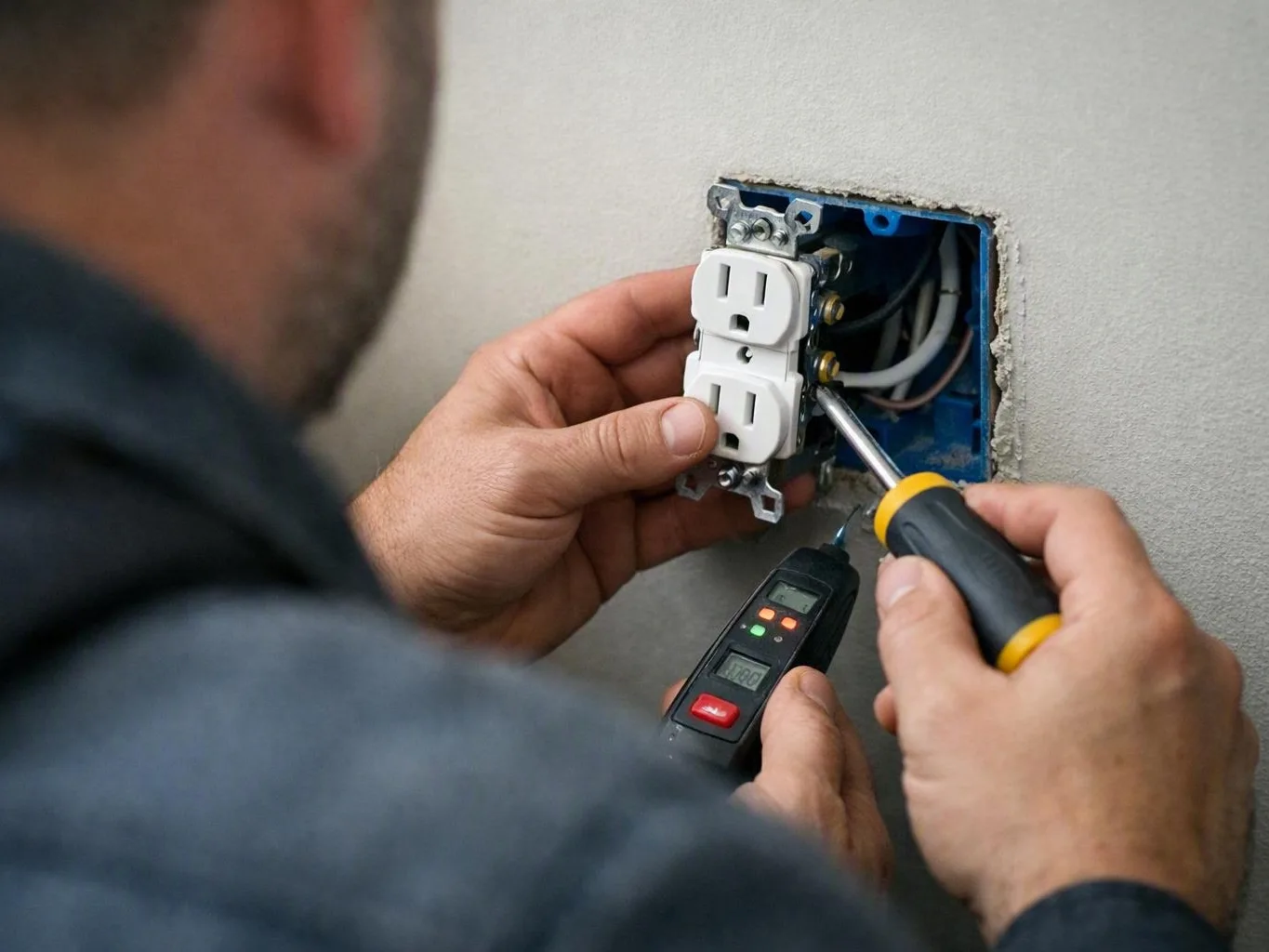
Older homes may need rewiring when the system shows damage, lacks grounding, or cannot handle today’s power needs. A qualified electrician can inspect the wiring and explain your options. You may need targeted Electrical Wiring Repair or full House Rewiring.
Get a Free Estimate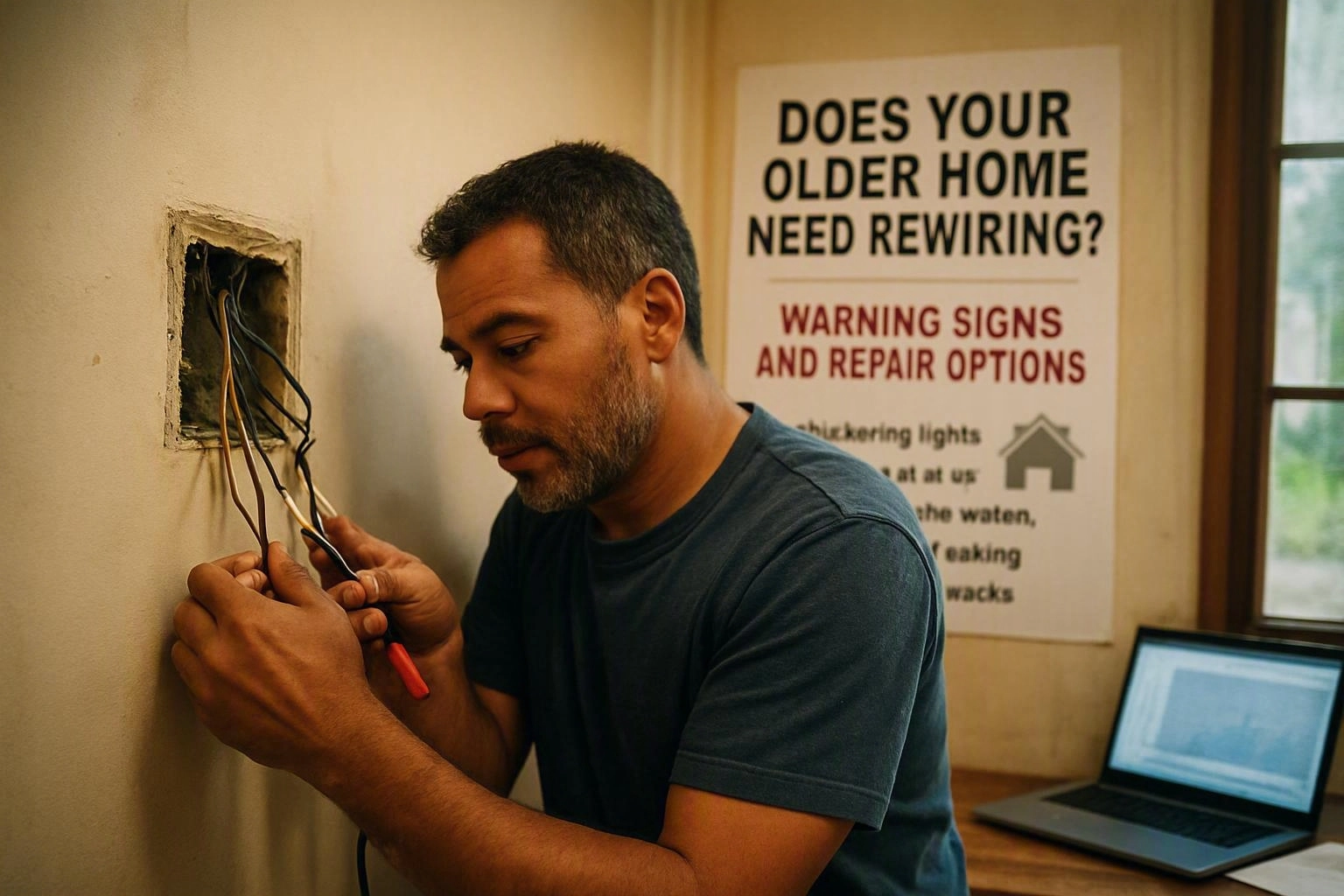
Chris Miller Electric helps homeowners understand electrical risks before work starts. Our team checks the panel, outlets, switches, visible cables, and grounding. We also look for heat and water damage.
We explain our findings in plain language. That helps you choose the right repair.
Older homes often need service because they support more appliances today. Their systems were built for lower power use. The points below explain why professional help may be needed.
- Safety concerns: Old insulation, loose connections, and overloaded circuits can raise fire and shock risks.
- Modern appliances may use more power than older circuits can safely provide.
- Remodels may uncover outlets without grounding or wiring changes made over many years.
- Insurance, remodeling, or home sale plans may call for an electrical check.
- Repeated faults can become more costly and disruptive when ignored.
Homeowners also need a clear work plan. Good service includes a written explanation, safe short-term steps, and proper replacement parts. It should also explain needed permits and inspections.
Important features include:
- Full-system inspection: The review should cover the panel, circuits, devices, grounding, and visible wiring.
- Urgent hazards should be separated from work that can wait.
- Work should follow local rules and permit needs.
Old wiring can hide behind finished walls. Access may be hard, and rooms may stay occupied during work. A plan helps limit delays and surprises.
How Do You Know if a House Needs Rewiring?
A house may need rewiring when its cables, connections, or grounding cannot support normal use safely. Warning signs include tripped breakers, damaged insulation, ungrounded outlets, burning smells, and warm devices. An inspection is the only reliable way to check the whole system.
Age alone does not mean a home needs a full rewire. Some older systems received updates over time. Others contain several types of wiring.
An electrician should trace the circuits. They should check how the parts work together. They should not inspect only the panel or one outlet.
Look for age and performance problems together. Frequent faults, buzzing switches, and loose outlets can signal poor connections. Lights that dim when appliances start may point to overloaded circuits.
Knob-and-tube wiring, aluminum branch wiring, and cloth-covered cable need careful review. These materials do not always require a whole-house project. They do need proper testing.
Home projects can also call for an electrical check. New kitchens, bathrooms, heaters, electric vehicle chargers, and offices can raise power needs. Targeted Electrical Wiring Repair may fix one problem. House Rewiring may make more sense when many rooms have issues.
Most inspections take about one to three hours. Home size and access can change that time. The final plan should explain hazards, repair choices, and likely disruption.
It should also explain permit and inspection needs. Help from 24/7 Emergency Electricians is right for smoke, sparks, exposed live wires, or a strong burning smell.
What Are the Signs of Bad Electrical Wiring?
Bad electrical wiring often causes heat, noise, damage, or weak power. Key signs include burning odors, scorch marks, warm outlets, buzzing, sparks, and repeated breaker trips. Shocks, flickering lights, and loose plugs are also warning signs.
Stop using a suspect device. Arrange an inspection instead of removing covers or trying a live repair.
Some signs are easy to spot. A hot, brown, or loose wall plate may show a bad connection or heavy load. A switch that crackles or smells odd needs attention.
A mild tingle from a metal appliance may signal a grounding or power leak. That problem needs prompt review.
Other signs appear at the panel. Breakers may trip because of overloads, short circuits, or other faults. A fuse that keeps blowing sends the same warning.
Never install a larger fuse or breaker to stop the problem. That can remove protection from the cable.
Damaged insulation is another concern. Cracked, brittle, chewed, or exposed cable can touch metal or nearby materials. Unsafe splices and permanent use of extension cords also need review.
Outlets without proper grounding may also point to unsafe work. Keep notes about when problems happen and which appliances are running.
This information can help our team find the cause. One failed outlet may need a small repair. Several problems in different areas suggest a wider system check.
Never touch bare wires. Turn off power only when you can do so safely.
Is Rewiring an Old House Necessary?
Rewiring an old house is necessary when the system creates a safety risk, lacks grounding, or has damage across many areas. It may also be needed when the system cannot support the home’s power needs. Age alone does not require a full replacement.
A qualified inspection can separate one bad part from larger system problems.
Full replacement may make sense when insulation is failing throughout the home. It may also help when connections are unsafe or circuits lack enough capacity.
The goal is more than new cable. The goal is a safer and better-organized system.
Partial work may suit a home with sound wiring and one isolated issue. An electrician may replace one damaged wire or fix an overloaded circuit. They may also add grounding where local rules allow it.
This approach can reduce mess and cost. It should not hide larger defects.
House Rewiring often means opening parts of walls or ceilings. The crew may remove unsafe wires or leave them in place when allowed. They may install new cable, replace devices, label circuits, and test the work.
Home size, access, insulation, and circuit count affect the plan. Most whole-home projects take several days to a few weeks.
Inspection times and wall repairs can add to the schedule. Ask when power will be off and which rooms will be affected. Also ask who handles wall patching.
In Fort Wayne, IN, ask how local reviews and inspections may affect the schedule.
Can Old Wiring Cause Flickering Lights?
Yes, old wiring can cause flickering lights. Loose connections, worn insulation, overloaded circuits, and weak service connections may cause it. A bad bulb, dimmer, fixture, appliance, or utility problem can also cause flicker.
Repeated or widespread flicker needs prompt professional attention.
Start by noting the pattern. If one lamp flickers, install a matching bulb and check its fit. If lights in one room change when an appliance starts, the circuit may be overloaded.
A weak connection may also cause this problem. If lights across the home flicker, the panel, service wires, or incoming power may be involved.
Loose connections can create heat and sparks. Flicker should not be treated as a small annoyance.
Buzzing, burning smells, warmth, or dark marks make the issue more urgent. Turn off the affected circuit if you can do so safely. Stay away from damaged equipment and seek electrical help.
An electrician can test voltage and inspect visible connections. They can also check the circuit load and appliance use.
The fix may involve a fixture, switch, circuit, or larger wiring problem. Do not keep resetting a breaker. Do not use a device that makes lights dim.
Our crews can explain if the issue looks local or widespread. A written plan should name the likely cause and safe repair.
Electrical Wiring Repair often fixes one bad point. Flicker across many circuits may call for a deeper wiring check.
Does Rewiring a House Require a Permit in Indiana?
Rewiring a house in Indiana may require an electrical permit and inspection. The exact rule depends on the project, location, and local office. Full rewiring often needs review, while small repairs may follow different rules.
Check with the local building department before work starts.
Indiana follows statewide electrical safety rules. Cities and counties may handle permits and inspections in different ways.
The authority having jurisdiction, or AHJ, decides how the rules apply to one address. A homeowner should not assume that existing homes need no permit.
Ask these questions before signing a work agreement:
Permits create a record of the work. They do not replace careful work or proper testing.
The finished system should have safe connections and clear labels. If your project.Fort Wayne, our team can explain what to ask the local office.
We cannot promise rules that may vary by address.
Never start major electrical work based on an online guess. Contact the local building office or ask a qualified electrician.
Rules can change. Unpermitted work may cause trouble during a sale, remodel, insurance review, or future repair.
Questions About 24/7 Emergency Electricians
How Do You Know if a House Needs Rewiring?
Look for tripped breakers, hot outlets, burning odors, buzzing, shocks, flickering, and damaged insulation. Ungrounded devices and wiring that cannot support modern appliances are also warning signs. An electrician must inspect the system to choose between a small repair, circuit upgrades, or full replacement.
What Are the Signs of Bad Electrical Wiring?
Common signs include burning smells, scorch marks, hot plates, buzzing switches, sparks, loose outlets, and repeated trips. Tingling appliances and cracked or exposed insulation also need attention. Stop using affected equipment and never install a larger fuse or breaker.
Is Rewiring an Old House Necessary?
Not always. Rewiring is needed when the system has widespread damage, unsafe connections, poor grounding, failing insulation, or low capacity. One isolated fault may need targeted work instead. An electrical inspection can identify the safest option.
Can Old Wiring Cause Flickering Lights?
Yes. Loose connections, overloaded circuits, worn wiring, weak panels, and poor service connections can cause flickering. A bad bulb or fixture may also cause it. Flicker across rooms, heat, buzzing, or burning smells needs prompt review.
Does Rewiring a House Require a Permit in Indiana?
It may. Permit and inspection rules depend on the project and local Indiana authority. Full rewiring often needs review, while small repairs may follow other rules. Contact the local building department or a qualified electrician before work starts.
If you notice heat, smoke, sparks, exposed wires, or repeated power problems, stop using the circuit. Request professional guidance.
Our team can explain repair choices, inspection needs, and likely work times before the job begins.
For House Rewiring in Fort Wayne, our crews can check if your older system needs focused repairs or a broader safety upgrade.
Contact our teamRelated Resources
How Much Does an Emergency Electrician Cost in Fort Wayne?
emergency electrician cost Fort Wayne IN
What It CostsCircuit Breaker and Fuse Replacement: What It Costs and How It Works
circuit breaker replacement cost emergency electrician
What It CostsCommercial Emergency Electrical Repairs: Cost, Response, and Process
commercial emergency electrical repair cost Fort Wayne
Compared ToEmergency Electrician vs. Regular Electrician: Which Service Do You Need?
emergency electrician vs regular electrician