What can cause a whole-house surge protector to fail?
A power surge, lightning strike, thermal damage, worn components, or a grounding fault can cause the device to fail. We inspect the protector, panel, wiring, and grounding path to identify the cause. A failed device may need replacement, but heat damage or grounding trouble can require separate electrical repairs before new protection is installed.
How is surge protection matched to my property before work starts?
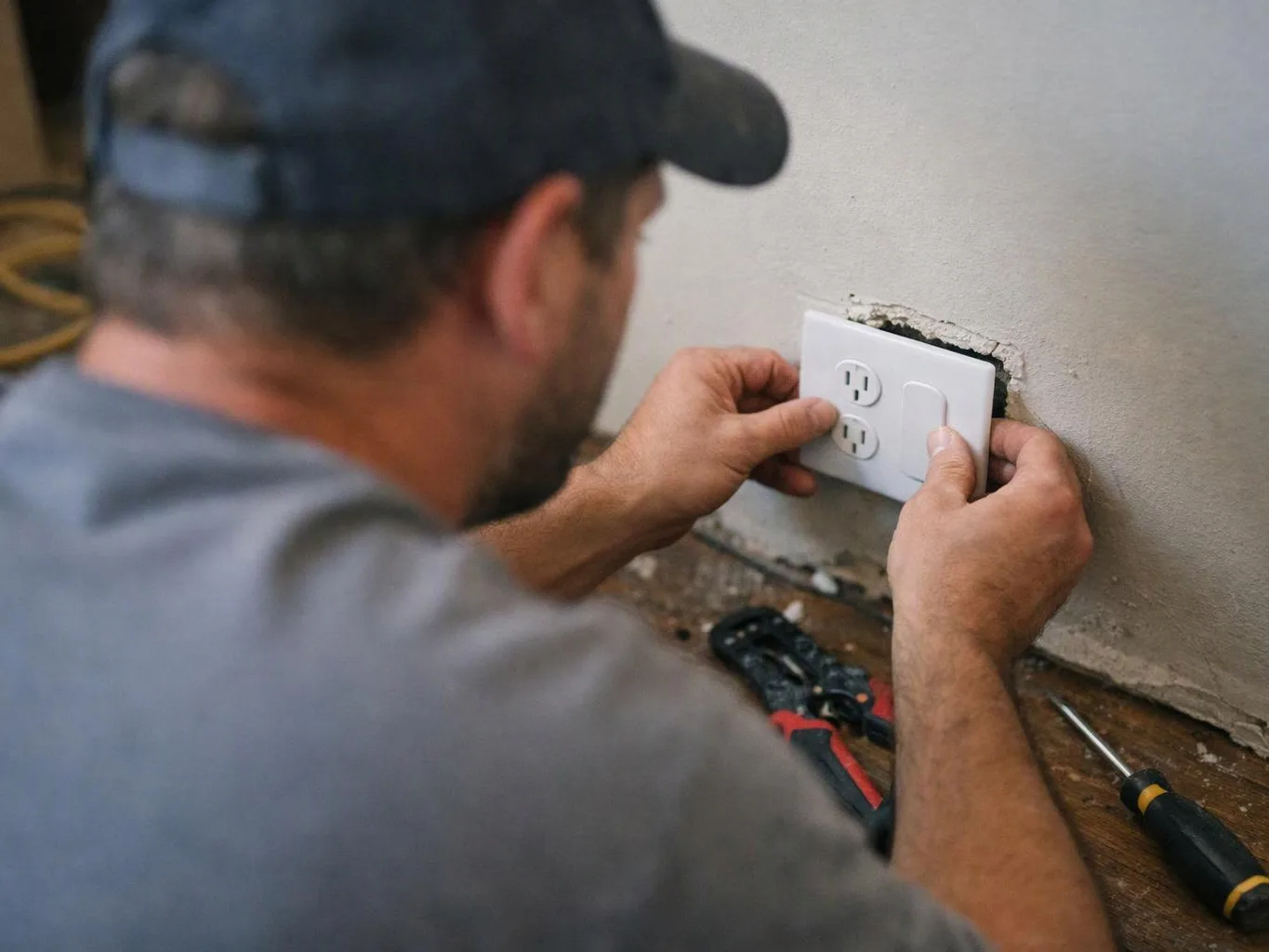
The electrical panel and grounding path determine which protection work fits the property. We check panel space, service equipment, wiring condition, and visible damage before we recommend installation. Residential and commercial systems can have different layouts, so our estimate reflects the actual electrical equipment and repair scope.
What should be ready before surge protection starts?
Access to the electrical panel should be clear before the inspection begins. Photos of the panel, the existing device, or any fault indicator can help us understand the concern during scheduling. Do not open the panel or handle damaged wiring yourself, especially if you notice heat, buzzing, or a burning smell.
Which warning signs suggest the protector needs inspection?
A fault indicator, heat mark, flickering light, or recent electrical event suggests that inspection is needed. We check the device and nearby connections instead of treating one symptom as the full diagnosis. A burning smell or buzzing panel raises the safety concern and should be treated as an urgent electrical issue.
When is grounding correction part of the work?
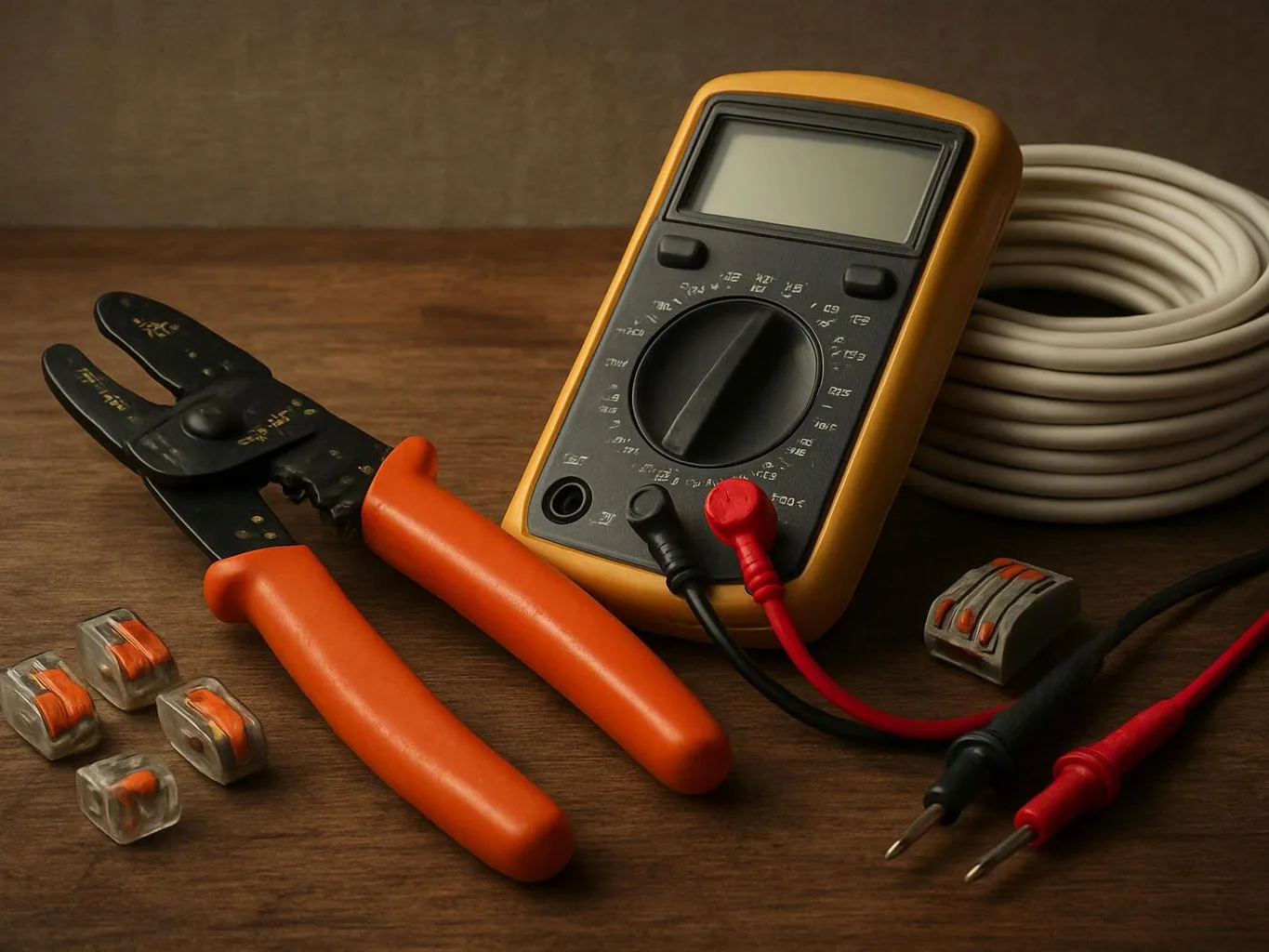
Grounding correction becomes part of the work when the grounding path has a damaged, loose, or improper connection. We test the path during the electrical assessment and explain the needed repair. Surge protection cannot perform as intended when the grounding connection has a fault.
Why might a new protector still need panel repairs?
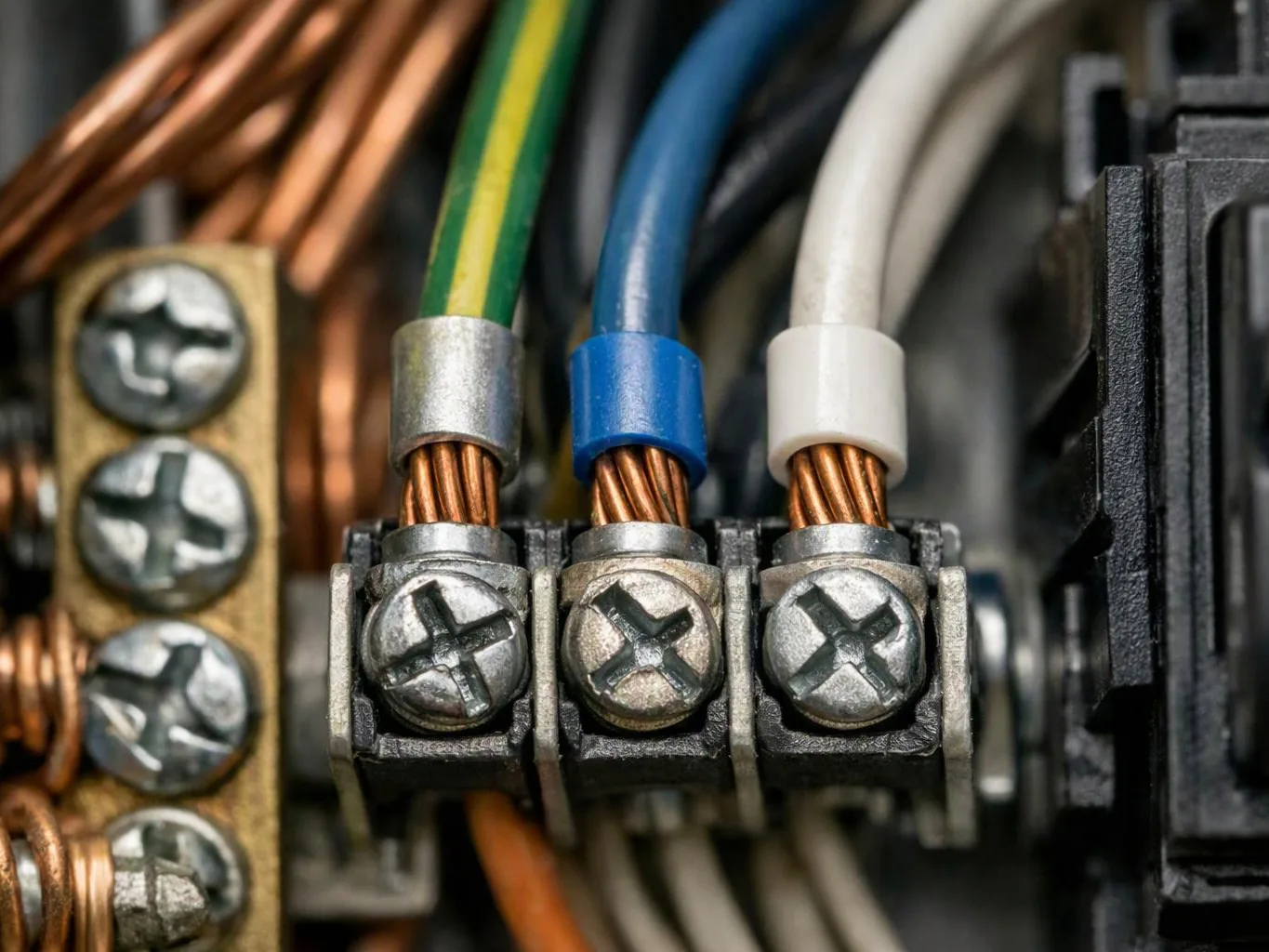
A new protector does not correct damaged wiring, loose terminals, heat damage, or an unsafe panel. We inspect those conditions before installation and identify repairs that affect safe operation. The right scope may include panel repair or grounding work before protection equipment is connected.
What should I ask before agreeing to surge protection?
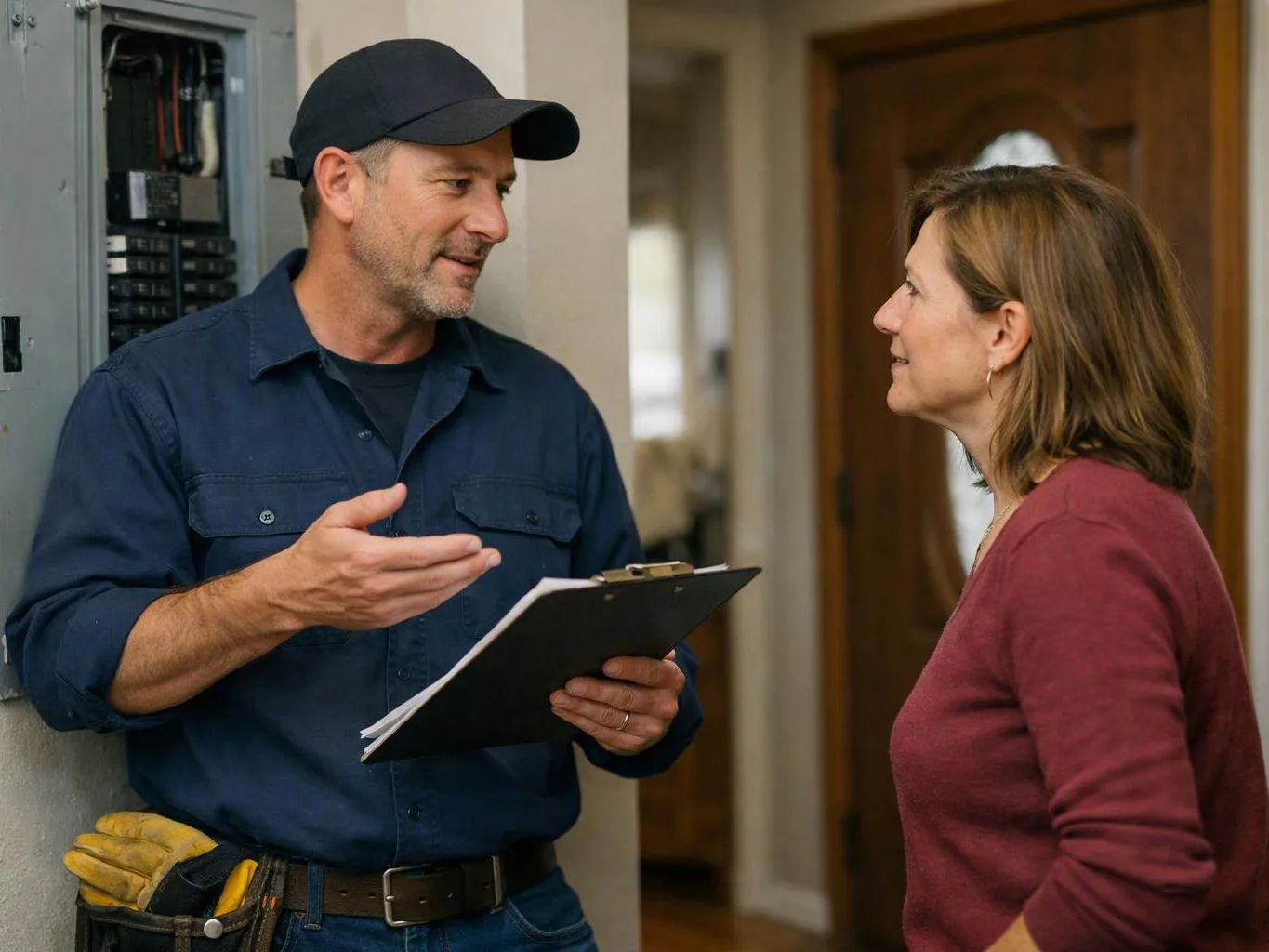
Ask which panel connections, grounding points, device condition, and tests the estimate covers. We explain the proposed work, any separate repair, and the limits of the protection system before approval. That gives you a clear basis for deciding whether replacement, grounding correction, or broader electrical work fits your property.