Can an inspection verify electrical safety after repairs?
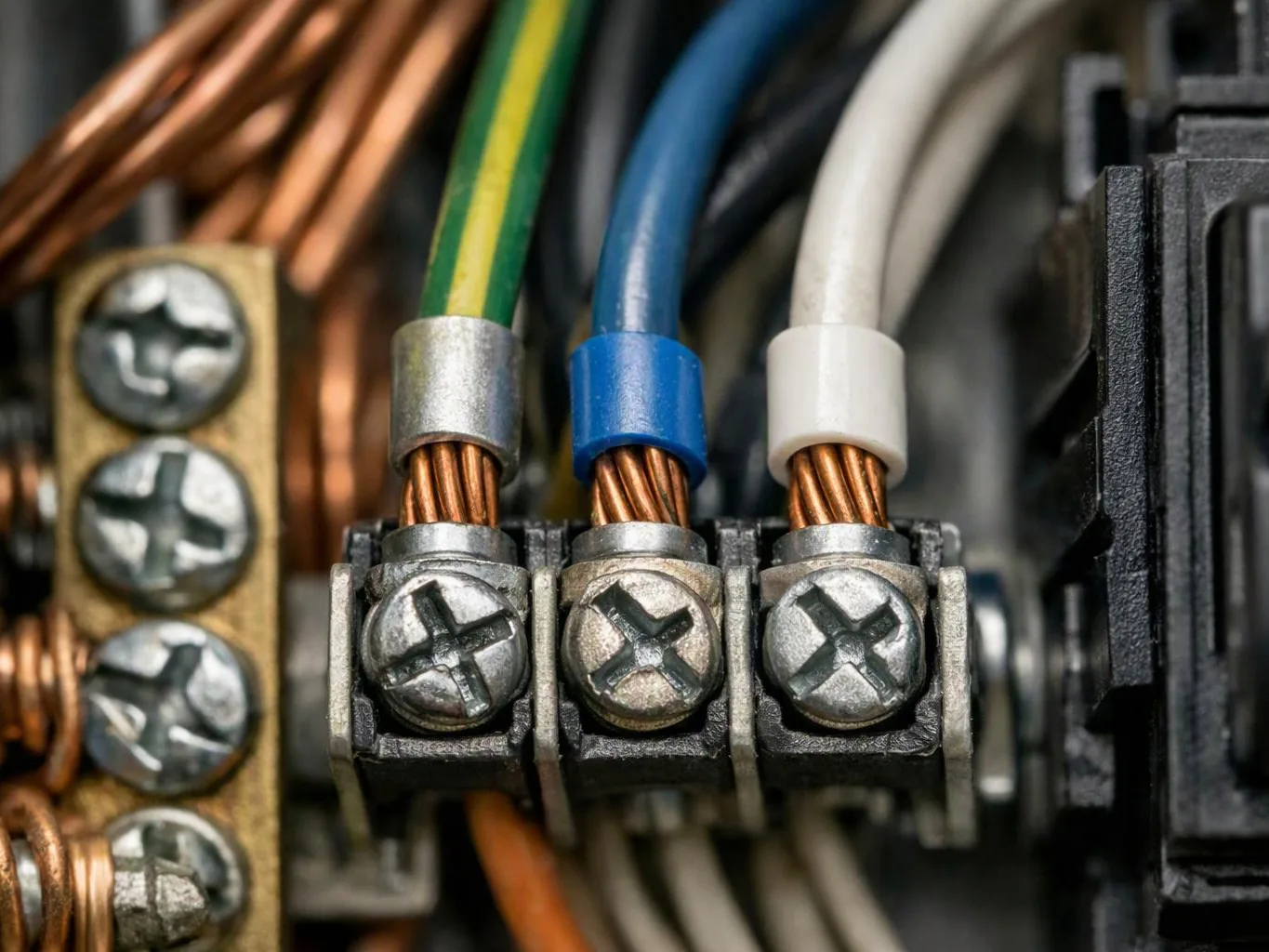
Load evaluation can help verify whether repaired circuits match their intended demand and operate safely. Chris Miller Electric checks the repaired area, related connections, polarity, grounding, and breaker operation. We also look for signs that the original fault remains. The inspection confirms the tested scope, but it does not approve areas outside that scope.
What should I ask before agreeing to an electrical inspection?
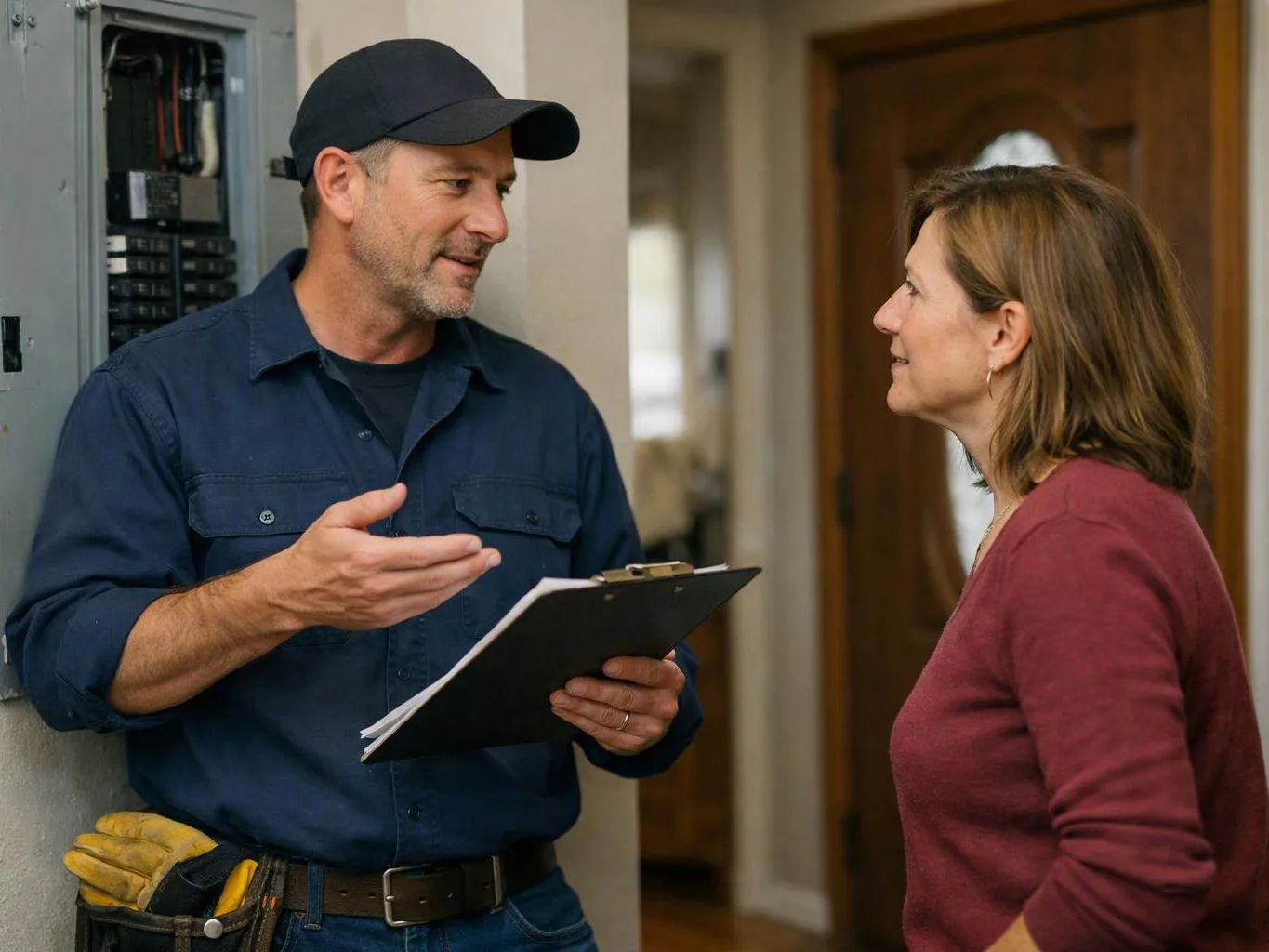
The inspection scope should state which circuits, panels, outlets, and repairs will be checked. Ask whether circuit tracing, polarity testing, grounding review, and written findings are included. We explain the areas we will inspect and identify follow-up repairs separately. That gives you a useful basis for deciding what work should happen next.
Which property condition changes the inspection time?
Limited panel access, concealed wiring, unclear circuit labels, and damaged devices can expand the inspection work. We first identify the affected circuit and the safe access points. The condition of the panel and wiring then guides the testing plan. We explain any scope change before adding related work.
How is the inspection matched to the property before work starts?
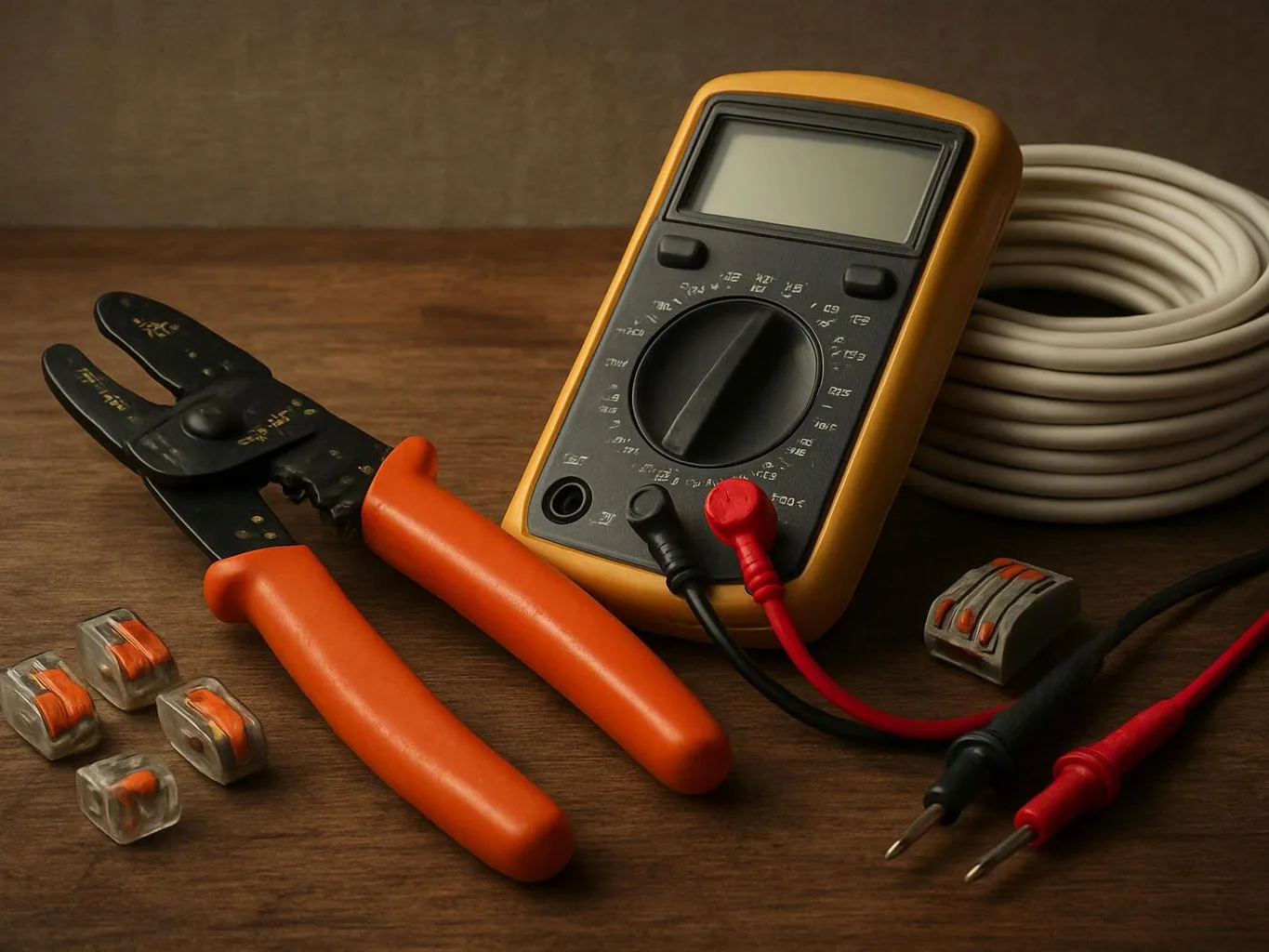
The property type, electrical layout, reported fault, and repair history shape the inspection scope. We ask whether the property is residential or commercial and which areas need review. Our team then selects the needed circuit tracing, safety testing, and polarity checks. This keeps the inspection tied to the actual electrical concern.
What happens if the inspection finds another wiring fault?
A new wiring fault is documented and explained before we recommend repair work. We may need to isolate the affected circuit while we assess the safe repair path. The next step depends on the fault location, access, panel condition, and circuit use. We provide a free estimate for recommended electrical work.
Why do outlets show reversed polarity after repairs?
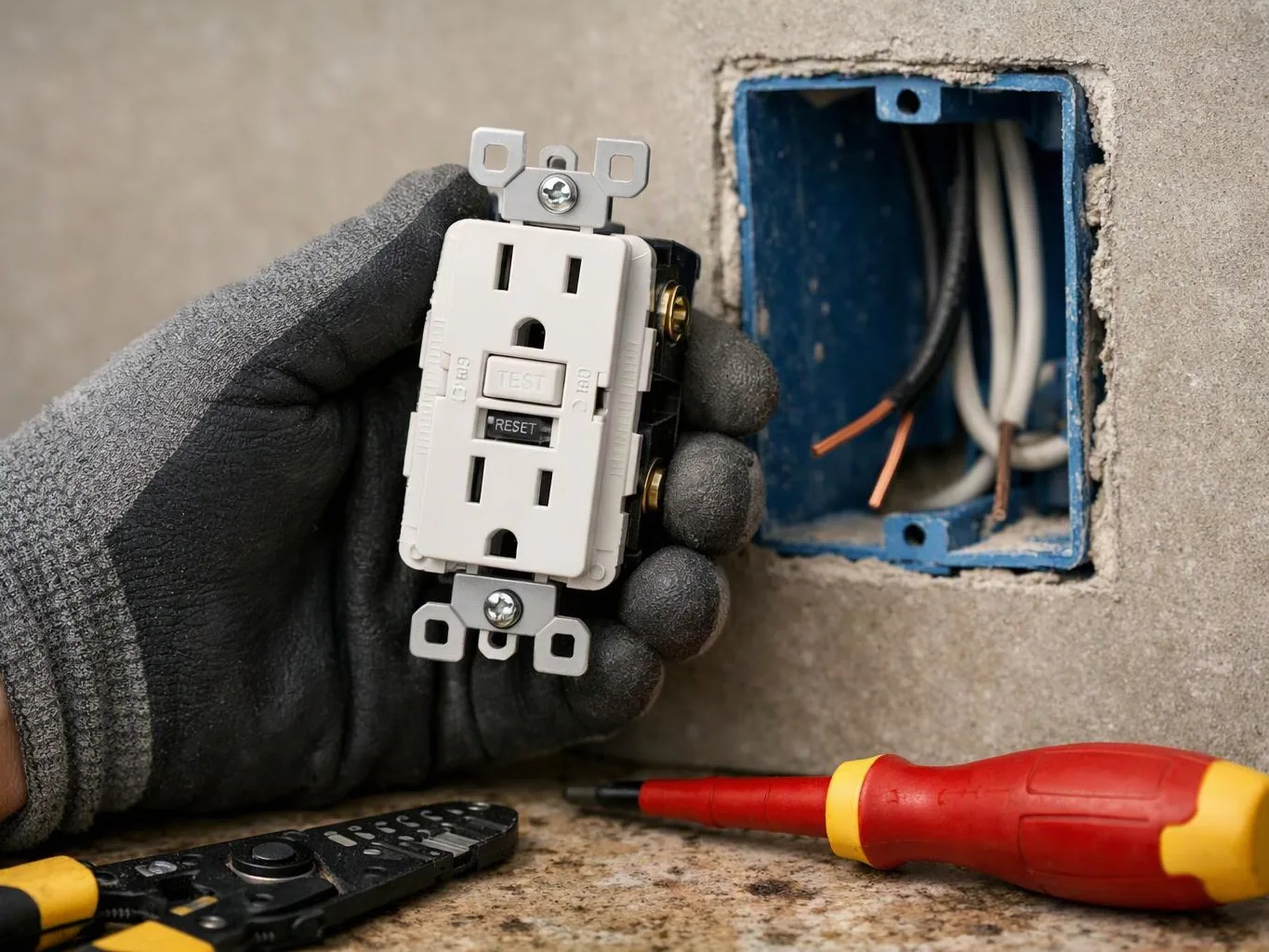
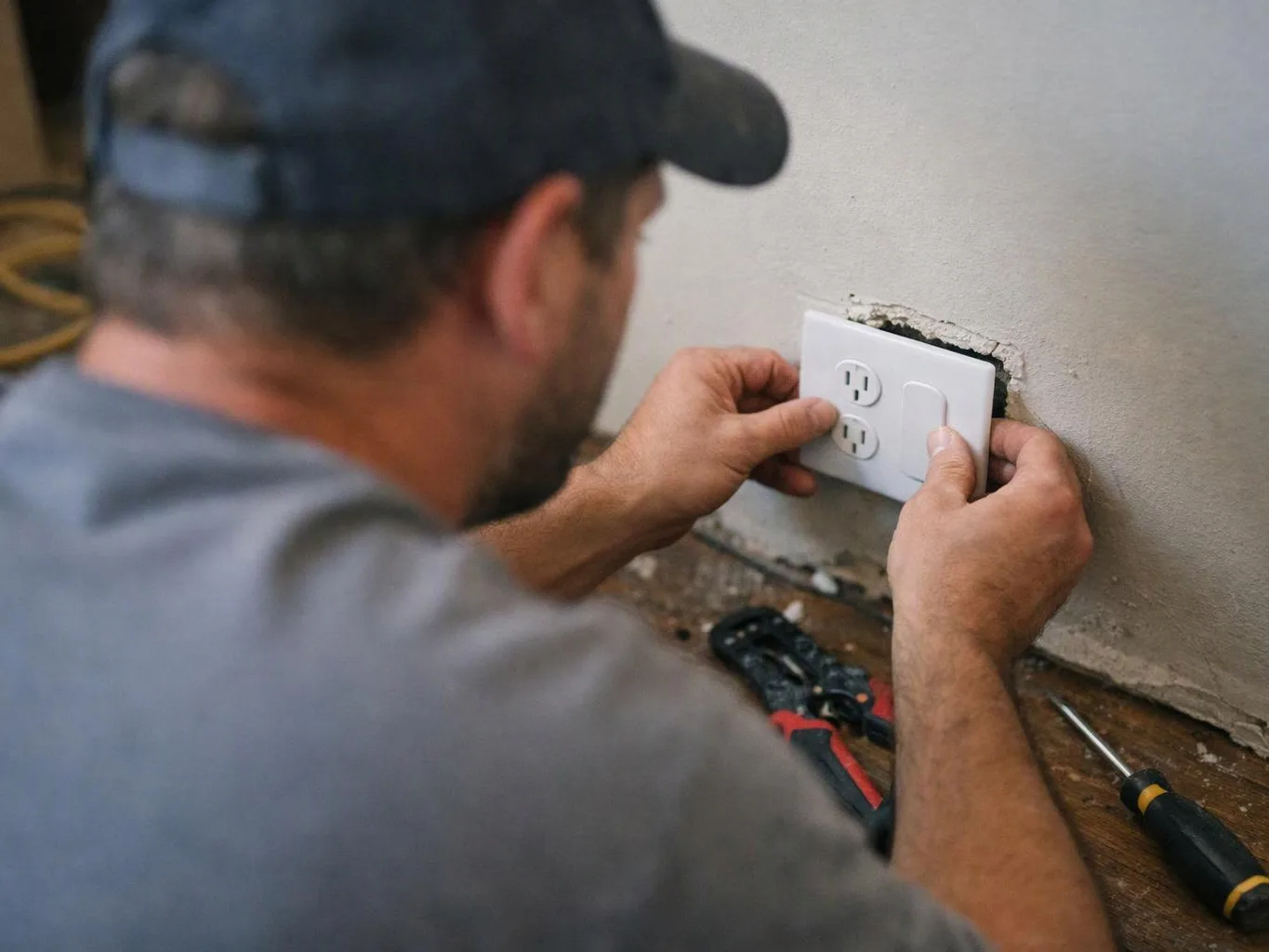
Reversed polarity means the conductors at an outlet are connected to the wrong terminals. We test the outlet, trace the circuit, and inspect related connections to find where the wiring changed. The condition should be corrected before normal use, especially when the outlet powers equipment or sits near a wet area.
When should a safety check follow electrical repairs?
A safety check is useful when a repair involved wiring, a breaker, an outlet, a panel connection, or a circuit with repeated faults. We review the repaired area and test related parts for safe operation. Burning smells, buzzing panels, sparking outlets, or warm switch plates call for urgent attention and should not be ignored.