Can code correction fix frequently tripping breakers?
Yes, code correction can fix frequent trips when damaged wiring, a short circuit, excess load, or a faulty AFCI breaker causes them. Chris Miller Electric tests the affected circuit before choosing a repair. We check the panel, wiring, connected devices, and load. Stop using the circuit if you notice heat, smoke, sparks, or a burning smell.
How can I tell whether code correction fits my property?
Electrical code correction fits properties with unsafe wiring, failed inspection items, grounding concerns, or circuit changes that need review. The assessment connects the visible issue to the electrical system behind it. We can explain whether the right scope is a targeted repair, circuit work, or a broader panel improvement.
Which part of the property decides the correction scope?
The affected circuit usually decides the first scope because its panel connection, wiring path, outlets, and equipment must work together. Access also matters when wiring runs through finished walls or enclosed areas. We inspect the panel and connected points, then explain any access work before repairs begin.
What changes the time needed for wiring correction?
The fault location, wiring access, panel condition, and number of connected devices change the work time. A visible outlet issue may need a different scope from damage hidden along a branch circuit. We identify the affected path first, then explain the work involved without promising an unsupported timeframe.
Which material changes how electrical correction proceeds?
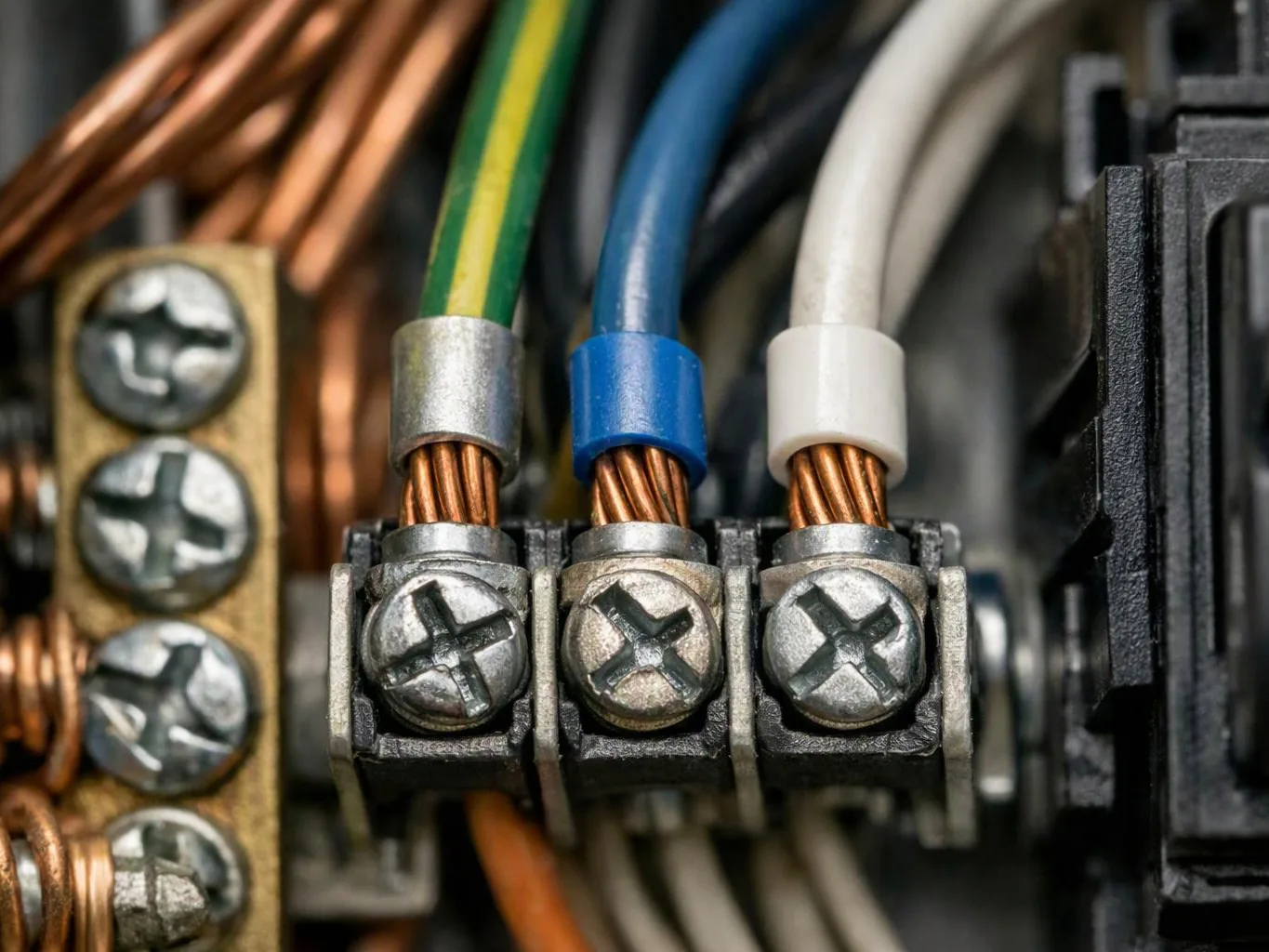
Damaged wiring changes the correction because the conductor, insulation, connections, and access all affect the repair. Aluminum wiring, older cable, or heat-damaged terminals can require closer testing. We identify the material in the affected circuit and match the repair to its condition.
Why does a breaker trip after an appliance starts?
A breaker may trip when an appliance adds more load than the circuit can safely carry. A short circuit, loose connection, or damaged cord can create the same symptom. Leave the appliance off, and we can test the circuit, connection points, and load before recommending a correction.
What should I do before requesting an electrical assessment?
Record which breaker trips, what was running, and whether you saw heat, sparks, or a burning smell. Turn off the affected circuit if the condition appears unsafe, and do not remove the panel cover. Those details help us focus the initial diagnosis and plan safe access to the electrical equipment.