Skip to content

Carbon Monoxide Detector Installation in Hicksville, Ohio

Control panel checks guide carbon monoxide detector installation in Hicksville. We connect compatible alarms and test the alert signal for homes and businesses.

Licensed & InsuredFree EstimatesWarranty AvailableSame-Day Service

Quick Summary: Carbon Monoxide Detector Installation in Hicksville, Ohio

Carbon Monoxide Detector Installation in Hicksville is provided by Chris Miller Electric for residential and commercial properties. The service covers alarm placement checks, compatible connections, testing, and electrical safety support from a local 24-hour electrician.

  • What we do: Chris Miller Electric provides carbon monoxide detector installation for homes and businesses in Hicksville, Ohio.
  • What is included: We check alarm connections, test alert signals, replace compatible detectors, and assess related electrical concerns.
  • What you get: The property receives working carbon monoxide alarms with tested connections and a clear alert path.

Can carbon monoxide detectors connect with smoke alarms?

Yes, compatible carbon monoxide detectors can connect with smoke alarms through an alarm interconnect or wireless pairing. The control panel and alarm models must support the same connection method. We check compatibility before installation and test the alert signal after setup.
Supporting Clients Across Hicksville

Carbon monoxide detector installation adds or replaces alarms that warn occupants about carbon monoxide. The work can include a combination alarm, a separate detector, an alarm interconnect, or wireless pairing when the equipment supports it.

The key buyer decision is compatibility. Smoke alarms and carbon monoxide alarms cannot always share a connection, so we check the control panel, wiring, alarm type, and alert signal before choosing the installation method.

This page focuses on detector installation, not every electrical repair a property may need. If testing finds faulty wiring, dead outlets, or a panel concern, we explain that separate repair scope before proceeding.

  • Confirm whether the property needs a combination alarm or a separate carbon monoxide detector.
  • Check alarm interconnect compatibility before linking smoke and carbon monoxide devices.
  • Test the alert signal after installation and document any related electrical concern.
  • Request a quote when the work includes new wiring, access work, or connected alarm changes.
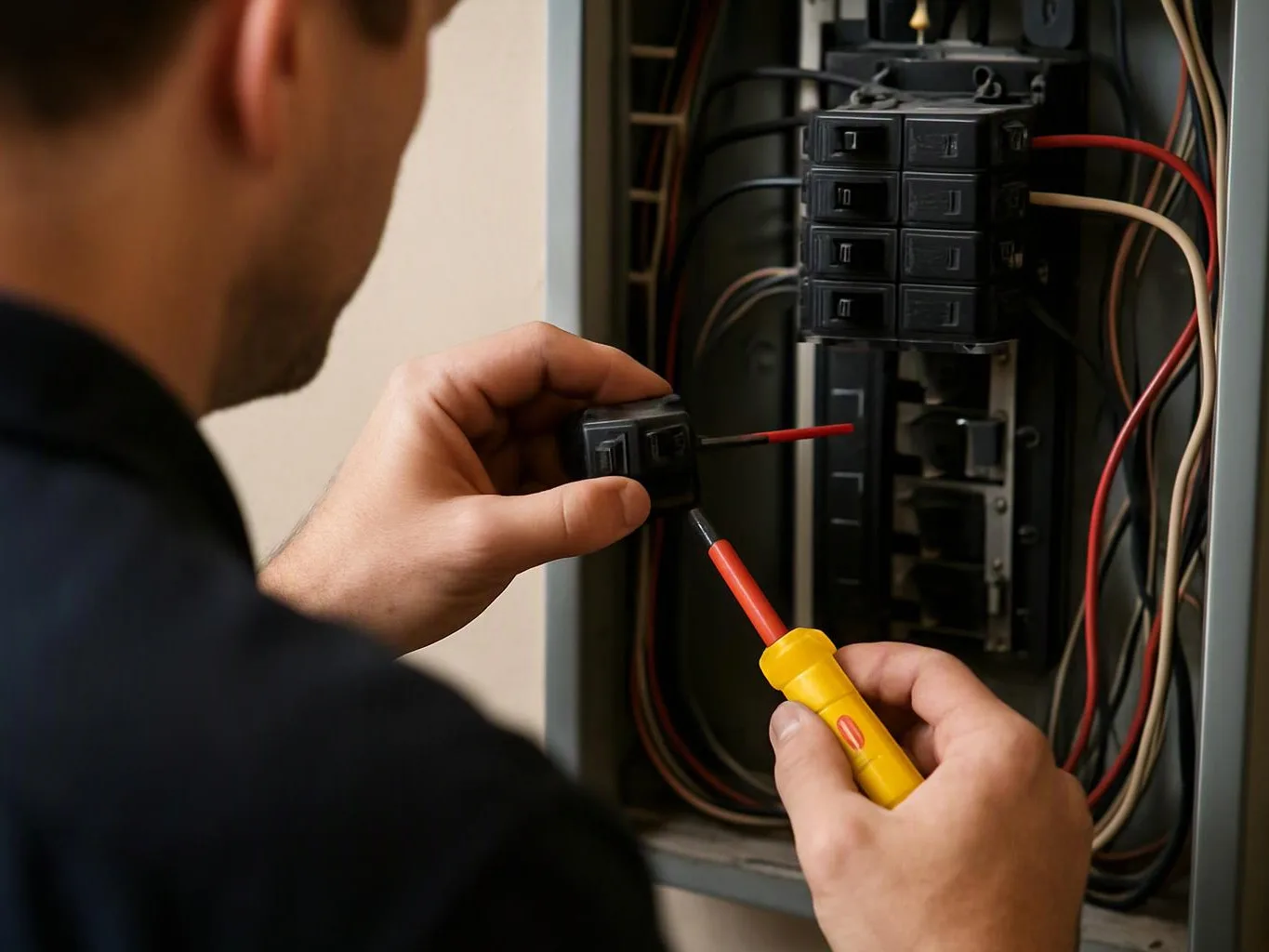
A person tests a breaker panel with a voltage tester, surrounded by exposed wires inside a metal box

Service Overview

Carbon monoxide detector installation is an electrical service that sets up alarms, connections, and testing for carbon monoxide warnings.

  • The work differs from smoke alarm replacement because carbon monoxide detection monitors a different hazard and may use separate alarm connections.
  • Chris Miller Electric provides this service for residential and commercial properties in Hicksville.
Process

Steps For Installing Carbon Monoxide Detectors

1

Review the existing alarm system

We identify the current smoke alarms, carbon monoxide detectors, alarm type, wiring, and control panel connection.

2

Check device compatibility

We compare the selected detector with the existing alarm interconnect or wireless pairing method before making the connection.

3

Install the detector or combination alarm

We mount and connect the compatible device according to its installation requirements and the property's electrical layout.

4

Test the alert signal

We test the detector and linked alarms, then explain the result and any separate electrical repair need.

When this service is the right fit

A typical property may have smoke alarms from one system and a separate carbon monoxide detector that does not share its signal. We trace the existing connection, check compatible alarm types, install the suitable device, and test the alert path. If the work changes connected wiring, we explain any code review or permit question before the scope expands.

What You Get From This Detector Installation

Compatibility checked before connection

We compare the alarm type, wiring, and interconnect method before joining devices. This matters when smoke alarms and carbon monoxide alarms come from different systems.

Testing follows the installation

The alert signal is tested after the detector is connected. We explain what the alarm indicates and identify any electrical issue that needs separate attention.

A clear limit on the service

Detector installation is the wrong job when the immediate concern is an active carbon monoxide alert or suspected exposure. Leave the area and follow emergency safety guidance before arranging electrical work.

Electrical credentials for the work

Our licensed and insured electricians handle detector wiring, alarm connections, and related electrical checks.

What New Carbon Monoxide Alarms Change

A working detector gives occupants a clear warning when carbon monoxide reaches the alarm's sensing threshold.

Compatible interconnection helps linked alarms signal together when the equipment supports that feature.

Testing identifies connection faults before the alarm system is needed.

A documented installation gives property owners a clearer record of what was checked.

Commercial and residential properties can address detector needs through one electrical service visit.

What Carbon Monoxide Detector Installation Includes

Chris Miller Electric provides comprehensive Carbon Monoxide Detector Installation in Hicksville. Here's what you get:

  • We inspect the existing alarm setup and identify the detector type that fits the work.
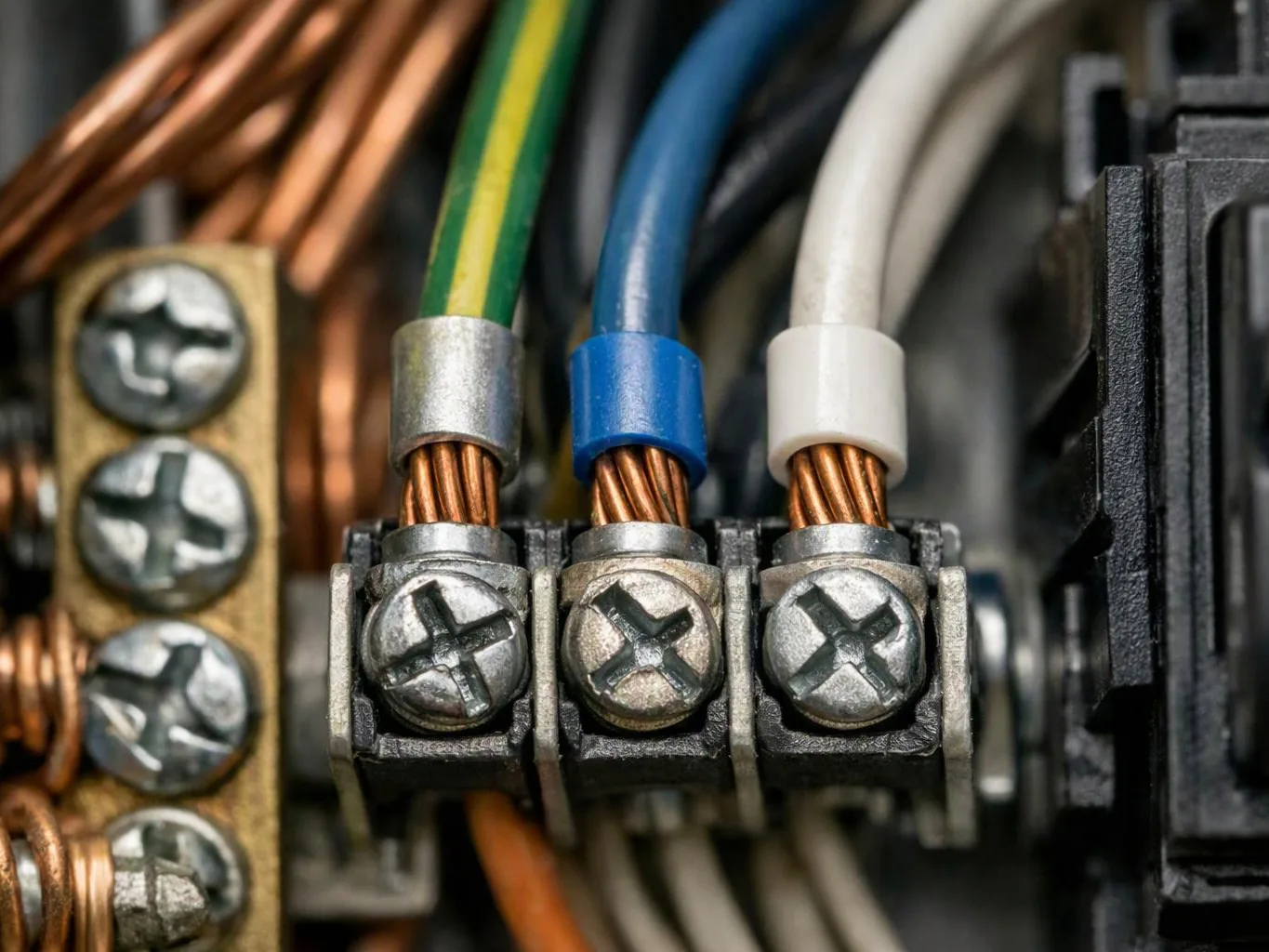
  • We check compatible wiring, terminals, and alarm interconnect connections.
  • We install compatible carbon monoxide detectors or combination alarms.
  • We set up wireless pairing when the selected equipment supports it.
  • We test the alert signal and confirm that connected alarms respond as intended.
  • We explain the completed work and any separate electrical repair needs.

Detector Connection Options

These options compare common detector setups by connection method and equipment fit.

Connection optionHow it worksBest fit
Combination alarmSmoke and carbon monoxide sensing share one device.Homes needing one compatible alarm unit.
Wired alarm interconnectCompatible alarms share an electrical signal.Properties with suitable existing wiring.
Wireless pairingCompatible alarms share an alert through wireless connection.Systems designed for wireless alarm linking.

The Chris Miller Electric Standard

  • Responsive Service
  • Initial Assessment
  • Safe Repairs
  • Clear Communication

Questions About Carbon Monoxide Detector Installation

What does the crew look at first during detector installation?

The existing alarm system comes first, including wiring, device type, control panel connections, and access. We identify whether the property uses separate alarms or a combination alarm. The inspection also checks for damaged wires or loose terminals. Those findings guide the connection method and quote.

What should be checked before installation is scheduled?

The selected alarm model, existing wiring, connection method, and access should be checked before scheduling. We also need to know whether the work involves a new detector, a replacement, or linked smoke alarms. Photos of the current alarm and any warning message can help us understand the starting point.

Who is a good fit for this service, and who needs different work?

Homeowners, landlords, offices, and businesses needing detector installation are a good fit. Active carbon monoxide alerts or suspected exposure require immediate evacuation and emergency help first. Electrical faults found during testing may require separate repair work. We explain that distinction before expanding the installation scope.

Which connection method works for linked alarms?

The connection method depends on compatible equipment and the existing alarm system. Wired interconnects use approved wiring between devices, while wireless pairing links models designed for that feature. We check both options when appropriate. The final test confirms whether the alert reaches the connected alarms.

When should a detector be replaced instead of connected?

A detector should be replaced when it is damaged, incompatible, or unable to pass testing. We inspect the device and connection before recommending replacement. Smoke alarms and carbon monoxide alarms use different sensing functions, so the replacement must match the intended protection and connection system.

Why might a new alarm fail the connection test?

A new alarm may fail when its connection type does not match the existing system. Faulty wiring, loose terminals, incompatible wireless pairing, or a control panel issue can also block the signal. We isolate the cause, test the affected devices, and explain whether detector replacement or electrical repair is needed.
Contact

Request A Carbon Monoxide Detector Installation Estimate

Do you need compatible alarms connected or a detector replaced? Request a quote from Chris Miller Electric, and urgent requests get priority scheduling.

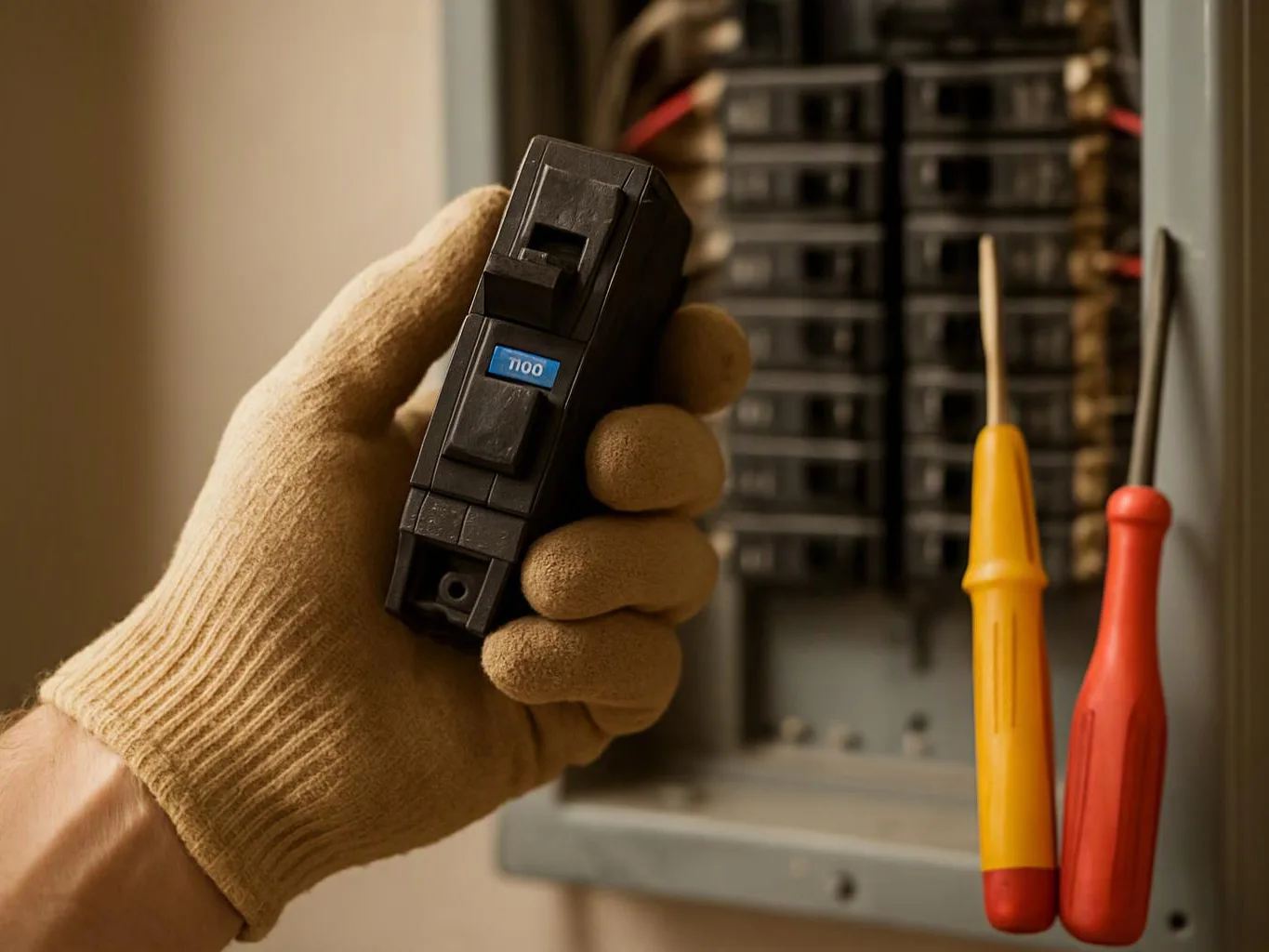
A gloved hand holds a black circuit breaker beside an open electrical panel with two screwdrivers nearby

ZIP Codes We Serve in Hicksville, Ohio

43526

Carbon Monoxide Detector Installation in Other Areas

(260) 305-8344