
Skip to content

Carbon Monoxide Detector Installation in Roanoke, Indiana

A missing battery backup can leave a detector silent during an outage in Roanoke. We install carbon monoxide detectors for homes and businesses, then test the wiring and alarm function.

Licensed & InsuredFree EstimatesWarranty AvailableSame-Day Service

Quick Summary: carbon monoxide detector setup in Roanoke, Indiana

Carbon Monoxide Detector Installation in Roanoke is provided by Chris Miller Electric for homes and businesses. The service covers hardwired and plug-in detector setup, mounting, wiring checks, and alarm testing, with 24-hour electrical service available for urgent electrical problems.

  • What we do: Chris Miller Electric provides Carbon Monoxide Detector Installation for residential and commercial properties in Roanoke, Indiana.
  • What is included: detector mounting, circuit checks, hardwired connections, plug-in model setup, and alarm testing.
  • What you get: The property has a working carbon monoxide detection system with tested power and secure detector connections.

Why does a carbon monoxide detector lose power during an outage?

A detector can lose power when it lacks a battery backup or relies on a circuit that has tripped. We check the power source, battery compartment, and hardwired connection, then recommend a suitable repair or installation path.
Carbon monoxide detector installation in Roanoke

Carbon monoxide detector installation gives a home, office, or business a working alarm for this dangerous gas. The job can include a hardwired detector, a plug-in model, a mounting plate, and a battery backup.

The main buyer decision is whether the property has a suitable power source and whether the detector should connect to an existing circuit. We inspect the access point, confirm the connection, and test the detector after installation. This page focuses on detector setup, not a full property-wide electrical inspection.

Battery backup deserves close attention because a hardwired detector still needs power during an outage. We check that backup feature and explain what the installed model requires for continued operation.

  • Confirm whether the detector will use a hardwired circuit or a plug-in connection.
  • Check the mounting plate and the surface where the detector will sit.
  • Inspect the power connection and battery backup.
  • Test the alarm after installation and confirm the detector is secure.
  • Request a wider electrical inspection when the property has other electrical concerns.
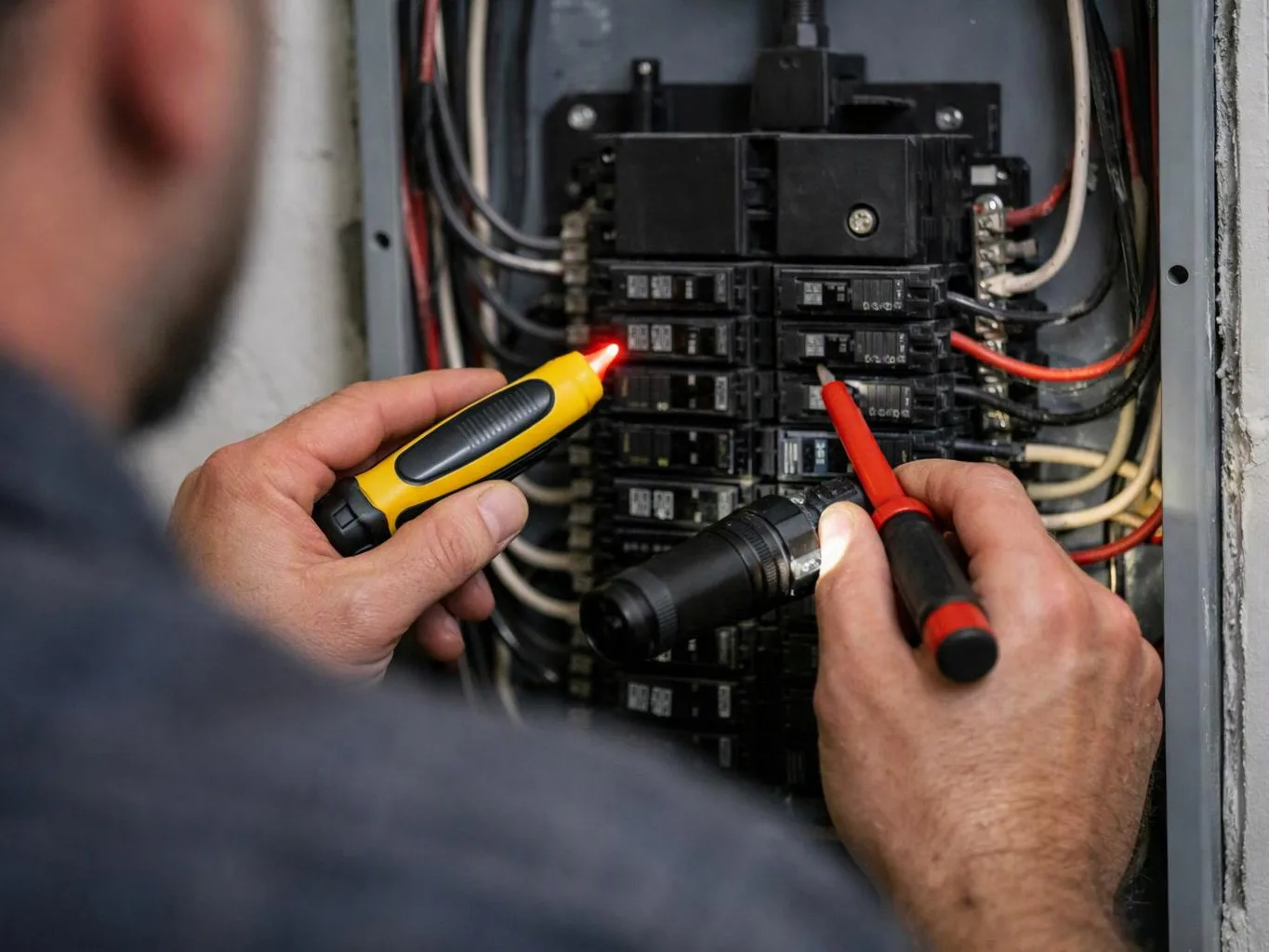
A technician tests an electrical breaker panel with a lit probe and a flashlight

Service Overview

Carbon monoxide detector installation is electrical work that mounts a detector, connects its power source, and tests its alarm.

  • Detector installation adds a safety device, while a general electrical inspection checks a wider range of circuits, panels, and equipment.
  • Chris Miller Electric provides this service for homes and businesses in Roanoke.

What customers get from this detector work

A clear power-source decision

The power source decides much of the work. We compare a hardwired detector with a plug-in model and explain the fit for the property.

Testing after the connection

The alarm test checks more than the detector’s position. We verify power, battery backup, and the device’s response before the work is complete.

A defined service limit

Detector installation is the wrong job when the property needs a full wiring diagnosis, panel repair, or correction of a wider electrical fault. We can assess those electrical concerns separately.

Process

How we install and test a carbon monoxide detector

1

Review the detector and property

We identify the detector type, inspect the available power source, and check access around the planned mounting point.

2

Check the circuit and backup

The circuit, outlet, battery compartment, and interconnect cable receive the checks needed for the selected installation method.

3

Secure the mounting plate

We attach the mounting plate to a suitable surface and connect the detector using the selected hardwired or plug-in setup.

4

Test the alarm and power

We test the alarm, confirm power reaches the detector, and check the battery backup before explaining the basic controls.

What carbon monoxide detector installation includes

Chris Miller Electric provides comprehensive Carbon Monoxide Detector Installation in Roanoke. Here's what you get:

  • We review the detector type and the power source required for the property.
  • We install the mounting plate and secure the detector to the approved surface.
  • We connect a hardwired detector to the available electrical circuit when that setup fits the property.
  • We set up a plug-in model when a hardwired connection is not the selected approach.
  • We check the battery backup and replaceable battery access.
  • We test the detector and explain the basic alarm and power indicators.

What a working detector changes

A tested detector gives occupants an active carbon monoxide alarm instead of an unverified device.

Battery backup helps the alarm remain powered when the property loses electricity.

A secure mounting plate keeps the detector in its intended position.

Circuit and power checks reduce the chance of an installation that appears complete but lacks dependable power.

Commercial property owners get a clear installation scope for offices and business spaces.

Hardwired and plug-in detector choices

These options differ by power source, wiring needs, and backup requirements.

Detector optionPower and wiringBest fit to review
Hardwired detectorConnects to an electrical circuit and may include battery backup.Properties where fixed wiring and circuit access fit the installation.
Plug-in modelUses an existing outlet and does not require a new hardwired connection.Properties with a suitable outlet and an acceptable plug-in location.

The Chris Miller Electric Standard

  • Responsive Service
  • Initial Assessment
  • Safe Repairs
  • Clear Communication

Questions about carbon monoxide detector installation

Should carbon monoxide detectors be hardwired?

Battery backup makes a hardwired detector a strong choice when the property needs alarm power during an outage. The electrical circuit, mounting point, and detector type still decide whether hardwiring fits. We inspect those conditions and test the completed connection. A plug-in model may suit a property with an accessible outlet and no need for a new hardwired circuit.

How can I tell whether detector installation fits my property?

The property fits detector installation when occupants need a working alarm and the selected device has a safe power source. We check the outlet or circuit, mounting surface, battery access, and detector connections. A full electrical inspection is more suitable when the property also has flickering lights, a buzzing panel, or repeated breaker trips.

Which part of the property decides the installation scope?

The available power source usually decides the installation scope. An accessible outlet may support a plug-in model, while a hardwired detector needs circuit access and suitable wiring. We also inspect the mounting surface and interconnect cable when those parts are part of the selected system.

Which material changes how long detector installation takes?

The wall or ceiling material can change the work needed to secure the mounting plate. Drywall, wood, and masonry each require a suitable fastening method and access plan. We also check whether finished surfaces hide the circuit, because concealed wiring can add work beyond a plug-in setup.

What does a battery backup do in a hardwired detector?

A battery backup powers a hardwired detector when the connected electrical circuit loses power. The backup does not repair a tripped breaker or a damaged circuit. We check the battery compartment, circuit connection, and alarm test so the detector’s power status is clear.

When should a property owner request detector service?

A property owner should request service when a detector lacks power, needs replacement, or cannot be tested reliably. We also handle new detector installation for homes, offices, and businesses. A burning smell, sparking outlet, or buzzing panel needs an urgent electrical assessment because detector work alone will not address that hazard.

Why might a plug-in model be the better choice?

A plug-in model may fit when an accessible outlet supports the detector and new circuit work is unnecessary. We inspect the outlet, detector position, and battery access before recommending that setup. A hardwired detector remains the better fit when the property requires a fixed electrical connection or compatible interconnection.
Contact

Request a carbon monoxide detector installation estimate in Roanoke

Does your detector lack power or need a new setup? Request your estimate from Chris Miller Electric, and urgent requests get priority scheduling.

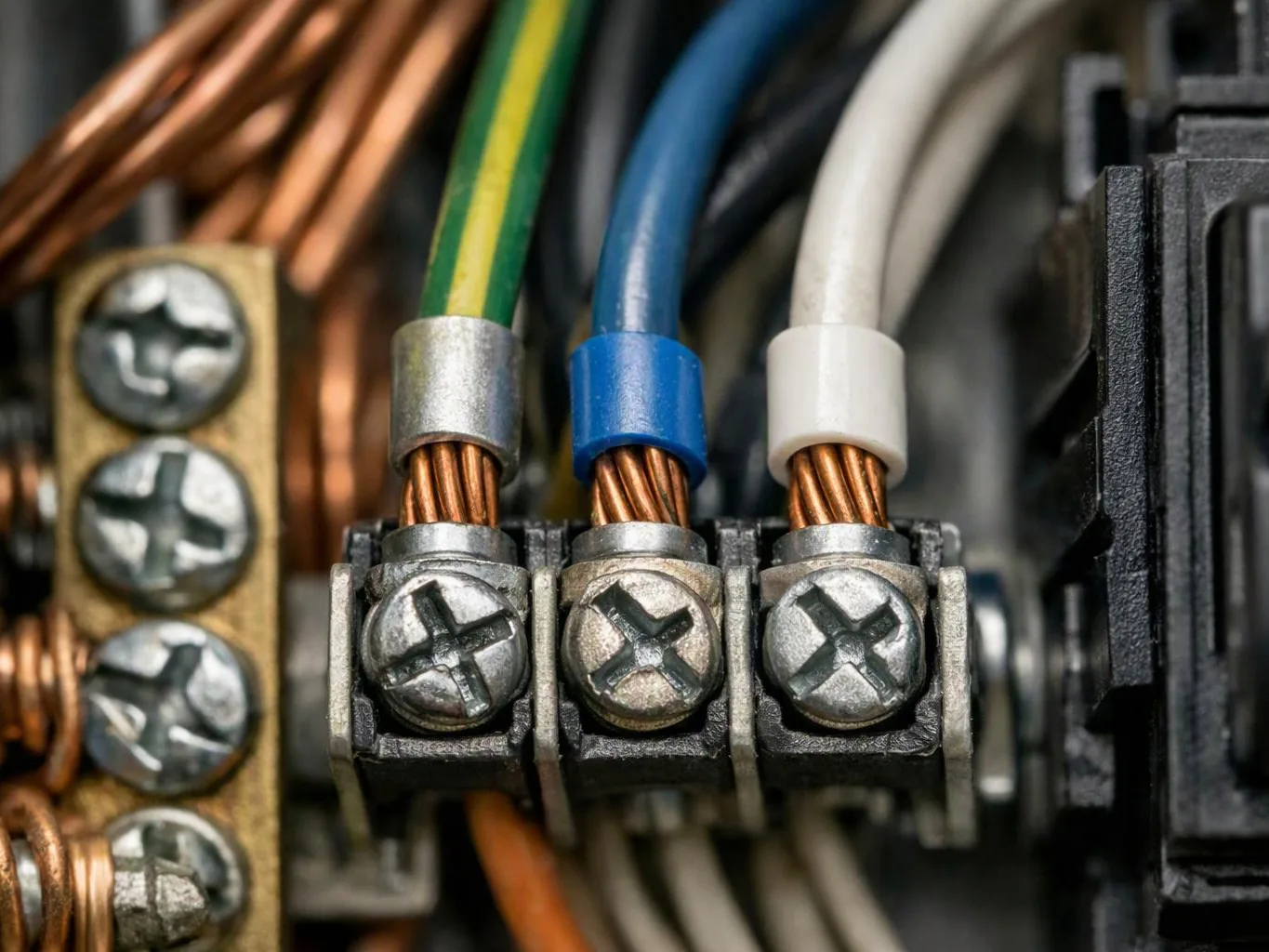
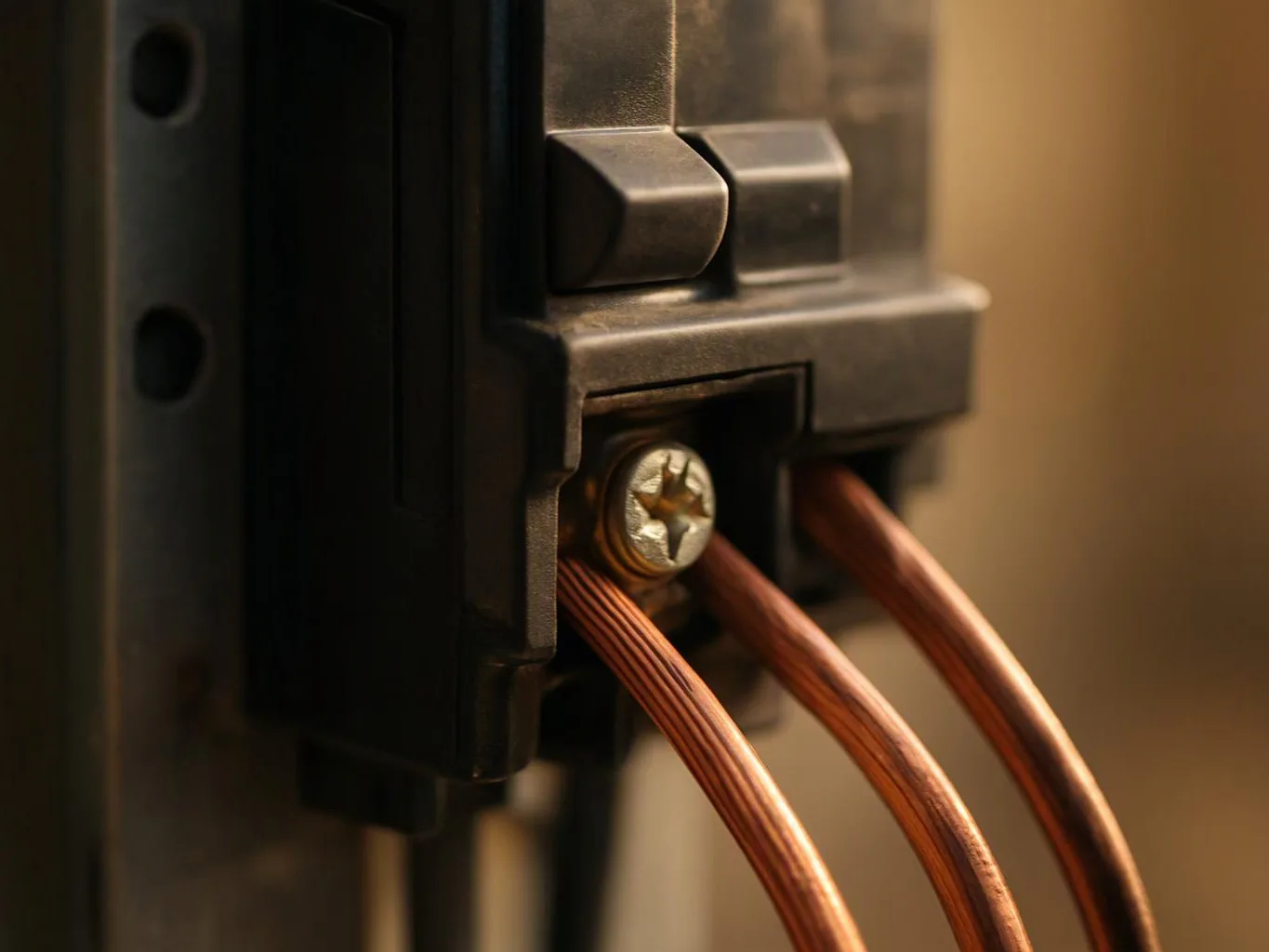
Close-up of a black electrical connector with three copper wires fastened by a screw

ZIP Codes We Serve in Roanoke, Indiana

46783

Carbon Monoxide Detector Installation in Other Areas

(260) 305-8344