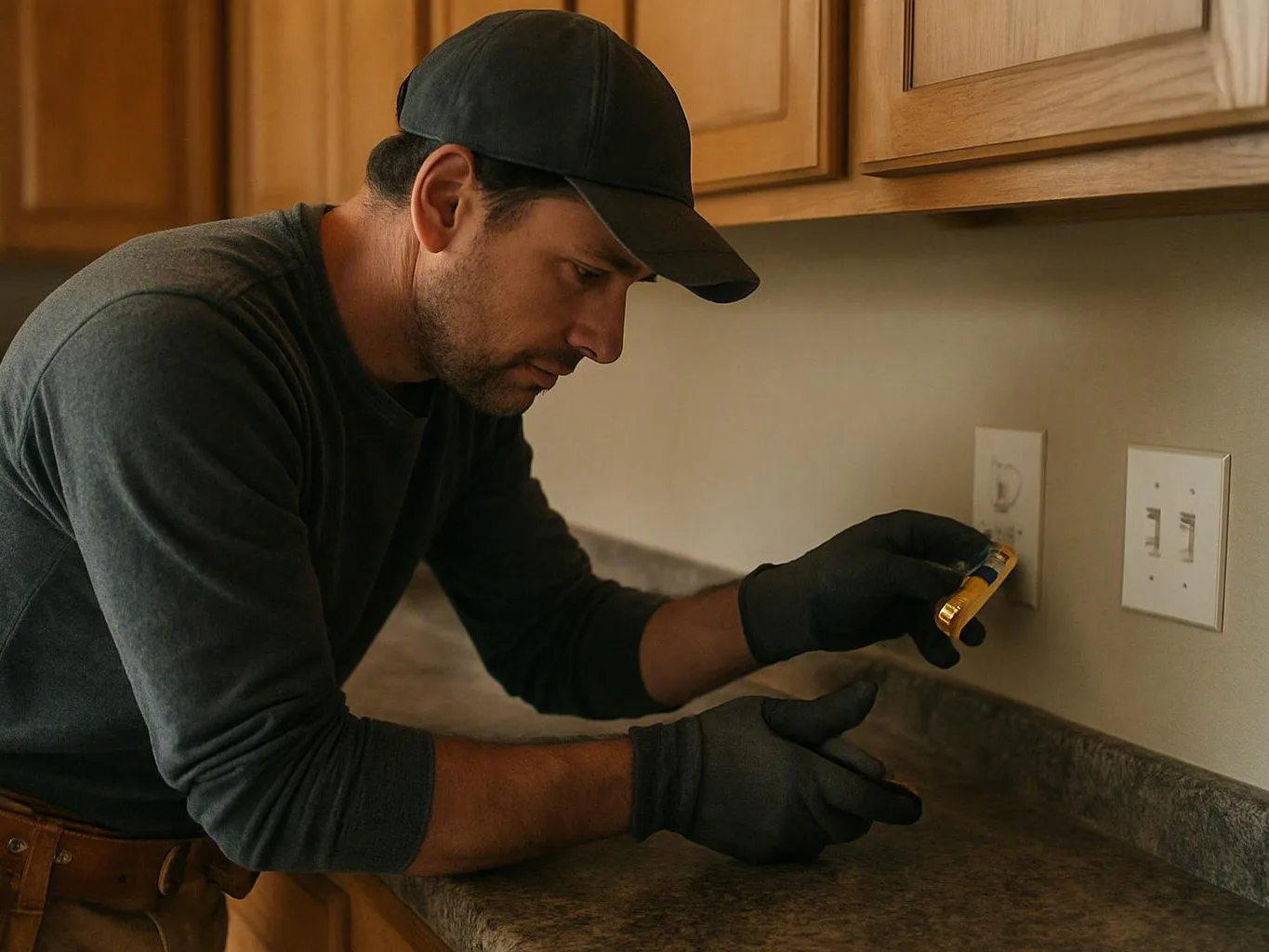
Why Part of Your Home Lost Power and When to Call an Electrician
Partial power outage repair restores power to part of your home. A tripped breaker, blown fuse, or GFCI outlet can cause this problem, so can an overloaded circuit, damaged wire, loose connection, or utility fault. Check if your neighbors have power. Look at the service panel from the outside. Reset one tripped breaker once. You can also reset accessible GFCI outlets. Don't reset breakers again and again. Don't remove panel covers or touch damaged wires. Call an electrician if power stays off or a breaker keeps tripping. Also call if outlets feel hot or you smell burning. Sparks, buzzing, and water damage need quick help.
Get a Free Estimate
Why Is Only Part of My House Without Power?
Partial power outage repair finds and fixes a power loss in part of your home. It often affects one or more branch circuits. A branch circuit carries power to a set of rooms, lights, or outlets. Common causes include a tripped breaker, blown fuse, or tripped GFCI. Overloads, loose connections, damaged wires, and utility faults can also cause power loss.
Utility power enters your home through the service entrance. It then moves to the electrical panel. Branch circuits carry power from the panel to rooms, outlets, lights, and appliances. A problem on one circuit can darken one room. Other areas may still have power.
Notice which outlets, lights, and appliances stopped working together. One room may share a circuit with an outdoor outlet or garage outlet. It may also share power with an appliance in another room. This pattern can point to a tripped breaker or GFCI outlet.
Several unrelated areas may lose power for a different reason. The main breaker, service wires, or utility power may have a fault. Don't open the panel or touch service equipment. Our team can test your home and work with the utility company when needed.
Chris Miller Electric helps homeowners choose a safe next step. Partial Power Outage Repair in Fort Wayne can include circuit tests, device checks, and repairs after we find the cause.
What Causes a Partial Power Outage?
A partial power outage starts with a fault on selected circuits. An overload, short circuit, blown fuse, or loose connection can stop power. Damaged wires, bad breakers, and utility problems can do the same. The outage pattern helps show if a reset may work.
An overloaded circuit may trip when many high-use devices run together. Space heaters, microwaves, hair dryers, air conditioners, and tools use lots of power. Unplugging some devices may lower the load. A breaker that trips again still needs professional help.
A short circuit creates an unsafe path for electricity. Damaged insulation can cause one, so can a bad appliance or a nail through a wire. A loose wire may touch another wire. An arc fault can create heat and sparks that you may not see.
Older fuse boxes stop power when a fuse opens. The replacement fuse must have the right type and rating. A larger fuse can let wires overheat. A damaged service wire or utility fault can also stop part of your home’s power.
Loose connections can cause trouble too. Heat, age, water, or poor past work can weaken them. Connections may be inside an outlet, switch, junction box, panel, or service point. Flickering lights, buzzing, warmth, and burning smells are warning signs.
Can a Tripped GFCI Cause Partial Power Loss?
Yes. A GFCI outlet, or ground-fault circuit interrupter, can shut off power to itself and nearby outlets. It acts when it senses an unsafe change in electrical flow. This helps protect people from shock. GFCI outlets are common in kitchens, bathrooms, garages, basements, laundry areas, and outdoor spaces.
Look for an outlet with “test” and “reset” buttons. Unplug devices from the affected area first. Keep your hands dry. Press the reset button once. One GFCI may control other outlets that seem far away.
Water can trip GFCI protection. Look for water near an outlet, appliance, cord, or outdoor receptacle. Don't touch wet equipment. If the button won't stay in, stop using the outlet. Do the same if it trips again or looks cracked, warm, dark, or damaged. You may need GFCI outlet repair.
Why Does My Breaker Keep Tripping During an Outage?
A circuit breaker keeps tripping when it finds an unsafe condition. This may be an overload, short circuit, or arc fault. The breaker cuts power before heat can damage wires or equipment.
One reset may be safe when the breaker is clearly tripped. The area must be dry. There should be no heat, smoke, odor, buzzing, or visible damage. Move the breaker fully OFF. Then move it on once. Leave it off if it trips again.
Unplugging devices may help find an overload. It doesn't prove the wiring is safe. A bad breaker, damaged appliance, loose connection, or arc fault may still exist. Our team can test the circuit and decide if Circuit Breaker Repair or wiring work is needed.
What Should I Check When My Neighbors Have Power but I Do Not?
If your neighbors have power, check the main breaker and individual breakers. You can also check fuses and accessible GFCI outlets. Don't remove panel covers. Look for burning odors, heat, buzzing, or visible damage. Call an electrician or utility provider if resets fail or several circuits are out.
Protect important appliances while you wait. Keep refrigerator and freezer doors closed. Don't add more devices to working circuits. Follow the maker's directions for heating equipment. Use only a properly rated backup source for medical equipment or a sump pump. Never connect.generator to a wall outlet.
A simple visit often takes about 30 to 90 minutes. The cause may take longer to find when wires are hidden. Utility work can also add time. Safe service starts with circuit testing and isolation. It then restores important loads without overloading a working circuit.
When Is Partial Power Loss an Electrical Emergency?
Partial power loss is an electrical emergency when you see smoke or sparks. Burning smells, hot outlets, buzzing, and water near electrical equipment also need quick help. Repeated breaker trips are another warning. Stop using the affected circuits. Keep people away. Call an electrician. Leave the home and call emergency services if there's a fire or immediate danger.
Don't use affected circuits until we find the cause. Our 24/7 Emergency Electricians can assess urgent problems. Emergency services should handle fire, active smoke, or threats to life.
How an Electrician Diagnoses and Repairs Partial Power Loss?
An electrician starts by noting which circuits lost power. The electrician tests voltage and checks breakers, fuses, and GFCI protection. They also look for loose or damaged wires. The repair may involve Circuit Breaker Repair, fuse replacement, GFCI outlet repair, or electrical wiring repair. A final test confirms safe operation.
We ask which rooms, lights, outlets, and appliances stopped working. We also ask if the outage comes and goes. This map helps separate a single circuit problem from a service fault. We check whether utility power reaches the home. We also check for a reported utility outage.
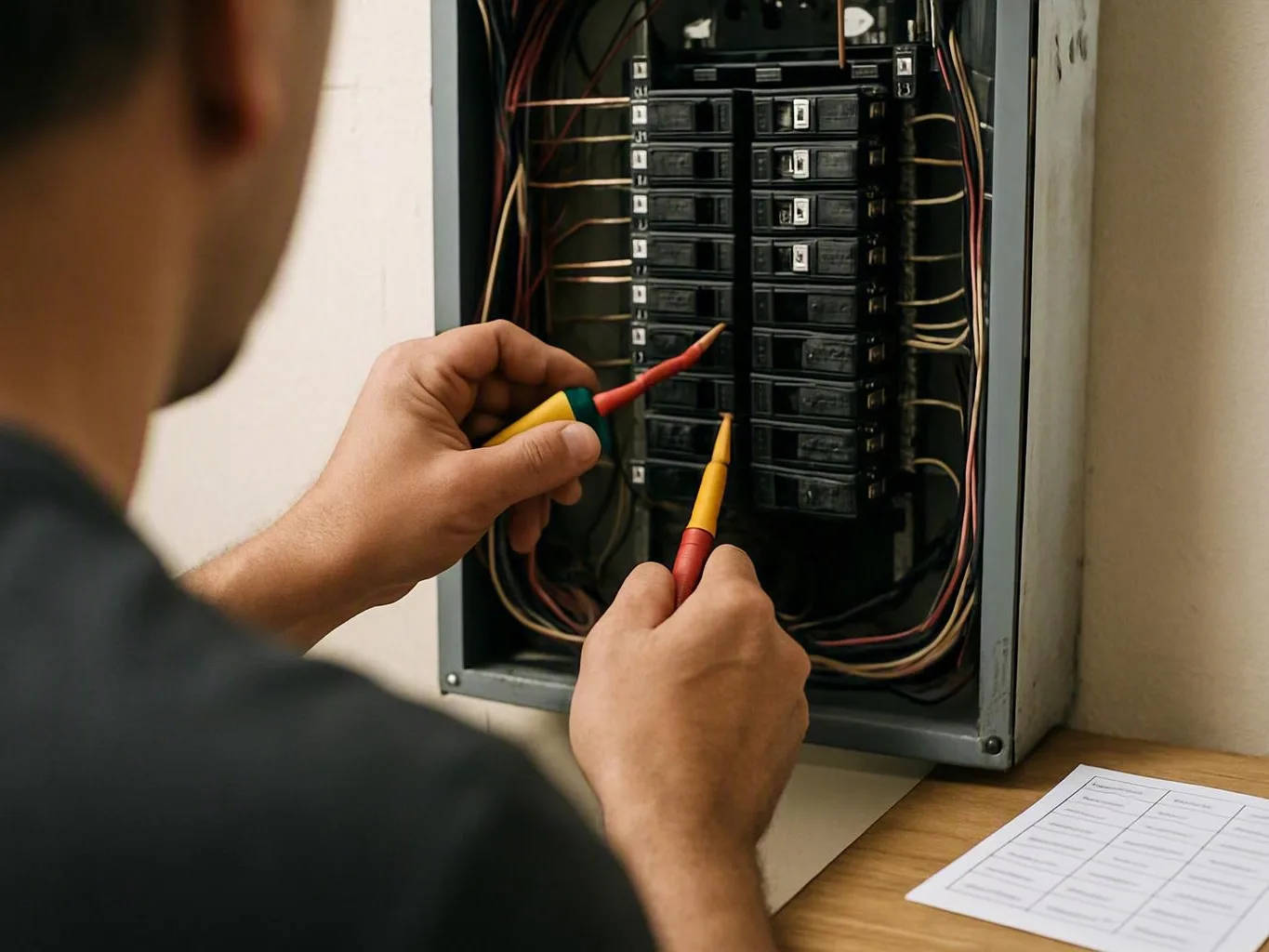
Voltage tests show where power stops. The technician may check the panel, wires, outlets, switches, and GFCI devices. We use proper tools and safe methods. Homeowners shouldn't remove panel covers or test live wires.
A failed protective device needs the correct replacement. Circuit breaker repair may include a new breaker. We first confirm the circuit can use that breaker. Fuse replacement applies to fuse systems. We also find out why the fuse opened.
Electrical wiring repair may fix loose terminals, hot splices, or damaged insulation. It may also fix failed junctions or water-damaged wires. We isolate the problem and make a safe repair. We check connected equipment for damage.
Before we leave, we test the repaired circuit under its normal load. We check that protective devices work properly. We also check outlets and fixtures. Utility help may be needed for a damaged service wire, transformer, meter, or outside component.
What Homeowners Need from Partial Power Outage Repair?
Homeowners need repairs that restore power safely. The service should find the real cause and help prevent another outage. It should explain the problem and address damaged breakers, fuses, GFCI devices, or wiring. The repaired circuit should support its normal electrical load.
Safety comes first. Power comes next. Ask what failed and which circuits were shut off. Ask what parts were repaired and if the utility company must help. Clear answers help you avoid unsafe outlets and overloaded circuits.
Our team also considers key appliances. Refrigerators, heaters, medical devices, and sump pumps may need priority. Temporary power must match the equipment rating. Never power a home through a wall outlet. Never make an unsafe connection.
Why Homeowners Need This Service?
Key Features That Matter
Common Challenges Homeowners Face
We explain when service is available and what happens next. We also explain limits caused by utility equipment or unsafe conditions. The goal is safe power that lasts. You should also understand what we repaired.
Questions About 24/7 Emergency Electricians
How Do I Fix a Partial Power Outage in My House?
Check if neighbors have power. Look at visible breaker positions. Reset one clearly tripped breaker once. Reset accessible GFCI outlets. Don't remove panel covers or touch damaged equipment. Call an electrician or utility provider if power stays off, several circuits are out, or warning signs appear.
Can a Bad Breaker Cause Only Part of a House to Lose Power?
Yes. A bad breaker can shut off one circuit or several circuits. The rest of the home may still work. A hot or damaged breaker needs testing. A breaker that won't reset or trips again may need replacement.
How Do I Know if the Outage Is from the Utility or My Electrical System?
Ask neighbors if they have power. Check the utility provider's outage information. If only your home is affected, the fault may be inside your electrical system. If several homes are affected, the utility may need to investigate. The same applies when outside service equipment is damaged.
Is It Safe to Reset a Tripped Breaker?
It can be safe to reset a clearly tripped breaker once. The area must be dry. There should be no heat, smoke, odor, buzzing, or visible damage. Turn it fully OFF, then on once. Leave it off if it trips again. Call an electrician.
How Much Does It Cost to Repair a Partial Power Outage?
The cost depends on the cause, access, parts, and wiring condition. Utility work may also affect the price. A simple device replacement costs less than hidden wiring or service work. A professional should find the fault and explain the repair first.
If part of your home has no power, our team can find the fault. We can protect key loads and restore service safely. Contact us to discuss the problem and plan the next step.
Request electrical serviceRelated Resources
How Much Does an Emergency Electrician Cost in Fort Wayne?
emergency electrician cost Fort Wayne IN
What It CostsCircuit Breaker and Fuse Replacement: What It Costs and How It Works
circuit breaker replacement cost emergency electrician
Compared ToEmergency Electrician vs. Regular Electrician: Which Service Do You Need?
emergency electrician vs regular electrician
Compared ToElectrical Panel Repair vs. Replacement: Cost, Options, and Timing
electrical panel repair vs replacement cost