What to Do If an Outlet, Switch, or Appliance Gives You a Shock
Electrical shock from an outlet, switch, or appliance often shows a fault. Damaged insulation, poor grounding, moisture, or loose wiring can cause it. Stop using the device. Move away without touching exposed wires. Turn off the circuit breaker if you can do so safely. Get emergency medical care for breathing trouble, chest pain, burns, confusion, fainting, or lasting shock feelings. A qualified electrician should check the outlet, switch, wiring, appliance, and GFCI before use.
Get a Free EstimateWhat Should You Do After an Electrical Shock?
Electrical shock needs quick care, even when it feels mild. Stop using the outlet, switch, appliance, or circuit. Don't touch exposed wires. Disconnect power only if you can do so safely. Arrange a professional check before using the area again.
Move away without grabbing the appliance, metal pipes, or another person. That person may still carry live current. Keep children, older adults, renters, and pets away. If you can't find the right circuit breaker, don't guess. Leave the area and ask for help.
Chris Miller Electric provides a qualified electrician for safe checks and repairs. Our team may inspect the receptacle, light switch cord, ground wire, and nearby wiring. The outlet you can see may not cause the fault.
Stay away from wet equipment in kitchens, bathrooms, laundry areas, and outdoors. Don't touch water near the equipment. Don't reset a breaker again and again. A basic check may take 30 to 90 minutes. The time depends on access and the fault. Repairs may include Outlet Repair, GFCI work, appliance replacement, or wiring repair.
Why Does My Outlet Give Me a Small Shock?
A small shock may come from static, poor grounding, damaged insulation, moisture, reversed wiring, or a faulty device. A quick tingle doesn't prove the outlet is safe. Repeated shocks need a shut-off circuit and a professional check.
Static electricity often feels like one quick snap. It may happen after walking on carpet. It usually doesn't happen again when you touch the same item. A faulty outlet may tingle each time you touch it. The same may happen with an appliance, switch plate, or metal case.
Missing grounding removes a safer path for fault current. Reversed polarity, loose wires, and neutral problems can also cause shocks. Moisture makes shocks more dangerous. Water can make it easier for current to pass through your body.
Don't touch the outlet again to test it. Unplug the appliance only when your hands and the plug are dry. Stop if the equipment looks damaged. A faulty appliance may need replacement. Our crews can test the device and the wiring.
What Signs and Symptoms Can an Electrical Shock Cause?
Electric shock symptoms can range from mild to severe. Serious harm can happen even without visible skin damage. Get medical advice after any troubling contact. This matters more when current may have crossed the chest.
- Skin burn, redness, blisters, or a small entry or exit mark
- Muscle spasm, weakness, loss of movement, or trouble letting go
- Numbness, tingling, pain, or a lasting electrical jolt
- Chest pain, a fast or uneven heartbeat, or faintness
- Breathing trouble, confusion, seizure, or loss of consciousness
- Headache, vision changes, or unusual tiredness after contact
Call emergency services for breathing trouble, chest pain, severe burns, confusion, fainting, seizure, or an odd heartbeat. Never touch someone still connected to power. Shut off the source first.
What Should You Do if a Light Switch Shocks You?
A light switch that shocks you is unsafe. Stop using it and keep others away. Turn off its circuit at the panel only when safe. Don't touch damaged equipment. Don't remove the cover plate. An electrician should check the switch box and wires.
A loose terminal can cause a light-switch shock. Damaged insulation or poor grounding can also cause one. The fault may sit elsewhere on the circuit. Someone may ask about Outlet Repair in Fort Wayne. The same safety steps apply in any home. 24/7 Emergency Electricians help may fit when the switch is hot, wet, sparking, or still dangerous.
When Is an Electrical Shock an Emergency?
An electrical shock is an emergency after fainting, breathing trouble, chest pain, or an uneven heartbeat. It also needs urgent help after a seizure, burn, confusion, or severe weakness. Call emergency services when a person can't release the source. Shut off power only when safe.
Call for medical care after high-voltage contact or a fall from a shock. Get help after a burn or contact near water. This includes tubs, sinks, wet floors, and outdoor equipment. A small burn may still need medical care. Don't put ice, ointment, or tape on a serious burn.
Don't grab someone who still touches the power source. Shut off the breaker or main disconnect if you can reach it safely. Don't enter water or touch damaged equipment. Wait for trained responders when you can't isolate power.
Leave the circuit off after the person is safe. Medical staff treat the person. A qualified electrician treats the electrical danger. A reset breaker doesn't prove the system is safe.
Can a Faulty Outlet Cause Electric Shock?
A faulty outlet can cause electric shock. Loose terminals, damaged wires, poor grounding, moisture, cracks, or reversed polarity can expose live current. Heat, buzzing, stains, sparks, and tripped breakers raise the risk. Stop using the receptacle and schedule a check.
A loose connection can create heat inside the box. It may also cause arcing, which is an unsafe electrical spark. Scorch marks and a burnt smell may follow. A damaged receptacle may not hold a plug tightly.
The fault may sit in the wiring before the outlet. A loose neutral or broken ground can affect more than one device. A wrong connection in another box may cause the same issue. Don't rely on one plug-in tester for a complex fault.
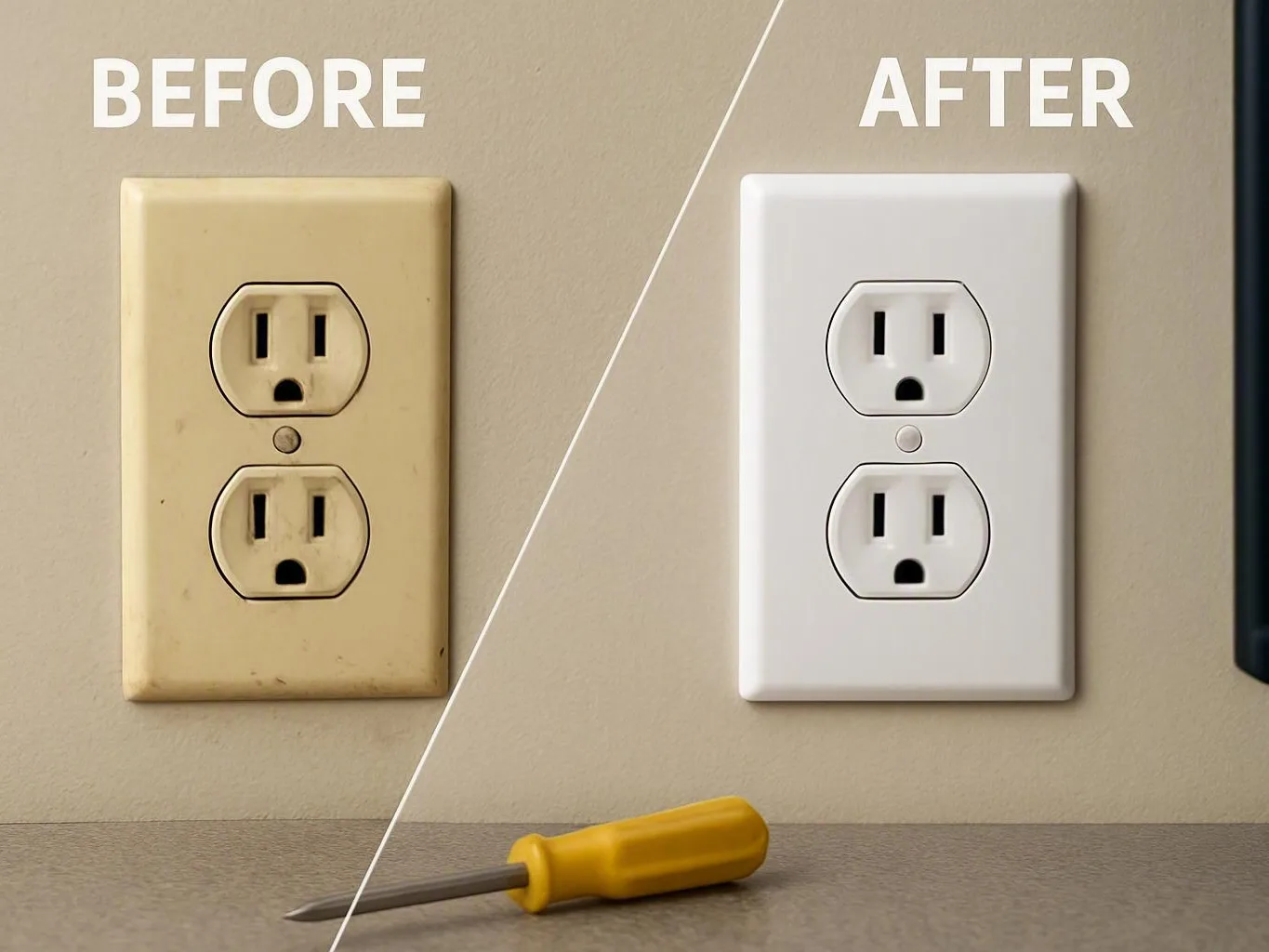
Outlet Repair may help with a cracked, loose, burned, or worn receptacle. GFCI Outlet Repair or installation may help in wet areas. Damaged cable or wider ground problems may need electrical wiring repair.
What Common Problems Cause Shocks from Outlets, Switches, or Appliances?
Common causes include ground faults, wrong wiring, loose terminals, and damaged cords. Worn insulation and water exposure can also cause shocks. The source may be the outlet, switch, appliance, or nearby wiring. Testing matters because the shock site may not be the fault site.
Unplug an appliance only when the plug and your hands are dry. Stop using frayed cords, cracked plugs, or burned parts. Also stop if a metal appliance gives you a shock. Replacement may be safer than repair.
Does a GFCI Prevent All Electrical Shocks?
A GFCI lowers shock risk by cutting power when it finds an imbalance. It doesn't prevent every shock. It may not stop line-to-line contact, some wiring faults, or every equipment failure. Test and repair GFCI protection often.
A GFCI outlet is a ground-fault circuit interrupter. It compares current leaving and returning through a circuit. When the amounts differ, it trips quickly. This limits the time a person faces live current. GFCI protection matters near sinks, tubs, garages, and outdoor areas.
Press the test button as the maker instructs. Then press reset to restore power. If it won't reset, trips often, feels hot, or looks damaged, leave it off. Request GFCI Outlet Repair. Don't replace it with a standard outlet just to stop trips.
GFCI protection doesn't fix reversed polarity, loose wires, or damaged insulation. It also doesn't trip for every type of contact. A professional check should review the device, wire connections, grounding, and equipment.
How Can You Prevent Future Electrical Shocks?
Good equipment and dry conditions help prevent electrical shocks. Working safety devices also matter. Get a prompt check after any shock. These steps don't replace needed repairs.
- GFCI installation in wet or damp areas, with regular test-and-reset checks
- Outlet repair for cracked, loose, hot, buzzing, stained, or sparking receptacles
- Check appliance cords and plugs. Replace damaged cords or unsafe appliances.
- Keep hands, floors, and receptacles dry. Use outdoor-rated equipment outdoors.
- Schedule an electrical check after a shock, remodel, flood, or repeated trip.
Use child-safe covers when needed. Don't overload power strips. Never hide cords under rugs. Renters should tell the property manager and stop using the circuit. People who can't reach the panel safely should call trained help.
Questions About 24/7 Emergency Electricians
Why Does My Outlet Give Me a Small Shock?
A small shock may come from static, moisture, poor grounding, reversed polarity, or damaged insulation. A loose wire or faulty appliance may also cause it. Don't touch the outlet again. Stop using the circuit and arrange an electrical check.
What Should I Do if a Light Switch Shocks Me?
Stop using the switch and keep people away. Turn off its circuit at the panel only when safe. Don't remove the cover plate.
Can a Faulty Outlet Cause Electric Shock?
Yes. A cracked outlet, loose terminal, damaged wire, poor grounding, moisture, or reversed polarity can expose live current. Heat, buzzing, sparks, stains, and tripped breakers are warning signs.
Does a GFCI Prevent All Electrical Shocks?
No. GFCI protection lowers risk by stopping some ground-fault current. It can't stop every contact or fix every wiring problem. Test the device and request repair if it won't reset or trips often.
When Is an Electrical Shock an Emergency?
Call emergency services for breathing trouble, chest pain, an uneven heartbeat, severe burns, confusion, seizure, or fainting. Also call when someone can't release the source. Don't touch anyone still connected to power.
Leave the affected circuit off until our team checks it. We'll explain the safest repair path. Use the contact form for help with an outlet, switch, appliance fault, GFCI protection, or wiring concern.
Related Resources
How Much Does an Emergency Electrician Cost in Fort Wayne?
emergency electrician cost Fort Wayne IN
What It CostsCircuit Breaker and Fuse Replacement: What It Costs and How It Works
circuit breaker replacement cost emergency electrician
Compared ToEmergency Electrician vs. Regular Electrician: Which Service Do You Need?
emergency electrician vs regular electrician
Compared ToOutlet Repair vs. Replacement: Costs, Safety, and What to Expect
outlet repair vs replacement cost electrician