Protecting Your Home From Power Surges and Outages
Home electrical backup and surge protection options serve different needs. Whole-house surge protectors limit short voltage spikes. Standby generators and battery energy storage systems provide power during outages. A layered plan can protect appliances, electronics, panels, and key circuits. Choose equipment based on outage length, power needs, fuel supply, battery size, transfer gear, space, and upkeep. A professional review can find panel limits, grounding issues, generator size needs, battery faults, and the right setup for your home.
Get a Free Estimate
Chris Miller Electric helps homeowners plan home power protection as one complete system. Our team can review refrigerators, sump pumps, heating and cooling gear, medical devices, home offices, and other key loads.
Our services may include surge protection, backup-power planning, electrical inspections, and repair advice. Households can also contact 24/7 Emergency Electricians when a sudden electrical issue creates an urgent safety risk.
Why Homes Need Surge Protection and Backup Power?
Surge protection and backup power address different home risks. Surges can harm electronics, appliances, and panels. Outages can stop refrigerators, medical gear, sump pumps, phones, and heating systems. A layered plan helps with both short surges and long outages.
Families should also consider comfort, safety, and food storage. A short outage may only need electronics protection. A longer outage may need power for selected appliances. An electrical inspection can find weak links, tight panel space, or grounding issues before installation.
What Does a Whole-House Surge Protector Protect Against?
A whole-house surge protector helps protect connected circuits from short voltage spikes. These spikes may come from utility switching, nearby lightning, or other electrical events. Installed near the panel, it sends extra voltage toward the grounding system. It lowers risk, but it can't stop every surge.
A surge protective device limits energy moving through home wiring. Utility work, system faults, and nearby lightning can cause voltage spikes. A direct lightning strike may exceed common home protection. No device should be called a guarantee.
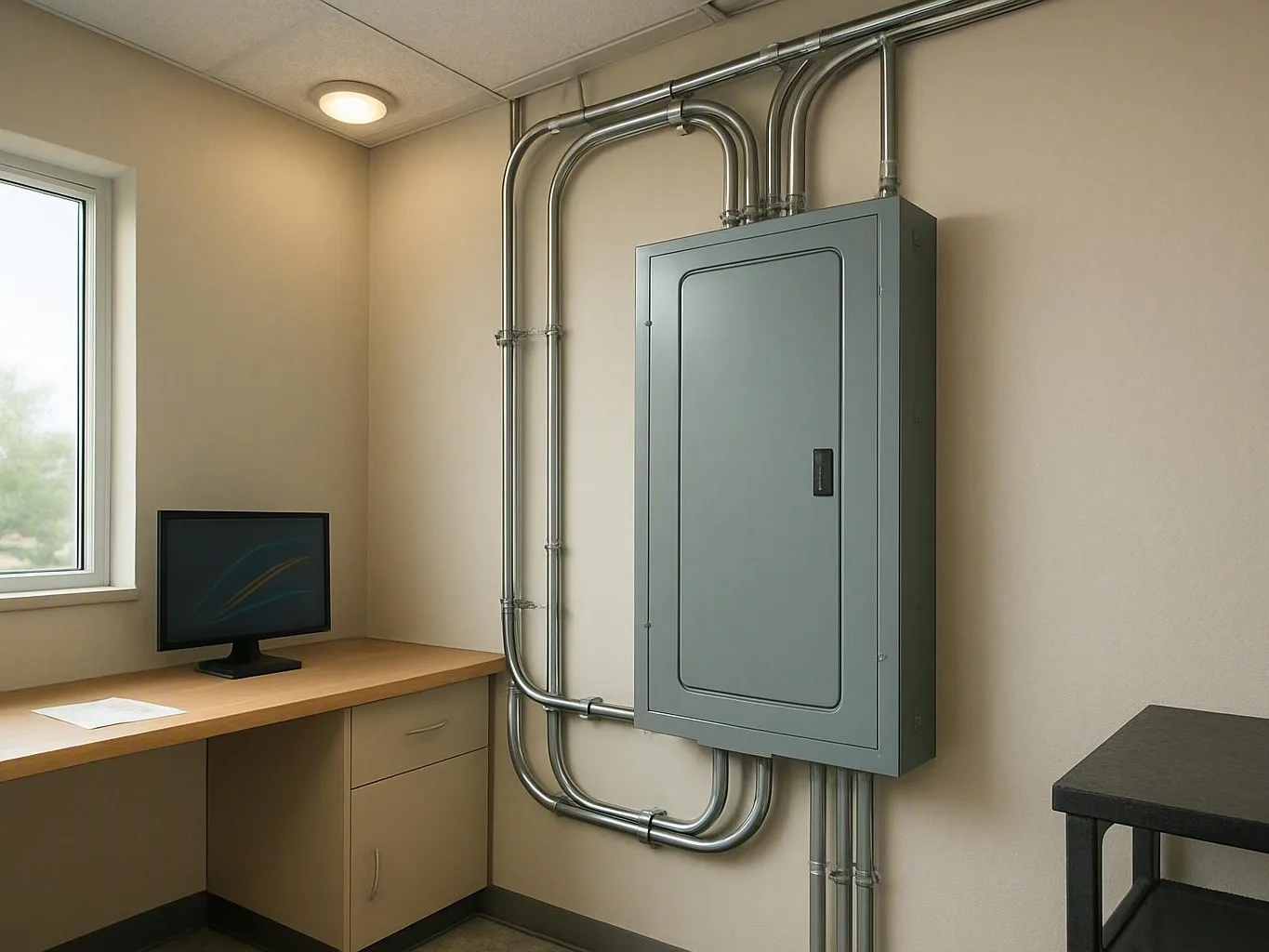
Installation depends on the panel, service gear, breaker space, wire paths, and grounding system. The protector must connect to the panel and ground correctly. Poor grounding, loose wires, or an old panel can reduce its value.
Point-of-use protectors can still help computers, TVs, and office gear. They add another layer of protection. Some phone, cable, and data lines may need separate protection.
Whole-House Surge Protector Installation should include an inspection, proper breaker protection, secure wires, labels, and testing. Our team can explain what the device covers and what it doesn't cover. We can also say when panel or grounding work should come first.
Is a Whole-House Surge Protector Worth It?
A surge protective device is often useful in homes with costly electronics and appliances. It can also help protect smart devices and gear affected by voltage changes. Its value depends on proper size, installation, grounding, and other protection. It lowers risk, but it can't prevent all lightning damage.
Most homes don't need the same protection on every circuit. A panel protector can work with listed plug-in protectors. The best choice also depends on panel size and service condition. Solar gear, a generator, or a battery system may affect the plan.
An inspection often takes one to two hours. The time depends on access and system size. This range is only an example. Recommendations should follow an electrical review.
Can a Surge Damage an Electrical Panel?
A surge can damage an electrical panel by stressing or overheating breakers, busbars, wires, and service gear. Burn marks, buzzing, strange smells, repeated trips, flickering lights, or failed equipment need prompt inspection. A surge protector limits some energy, but a damaged panel may need repair or replacement.
Extra voltage can harm breaker parts and heat terminal connections. It can also damage the panel busbar. Main service gear may show stress too. Damage isn't always easy to see. No burn marks doesn't prove the panel is safe.
After a serious event, don't remove the panel cover or touch marked wires. Turn off equipment only if it's safe. Arrange an inspection if lights flicker, breakers keep tripping, or equipment acts oddly. A qualified electrician can test the system and suggest repairs.
Generator or Battery Backup: Which Fits Your Home?
A standby generator makes power from fuel while fuel lasts. A battery backup stores power and sends it through an inverter during an outage. Generators often run longer and support larger loads. Batteries run quietly and may work with solar. Your choice depends on load, outage time, space, and upkeep.
| Option | How it works | Often fits | Key limits |
|---|---|---|---|
| Standby generator | Uses fuel and an engine to make electricity. | Long outages, large loads, heating, cooling, refrigeration, and pumps. | Noise, fuel supply, airflow, clearances, and regular service. |
| Battery energy storage system | Stores power and sends it through an inverter when utility power fails. | Quiet use, key loads, solar pairing, and short outages. | Stored power, recharge time, heat limits, space, and battery age. |
| Portable backup equipment | Provides limited power through approved connection methods. | Temporary use for selected appliances. | Manual setup, low output, refueling, and unsafe backfeed risks. |
An automatic transfer switch moves selected circuits to backup power. It moves them back after utility power becomes steady. The switch must match the source, panel, and chosen loads. Generators may need more fuel planning. Batteries may need controls that limit high-demand equipment.
Our team can perform a load calculation before you choose. It checks normal use and motor-start needs. Refrigerators, pumps, air conditioners, furnaces, medical gear, and offices may not fit one system. Many homes power key circuits instead of every outlet.
Standby Generator Installation must cover fuel lines, exhaust, clearances, grounding, panel space, testing, and upkeep. Battery installation needs proper space, disconnects, safe temperatures, inverter fit, and access. The panel may need changes before either system can connect.
Why Is My Home Battery System Not Working?
A home battery system may stop working because of low charge, an inverter fault, a link problem, a wrong mode, a tripped disconnect, heat protection, or a transfer-switch issue. Check the display for an error code. Follow the maker's guide. Get qualified service before opening the unit.
Heat protection, software settings, storm damage, and battery age can also cause trouble. A guide may allow a basic restart. Repeated faults still need service.
Emergency battery energy storage repair may need special tools and maker-approved steps. Our team can find the fault in the battery, inverter, disconnect, transfer gear, wires, or panel.
How to Choose and Install a Complete Home Power Protection System?
A complete home power protection system starts with a load review and panel check. An electrician can match surge protection, generator size, battery storage, transfer gear, and panel work to your home. Proper work also includes grounding, disconnects, clearances, testing, labels, and upkeep.
First, list the appliances that must run during an outage. These may include refrigeration, pumps, heating, cooling, medical devices, security gear, internet equipment, and an office. This list supports the load review and key-circuit plan.
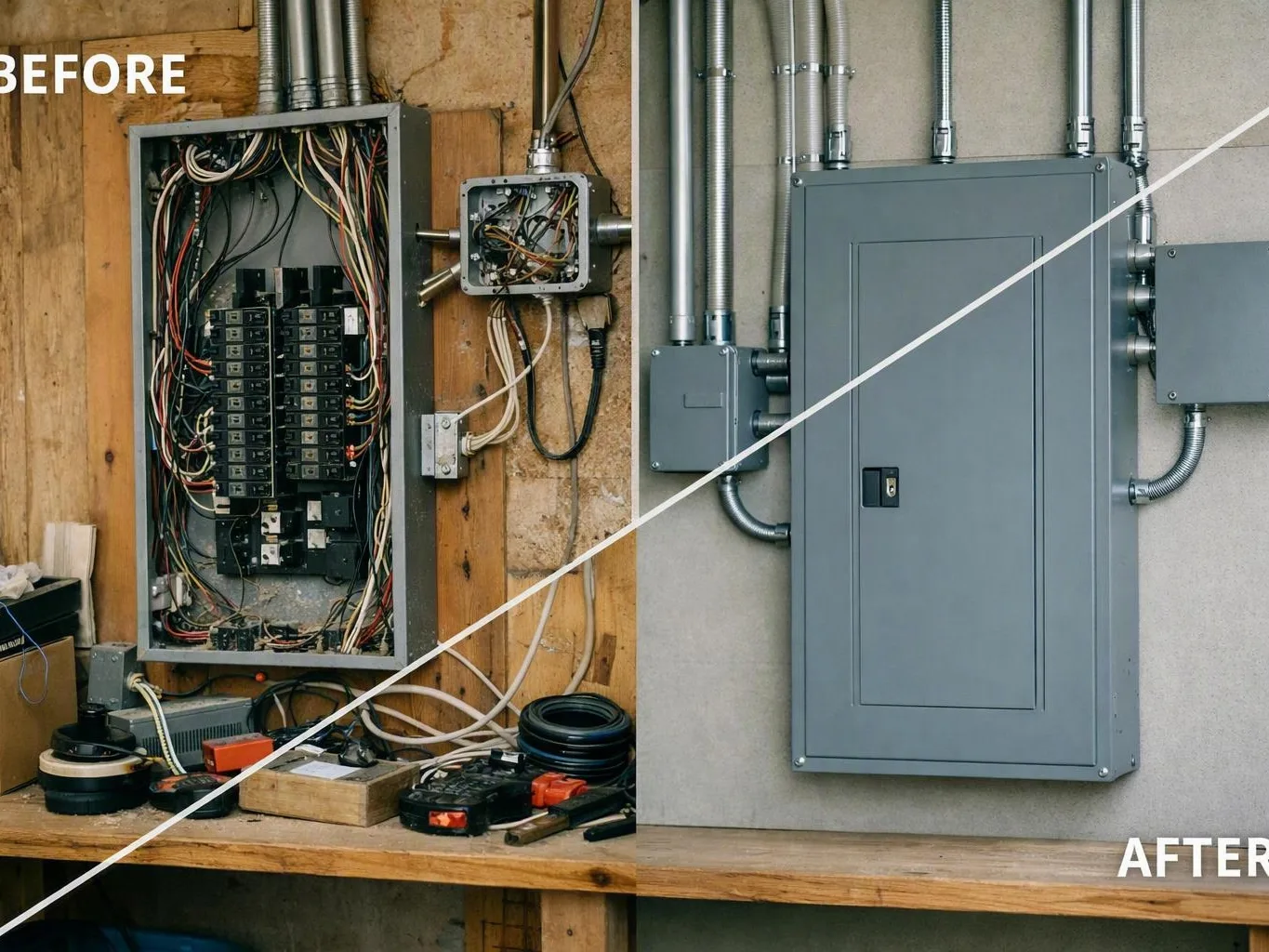
Next, check panel space, service size, breakers, busbar condition, wiring, and grounding. An old or damaged panel may not safely take new equipment. Electrical panel replacement may be needed first.
Installation space matters too. A generator needs safe placement, fuel access, exhaust control, clear space, weather cover, and transfer gear. A battery needs a proper location, safe temperature, disconnect access, and room for checks.
Whole-house surge protector installation should work with plug-in protection and the grounding path. Standby generator installation should include transfer tests. Battery setup should check charging, backup circuits, monitoring, and fault response.
Most projects include inspection, design, equipment choice, installation, testing, and homeowner training. The schedule depends on panel work, equipment, access, and needed repairs. Upkeep may include generator service, battery checks, and surge-device checks.
Homeowners can list priorities, read a display, record an error, and report symptoms. A qualified electrician should handle panel work, grounding, generators, transfer gear, and battery repairs. Our crews can explain safe options for your home.
Common issues include tight panel space, old service gear, high startup loads, poor grounding, small install areas, and unclear priorities. Solving these issues early helps avoid unsafe or weak systems.
Questions About 24/7 Emergency Electricians
What Does a Whole House Surge Protector Protect Against?
A whole house surge protector helps limit short voltage spikes from utility switching, nearby lightning, and other electrical events. It can lower risk to circuits, appliances, and electronics. It can't stop every surge or guarantee safety from direct lightning.
Is a Whole House Surge Protector Worth It?
It is often useful for homes with costly appliances, computers, smart devices, or medical gear. Its value depends on proper size, grounding, panel condition, installation, and other protection.
What Is the Difference Between a Generator and Battery Backup?
A generator makes power from fuel and can run through a long outage. A battery backup stores power and sends it through an inverter. Batteries run quietly and may work with solar. Generators often support larger loads for longer periods.
Why Is My Home Battery System Not Working?
Possible causes include low charge, an inverter fault, a tripped disconnect, heat protection, a mode setting, a link problem, or a transfer-switch issue. Check the display for an error code. Use qualified service for lasting faults or internal work.
Can a Surge Damage an Electrical Panel?
Yes. A surge can stress or overheat breakers, busbars, wires, and service gear. Burn marks, buzzing, strange smells, repeated trips, flickering, or failed equipment need inspection. Don't remove the panel cover.
If you're unsure about surge protection, a generator, battery storage, or panel work, our team can review your system. We'll explain safe next steps and realistic loads for your home.
Contact our electrical team to discuss a home power protection plan.
Related Resources
Electrical Panel Repair vs. Replacement: Cost, Options, and Timing
electrical panel repair vs replacement cost
Compared ToGenerator Repair vs. Replacement: Costs, Timing, and Options
generator repair vs replacement cost
Compared ToWhole-House Surge Protection: Installation Cost and Options
whole house surge protector installation cost
How It WorksElectrical Code Corrections: What the Electrician Fixes and How Long It Takes
electrical code corrections cost electrician