Whole-House Surge Protection: What to Consider Before Installation
Whole-house surge protection is selected by reviewing the electrical panel, grounding and bonding, surge exposure, and connected equipment. Chris Miller Electric checks those conditions, explains the suitable protection option, and provides a free estimate before installation.
Get a Free EstimateWhat Does Whole-House Surge Protection Do?
Whole-house surge protection is an electrical safety device that diverts excess voltage away from a home's wiring and connected equipment.
A voltage surge can enter through the electrical service and affect the electrical system, appliances, and electronics. A panel-mounted surge protector provides a centralized layer of protection for equipment connected to branch circuits.
We review the home's service and connected loads before recommending a whole-home surge protector. Our team can explain how the proposed surge protective device fits the existing system.
What Should You Check Before Installation?
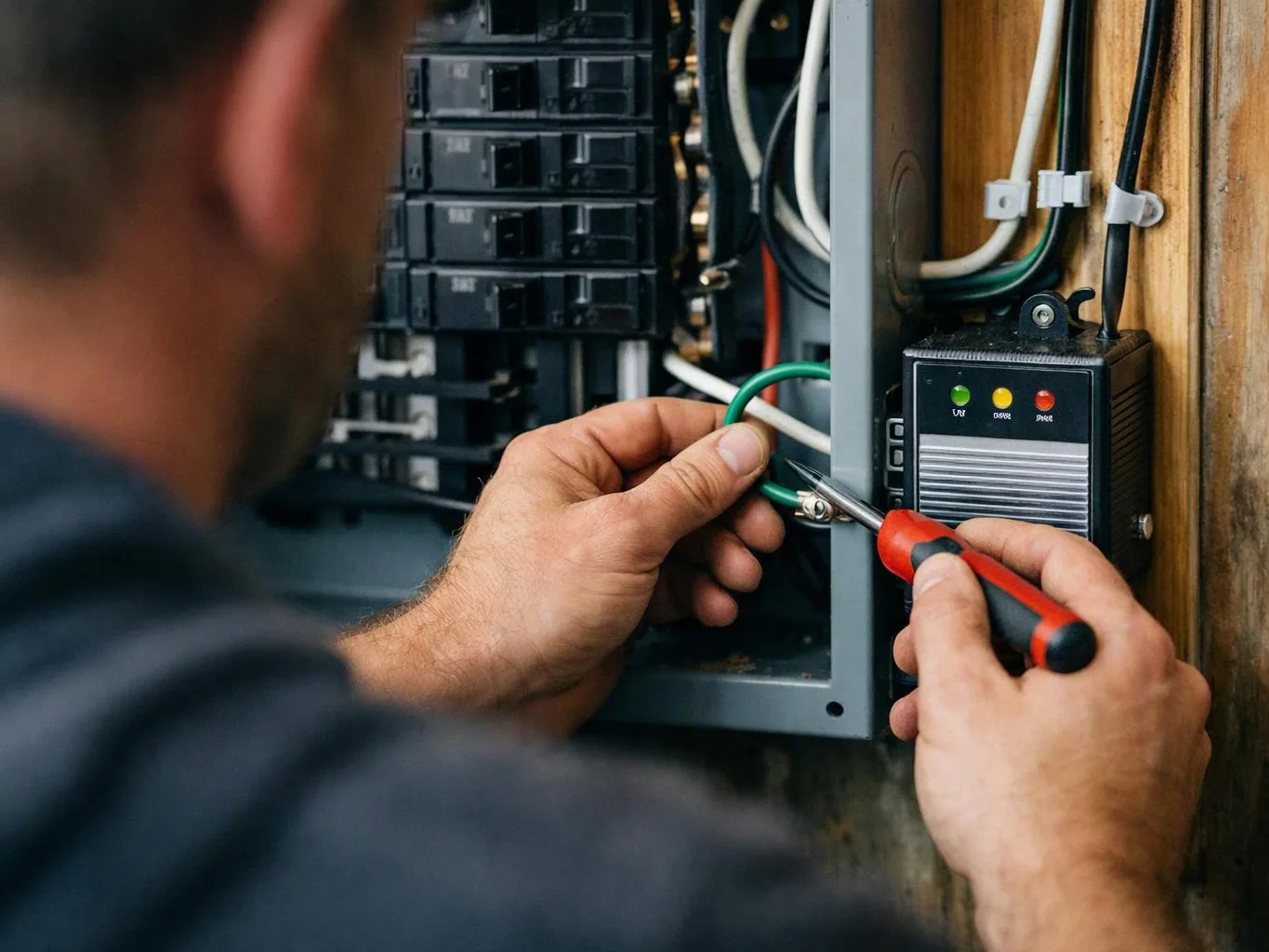
Before installing whole-house surge protection, we check the electrical panel, grounding and bonding, service equipment, available space, and the home's exposure to damaging surges.
These checks show whether the existing panel can accept the device without creating a panel or service problem. We include needed grounding or panel work in the installation scope when the inspection identifies it.
How Do Whole-House and Point-of-Use Protection Compare?
Whole-house protection covers surges entering through the home's electrical service, while point-of-use protection adds localized coverage near individual devices.
Each option serves a different part of the home electrical system. We can review both layers when sensitive electronics or connected appliances need added consideration.
| Factor | Whole-house surge protection | Point-of-use surge protection |
|---|---|---|
| Location | Electrical panel or service equipment | Receptacle or surge-protective power strip |
| Coverage | Broad coverage for connected equipment throughout the home | Localized protection for connected equipment nearby |
| Cost consideration | May be higher when panel, grounding, or service work is included | Usually involves a smaller equipment scope, but coverage remains localized |
| Maintenance | Check the device indicator and panel condition | Check the device indicator, cord, receptacle, and connected load |
| Best fit | Homeowners seeking centralized coverage | Sensitive electronics needing localized protection |
Whole-house and point-of-use protection can work together when the panel and grounding system support the installation. We explain the trade-offs based on your connected equipment and installation priorities.
What Are the Advantages of Whole-House Surge Protection?
Whole-house surge protection provides a centralized layer of defense for electrical equipment connected throughout the home.
Best for: Homeowners seeking broad protection at the electrical service point.
What Are the Advantages of Point-of-Use Surge Protection?
Point-of-use surge protection adds localized protection for devices connected at a specific receptacle or power strip.
Best for: Sensitive equipment that needs an additional layer of localized protection.
When Does an Electrical Panel Upgrade Affect Surge Protection?
An electrical panel upgrade may affect surge protection when the existing panel lacks compatible space, capacity, or suitable equipment for the installation.
An older breaker panel may also contain obsolete electrical equipment or have service limitations that change the installation scope. We inspect panel compatibility before selecting a surge protective device.
When an upgrade is needed, we explain how the electrical panel upgrade relates to surge protection and service capacity. Our team can coordinate the protection work with the broader panel plan.
What Changes the Cost of Whole-House Surge Protection?
The cost of whole-house surge protection changes with the electrical panel condition, service configuration, grounding work, accessibility, and any required panel upgrade. We explain the work included in the estimate, and Free Estimates Available from Chris Miller Electric.
A straightforward installation may have a different scope from work that requires grounding and bonding corrections or changes to the service equipment. We review those factors in person so the estimate reflects the actual electrical system.
Our Whole-House Surge Protection service is planned around panel compatibility, connected equipment, and the work needed to complete the installation safely.
How We Plan a Whole-House Surge Protection Installation
Our installation plan begins with an electrical inspection and ends with a clearly defined installation scope. We use the assessment to match the device to the home's service and protection needs.
We answer questions about the device, maintenance indicator, and any related panel work before the installation begins. This process keeps the protection plan tied to the actual home electrical system.
How Can You Choose the Right Surge Protection Approach?
Choose whole-house surge protection for centralized coverage, then consider point-of-use protection for sensitive equipment and address panel limitations before installation.
A home with a compatible panel and sound grounding may be suited to a panel-mounted option. A home with sensitive electronics may benefit from both centralized and localized protection.
We review the home electrical system, panel condition, and installation priorities before recommending an approach. Our team also explains when an electrical panel upgrade belongs in the plan.
What Should You Ask Before Scheduling Installation?
Before scheduling installation, ask how the surge protection device fits the panel, grounding system, and connected equipment. Clear answers help define the work before the estimate is approved.
We answer these questions during the assessment and explain the recommended protection approach. Request an estimate through our contact page so we can review the home's electrical conditions.
Questions About Whole-House Surge Protection
Can whole-house surge protection replace power strips?
Whole-house surge protection does not always replace power strips because point-of-use protection can add localized coverage for sensitive electronics. Chris Miller Electric reviews both options with your connected equipment and electrical panel in mind.
Does whole-house surge protection protect appliances and electronics?
Whole-house surge protection helps protect appliances and electronics connected to the home's electrical system by diverting excess voltage away from wiring and equipment. Point-of-use protection may add localized coverage for especially sensitive devices.
Does an older electrical panel affect surge protector installation?
Yes, an older electrical panel can affect surge protector installation when it lacks compatible space, suitable equipment, or enough service capacity. We inspect the panel and explain whether an electrical panel upgrade is part of the installation scope.
How can I tell whether a surge protector needs replacement?
A surge protector may need replacement when its maintenance indicator shows a fault or when the device has visible damage. We can inspect the device, panel, grounding, and connected equipment to explain the next step.
Whole-house surge protection starts with a review of the panel, grounding, service configuration, and connected equipment. Chris Miller Electric explains the installation scope and provides a free estimate for the recommended work.
Get a Free EstimateRelated Resources
Electrical Panel Upgrade Companies Worth Comparing in Fort Wayne (2026)
What It CostsElectrical Panel Upgrade Cost Factors: Capacity, Parts, Labor, and Scope
What It CostsEV Charger Installation Cost Factors: Wiring, Panel Capacity, and Installation Scope
What to AvoidElectrical Code Correction: Preparing for Safer Repairs