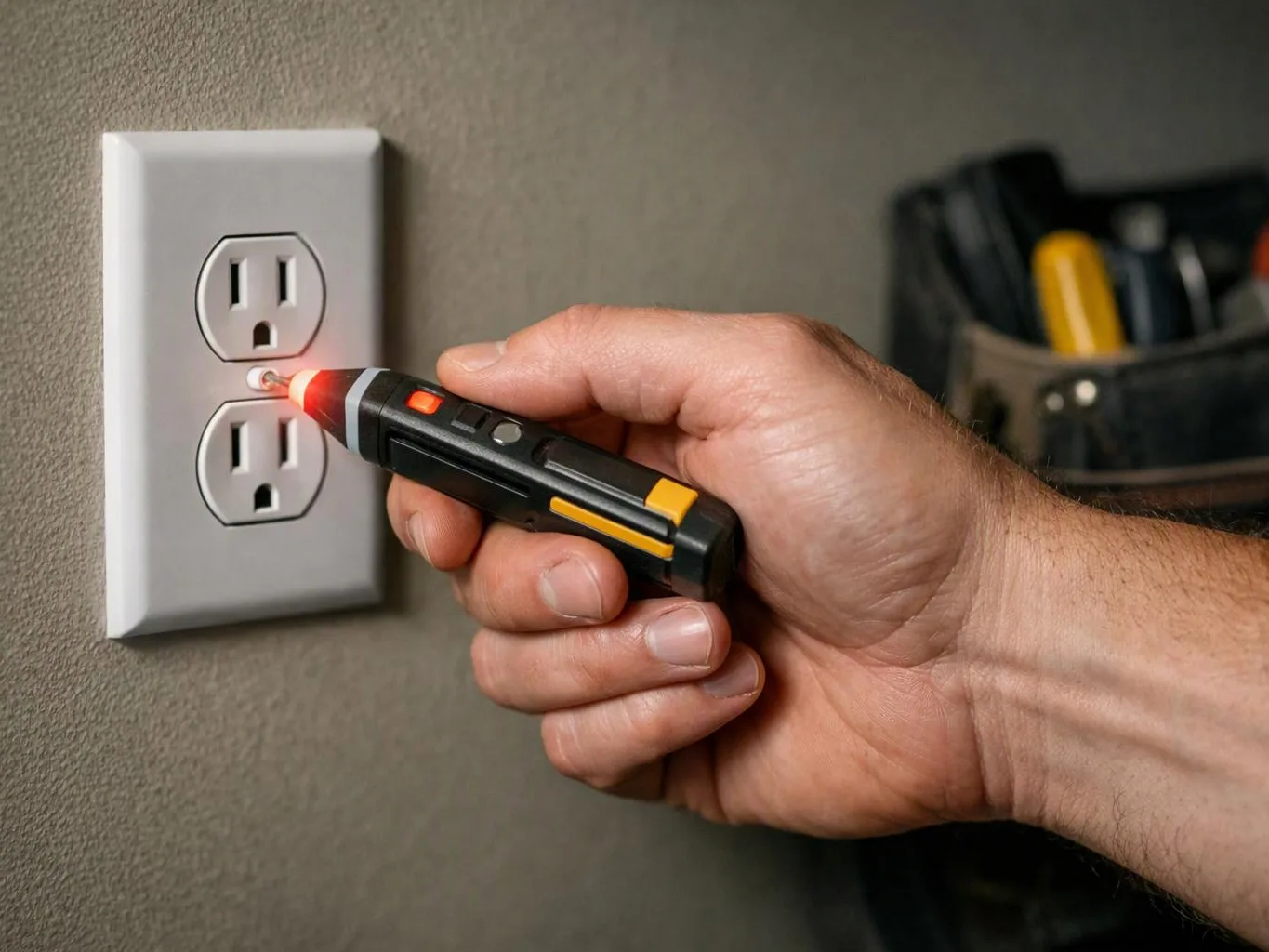
Electrical Code Correction: Preparing for Safer Repairs
Electrical code correction means identifying unsafe or noncompliant electrical conditions, prioritizing repairs, and verifying the completed work. Chris Miller Electric inspects the affected systems, explains what needs attention, provides a free estimate, and completes the appropriate correction work. Free Estimates Available.
Get a Free EstimateWhat Is Electrical Code Correction?
Electrical code correction is the process of identifying electrical conditions that do not meet applicable safety requirements and completing the repairs needed to bring the system into compliance.
An electrical inspection may identify an electrical code violation involving wiring, protective devices, connections, grounding, or access. Building code requirements help guide the repair, while electrical safety remains the main concern.
We inspect the affected system, explain the electrical defect, and plan code-compliant electrical work that addresses the unsafe condition.
How Should Homeowners Prepare for Code Correction Work?
Homeowners should prepare by documenting the concern, preserving inspection information, making the affected areas accessible, and avoiding repairs that require energized electrical work.
Accessible wiring and clear documentation help us define the repair scope. We use that information to inspect safely and explain the next step.
Mistake 1: Treating an Inspection Notice as a Complete Repair Plan
An electrical inspection notice identifies a concern, but it may not describe the full repair scope. The notice may use broad wording because concealed wiring, connections, or related equipment still require diagnosis.
We inspect the affected circuit and trace the reported code violation to its cause. The cost depends on whether the correction is limited to an accessible part or includes concealed wiring and related equipment.
Our fix is a documented repair plan that explains the electrical diagnosis, the work included, and the verification needed after completion.
Mistake 2: Resetting a Breaker Without Addressing the Cause
A circuit breaker that trips may be responding to an overload, short circuit, or other electrical fault. Repeated resets can leave the underlying hazard active.
We test the circuit and look for damaged wiring, excessive load, loose connections, or equipment faults. The cost depends on the source of the trip and how much circuit work is needed.
Our correction may include repairing the circuit, correcting the load, or replacing affected components after we identify the cause.
Mistake 3: Covering Damaged Wiring Without Replacing It
Damaged wiring and damaged insulation can expose conductors to contact, heat, or further deterioration. Covering the damage does not restore the wire or remove the electrical hazard.
We inspect the wire, cable, junction box, and surrounding materials to determine whether the damaged section can be safely repaired or needs replacement. The cost changes with the location of the damage and the accessibility of the wiring.
Our fix uses an appropriate wire repair or replacement method and protects the connection inside an approved junction box when one is required.
Mistake 4: Leaving Missing or Loose Electrical Connections Unchecked
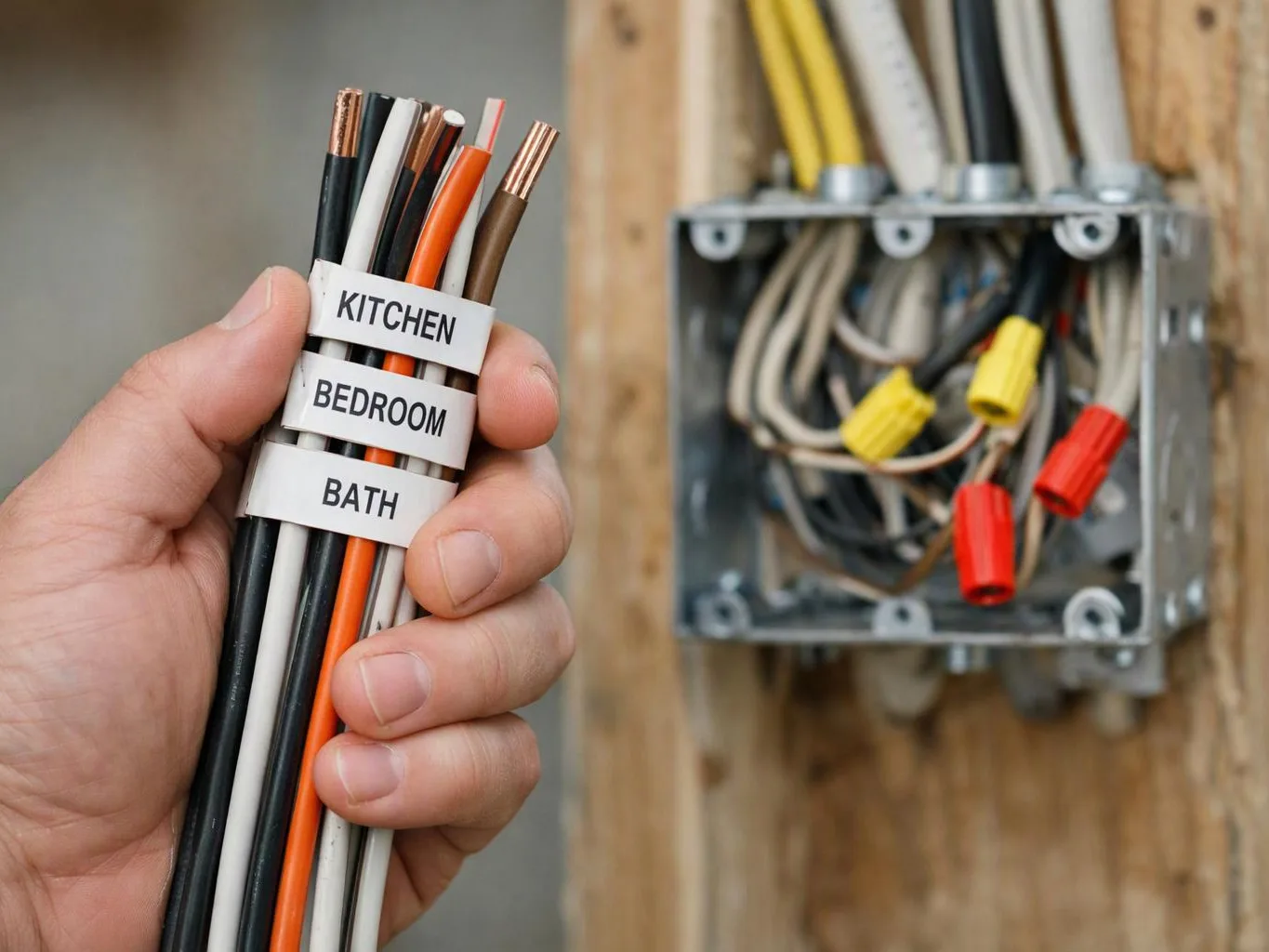
A loose connection at a terminal or inside a junction box can create heat, arcing, or intermittent operation. Missing covers and loose wiring can also leave live parts exposed.
We inspect each accessible electrical connection and check the terminal, enclosure, and conductors involved. The cost depends on the number of connections and whether heat or other damage has spread.
Our correction secures the connection, replaces damaged parts, and restores the junction box or enclosure to a safe condition.
Mistake 5: Replacing a Panel Without Correcting the Related Wiring
An electrical panel can be part of a larger problem involving circuit wiring, grounding, or damaged conductors. Panel replacement alone may leave those conditions unresolved.
We inspect the panel, connected circuits, grounding paths, and bonding connections before recommending a panel upgrade or panel replacement. The cost depends on the panel work and the related wiring that requires correction.
Our fix addresses the panel and the connected electrical system as one repair scope. We complete the required wiring and grounding work before final verification.
Mistake 6: Adding Devices to a Circuit Without Checking Capacity
An electrical load can exceed circuit capacity when new receptacles, appliances, or lighting are added without reviewing the existing circuit. The result may be nuisance trips, overheating, or an unsafe circuit overload.
We review the circuit, connected devices, conductor size, and protective device before adding equipment. The cost depends on whether the existing circuit supports the change or whether new circuit wiring is needed.
Our correction may involve redistributing loads, repairing the lighting circuit, or installing circuit work that matches the intended use.
Mistake 7: Ignoring Grounding and Bonding Concerns
Grounding provides a path for fault current, while bonding connects conductive parts so they remain at a similar electrical potential. A grounding fault or missing bonding connection can increase shock risk.
We inspect grounding conductors, the grounding electrode, bonding connections, and related equipment. The cost depends on the condition and accessibility of those parts.
Our fix corrects the grounding or bonding problem and verifies that the electrical safety path works as intended.
Mistake 8: Closing Walls Before the Electrical Work Is Verified
Concealed wiring should be checked before walls or ceilings are closed. Covering the work too soon can hide an electrical defect and make later correction more disruptive.
We inspect accessible wiring, connections, and installed equipment before concealment when the project requires it. The cost changes when finished surfaces must be opened to reach the repair.
Our correction path includes repair verification and coordination with any required permit inspection before the affected area is closed.
What Changes the Cost of Electrical Code Correction Work?
The cost of electrical code correction depends on the number and type of defects, the condition and accessibility of the wiring, related panel work, and any required inspection or permit steps.
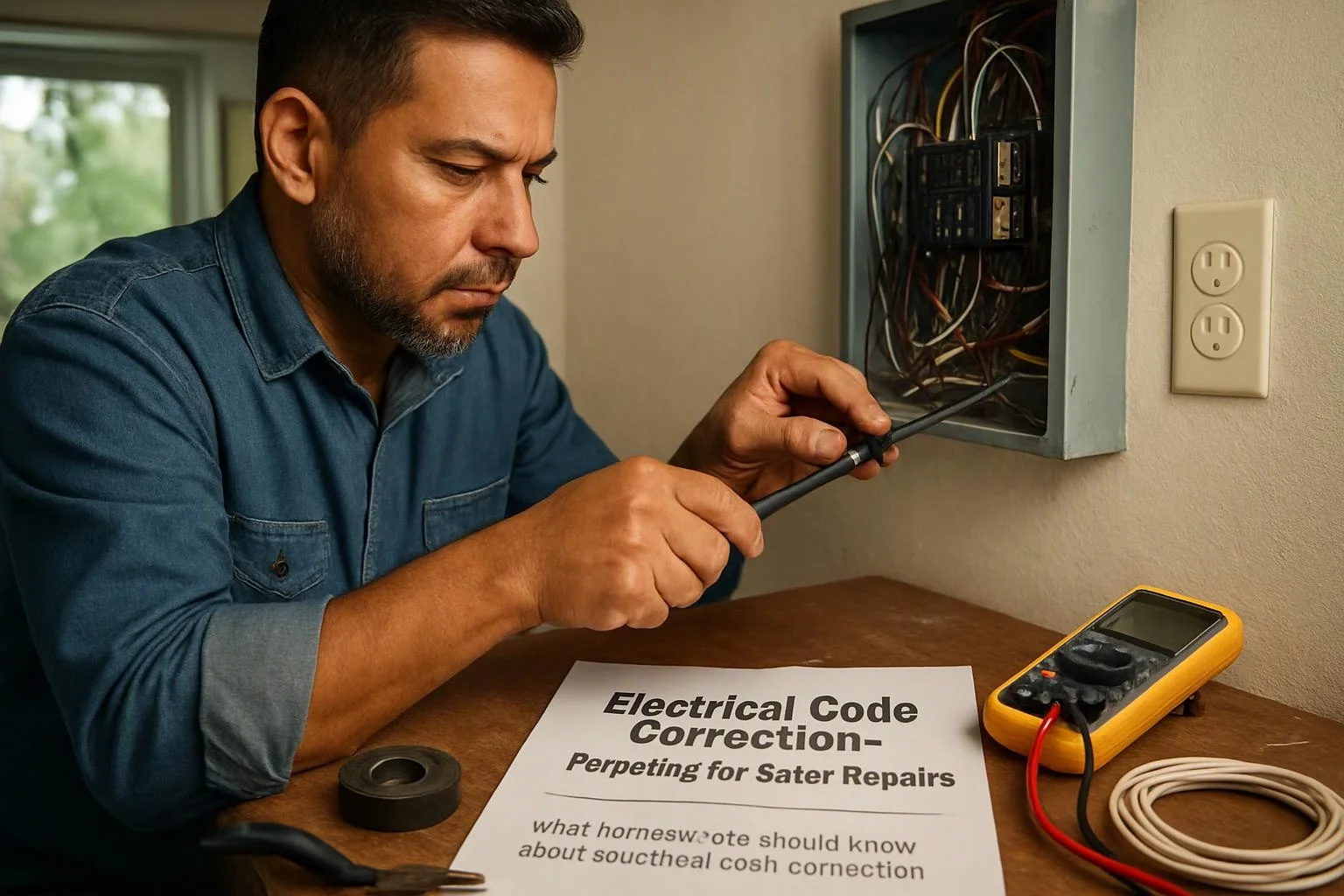
We review these factors during the inspection and explain what the repair estimate includes. Free Estimates Available for the approved correction scope.
| Cost factor | Why it matters |
|---|---|
| Repair scope | A single accessible defect requires a different plan from several related code violations. |
| Wiring accessibility | Open, reachable wiring is easier to inspect and correct than wiring concealed behind finished surfaces. |
| Electrical panel condition | Panel repairs or an electrical panel upgrade may add related work when protection or connections are affected. |
| Permit requirements | Required permits and inspection steps can add planning and verification tasks to the correction. |
How We Correct Electrical Code Problems Safely
We review the reported concern, inspect the affected electrical system, explain the repair scope, complete the approved correction work, and verify the result.
Our process connects the reported code violation to the completed repair. We do not treat a new part as a complete solution when related wiring or safety conditions still need attention.
When Should You Call for Electrical Code Correction?
Call Chris Miller Electric when an inspection identifies a code concern, wiring is damaged or exposed, electrical equipment shows heat or arcing, or the needed repair requires panel or circuit work.
Turn off power only when you can do so safely and avoid touching damaged equipment. We can inspect the condition and define the safest correction path.
What Should You Ask Before Electrical Repairs Begin?
Homeowners should ask which conditions require correction, what work the estimate includes, which systems may be affected, and how the completed repair will be checked.
Ask whether the reported electrical code violation is limited to one location or connected to a larger circuit, panel, grounding, or bonding concern. Ask how accessible wiring will be inspected and whether finished surfaces or equipment could be affected.
Ask what repair verification includes and whether a permit inspection is part of the process. We explain the repair scope before work begins so you can make an informed decision about the correction.
Questions About Electrical Code Correction
Can homeowners perform electrical code correction themselves?
Homeowners can document the concern and make the work area accessible, but energized wiring, panel work, grounding, and code correction require Chris Miller Electric to inspect and complete the electrical work safely.
What information should homeowners provide after an electrical inspection?
Homeowners should provide the inspection notice, inspection report, photos, notes about symptoms, and information about any work already performed on the affected system.
Does electrical code correction always require an electrical panel upgrade?
No, electrical code correction requires an electrical panel upgrade only when the panel, its protection, its connections, or the connected system cannot support a safe and compliant repair.
How can homeowners prepare a home for electrical wiring repair?
Homeowners can prepare a home for electrical wiring repair by clearing access to the panel and affected areas, securing inspection records, and keeping away from damaged or energized wiring.
Prepare for Safer Electrical Repairs
Chris Miller Electric can inspect the reported concern, explain the correction, provide a repair estimate, and complete the work with final verification.
Get a Free EstimateRelated Resources
What to Expect From a 24/7 Emergency Electrician in Fort Wayne, IN
Brand vs BrandElectrical Panel Upgrade Companies Worth Comparing in Fort Wayne (2026)
What It CostsCircuit Breaker and Fuse Replacement: What It Costs and How It Works
What It CostsElectrical Panel Upgrade Cost Factors: Capacity, Parts, Labor, and Scope