Planning EV Charger Installation and Emergency Repair
Planning EV charger installation starts with checking your electrical panel, available capacity, circuit routing, charger location and vehicle needs; Chris Miller Electric installs dedicated circuits, upgrades panels when needed, and repairs unsafe or failed EV charging equipment.
Get a Free EstimateWhat Should You Check Before Installing a Home EV Charger?
Home EV charger planning should begin with an electrical assessment that confirms panel capacity, circuit routing, equipment compatibility and a safe mounting location.
An electric vehicle charger needs a suitable connection to the home’s electrical system. We review the electrical panel, service capacity and proposed charger location before recommending a setup.
We also check the path for the dedicated circuit. The route may pass through finished walls, a garage, an exterior wall or another accessible area. Reviewing that path early helps us plan the conduit, wiring and mounting method.
How Do Level 1 and Level 2 Home Charging Compare?
Level 1 charging uses an existing household outlet with simpler installation, while Level 2 charging uses a dedicated higher-capacity circuit for faster home charging and more involved electrical work.
We compare the charging equipment with your vehicle needs, available service capacity and preferred charger location. The right choice depends on how you use the vehicle and what the electrical system can safely support.
| Factor | Level 1 Charging | Level 2 Charging |
|---|---|---|
| Electrical connection | Existing household outlet | Dedicated higher-capacity circuit |
| Charging speed | Slower home charging | Faster home charging |
| Installation requirements | Lower installation complexity when the outlet is suitable | Electrical assessment, dedicated circuit and secure mounting |
| Maintenance | Inspect the outlet, plug and portable cable for heat or damage | Inspect the charger, connector, wiring and circuit protection |
| Best for | Drivers with lighter charging needs and a suitable outlet | Drivers who need faster, regular home charging |
Advantages of Level 1 Home Charging
Best for: Level 1 home charging suits drivers whose vehicle use fits slower charging and who have a safe, compatible outlet.
Advantages of Level 2 Home Charging
Best for: Level 2 home charging suits drivers who want faster charging and have space for the required electrical work.
What Does an Electrical System Need for a Level 2 Charger?
A Level 2 charger needs a suitable electrical panel, a dedicated circuit, compatible overcurrent protection, correct grounding and a safe route to the charging location.
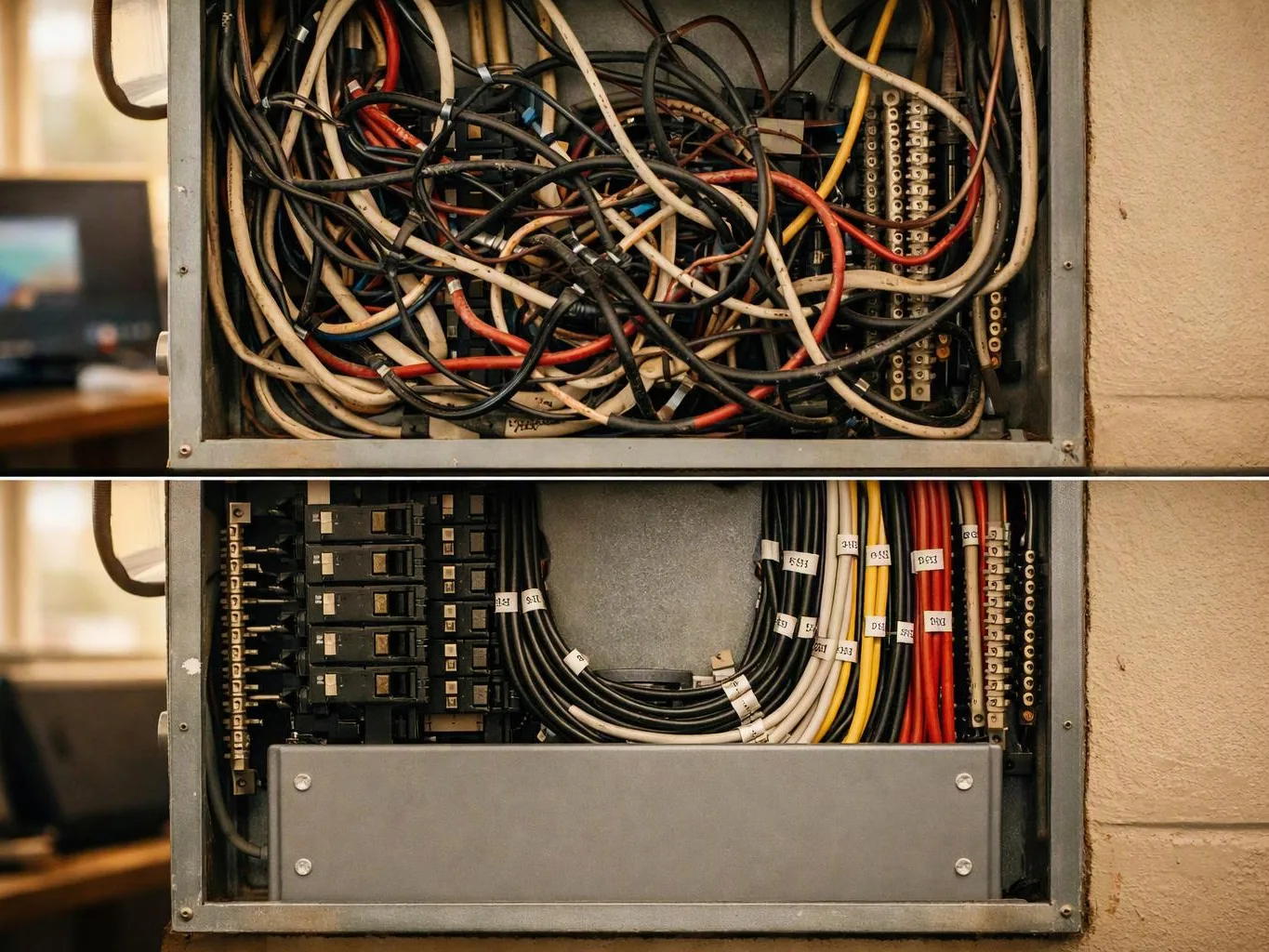
We inspect the electrical panel and review its available capacity before selecting circuit protection. The circuit breaker must match the charger requirements and the branch circuit wiring.
We also plan the conduit route, grounding conductors and mounting location. These details help protect the charging equipment and support electrical safety during regular use.
How We Prepare the Electrical System for EV Charger Installation
Our EV charger installation process starts with an electrical assessment and ends with testing the completed charging equipment.
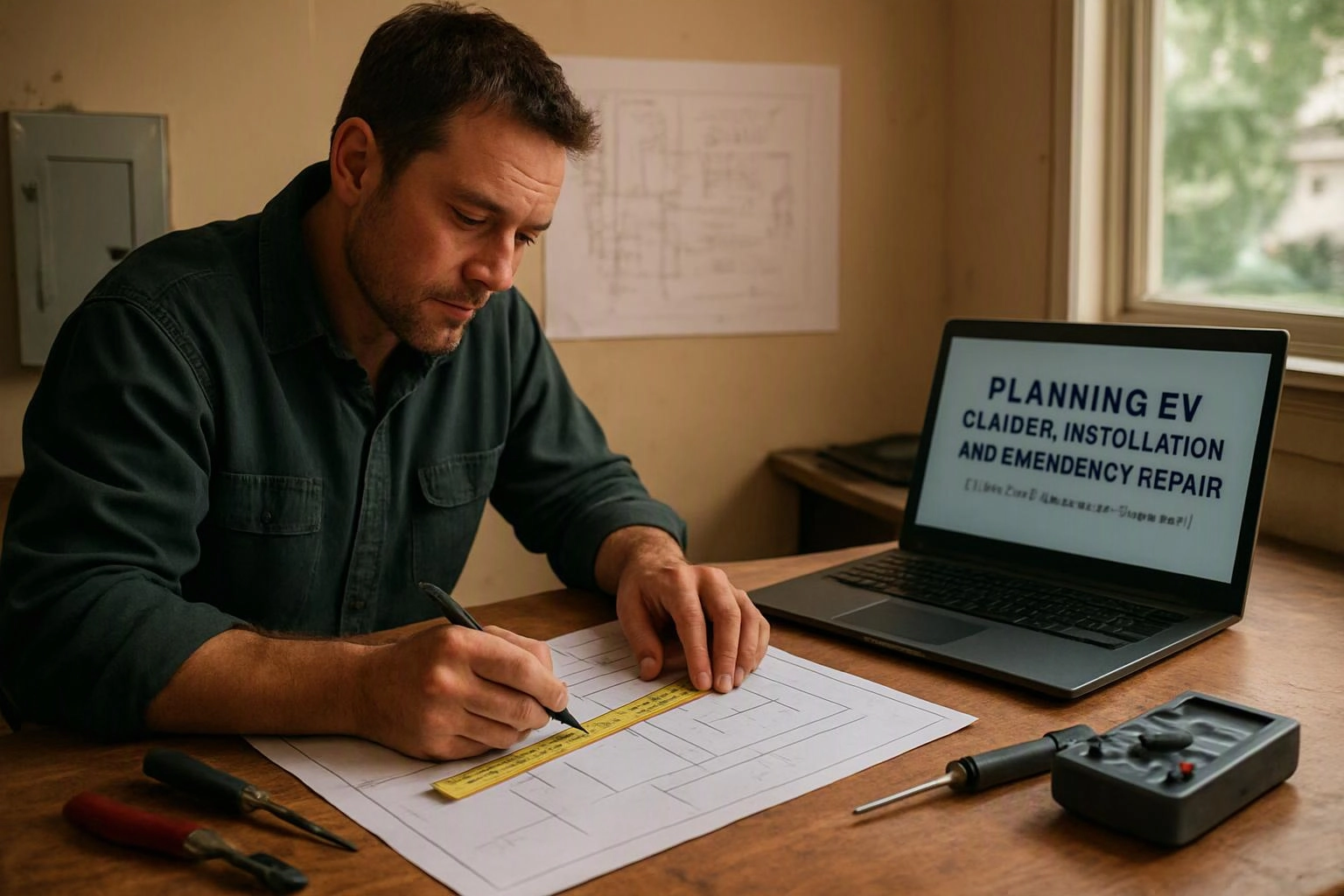
Our team can review the full installation scope before work begins. For service details, see EV Charger Installation.
What Changes the Cost of a Home EV Charger Project?
Home EV charger project cost changes with the panel's available capacity, the charger equipment, the circuit route, installation access and whether an electrical panel upgrade is required; Chris Miller Electric provides Free Estimates Available after reviewing the project.
The electrical panel condition can affect the work when breakers, wiring or available spaces are not compatible. Service capacity also matters because existing household loads share the electrical system.
Circuit length, conduit route and wall construction can change the installation scope. Charger hardware, mounting needs and a dedicated circuit also affect the work included in the quote.
We review these factors during the installation assessment so the quote reflects the actual charger location and electrical requirements.
What Should You Do When an EV Charger Needs Emergency Repair?
When an EV charger shows smoke, heat damage, exposed wiring, repeated breaker trips or a burning smell, stop charging, keep clear of damaged equipment and contact Chris Miller Electric for emergency EV charger repair.
Electrical safety comes first when an EV charging system overheats or shows physical damage. We identify the fault before restoring service or replacing damaged equipment.
How We Diagnose and Repair EV Charging Problems
EV charger diagnostics identify whether the problem comes from the charger, circuit, wiring, grounding or vehicle connection.
We review charger fault codes and inspect the charging connector and cable for damage. We then test the circuit, breaker, wiring and grounding to locate unsafe conditions.
When the electrical panel or circuit is involved, we check the related equipment and connections. Our team repairs the fault when possible and uses compatible replacement components when damaged parts need replacement.
When Does an EV Charger Need a Panel Upgrade?
An EV charger needs a panel upgrade when the existing service cannot safely support the charging load or lacks the compatible capacity and equipment needed for the new circuit.
We review the service rating, complete a load calculation and check circuit breaker space. Existing household loads are included because they share the available electrical capacity.
An upgrade may also be needed when the panel cannot accept compatible overcurrent protection or when its condition creates a safety concern. We explain the required work before proceeding with the charger installation.
How Do You Get an EV Charger Installation Quote?
An EV charger installation quote from Chris Miller Electric includes a review of the panel, charging location, circuit route and any upgrade work included in the project.
We inspect the electrical system and discuss the charger equipment that fits your electric vehicle. Our team then explains the installation scope, dedicated circuit requirements and mounting approach.
Requesting a quote helps connect the equipment choice with the actual electrical work. Use the contact link to send your project details and arrange an assessment.
Questions About Home EV Charger Installation and Repair
Can an EV charger use an existing household outlet?
Yes, an EV charger can use an existing household outlet when the outlet, wiring and circuit are suitable for the charging equipment. Chris Miller Electric checks the outlet and circuit before confirming that setup.
What happens if an EV charger keeps tripping the breaker?
An EV charger that keeps tripping the breaker may have a circuit fault, wiring problem, grounding issue or charger failure. Stop using the charger and contact our team so we can test the system safely.
Can an EV charger be installed when the electrical panel is full?
Yes, an EV charger may still be possible when the electrical panel is full, but the installation requires an assessment of available capacity, breaker compatibility and upgrade options. We determine the safe path during the panel assessment.
Should you stop using an EV charger that smells hot or burnt?
Yes, stop using an EV charger that smells hot or burnt, and keep clear of equipment showing heat damage, smoke or exposed wiring. Contact our team for emergency EV charger repair before using the charging system again.
Related Resources
Electrical Panel Upgrade Companies Worth Comparing in Fort Wayne (2026)
What It CostsElectrical Panel Upgrade Cost Factors: Capacity, Parts, Labor, and Scope
What It CostsEV Charger Installation Cost Factors: Wiring, Panel Capacity, and Installation Scope
What It SolvesWhy Your Home EV Charger Stopped Working