Where should GFCI outlets be installed on bathroom walls?
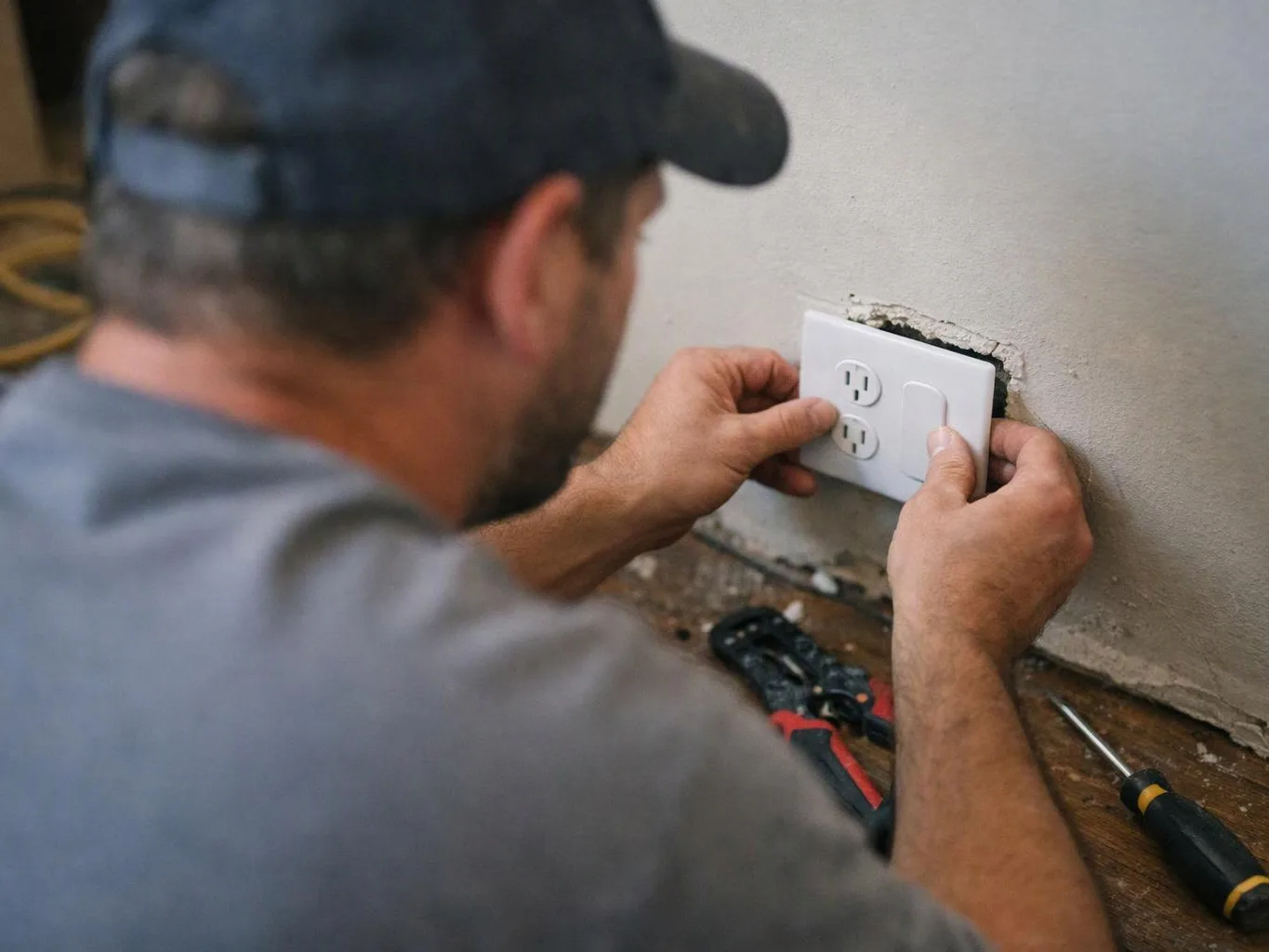
Bathroom walls near sinks, tubs, and other wet areas need GFCI protection. Chris Miller Electric checks the outlet position, box, wiring, and grounding before installation. We also test nearby downstream receptacles because one GFCI device may protect other outlets on the same circuit. The final placement follows the applicable electrical code requirements for the work.
What should I ask before agreeing to this outlet installation?
The key questions are which outlet needs protection, whether the circuit has a fault, and whether the device will protect downstream outlets. We answer those points after checking the box, conductors, grounding, and connected devices. You should also ask what separate wiring or panel repairs fall outside the outlet installation.
Which property condition changes the time needed for this work?
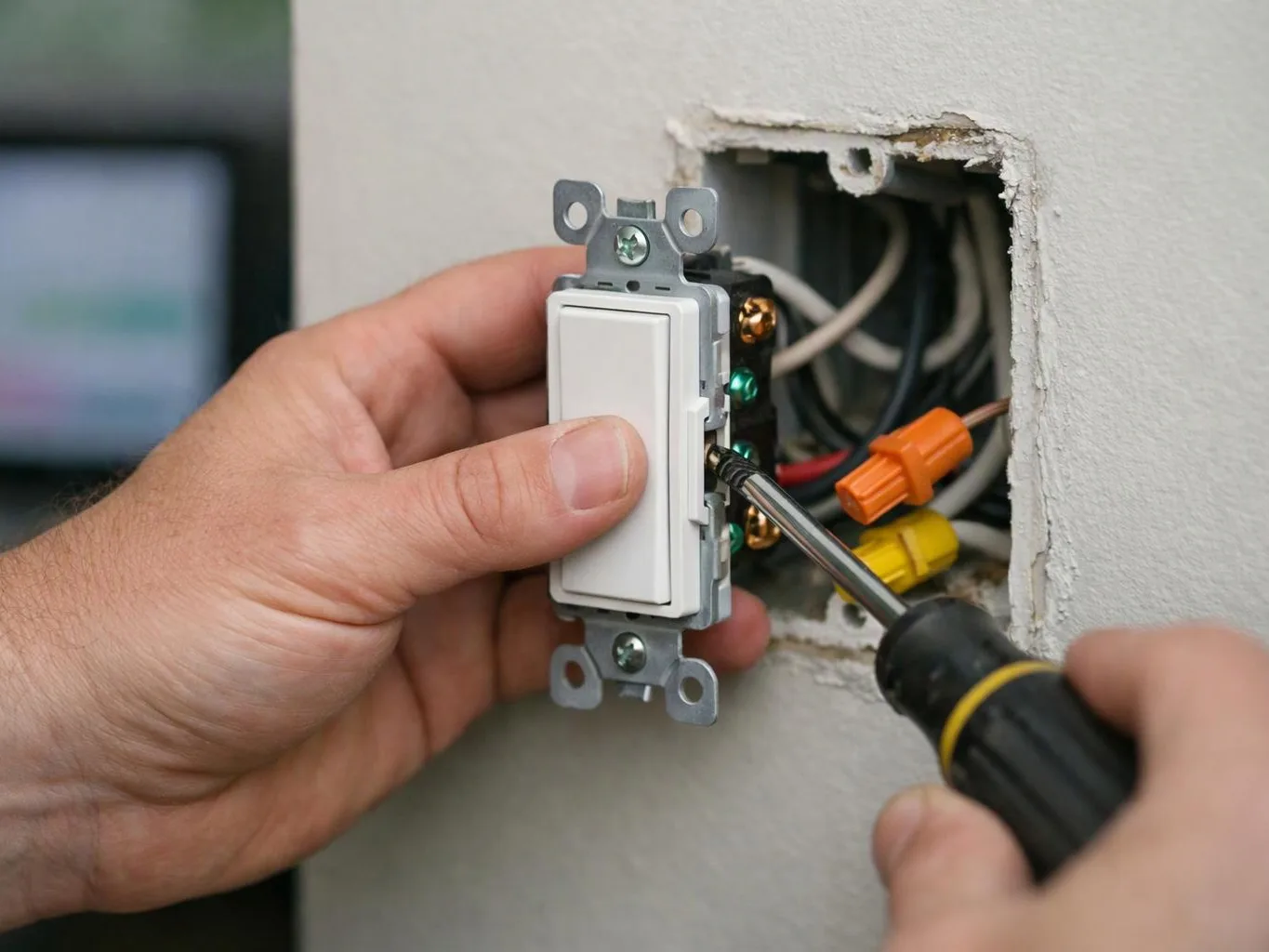
Limited box access, damaged wiring, missing grounding, or an unknown circuit path can add work before installation. We inspect those conditions first and trace the circuit when needed. An accessible box with sound connections follows a simpler scope than an outlet that shares a fault with other devices.
How is outlet protection matched to a property before work starts?
Outlet protection is matched by checking the location, circuit layout, wiring, grounding, and connected equipment. We identify whether the receptacle serves a wet area, kitchen counter, outdoor device, or business equipment. That review helps us choose the correct connection pattern and test the right downstream outlets.
Why does a new GFCI outlet keep tripping?
A new GFCI outlet can trip because of moisture, damaged wiring, a connected appliance, or a fault on a downstream outlet. We test the device and circuit to separate a faulty receptacle from a larger electrical problem. Repeated resetting should stop until the cause is checked.
What happens if the outlet has no ground wire?
An ungrounded outlet needs a circuit assessment before replacement because a new GFCI device does not create a grounding path. We inspect the cable, box, and circuit connections, then explain the available repair scope. The correct solution depends on the existing wiring and the work required at the property.
When should I request urgent electrical help for this problem?
Request urgent electrical help when the outlet sparks, smells burnt, feels warm, or trips repeatedly. We treat those signs as possible safety concerns and assess the affected circuit. Turn off the circuit if you can do so safely, keep people away from the outlet, and wait for electrical guidance.