What parts are checked during emergency EV charger repair?
The circuit breaker is checked first, followed by the charging connector, control board, wiring, and ground fault path. We inspect the power supply before testing charger components. That order helps separate a property electrical fault from an internal charger fault. We then explain whether repair, circuit work, or further diagnosis fits the findings.
Which part of the property decides the repair scope?
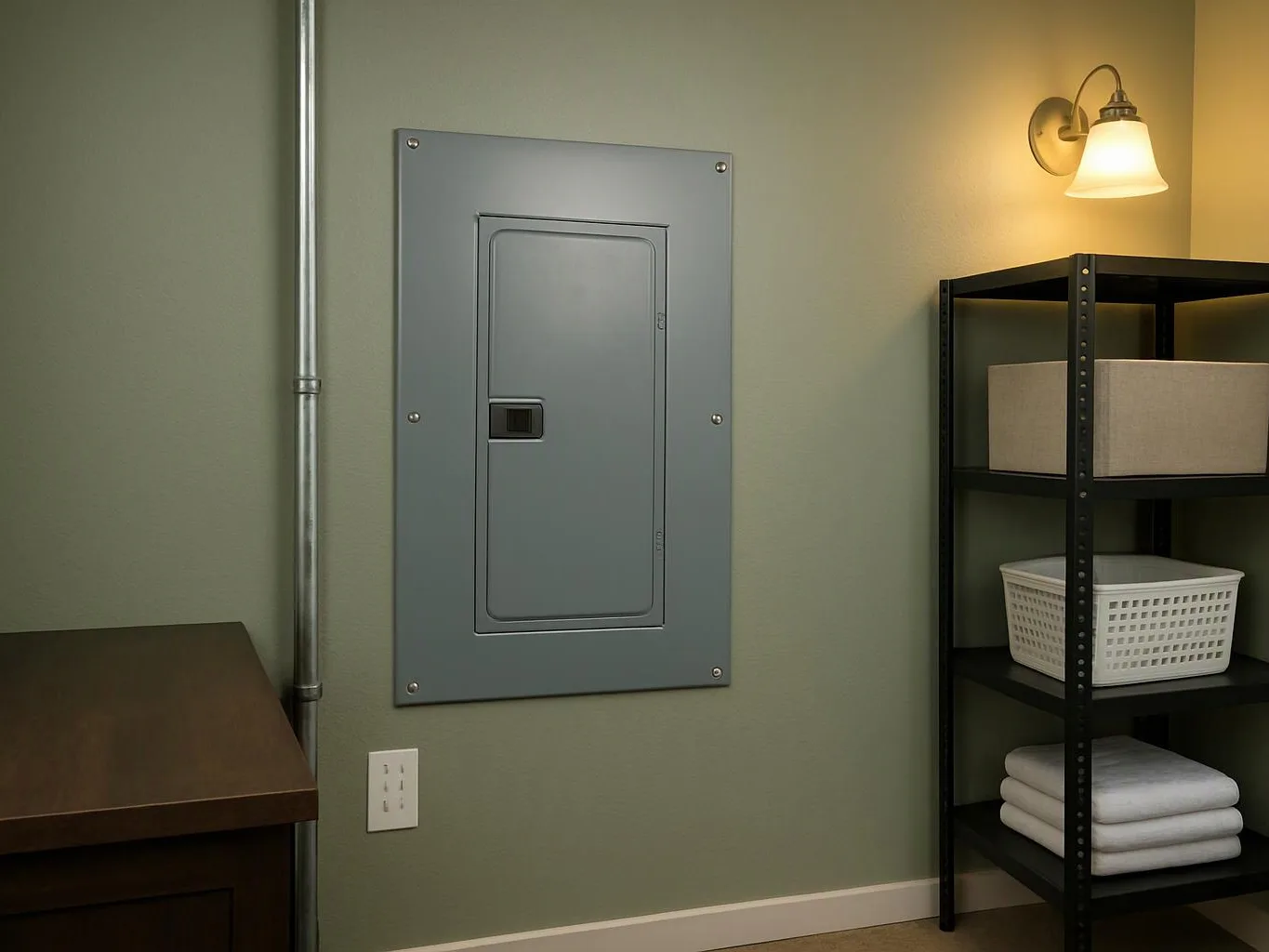
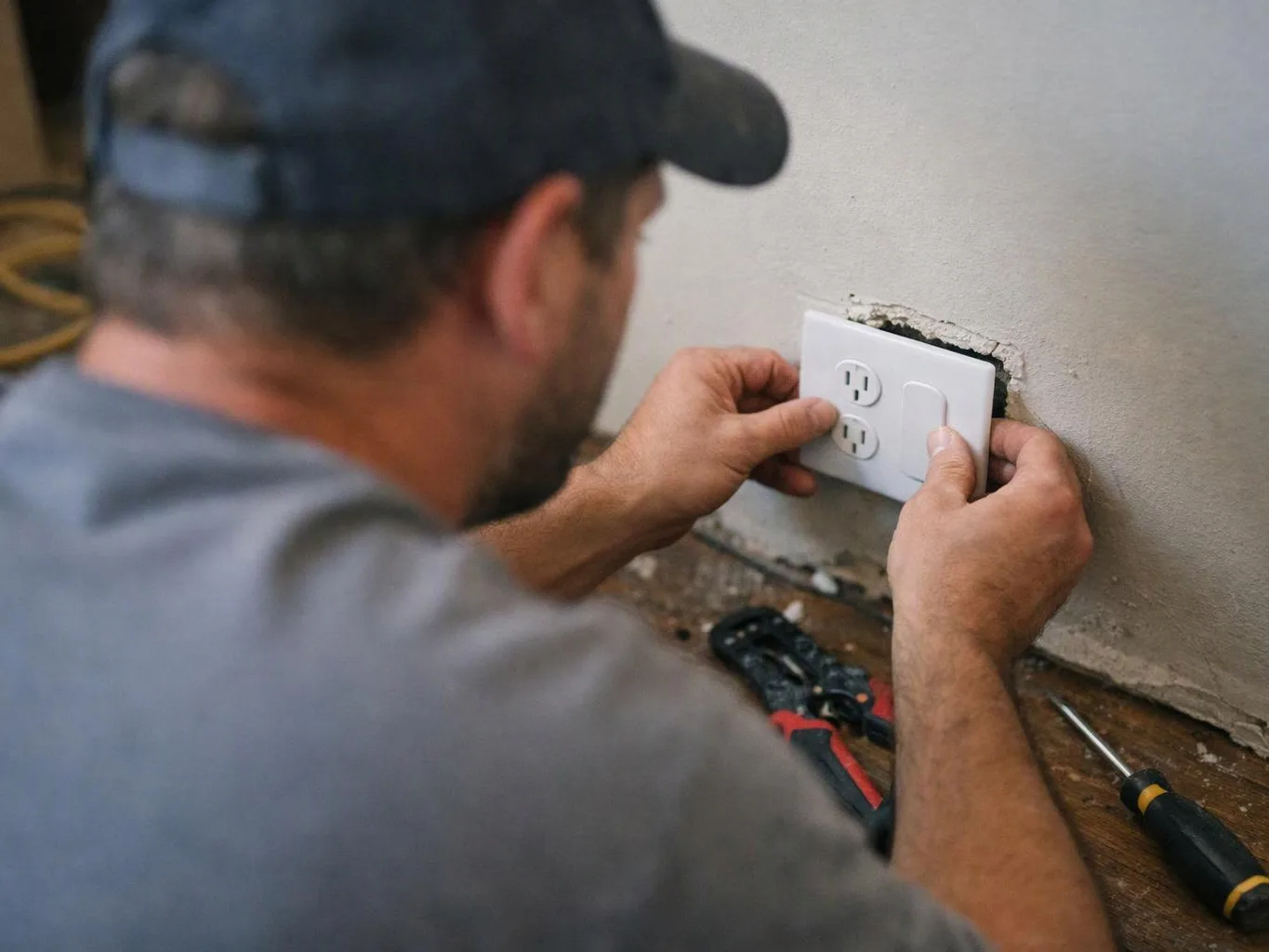
The electrical supply and charger connection decide most of the repair scope. We inspect the panel connection, circuit path, disconnect, outlet, and charger before selecting a repair. Limited access can affect how those parts are tested. A new installation may be needed when the property lacks a suitable charging circuit.
Which material changes how long the repair takes?
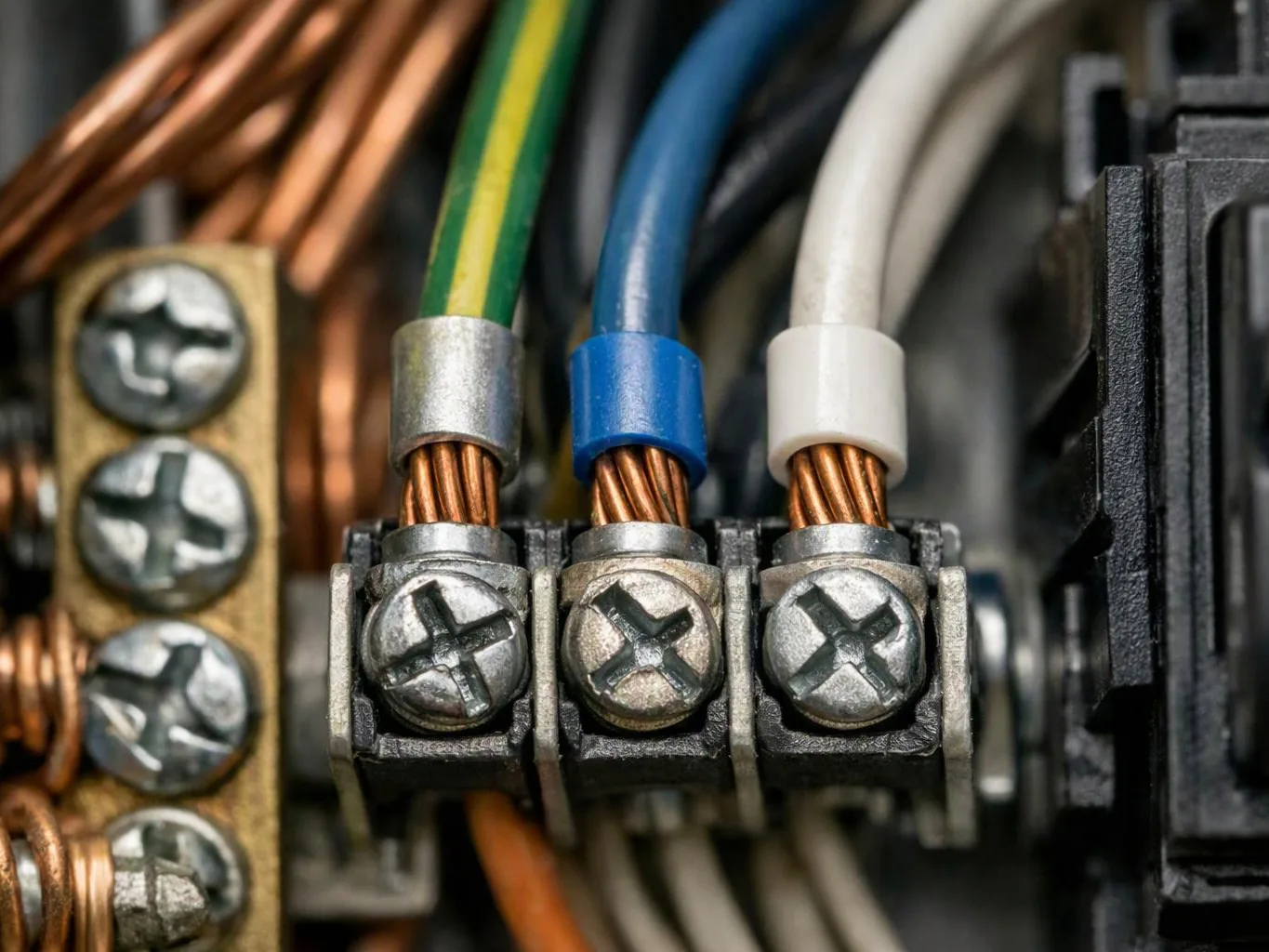
The condition and type of wiring can change the repair work required. Copper wiring, aluminum wiring, damaged insulation, and corroded connections need different checks and repair methods. We inspect the actual conductors and terminations instead of assuming the material from the charger symptom. The estimate reflects the work found during testing.
How does a charger repair visit move from the first call to the last step?
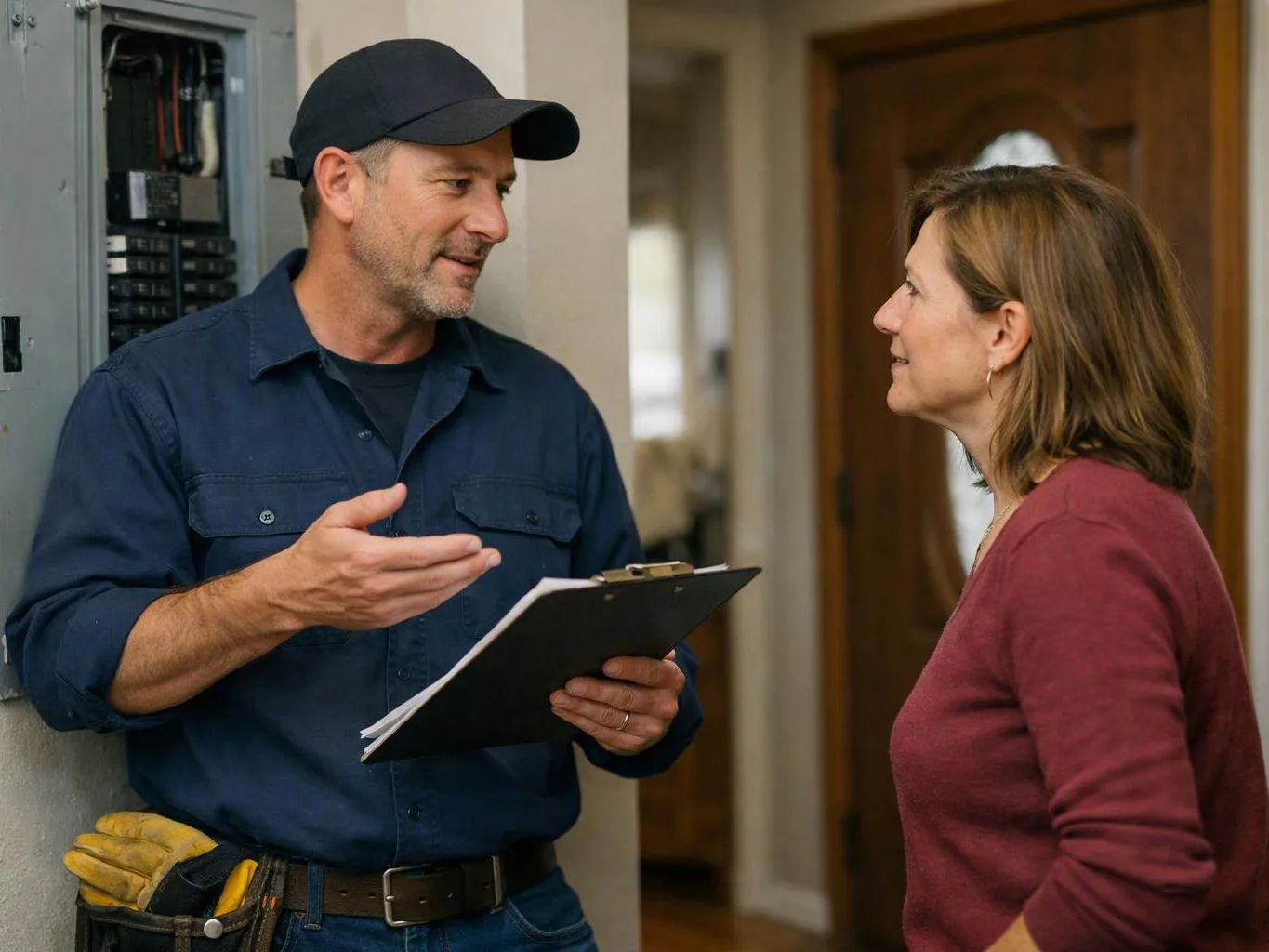
The visit moves from symptom review to electrical testing, fault isolation, repair planning, and final verification. We check the supply, trace the circuit, inspect charger parts, and explain the findings. Approved repairs are tested before the charger returns to use. A free estimate is available for the identified work.
When should I stop using an EV charger?
Stop using the charger when you see heat, burning odor, sparks, damaged insulation, or repeated electrical trips. Those signs can point to a dangerous connection or fault. Turn off the equipment if it is safe to do so, and keep people away from damaged parts. We can assess the charger and its electrical supply.
Why does the charger work after a reset but fail again?
A repeated failure after reset points to an unresolved charger, circuit, grounding, or connection fault. Resetting the equipment can clear a symptom without fixing the cause. We test the power path and charger controls to locate the recurring problem. Continued resets should stop when the unit trips or shows heat damage.
Who repairs an existing EV charger in Roanoke?
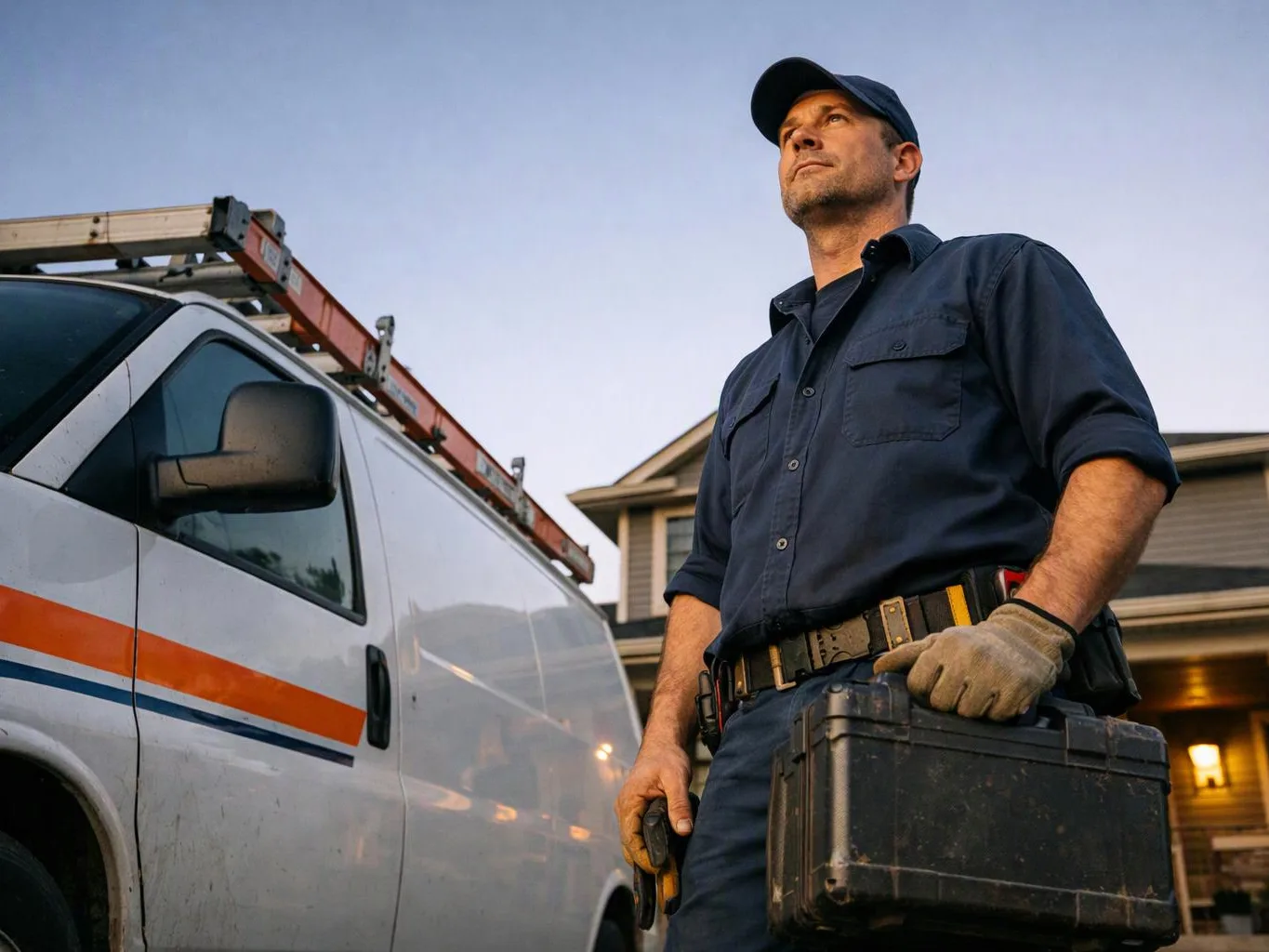
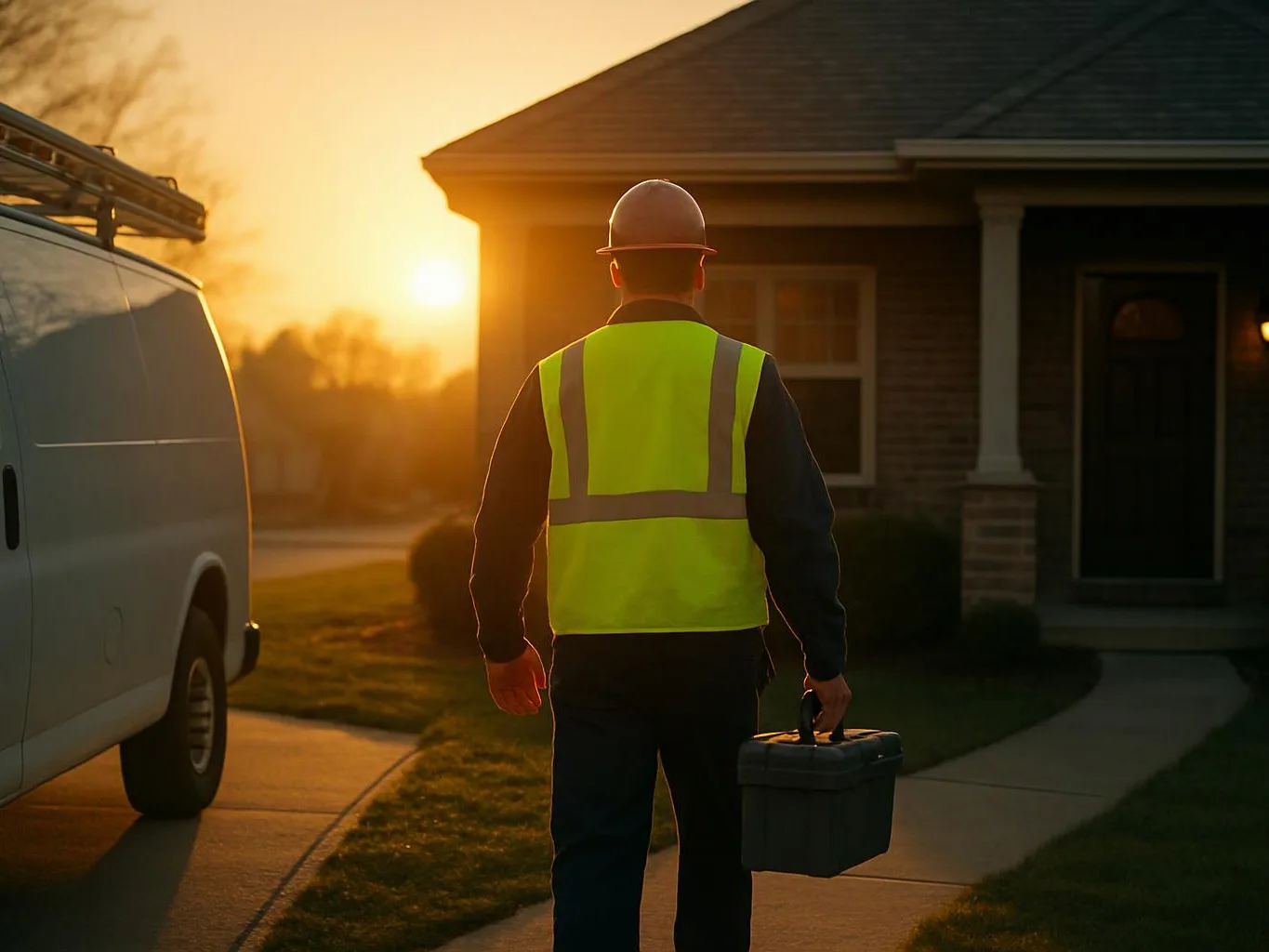
Chris Miller Electric repairs existing EV chargers for residential and commercial properties in Roanoke. Our licensed and insured electricians assess the charger, wiring, grounding, and related electrical parts. We also handle broader electrical repairs when the charger fault connects to the property's electrical system.