How does a wire enclosure make exposed conductors safe?
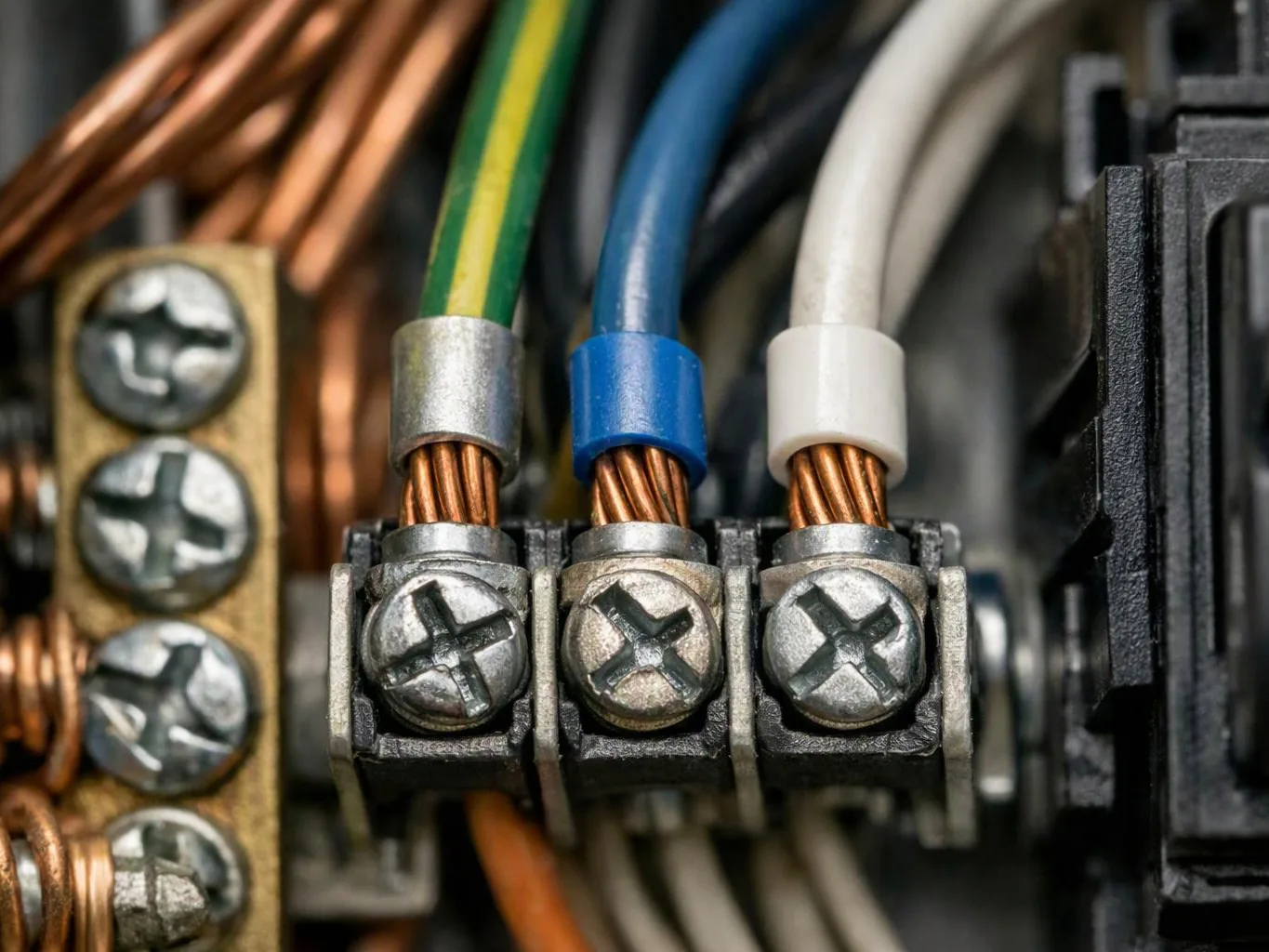
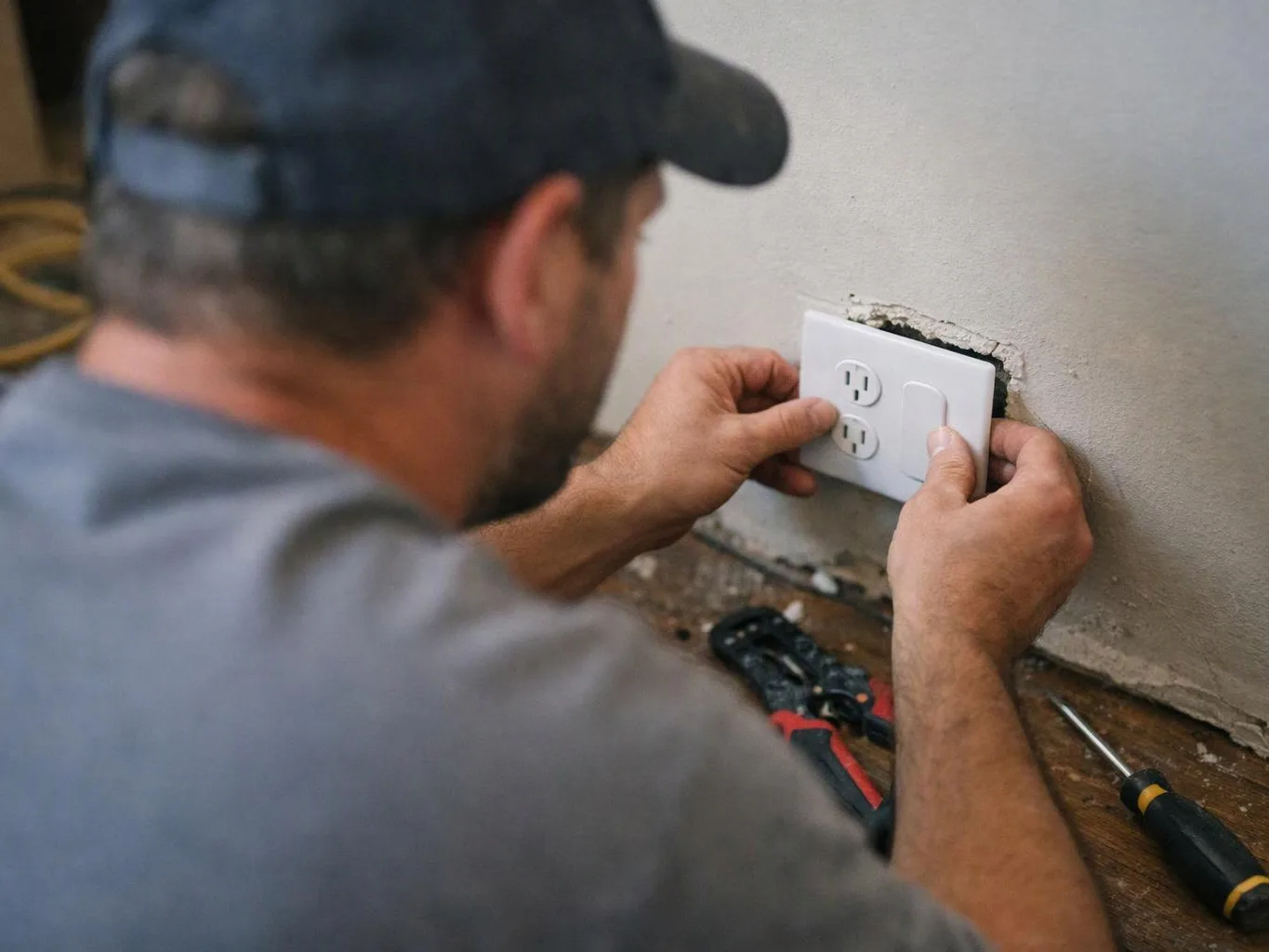
A wire enclosure protects exposed conductors from contact and physical damage. Chris Miller Electric first isolates the circuit and checks the insulation, connections, and wire path. We then select a suitable enclosure, conduit, or junction box. Electrical tape may support a limited repair, but it cannot replace protection when the wire or enclosure is damaged.
What should I do before someone checks an exposed wire?
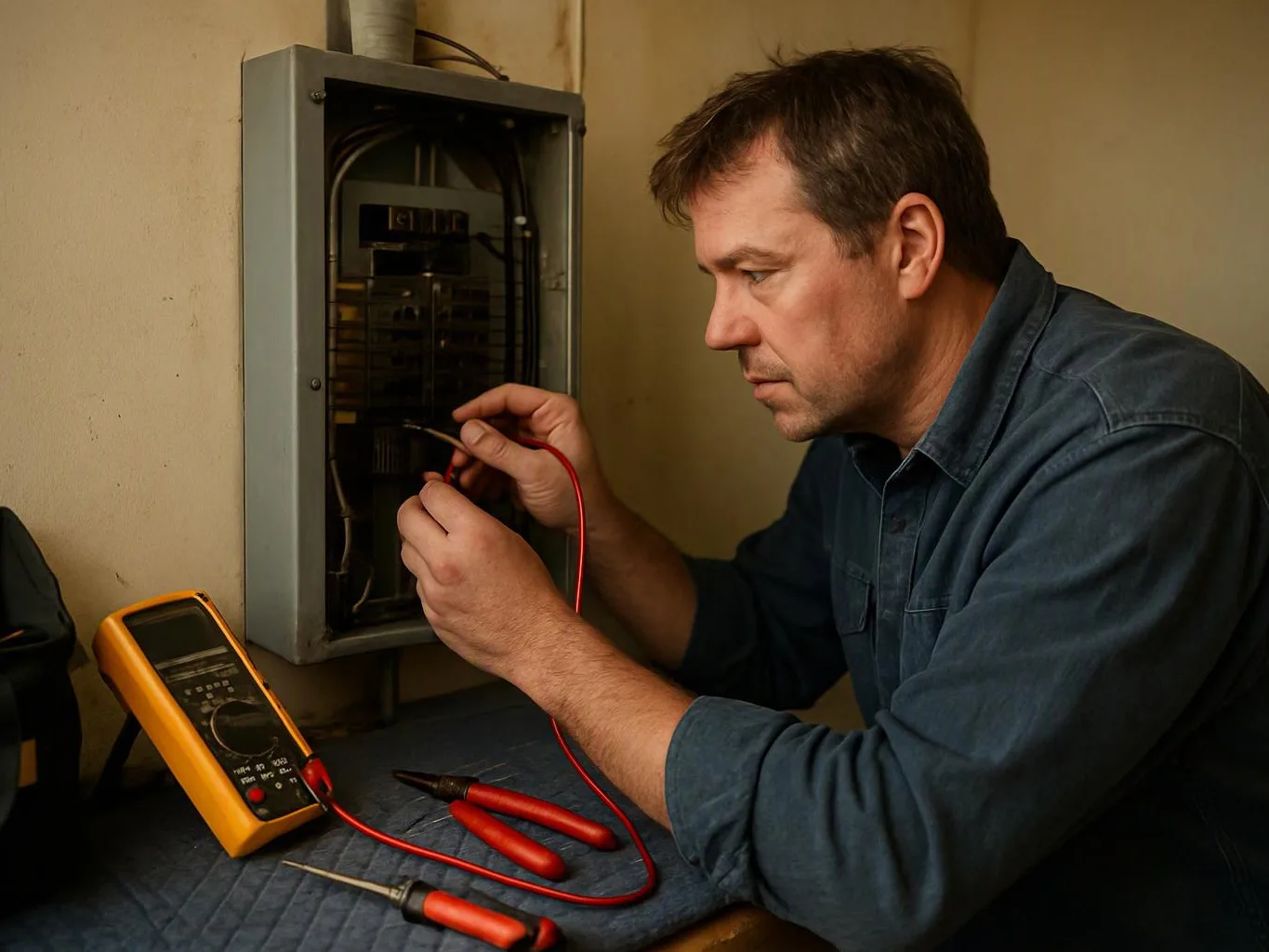
An exposed wire should remain untouched until the affected circuit is isolated and checked. Keep people away from the area, avoid moving the wire, and do not cover damage with household materials. Our team identifies the breaker, verifies power isolation, and checks nearby outlets, switches, and junction points before setting the repair scope.
Which part of the property decides the wiring repair scope?
The wire path and connected circuit decide the repair scope. We check whether the conductor runs through a wall, ceiling, outlet box, fixture, or commercial work area. Access, insulation damage, loose terminals, and connected devices can change the work. The estimate reflects those findings, not the visible wire alone.
When does electrical tape fail as a wiring repair?
Electrical tape fails as a complete repair when the wire needs physical protection, has damaged insulation, or has a poor connection. We inspect the conductor and its enclosure before deciding whether tape has a limited role. Conduit, a junction box, or wire replacement may provide the safer repair.
Why does a breaker keep tripping after wiring work?
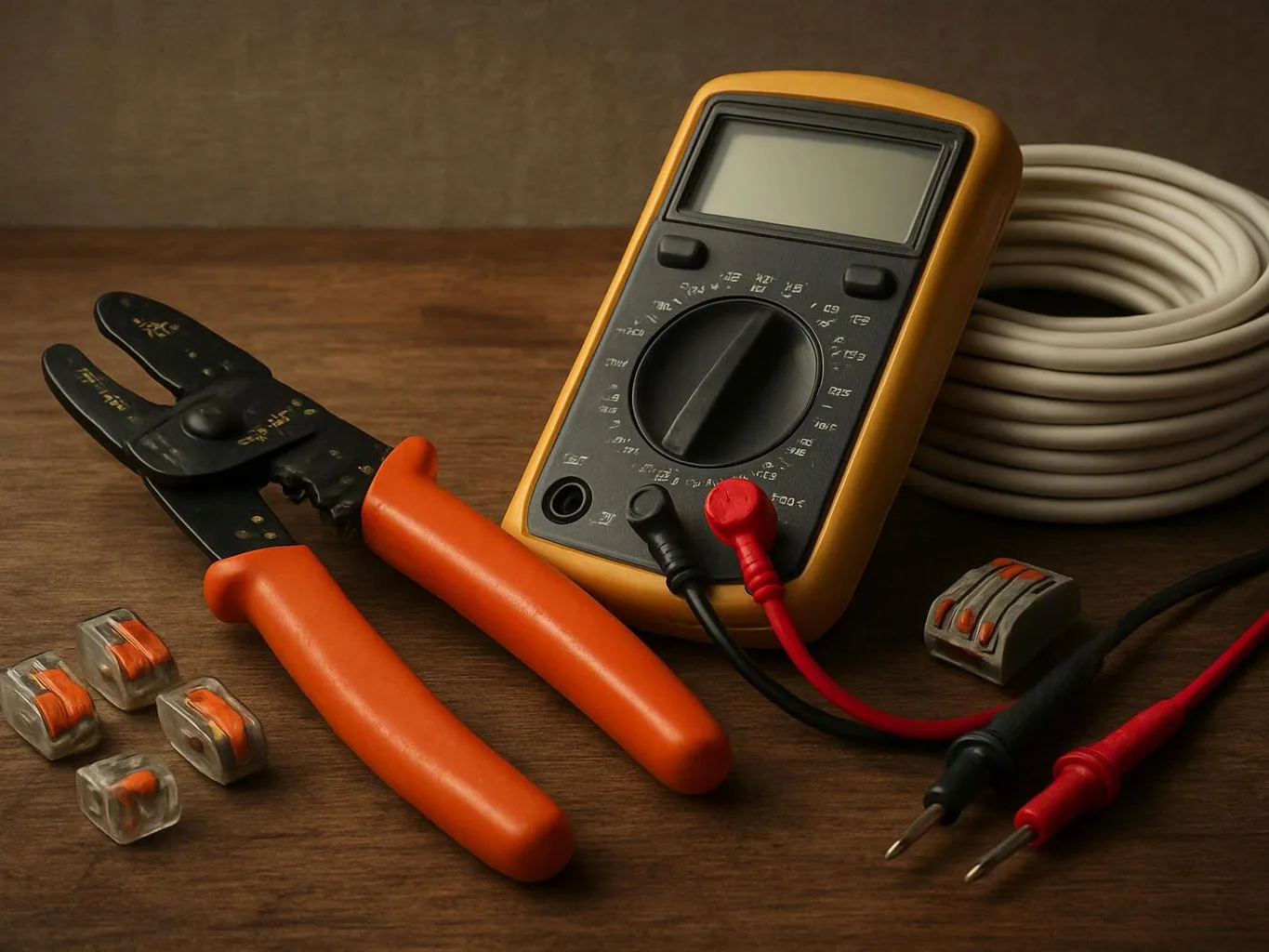
A breaker that keeps tripping can signal a fault, overload, damaged insulation, or a connection problem. We trace the circuit, inspect the devices and wiring, and test the affected section. Repeatedly resetting the breaker can keep the fault energized, so leave the circuit off when the problem continues.
How does a wiring repair visit move from the first call to the last step?
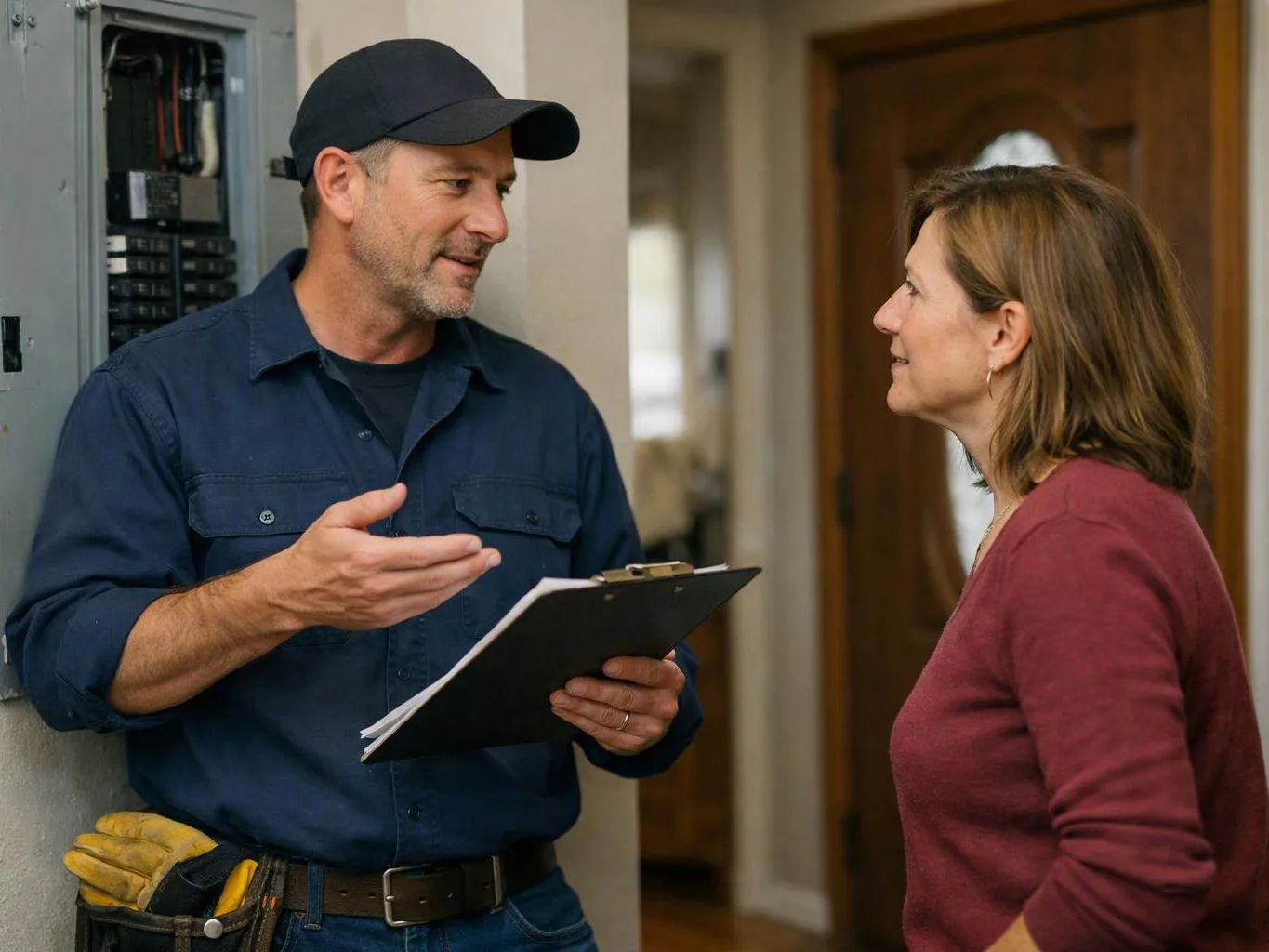
A wiring repair visit moves from symptom review to circuit isolation, inspection, repair selection, and testing. We begin by discussing what you observed and where it occurred. Our team then checks the circuit, explains the scope, completes the appropriate repair, and verifies the result before the circuit returns to use.