When does a high wattage load need its own circuit?
A high wattage load needs its own circuit when shared wiring cannot safely support its demand. Chris Miller Electric checks the equipment load, panel capacity, breaker, and existing circuit path. Frequent trips or voltage drop can support that decision, but we inspect the property before recommending new wiring.
Who installs a dedicated circuit for a home or business?
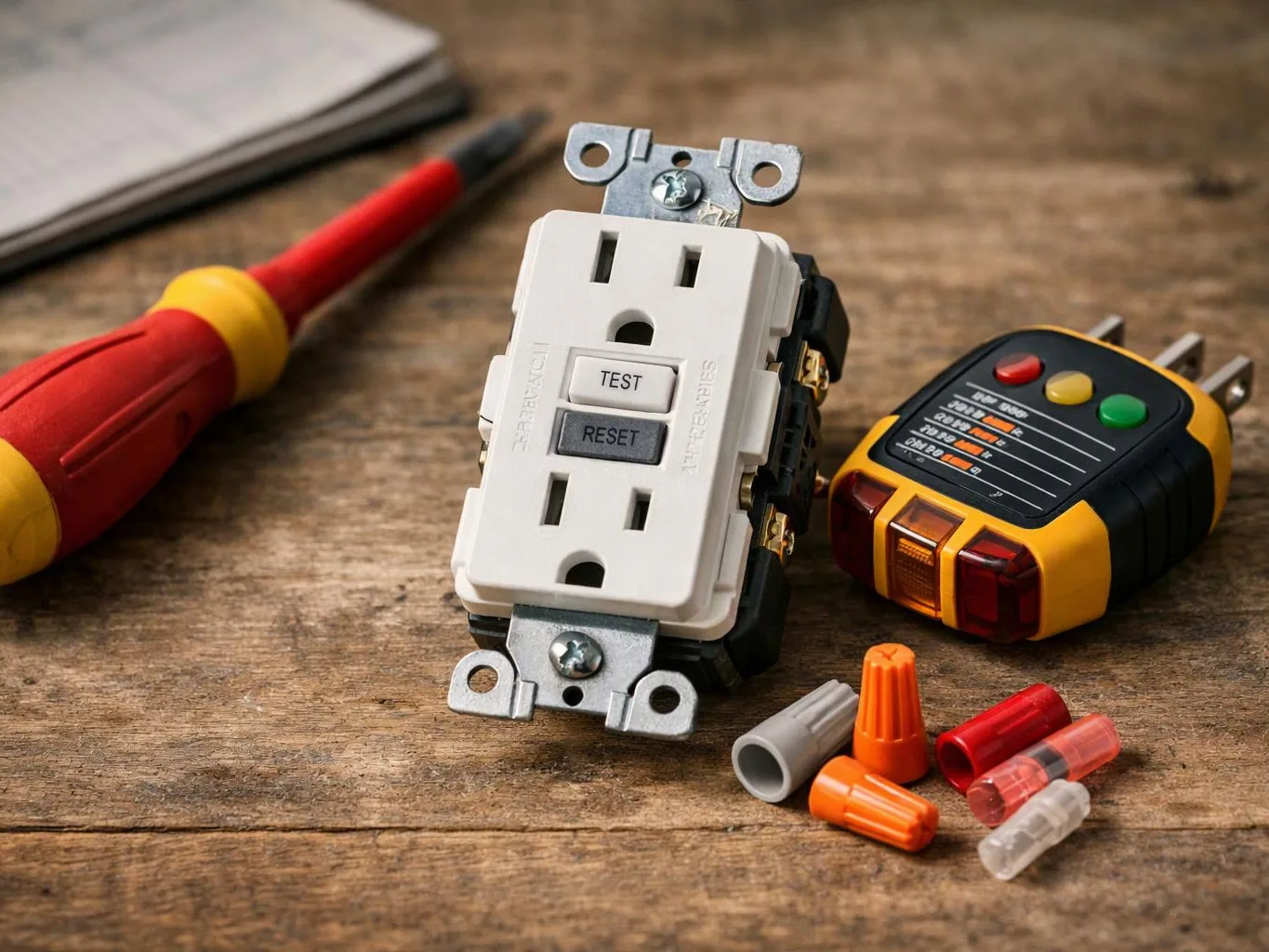
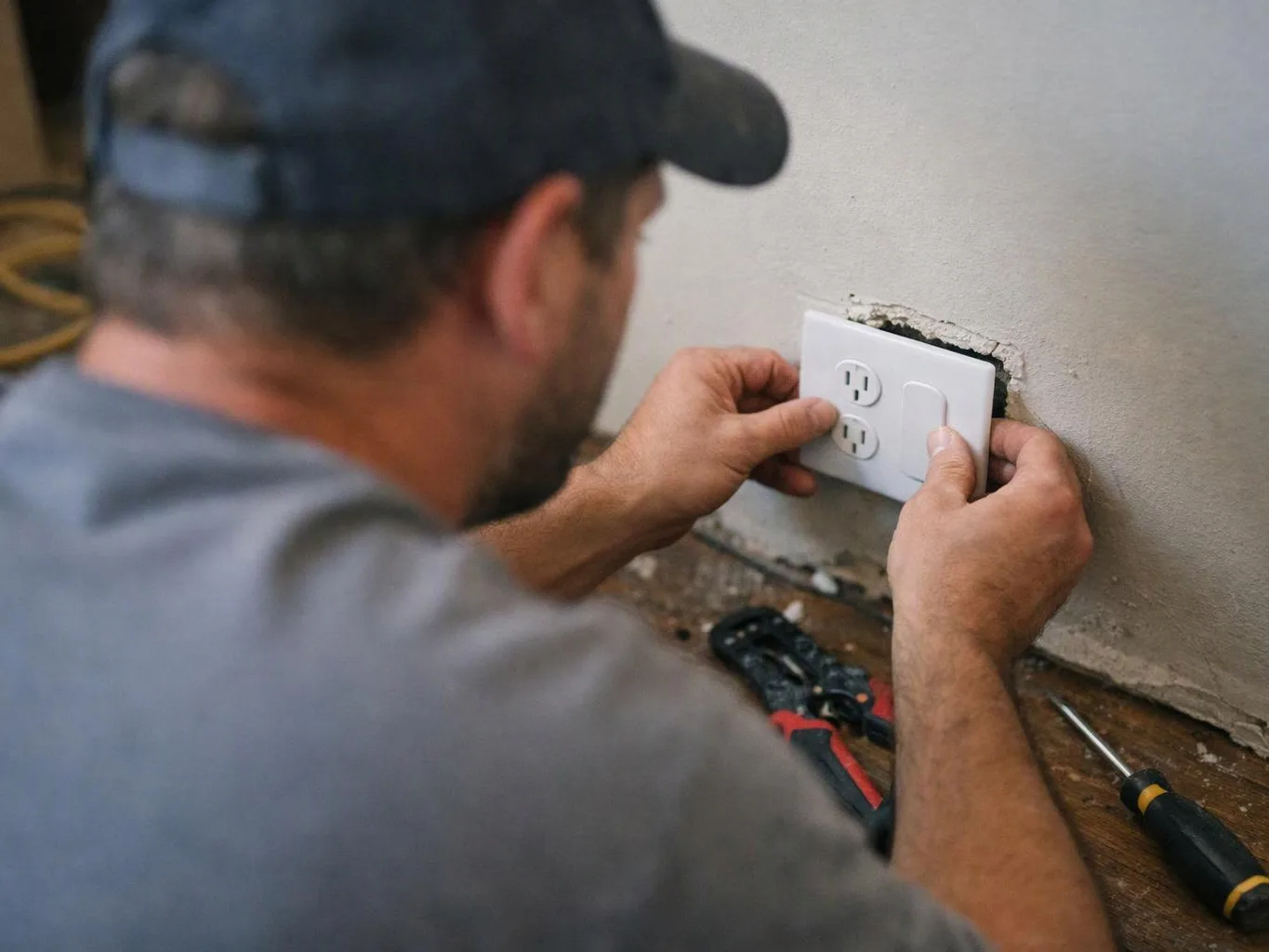
Chris Miller Electric installs dedicated circuits for residential and commercial properties. Our team reviews the panel, wiring route, equipment connection, and existing load before work begins. We also handle related electrical repairs, inspections, panel upgrades, and circuit tracing when the assessment shows they are needed.
How does the visit move from the first call to the last step?
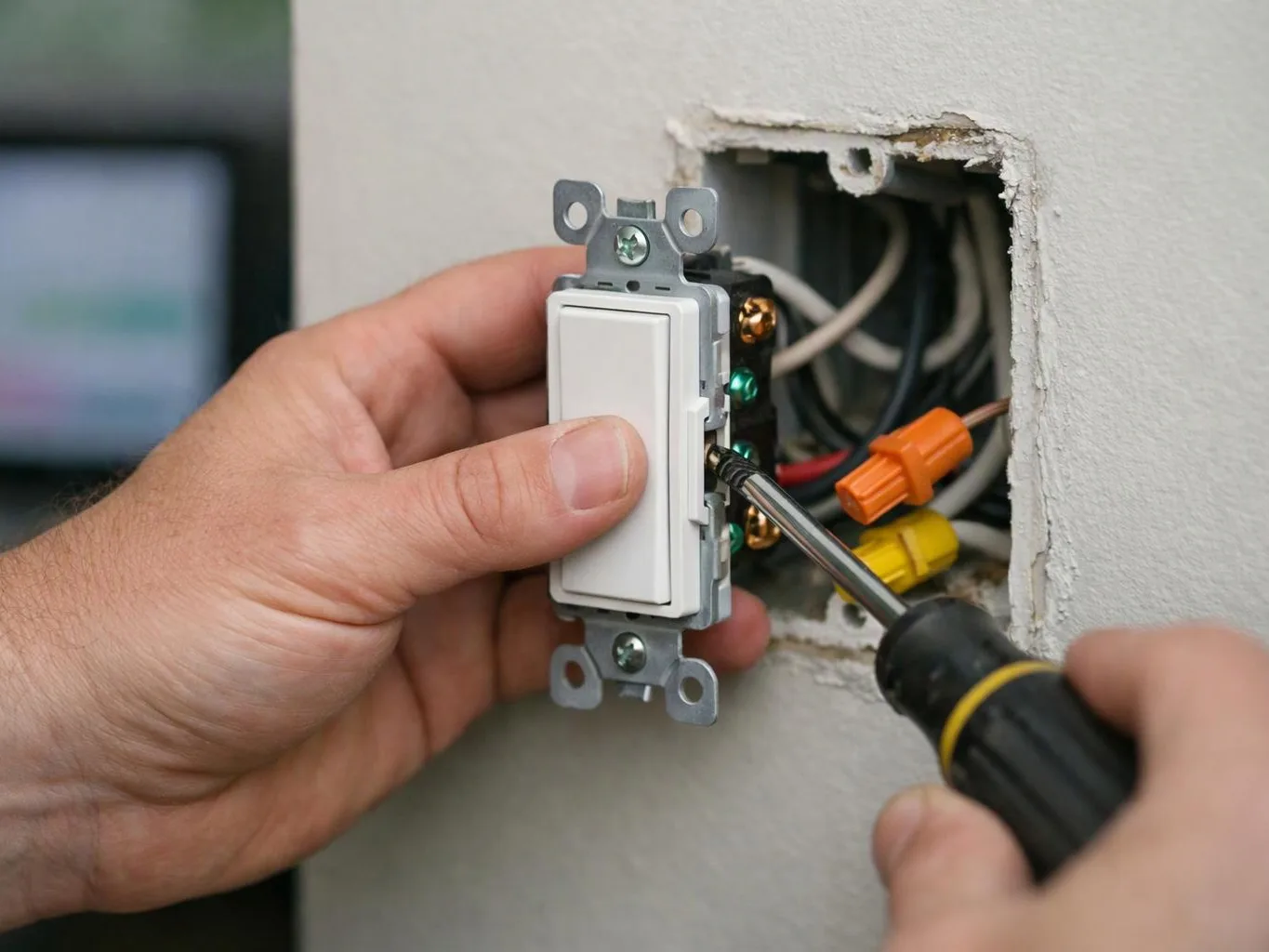
The visit moves from load review to panel inspection, wiring planning, installation, and testing. Equipment details help define the circuit, while access and existing wiring shape the route. We explain the work and provide a free estimate before installation, then verify the completed circuit.
Which material changes the installation work most?
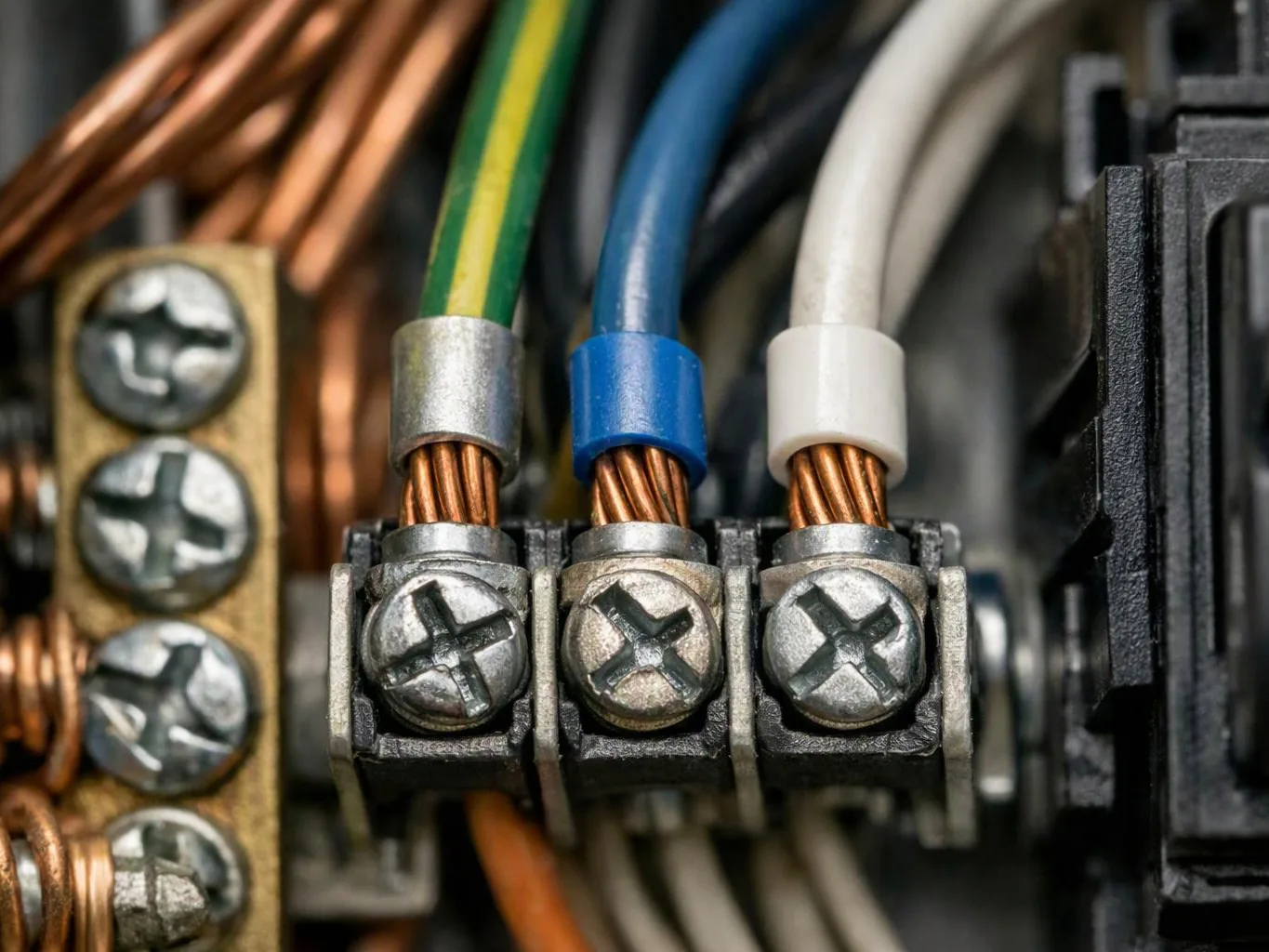
The wiring path and panel condition change the installation work most. Copper or other approved conductors, breaker type, access, and connection requirements must match the planned load. We inspect these factors together, because the equipment alone doesn't determine the full circuit scope.
How can a customer tell whether this work fits the property?
A dedicated circuit fits when one planned load needs separate protected wiring and the property can support that demand. The panel, service capacity, wiring route, and equipment connection decide the fit. In Albion, we assess homes and businesses on site before preparing the estimate.
Why does a breaker keep tripping after equipment starts?
A breaker may trip because the circuit carries too much load, has a wiring fault, or has a failing connection. We isolate the affected circuit, inspect the breaker and wiring, and trace connected equipment. A new circuit fits only after the cause and panel capacity are checked.
What should be ready before the electrical assessment?
Equipment details and safe access to the panel help the electrical assessment start with useful information. Keep the equipment nameplate, model information, and known symptoms available if possible. Don't remove panel covers or reset a breaker that trips repeatedly, since those actions can hide a fault or increase risk.