How can breaker problems be prevented?
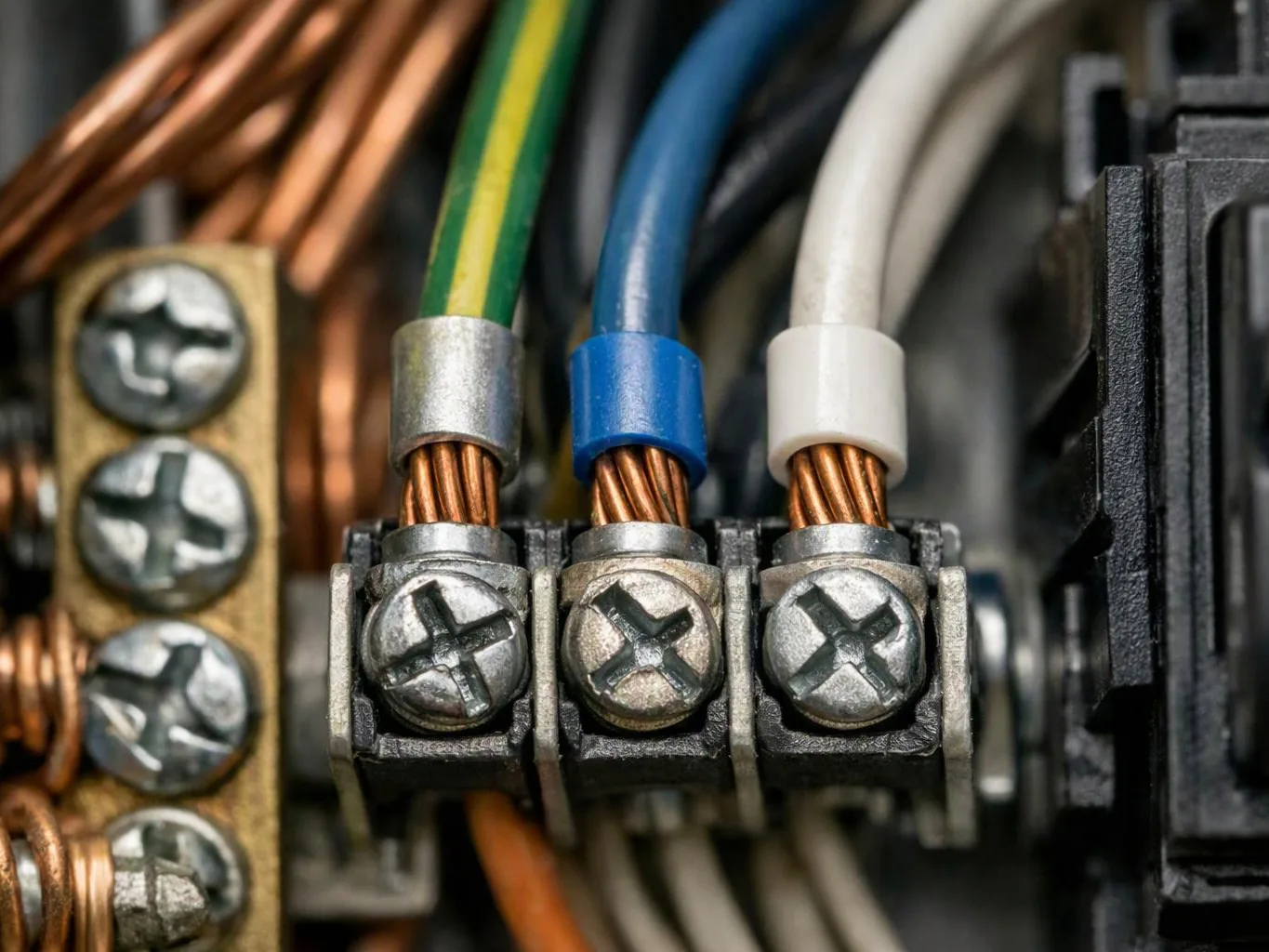
Tight connections, balanced loads, clear circuit labels, and periodic testing help prevent repeat breaker problems. We inspect panel terminations and connected equipment, then explain which circuits need attention. Customers should avoid overloading one circuit with high-draw devices and should stop using a circuit that shows heat, buzzing, or a burning smell.
What should I ask before agreeing to breaker repair?
The repair scope should identify the failed part, the cause of the fault, and the testing planned afterward. Ask whether the issue involves the breaker, wiring, load, or panel connection. We explain those points before work begins and provide a free estimate for the identified electrical work.
Which property condition changes the repair time?
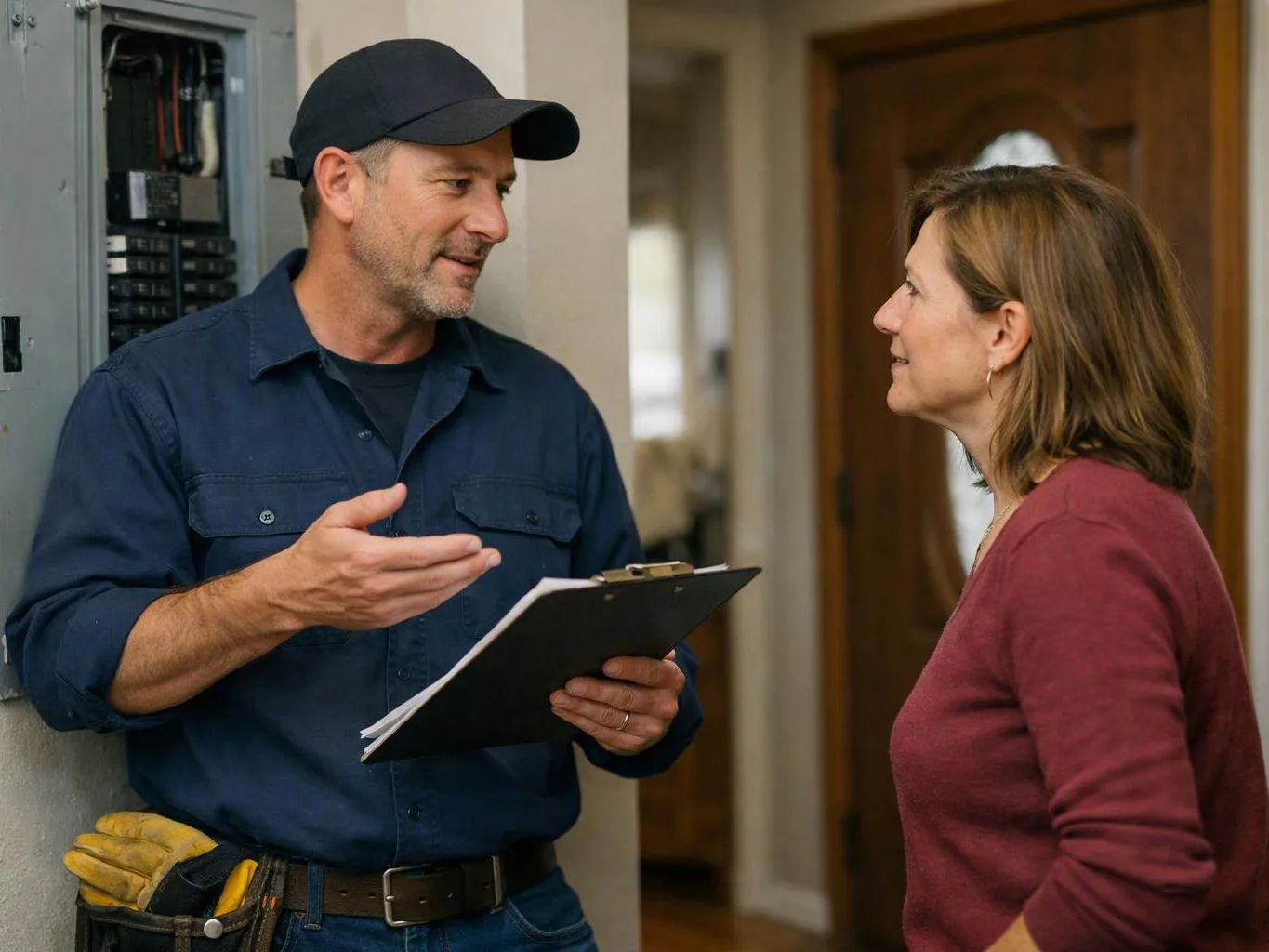
Limited panel access, damaged wiring, hidden connections, and unclear circuit paths can change the repair time. We inspect access and trace the affected circuit before setting the work scope. Customers can help by clearing the panel area and sharing which outlets, lights, or devices lost power.
When should I stop resetting a tripped breaker?
Stop resetting a breaker when it trips again, feels warm, buzzes, or connects to a burning smell. Repeated resets can leave the underlying fault unresolved. We inspect the breaker and circuit to determine whether the cause is a damaged part, loose connection, wiring fault, or excessive load.
Why does a new breaker still need circuit testing?
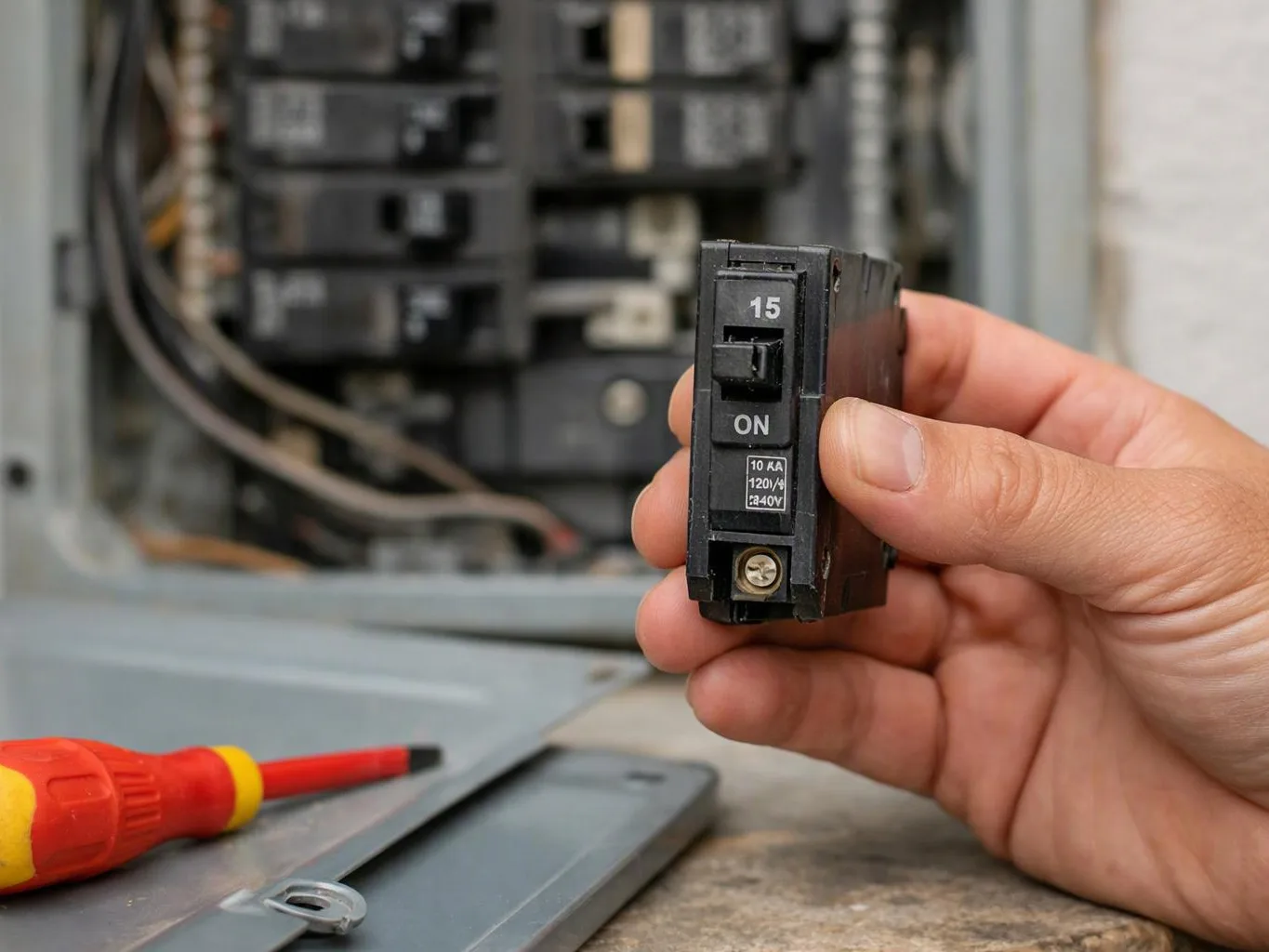
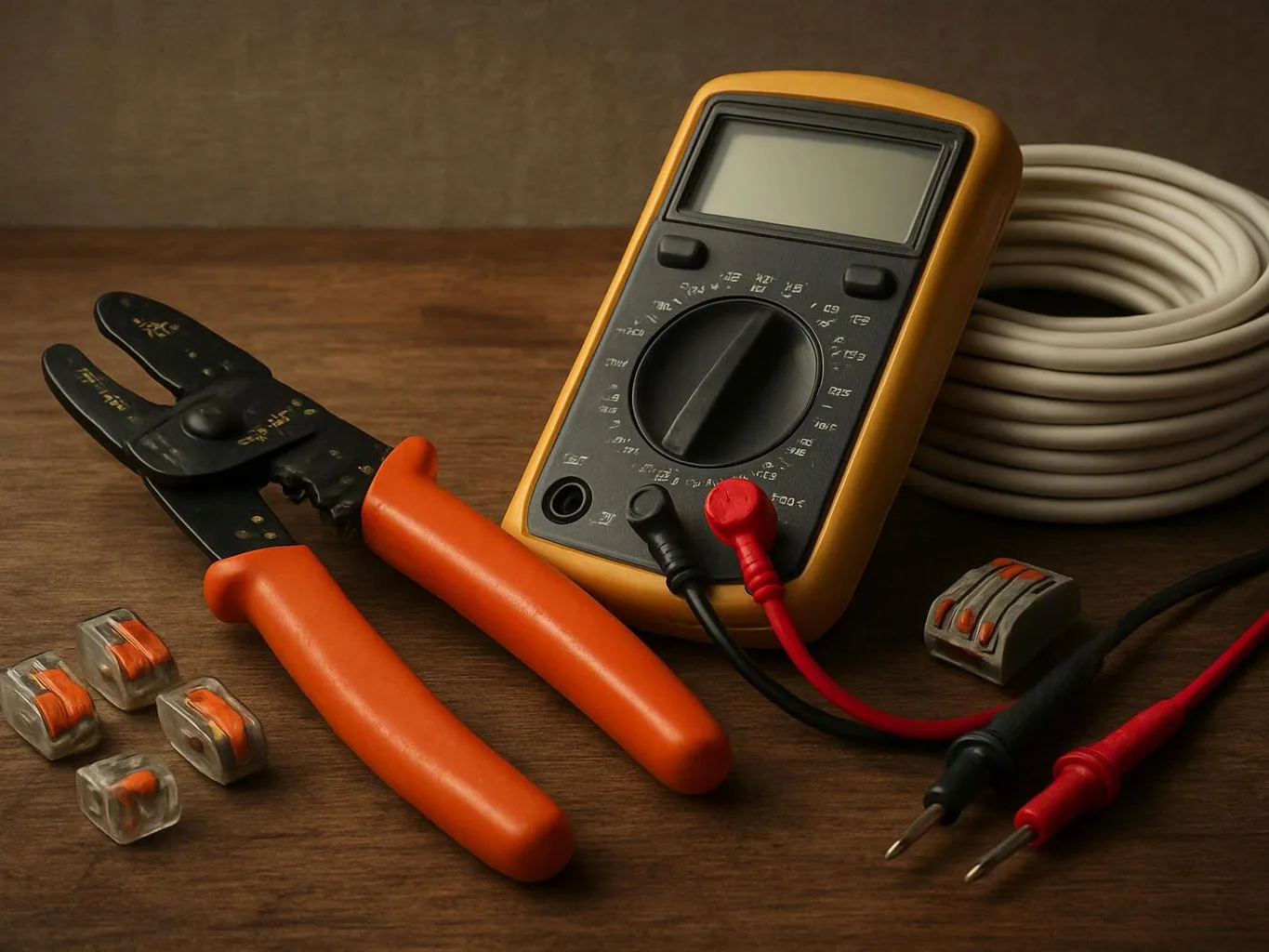
A new breaker still needs testing because the circuit may contain a wiring fault or excessive load. We verify the breaker, connections, circuit path, and connected equipment after the repair. Testing helps confirm that replacement addressed the fault instead of hiding a problem farther along the circuit.
Which warning signs require urgent electrical service?
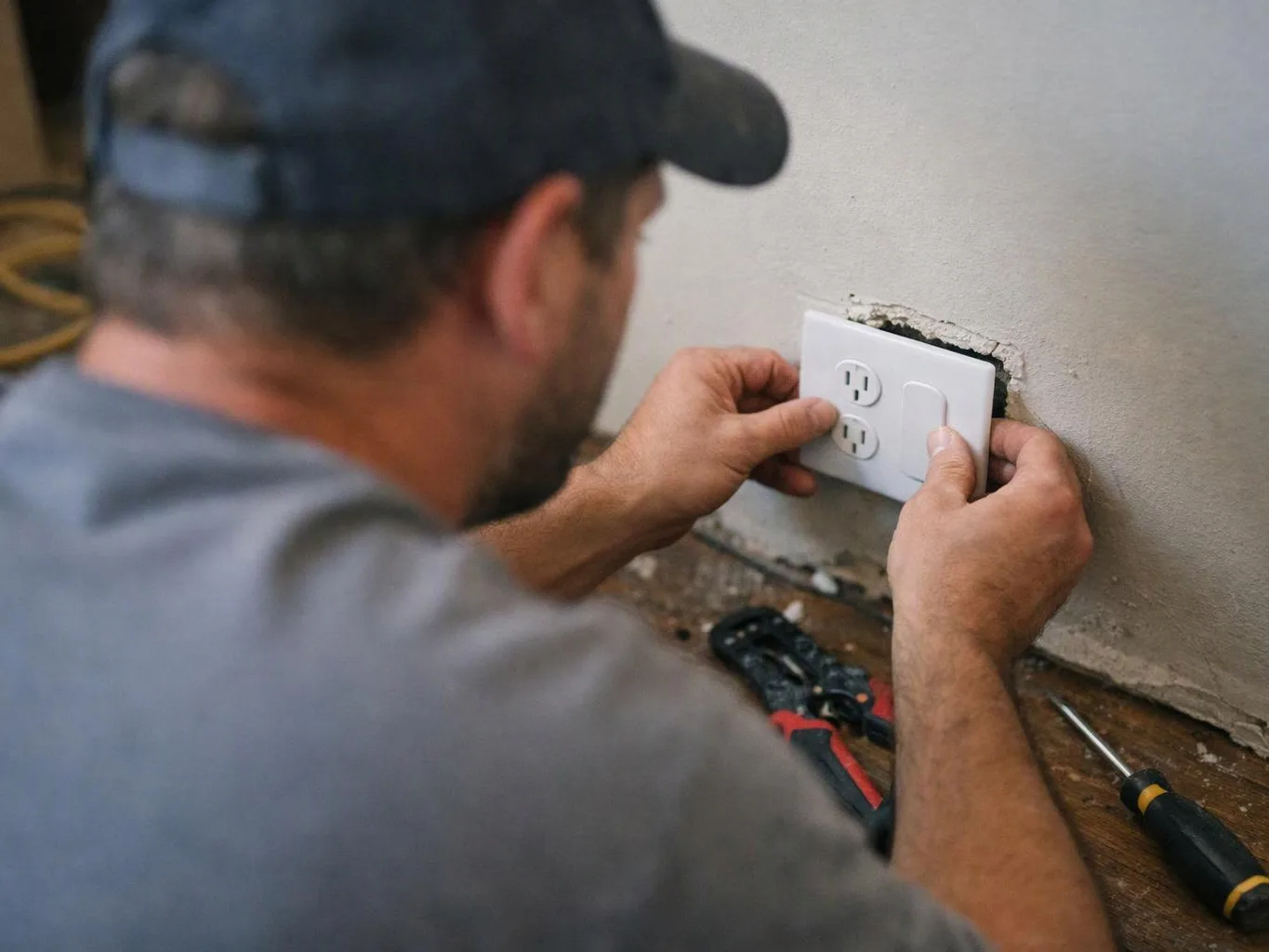
A burning smell, buzzing panel, sparking outlet, or warm switch plate requires urgent electrical service. These signs can point to heat or a poor connection. We assess the affected area and explain safe next steps. Stop using the circuit if continued operation creates a clear safety concern.
How is breaker repair matched to the property before work starts?
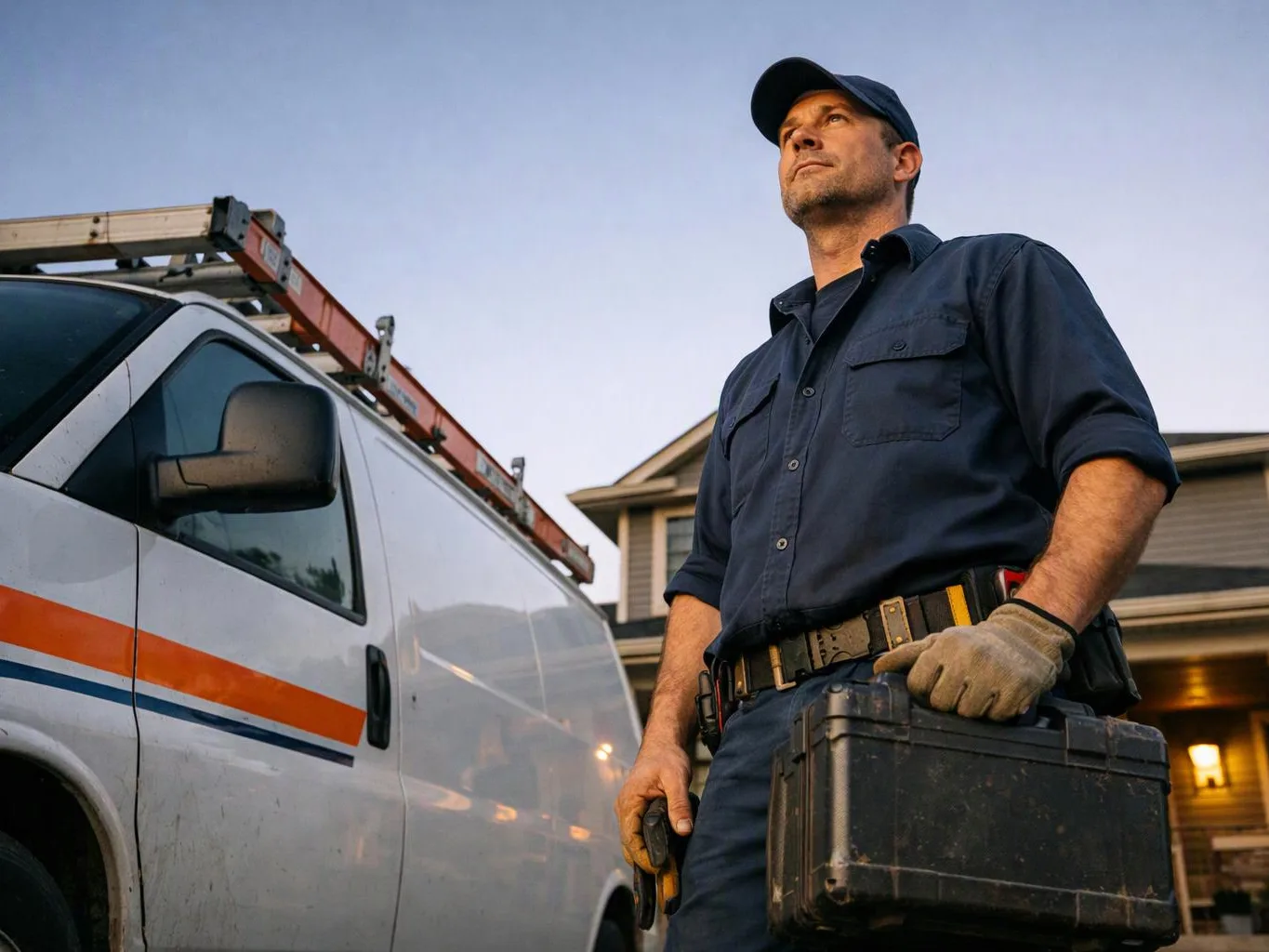
The property type, panel layout, circuit use, and connected equipment guide the repair plan. We inspect residential and commercial systems, trace the affected circuit, and review its load before choosing a repair. This approach helps match the work to the electrical system instead of treating every tripped breaker the same way.