Whole-House Rewiring: When It Is Needed and How to Plan It
Whole-house rewiring may be needed when a home has repeated electrical faults, damaged or outdated wiring, inadequate circuits, or safety concerns. Chris Miller Electric inspects the electrical system, identifies the cause, explains the repair plan, and completes rewiring when the existing system cannot be safely corrected.
Get a Free EstimateWhat Signs Suggest a Home May Need Whole-House Rewiring?
Whole-house rewiring may be needed when a home shows repeated electrical problems, damaged wiring, inadequate circuits, or unsafe installation conditions. We inspect the warning signs and trace them back to the system conditions causing them.

What Common Causes Lead to Whole-House Rewiring?
Common causes include aging wiring, repeated circuit overloading, uncoordinated alterations, and wiring conditions that require broader safety correction. We look at the complete installation so the repair addresses the cause, not only the visible symptom.
When Can Electrical Wiring Repair Address the Problem?
Electrical wiring repair can address a localized defect when the rest of the electrical system is safe, serviceable, and suitable for the home's demands. We use an electrical inspection to determine whether the damage is limited to one cable, connection, device, or junction.
Localized wiring damage may be repairable when surrounding insulation, connections, grounding, and protective devices are in sound condition. A whole-house rewiring assessment becomes more important when the same problems appear across multiple branch circuits or when the existing wiring cannot support the home's use.
How Does an Electrical Inspection Determine the Right Scope?
An electrical inspection determines the right scope by examining the wiring system, protective devices, connections, grounding, circuit performance, and visible installation conditions. We document inspection findings before recommending repair, partial rewiring, or complete replacement.
Our team reviews the electrical panel, branch circuits, receptacles, and switches. We also assess service capacity, wiring condition, grounding conductors, junction boxes, and signs of overheating or damaged insulation.
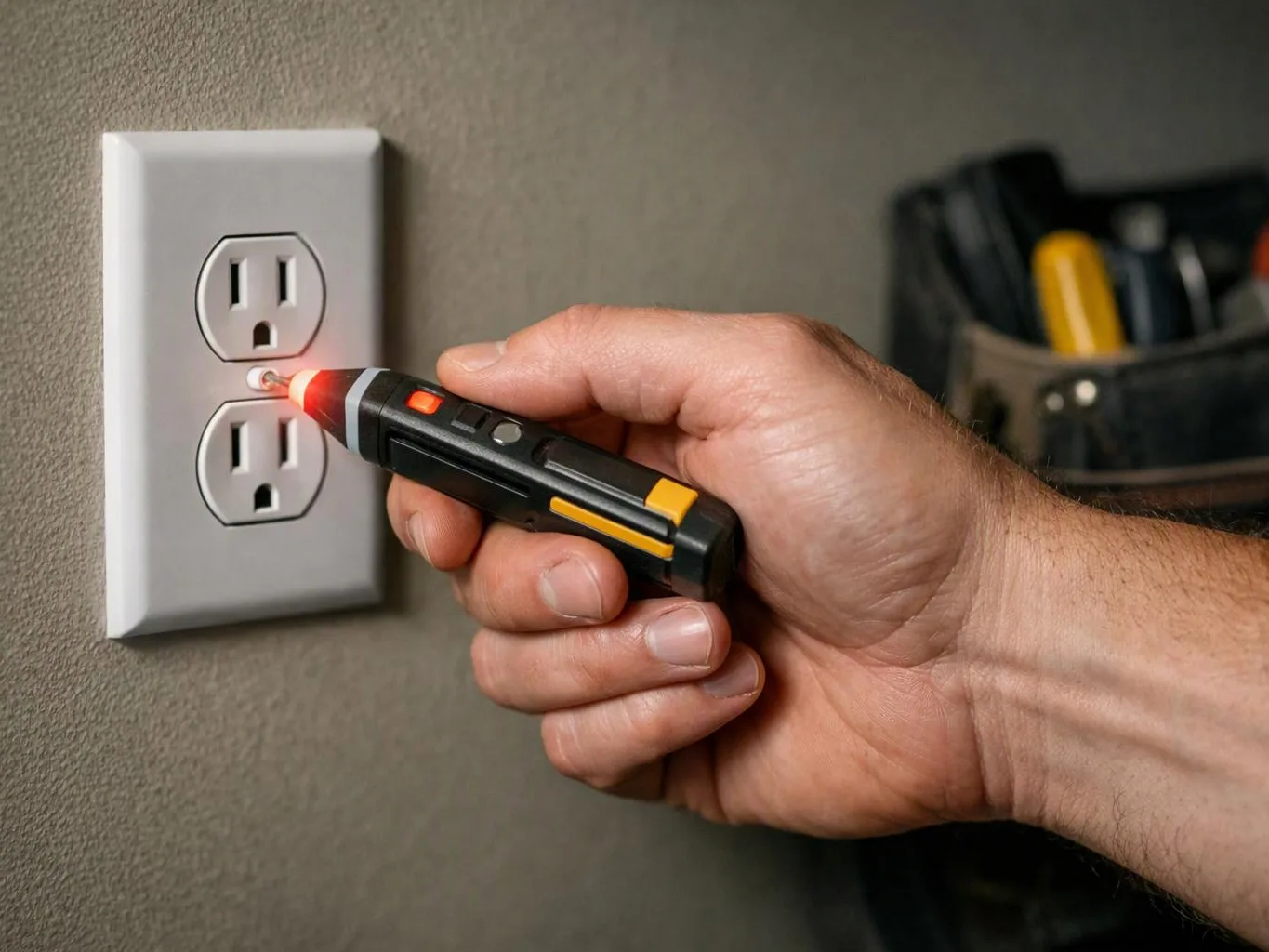
Electrical testing helps us confirm whether circuits perform as intended and whether protective equipment responds correctly. The results guide circuit planning and show which conditions require electrical code correction.
How Should You Plan a Whole-House Rewiring Project?
A whole-house rewiring plan starts with an inspection, defines the required circuits and corrections, accounts for access and finish repairs, and sets the work sequence. We explain the plan in plain language so you can make decisions about the work area and household needs.
What Should the Rewiring Estimate Explain?
A rewiring estimate should explain the labor scope, materials, electrical devices, panel work, wall and ceiling access, and related finish repairs. We provide Free Estimates Available and explain how the project conditions shape the estimate.
The estimate should identify which circuits and devices are included, how access will be created, and how the crew will protect the home during the work. It should also describe electrical testing and the expected handoff after the rewiring is complete.
What Should You Ask Before Whole-House Rewiring?
Before whole-house rewiring, ask what conditions require replacement, which circuits and devices are included, how access will be handled, and how the completed work will be checked. Clear answers help you understand the rewiring scope before work begins.
How Can You Prepare for Whole-House Rewiring?
Homeowner preparation includes clearing access to electrical equipment and work areas, documenting important electrical needs, and planning for interruptions while circuits are replaced. We use that information to coordinate the work sequence with your household.
Move furniture and stored items away from the electrical panel, receptacles, switches, and planned access points. Identify appliances, work areas, and rooms that need power so circuit planning reflects how you use the home.
Plan for limited access to rooms while wiring is routed and tested. Keep children and pets away from open work areas, and report burning smells, warm outlets, sparks, or shocks before the project starts.
Which Steps Help Prevent Future Wiring Problems?
Prevention depends on using circuits within their intended capacity, addressing damaged devices promptly, avoiding unapproved alterations, and arranging electrical inspections when problems recur. We can help identify conditions that may place stress on the electrical system.
How Should a Rewired Home Be Checked and Maintained?
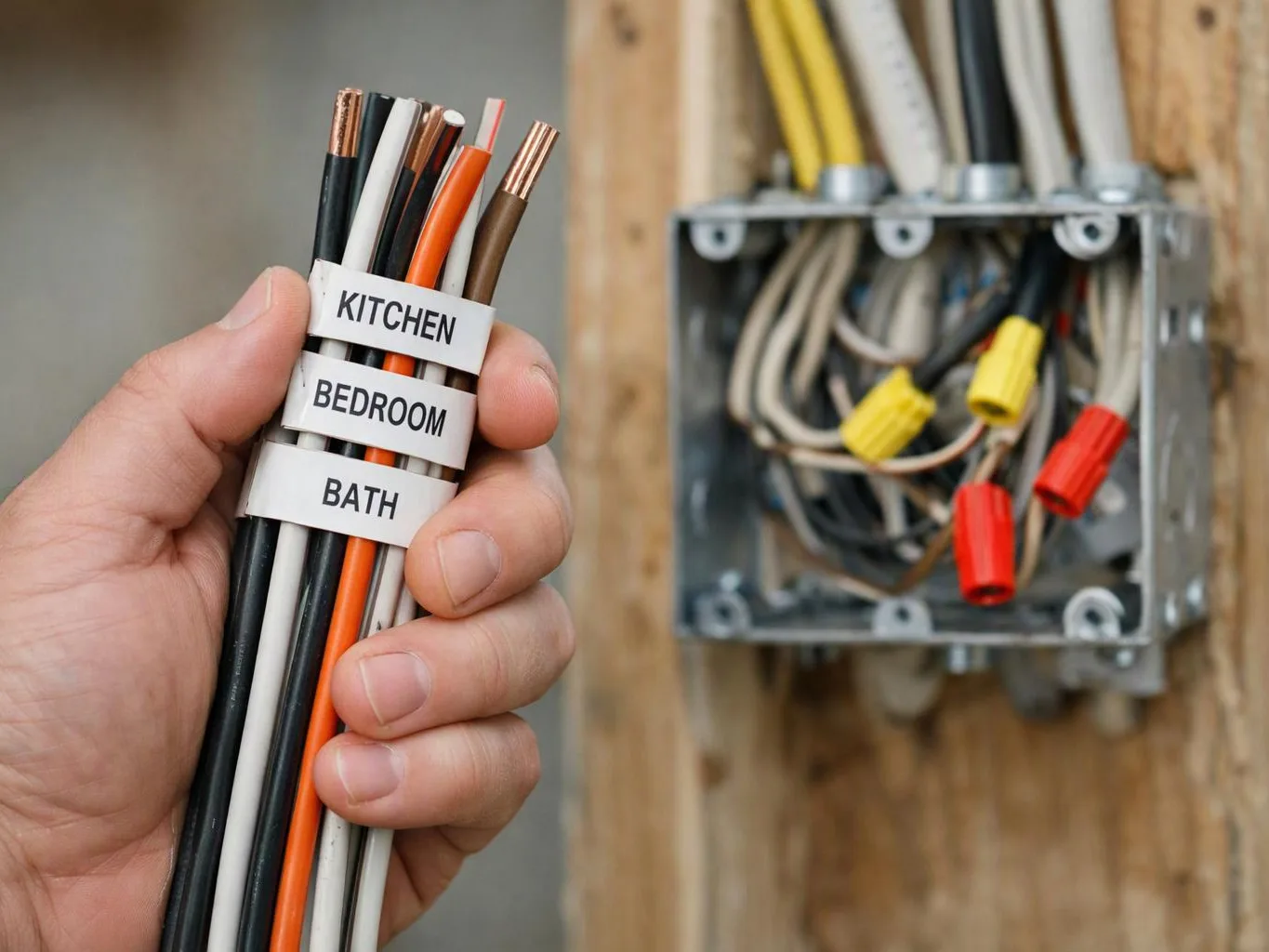
After rewiring, the electrical system should be tested, circuits should be identified clearly, devices and protective equipment should be checked, and future changes should preserve the planned system. We complete post-work testing before treating the project as finished.
Electrical aftercare includes watching for repeated breaker trips, warm devices, flickering lights, burning smells, or other changes. Contact Chris Miller Electric when a new problem appears so we can inspect the condition before it develops further.
Questions About Planning Whole-House Rewiring
Can a home need rewiring if the electrical panel was recently replaced?
Yes, a home can need rewiring after an electrical panel replacement when the branch circuits, grounding, insulation, or connections remain damaged or outdated. Chris Miller Electric inspects the panel and the wiring connected to it so the scope reflects the complete electrical system.
Are flickering lights always a sign that a house needs rewiring?
No, flickering lights do not always mean the whole house needs rewiring. Loose connections, a fixture problem, circuit overload, or damaged wiring can cause flickering, so we inspect the affected circuit before deciding on the repair scope.
Can old wiring be made safe without rewiring the whole house?
Yes, old wiring may be made safe with localized electrical wiring repair when the remaining system is sound and suitable for the home's demands. We recommend whole-house rewiring when defects, overloads, or unsafe conditions extend across the system.
What happens to walls and ceilings during whole-house rewiring?
Walls and ceilings may need access openings where new cables and conductors must be routed. We plan access points with the rewiring scope and explain where wall repairs may be needed after electrical work is complete.
How does whole-house rewiring affect existing appliances and circuits?
Whole-house rewiring can change circuit assignments, shutdown periods, receptacle locations, and appliance connections. We review household electrical needs during circuit planning and coordinate testing before circuits return to service.
Whole-house rewiring decisions should follow inspection findings, circuit planning, access needs, and post-work testing. Chris Miller Electric can review your home's wiring conditions and explain the next step.
Contact Chris Miller Electric to request an estimate for the electrical work your home needs.
Related Resources
What to Expect From a 24/7 Emergency Electrician in Fort Wayne, IN
Brand vs BrandWhole-House Rewiring Companies Worth Comparing in Fort Wayne (2026)
What It CostsCircuit Breaker and Fuse Replacement: What It Costs and How It Works
What It CostsElectrical Panel Upgrade Cost Factors: Capacity, Parts, Labor, and Scope