Electrical Troubleshooting: Safe Steps Before Calling a Professional
Electrical troubleshooting starts with safe, non-invasive checks such as identifying the affected circuit, checking for visible damage, and resetting a tripped breaker only when conditions are safe. Chris Miller Electric handles diagnosis and repair when the problem involves exposed wiring, burning odors, repeated trips, shocks, water, or work inside electrical equipment.
Get a Free EstimateWhat Electrical Troubleshooting Can You Safely Check at Home
Electrical troubleshooting at home should be limited to observing symptoms and using accessible controls without removing covers or touching wiring. A homeowner can identify which electrical circuit is affected, note which appliance or electrical outlet has lost power, and check whether an accessible switch is off.
Our team uses those observations as a starting point for electrical diagnosis. Do not remove the cover from an electrical panel, outlet, appliance, or other electrical equipment.
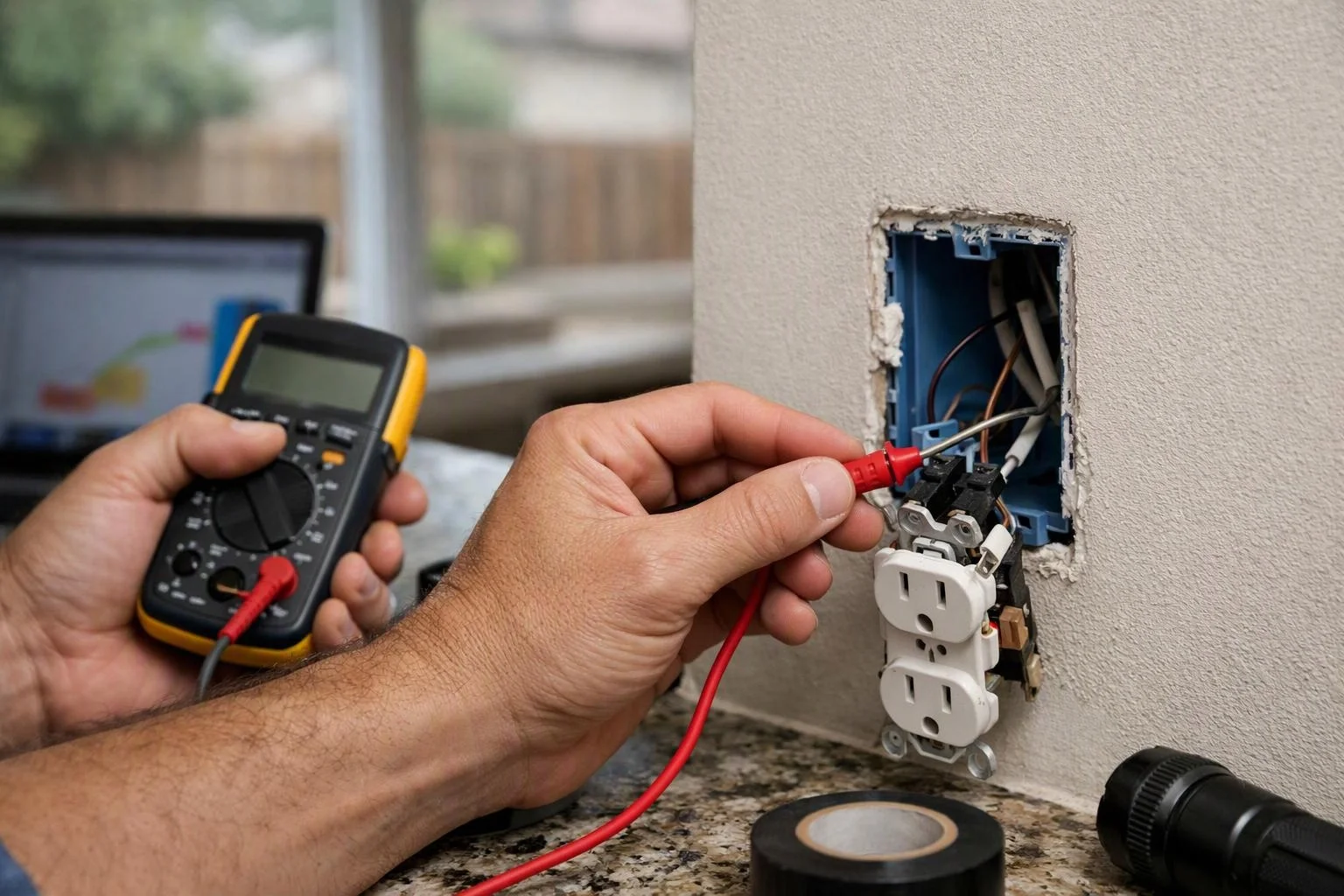
What Signs Indicate an Electrical Problem
These signs indicate that electrical troubleshooting may be needed. Each symptom can point to a fault that requires careful diagnosis.
Stop using the affected equipment when heat, smoke, water, sparks, or shock is present. We handle the next steps when a symptom suggests damaged electrical wiring or a hazardous fault.
How to Perform Safe Electrical Troubleshooting Steps
Safe electrical troubleshooting means separating the affected appliance from the circuit, checking accessible switches and breakers, and stopping when the issue involves damage, heat, water, or exposed wiring. These steps support safe observation without turning a homeowner check into electrical repair.
Do not remove the cover from a circuit breaker, electrical panel, outlet, or appliance. Our crew performs the diagnostic testing and repair when the safe homeowner checks do not explain the problem.
What Commonly Causes Electrical Problems?
Electrical problems commonly begin with excess demand, damaged components, or an unwanted path for current. Knowing the likely cause helps you describe the symptom without attempting hazardous electrical work.
Our team traces the symptom to the circuit, connection, appliance, or protective device. We then explain the repair options that address the identified cause.
How to Reduce Electrical Troubleshooting Problems
Basic maintenance can reduce stress on an electrical circuit and help you notice unsafe conditions earlier. Prevention does not replace diagnostic testing when a circuit shows heat, damage, or repeated power loss.
We can investigate recurring symptoms that continue after loads are reduced or damaged equipment is removed. A recurring trip or warm outlet should not be treated as a normal operating condition.
When Electrical Troubleshooting Requires Chris Miller Electric
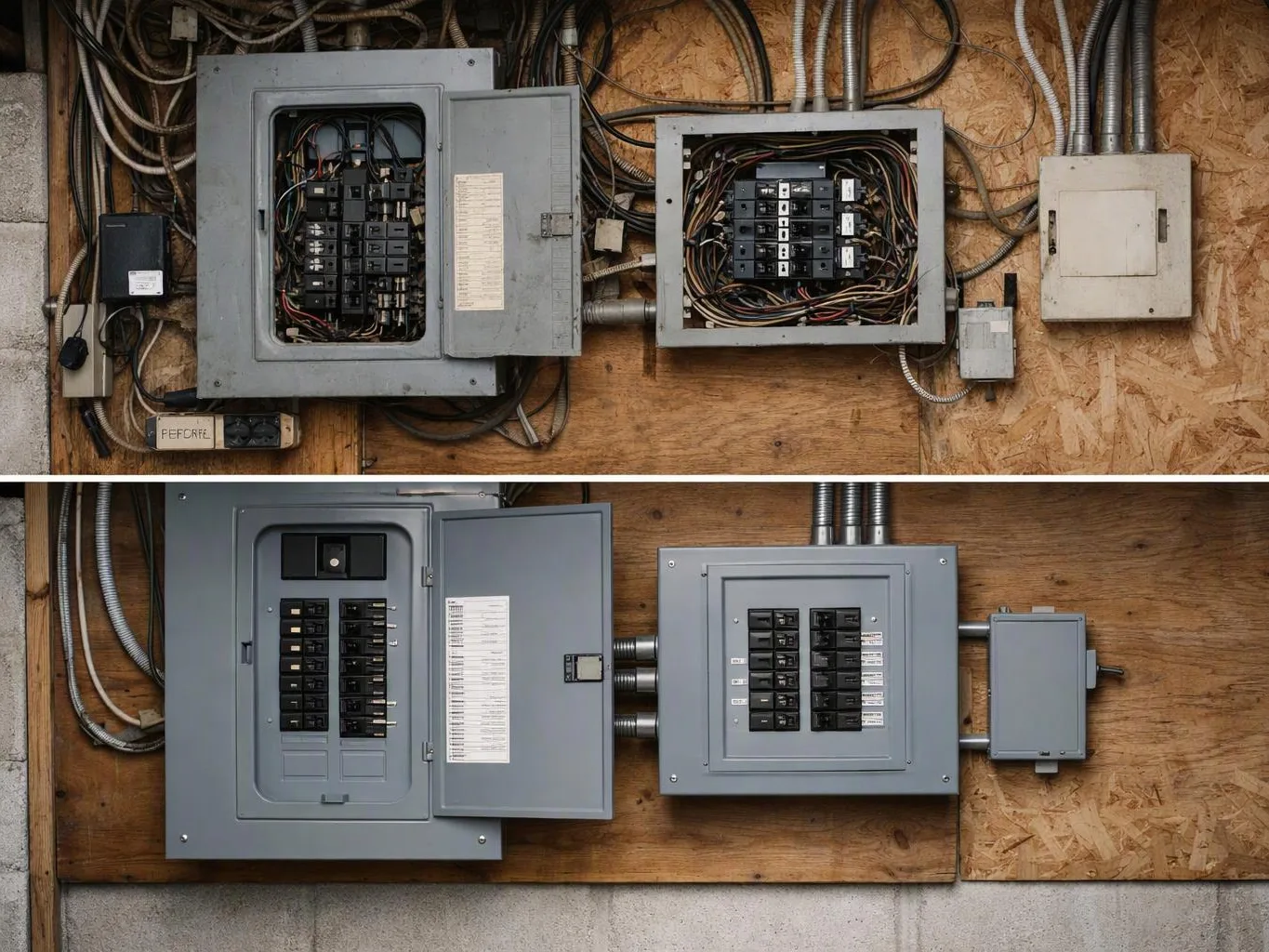
Chris Miller Electric should handle electrical troubleshooting when the problem presents shock, fire, water, exposed-wiring, repeated-breaker, or panel-related risk. We perform emergency electrical repair when unsafe conditions require prompt attention.
Call us when you notice exposed wiring, a burning smell, water damage near electrical equipment, or an electrical shock. Our team also handles problems inside an electrical panel and circuits that continue to trip after the affected appliance is disconnected.
Do not touch wet electrical equipment or attempt to investigate sparking. Move away from the hazard and contact us when the area is safe to approach.
What to Discuss During an Electrical Troubleshooting Visit
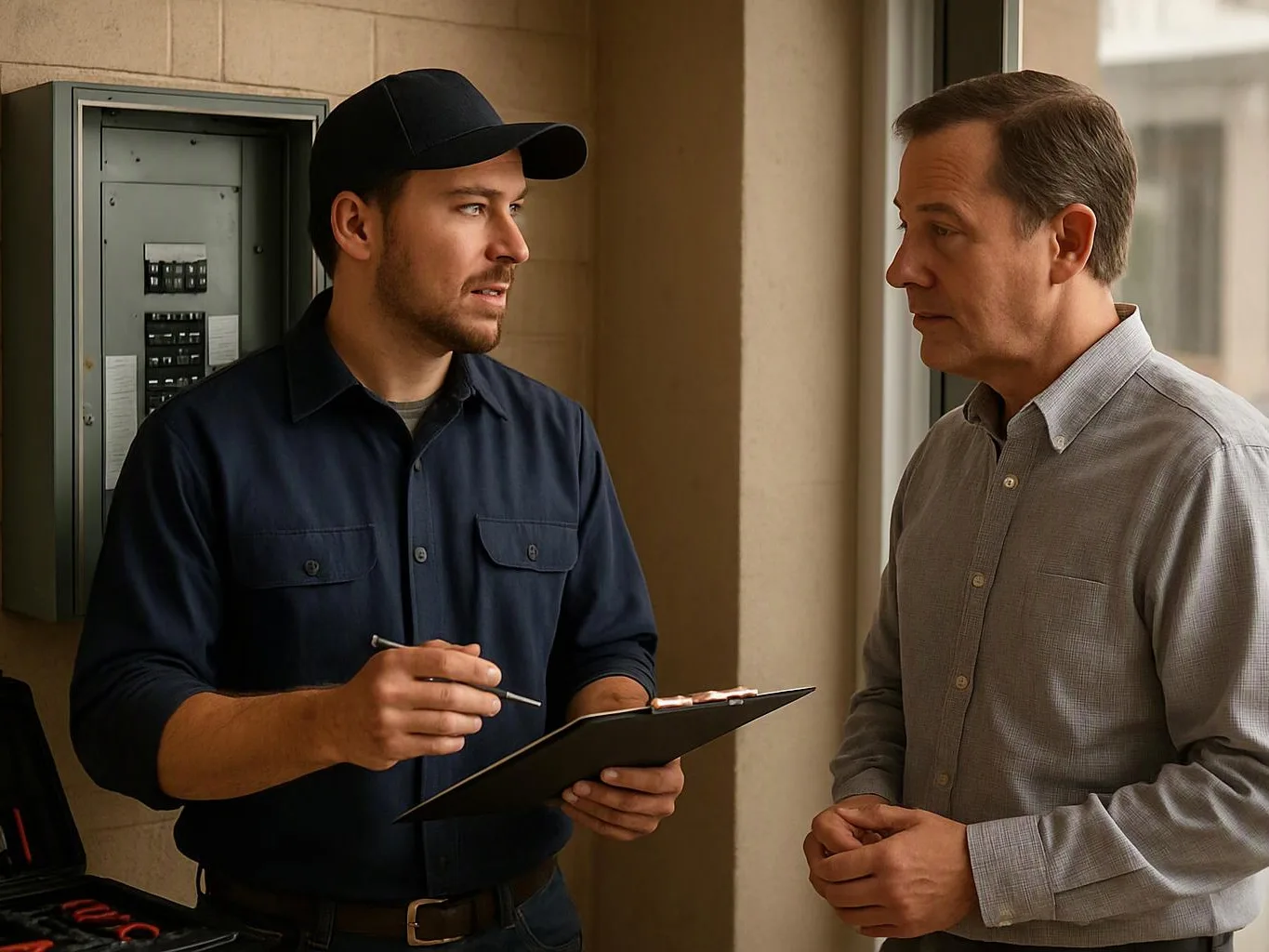
An electrical troubleshooting visit should cover what failed, when the symptom began, which devices are affected, what checks were already completed, and what the proposed repair includes. Clear details help our team plan the inspection and avoid repeating unsafe checks.
Share the symptom history, the affected circuit if you know it, and the appliance or outlet involved. Tell us about recent electrical work, visible damage, power interruptions, breaker activity, burning odors, water, or shocks.
We use diagnostic testing to identify the fault and explain repair options in plain language. Free Estimates Available for the work identified during the visit.
Questions About Electrical Troubleshooting
Is it safe to reset a tripped circuit breaker?
Yes, resetting a tripped circuit breaker is safe only when the area is dry, no burning odor or visible damage is present, and the breaker has not been tripping repeatedly. Chris Miller Electric handles the diagnosis when the breaker trips again or the cause is unclear.
Why does one outlet keep losing power?
One outlet can keep losing power because of a tripped protective device, loose connection, damaged wiring, overloaded circuit, or faulty appliance. We trace the affected circuit and test the suspected cause before recommending a repair.
What should I do if an electrical outlet feels warm?
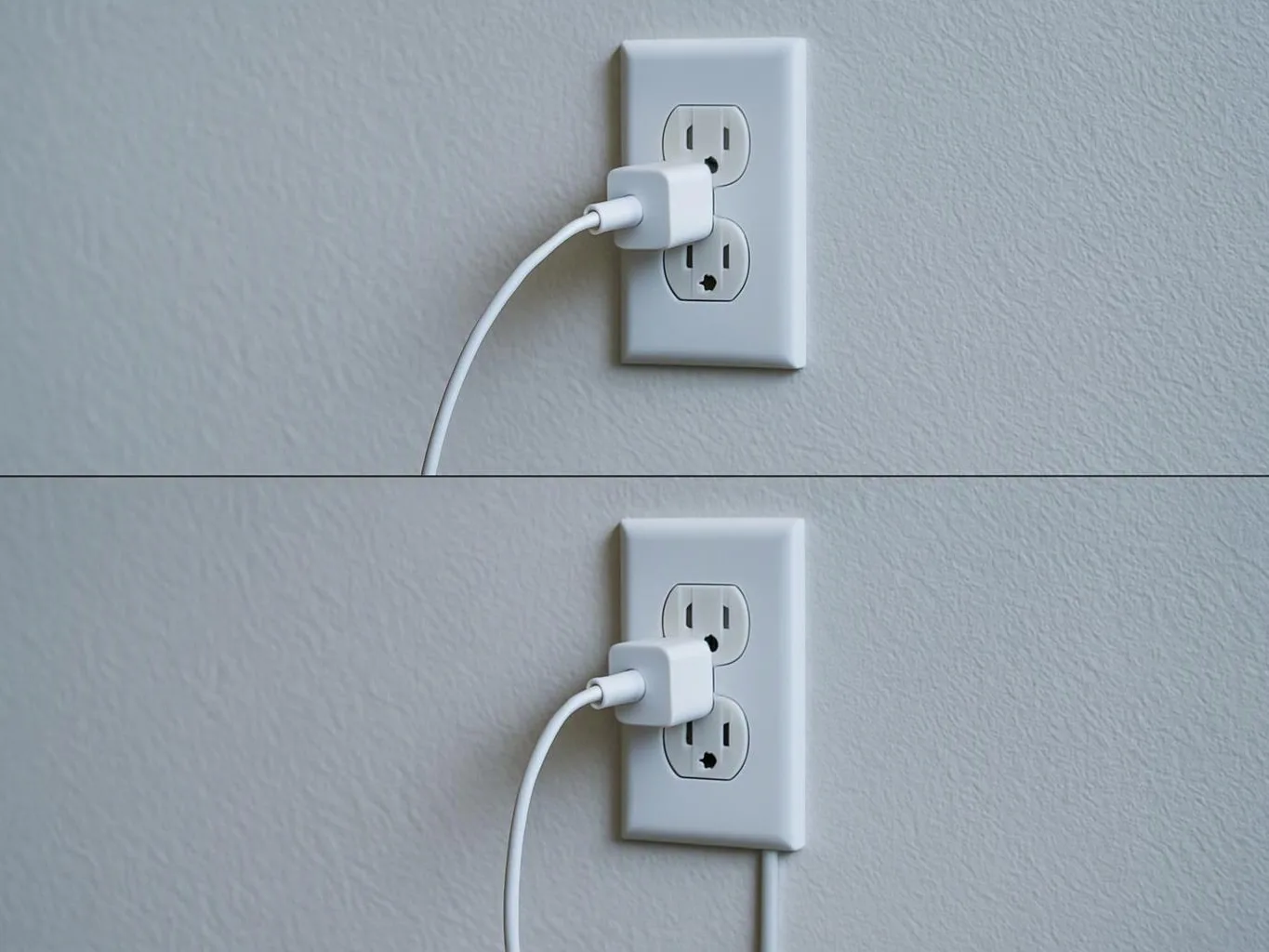
A warm electrical outlet should not be used until the connected appliance is unplugged safely and the cause is checked. Stop immediately if the outlet smells burnt, sparks, discolors, or feels hot, and contact us for electrical troubleshooting.
Can a faulty appliance keep tripping the breaker?
Yes, a faulty appliance can keep tripping the breaker when it has an internal fault, damaged cord, or abnormal electrical demand. Unplug the appliance only when the plug and area are safe, then tell our team what happened.
What information should I provide before requesting electrical troubleshooting?
Provide the symptom history, affected room or circuit, appliances involved, breaker activity, visible damage, burning smell, water, sparks, or shock. Tell us which safe checks you completed so our crew can focus the visit on diagnostic testing.
Electrical troubleshooting is safest when you observe the symptoms, avoid exposed electrical wiring, and stop at the first sign of heat, water, sparks, or shock. Contact Chris Miller Electric to discuss the problem and request an electrical troubleshooting visit.
Contact Chris Miller Electric for service details and a repair estimate.
Related Resources
Emergency Electrical Repair Companies Worth Comparing in Fort Wayne (2026)
Brand vs BrandElectrical Troubleshooting Providers Worth Comparing in Fort Wayne (2026)
Brand vs BrandChris Miller Electric vs Local Emergency Electrical Repair Alternatives in Fort Wayne: Side-by-Side Comparison
Compared ToCircuit Breaker Repair or Replacement: How to Decide